

Carved Wooden Shelving
Carved wooden shelving offers practical wall and floor storage built from mahogany, oak, and walnut across Victorian, Edwardian, and Regency periods.
Carved Wooden Shelving
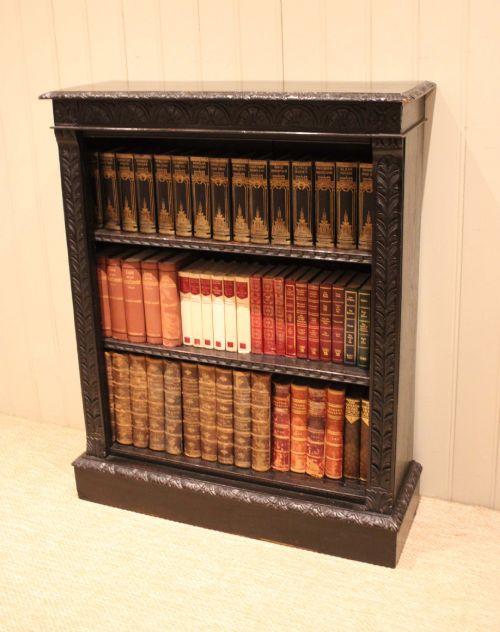
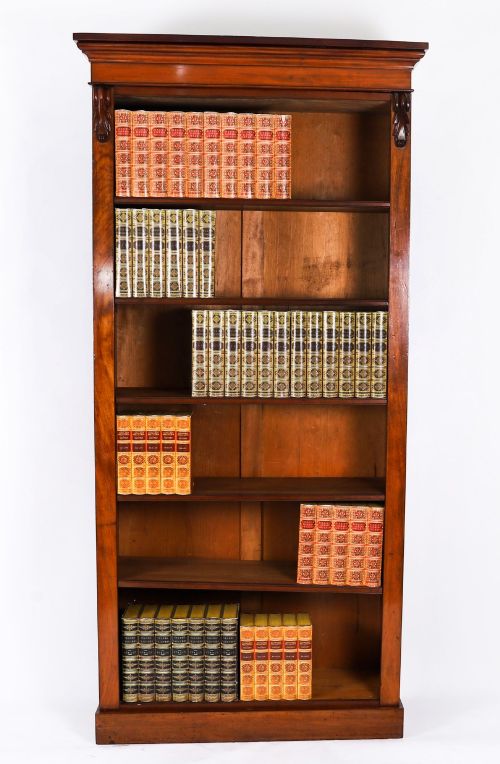
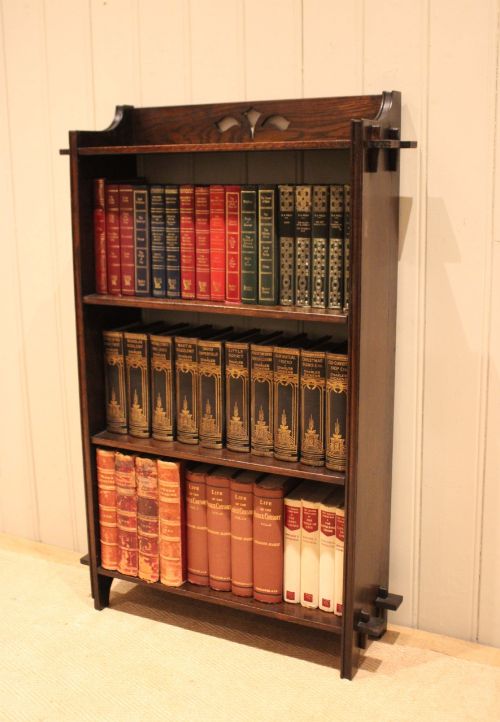
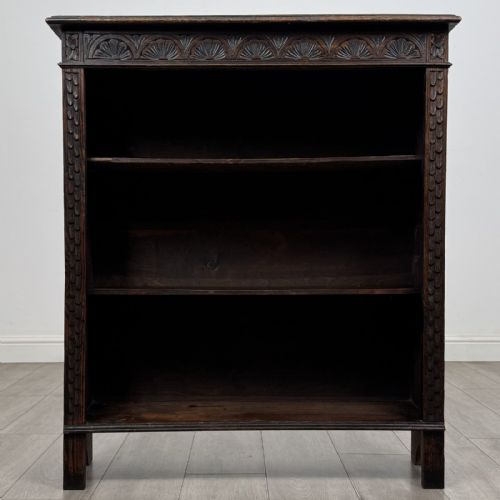
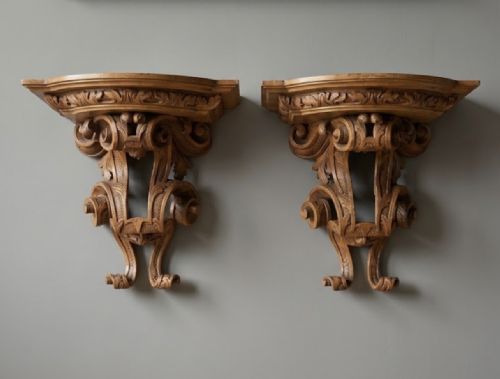
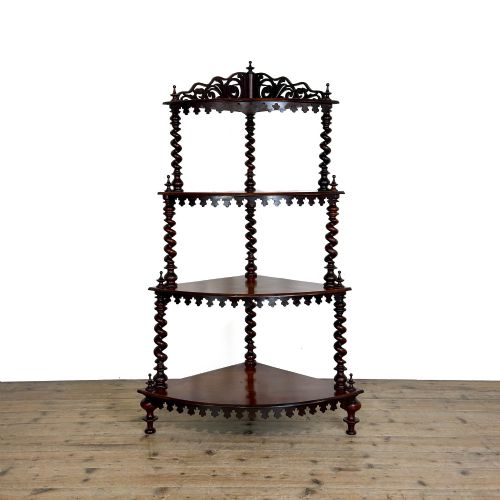
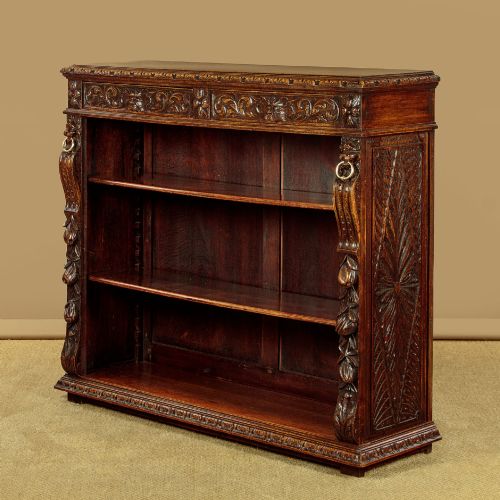
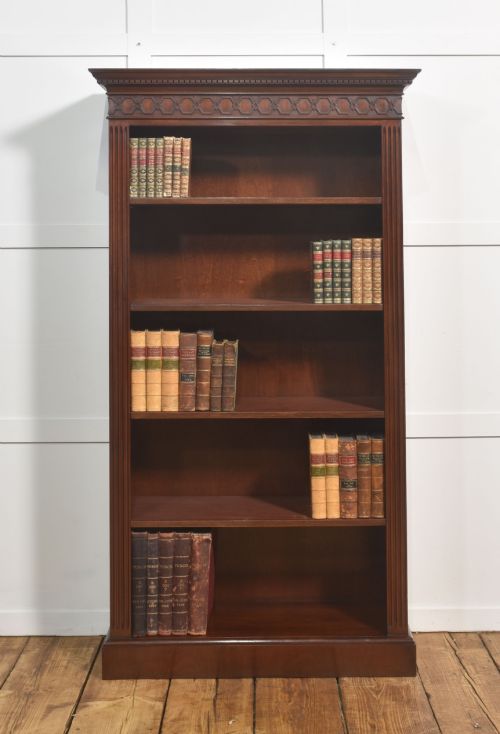
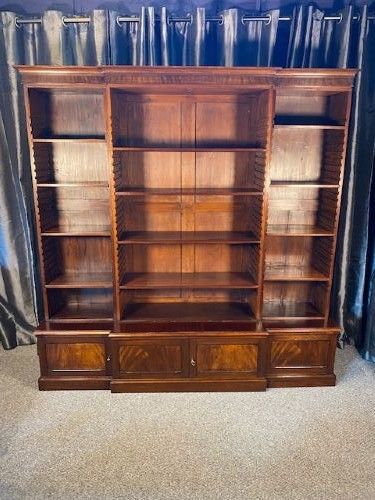
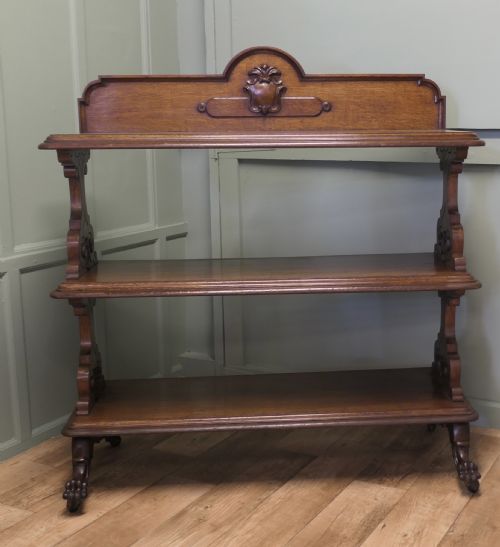
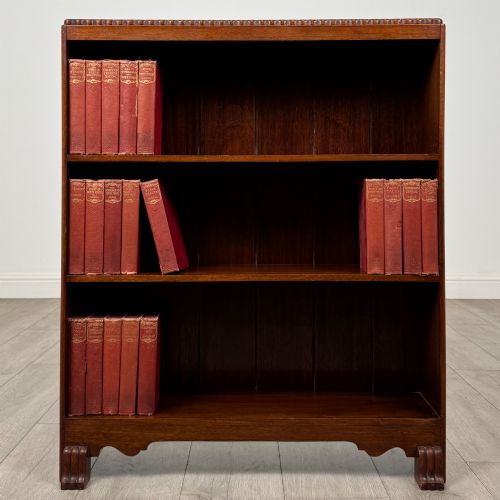
Carved wooden shelving encompasses open bookcases, wall brackets, corner whatnots, and etageres designed for display and storage. Buyers seeking carved wooden shelving regularly encounter Victorian and Edwardian open bookcases fitted with adjustable shelves.
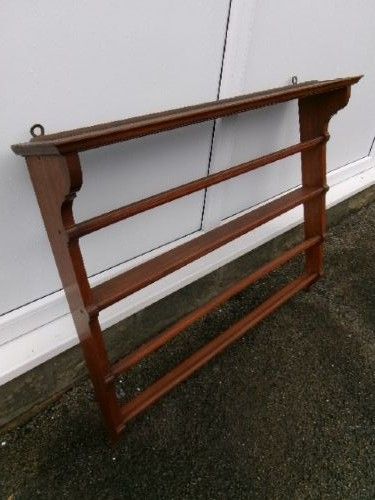
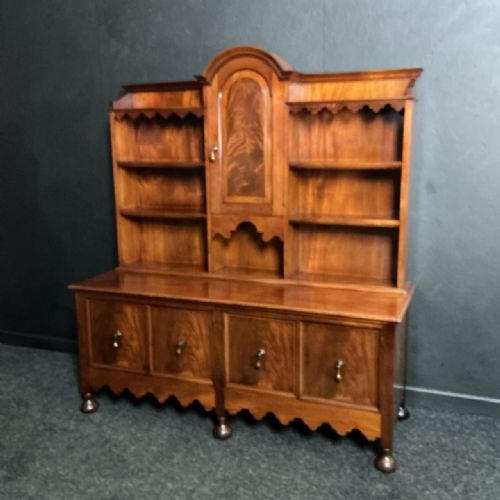
Smaller formats include wall-hanging shelves, decorative mirrors with integrated shelves, and corner units originating from the nineteenth and early twentieth centuries. Pieces range from modest oak units to large breakfront library bookcases and continental library bookcases.
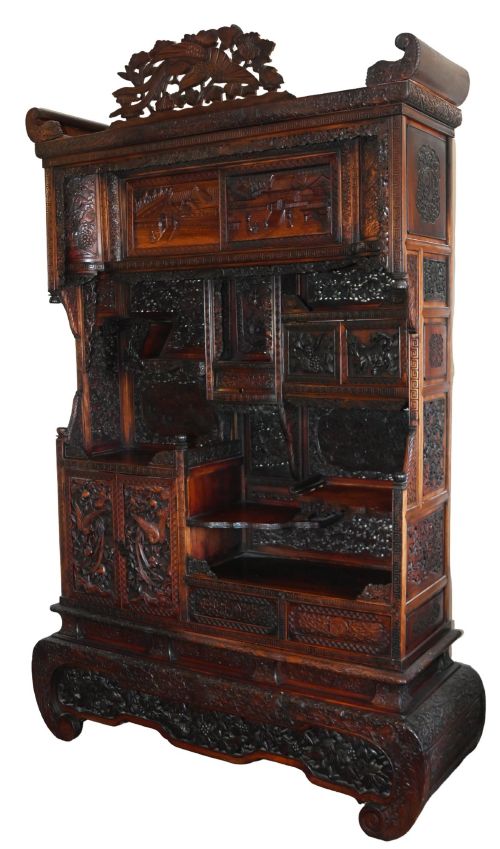
Regional and stylistic variations span Anglo-Indian padauk shelves, French walnut etageres, Sorrento inlaid olive wood corner shelves, and Japanese Meiji period cabinets. These diverse forms provide functional storage tailored to books, ornaments, and display items.
Materials and construction methods
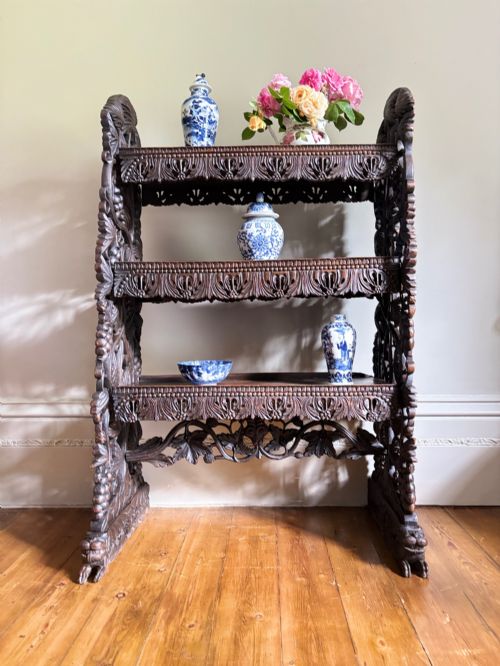
Construction relies heavily on solid hardwoods including mahogany, oak, walnut, teak, and padauk, frequently complemented by flame mahogany veneer, burr walnut, and pine. Artisans utilised traditional joinery alongside hand-carved ornamentation to shape structural frames and decorative brackets.
Surfaces feature hand-carved detailing, turned legs, inlaid marquetry, and occasional hand-painted decoration. Brass hardware and glass elements appear alongside structural wood, while adjustable shelf mechanisms allow functional adaptability in larger bookcases.
Carved Wooden Shelving Retail Price Guide 2026
Typical asking prices for carved wooden shelving among the pieces listed under this phrase on Sellingantiques today, from the lower quarter to the upper quarter. They describe what is for sale here now, not the wider market.
Indicators of quality
Quality rests upon the selection of timber, the depth and crispness of carved wooden details, and the integrity of structural joinery. Solid hardwoods and finely figured veneers demonstrate superior material selection compared to simpler secondary timbers.
The sophistication of decorative elements, such as inlaid motifs, hand-painted flourishes, and sculptural corbels or cherubs, separates standard utility furniture from finer artistic pieces. Intact original fittings, functioning adjustable shelving mechanisms, and stable overall construction determine lasting worth.
The Carved Wooden Shelving Glossary
- Whatnot
- A moveable piece of furniture with several open shelves for displaying small objects. They typically date from the Victorian period and often feature corner designs.
- Etagere
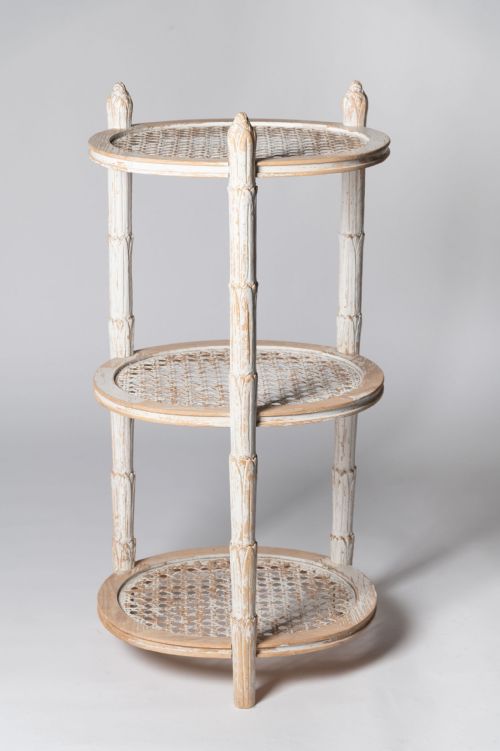
- A set of open shelves for displaying ornaments, usually standing on slender turned legs. French examples frequently showcase fine walnut construction.
- Breakfront
- A large cabinet or bookcase where the central section projects forward from the flanking wings. This format appears in substantial nineteenth-century library pieces.
- Padauk
- A dense, heavy tropical hardwood prized for its rich colour and durability. Anglo-Indian examples from the nineteenth century frequently utilise this material.
- Inlay
- A decorative technique where pieces of contrasting wood or other materials are fitted into the surface. Sorrento pieces often display intricate olive wood marquetry.
Carved Wooden Shelving: Frequently Asked Questions
How do I style carved wooden shelving?
Pair open bookcases and wall shelves with books, ceramics, and framed photographs to balance utility with display. The varied depths and compartments of Victorian and Edwardian pieces accommodate collections of different scales.
Allow the natural timber grain and carved details to remain the focal point of the room. Wall-hanging brackets and corner whatnots work effectively in compact spaces to draw the eye upward.
Are shelves usually adjustable?
Many nineteenth and twentieth-century open bookcases feature adjustable shelving systems. This allows users to alter shelf heights for varying book sizes.
Fixed shelves remain common in specific formats like wall brackets, corner whatnots, and smaller etageres. Check individual descriptions for adjustable mechanisms before planning your storage arrangement.
How do I date an oak bookcase?
Dating relies on stylistic markers, construction methods, and timber characteristics. Victorian and Edwardian oak pieces often feature solid backs, hand-carved mouldings, and specific joinery techniques.
Compare the hardware, such as brass screws or hinges, alongside the presence of factory production marks versus hand-finished elements to establish the manufacturing era.