

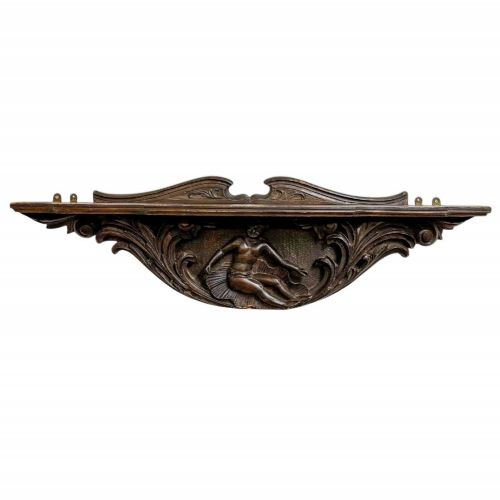


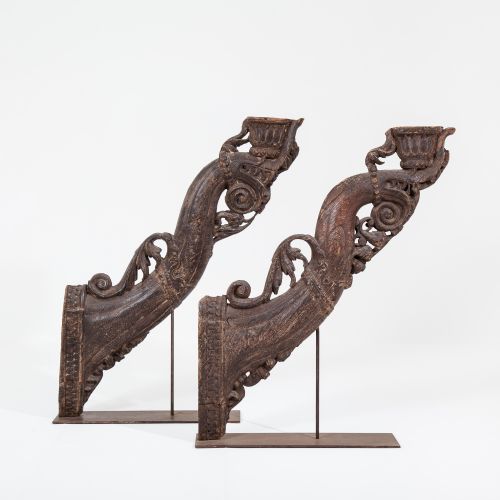

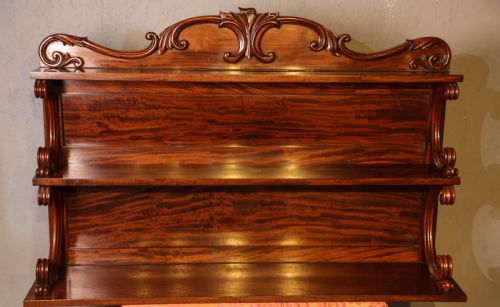

Carved Wooden Shelf Bracket
These carved wooden shelf bracket examples range from 18th-century architecture to Victorian walnut and decorative wall displays, offering architectural support with traditional craftsmanship.
Carved Wooden Shelf Bracket
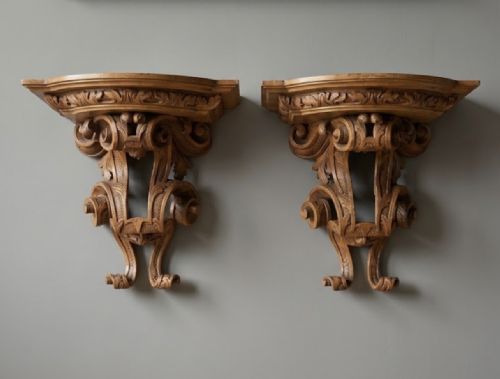
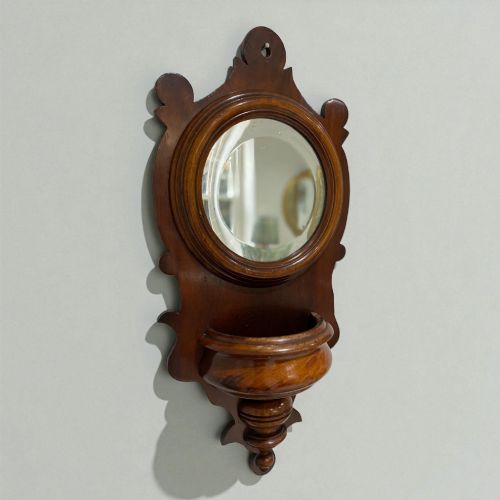
When you search for a carved wooden shelf bracket, you find architectural supports, wall display brackets, and corner shelves designed to hold objects or project from a wall. The pieces appearing here span the eighteenth century, the Victorian period, and the early twentieth century.
The selection includes matched pairs of carved corbels, Italian gilded items, and Anglo-Indian or Burmese wall shelves alongside architectural salvage. Walnut, oak, mahogany, and pine feature prominently among the various woods utilised across these forms.
Buyers meet items ranging from small decorative wall brackets to large architectural pieces intended for substantial displays. Styles stretch from Baroque Revival and Italian Rococo to Art Deco and Black Forest carving.
How they were made
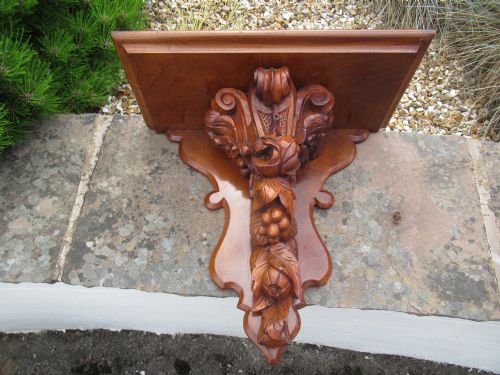
Carvers shaped these brackets from solid timbers such as walnut, oak, mahogany, and limewood using traditional hand tools. Many items incorporate applied gesso, gold leaf, or ebonised finishes to achieve surface decoration.
Inlaid examples employ contrasting woods like olive wood and exotic hardwoods, whilst other pieces rely entirely on deep relief carving to define figures such as cherubs, lions, and foliate motifs.
The listings here feature timber species including mahogany, walnut, oak, rosewood, padouk, and limewood across various centuries.
What varies in quality
The depth and crispness of the hand-carving separate standard utility brackets from exceptional artistic pieces. Crisp undercut foliage and expressive figural work distinguish the finest examples of the carver's skill.
The choice of timber and the preservation of original gilt, walnut, or mahogany surfaces determine the desirability of each piece. Matched pairs with intact architectural proportions command stronger interest than single survivors or altered items.
Luigi Frullini·Connell of London·Piggin Norwich·J Kingerley Manchester·Funnell of Brighton·Lenzkirch
The Carved Wooden Shelf Bracket Glossary
- Corbel
- A projecting bracket of stone, wood, or metal supporting a weight. In woodwork, it often takes the form of an ornate scroll or figural carving.
- Gesso
- A plaster-like mixture applied to wood as a base for gilding or painting. It provides a smooth surface for laying gold leaf.
- Fusee
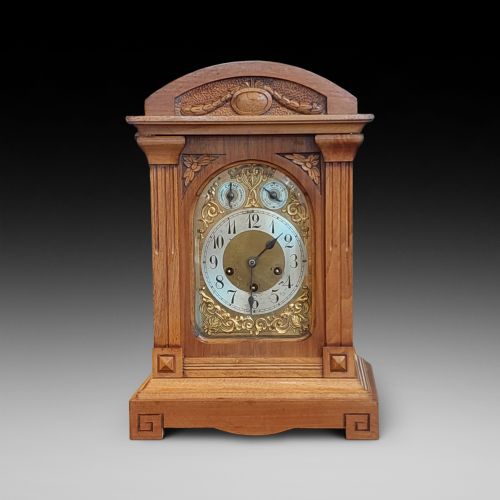
- A conical pulley used in clock movements to maintain equal power as the mainspring unwinds. Many better bracket clocks utilise this mechanism.
- Ormolu
- Gilded bronze mountings applied to furniture and clock cases. They appear on various decorative items from the eighteenth and nineteenth centuries.
- Pediment
- A triangular or curved architectural gable placed over doors or windows. Some surviving timber examples incorporate an integral shelf.
Carved Wooden Shelf Bracket: Frequently Asked Questions
How do I hang a heavy wooden bracket safely?
Heavy carved brackets require sturdy wall fixings anchored directly into studs or masonry rather than plaster alone. Most architectural examples feature built-in hanging slots or screw holes designed for secure load-bearing support.
Ensure the weight distribution aligns with the projection of the shelf to prevent structural strain over time.
Are these brackets strong enough to hold books?
Larger solid wood and oak corbels easily support heavy volumes when properly installed. Lighter decorative wall brackets suit small ornaments, clocks, or display plates rather than library loads.
Check the timber thickness and the integrity of the backplate before placing heavy items on any vintage shelf.
How do I clean antique carved wood?
Dust intricate carvings gently with a soft-bristle brush to remove surface particles without damaging the aged patina. Avoid liquid polishes and chemical cleaners that can soften original wax or lift delicate gesso.
Apply a microcrystalline wax sparingly if the timber appears dry, buffing it out thoroughly after application.
How do I date a Victorian wall bracket?
Examine the tool marks, timber selection, and fastening methods visible on the reverse of the piece. Machine-cut screws generally point to later nineteenth-century production, whilst hand-forged fixings suggest earlier origins.
Stylistic cues such as aesthetic movement ebonising or heavy Gothic Revival motifs also help narrow down the decade of manufacture.