



Carved Wooden Model Horse
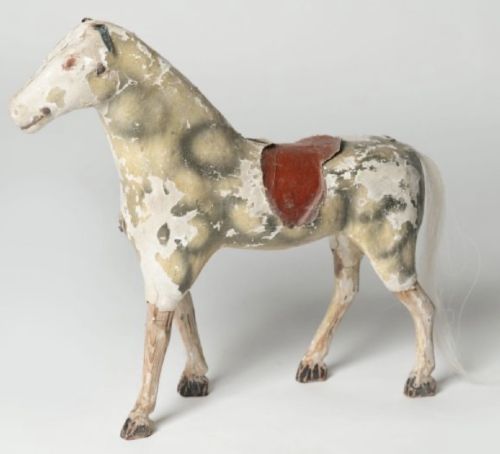
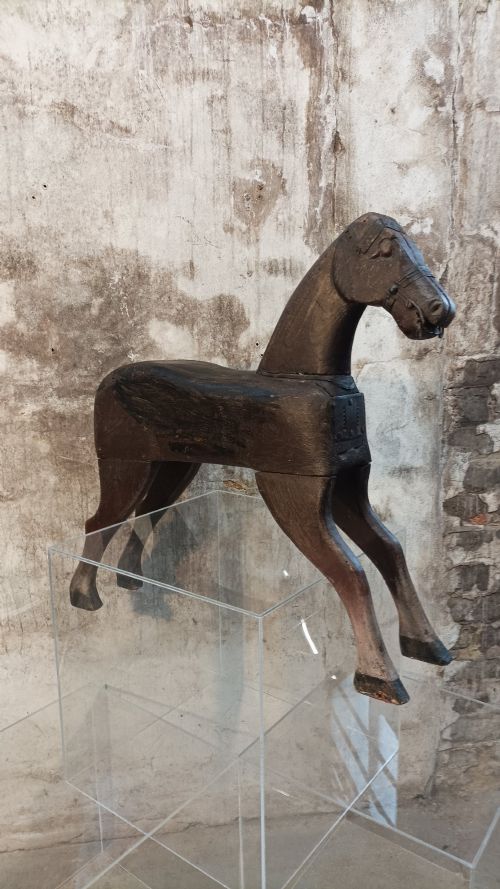
These carved wooden model horse figures range from naive folk art toys to large processional sculptures.
Carved Wooden Model Horse
A carved wooden model horse is a sculptural representation of an equine subject, created primarily in wood during the nineteenth and early twentieth centuries. These figures encompass folk art naive toys, artists' models, and decorative sculptures reflecting diverse cultural origins.
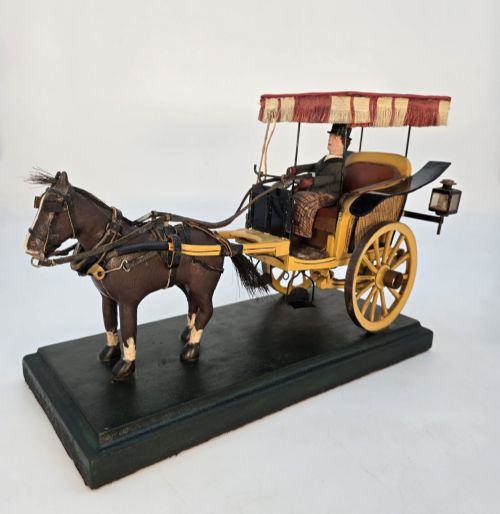
Buyers browsing this selection will frequently encounter nineteenth-century European pieces alongside specific regional traditions such as Russian folk art and Indo-Persian woodcarvings. Forms range from standalone sculptures and rocking horses to horse-drawn carriages and pack animals.
The objects serve as decorative sculptures and historical folk art models, utilising materials that often include applied paint, gesso, and horsehair. Their presence bridges domestic toy production and traditional regional craft.
How they were made
Makers shaped these horses using traditional woodworking techniques, often carving solid blocks of hardwood or softwood into equine forms. Many pieces receive a surface layer of gesso before being finished with hand-applied paint.
Makers incorporated additional elements such as genuine horsehair for manes and tails, alongside leather tack and metal iron components. Scratched or carved details emphasise the musculature and harness fittings of the animals.
Carved Wooden Model Horse Retail Price Guide 2026
Typical asking prices for carved wooden model horse among the pieces listed under this phrase on Sellingantiques today, from the lower quarter to the upper quarter. They describe what is for sale here now, not the wider market.
One exceptional model depicts a Paris chaise carriage complete with a driver, signed and dated by its maker in 1928.
What varies in quality
Quality in these carvings rests upon the anatomical proportion and expressiveness achieved by the maker, distinguishing naive works from accomplished sculptural studies. Finer examples retain their original painted surfaces and applied horsehair without extensive overpainting.
The complexity of the form influences the piece, separating simple standalone toys from elaborate scratch-built carriage models or large processional horses. The integrity of the carved wooden substrate and the preservation of early surface finishes dictate the desirability of each object.
The Carved Wooden Model Horse Glossary
- Folk art
- Objects created within a traditional community culture, often by self-taught makers using local materials. These pieces prioritize utilitarian or expressive function over academic artistic conventions.
- Gesso
- A plaster-like mixture applied to wooden surfaces to prepare them for painting or gilding. It provides a smooth base that accepts polychrome decoration.
- Troika
- A traditional Russian vehicle pulled by three horses abreast, frequently depicted in carved wooden folk art. The subject highlights regional carving traditions, notably from Bogorodskoe.
- Artists' model
- An articulated or static sculptural figure used by painters and sculptors to study form, proportion, and shadow. These objects prioritize anatomical accuracy for studio use.
Carved Wooden Model Horse: Frequently Asked Questions
What are carved wooden model horses?
These pieces are three-dimensional representations of horses produced in wood, spanning folk art toys, decorative sculptures, and artists' studio models. They reflect international carving traditions from the nineteenth and early twentieth centuries.
They capture domestic, ceremonial, and working animals through regional craft techniques, often finished with paint, leather, and horsehair.
How were carved wooden horses used?
Many of these objects functioned as children's toys, rocking horses, or decorative sculptures displayed within domestic interiors. Others served as practical studio aids for artists studying equine anatomy.
Larger processional or carriage models were created as decorative showpieces or representations of specific cultural transport methods.
How do I live with a wooden horse?
Place these sculptures away from direct heat sources and strong sunlight to protect fragile painted surfaces and natural horsehair manes. Stable shelving or dedicated cabinet space keeps them secure.
Dust them gently with a dry, soft cloth and avoid chemical cleaning agents that might harm historical gesso and pigment layers.
How do I tell periods apart?
Nineteenth-century examples often display simpler folk art construction and heavily worn polychrome surfaces. Pieces from the early twentieth century, such as those from the 1920s, may incorporate more complex mechanical elements or refined leatherwork.
Examining tool marks, underlying wood types, and the composition of surface paint helps establish the likely era of creation.