


Carved Folk Art Horse
These carved folk art horse figures combine vernacular craftsmanship with spirited character, offering collectors genuine touches of historical domestic life.
Carved Folk Art Horse
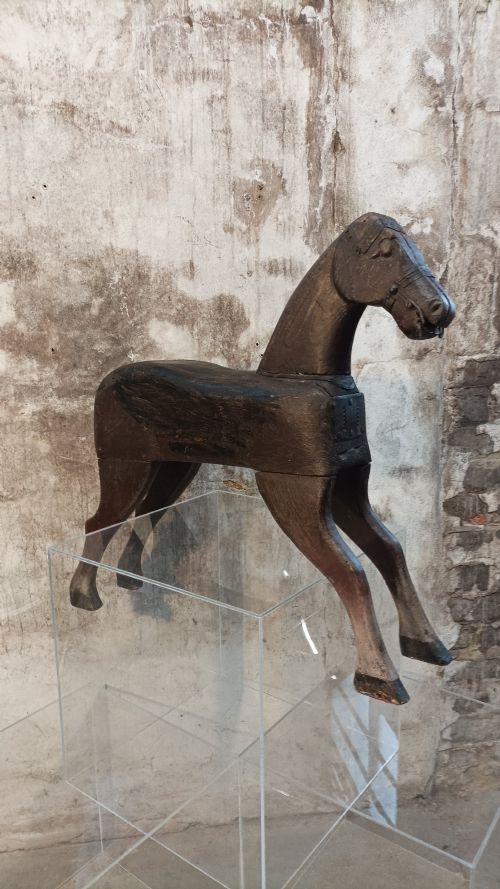
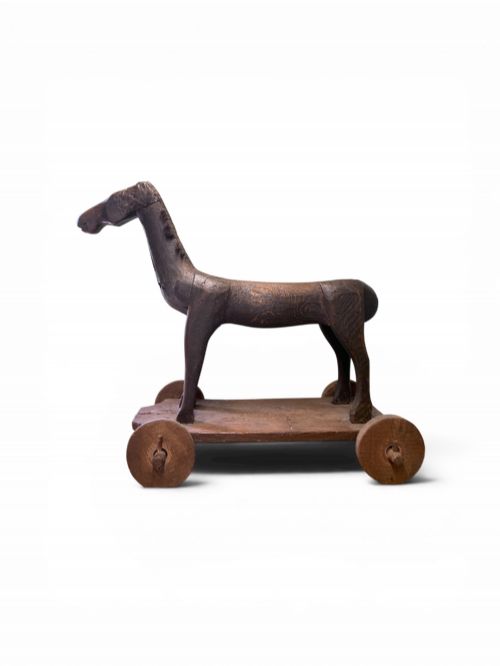
A carved folk art horse represents an intersection of vernacular craft, utilitarian purpose, and imaginative sculpture spanning the eighteenth, nineteenth, and early twentieth centuries. These pieces emerge from diverse traditions, including regional European toy making, fairground carousels, and domestic woodcarving.
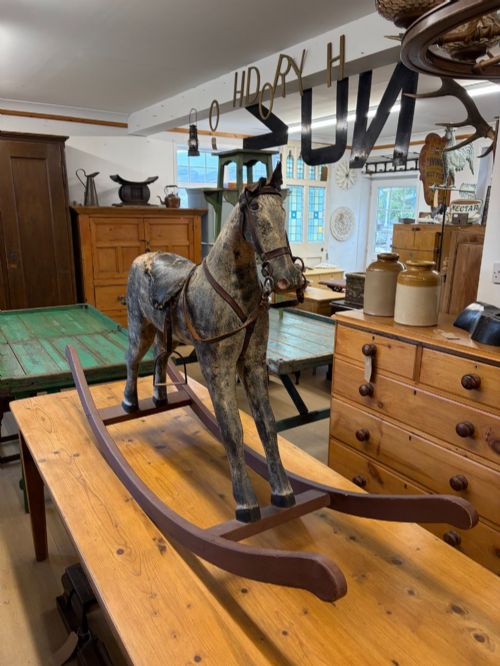
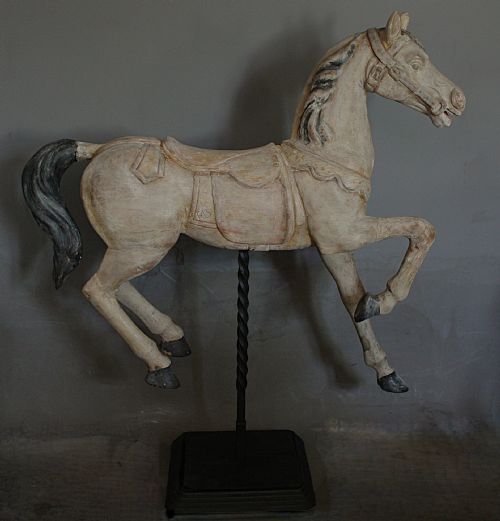
The version most commonly encountered on this page is the nineteenth-century wooden rocking horse or standalone sculpture, frequently found bearing traces of original paint or natural wood patination. Alongside large-scale carousel figures and rocking horses, buyers find smaller decorative models, snuff boxes, and household implements featuring equine motifs.
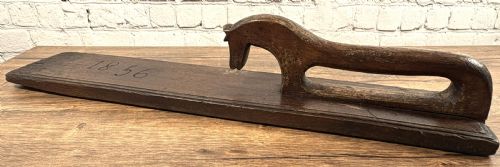
Geographic origins vary widely across the selection, encompassing French, Scandinavian, Spanish, Russian, and Indian pieces. Each region imparts distinct stylistic traits, from the robust simplicity of Scandinavian mangle boards with carved horse head handles to intricate Indian and Indo-Persian processional carvings.
Materials and construction methods
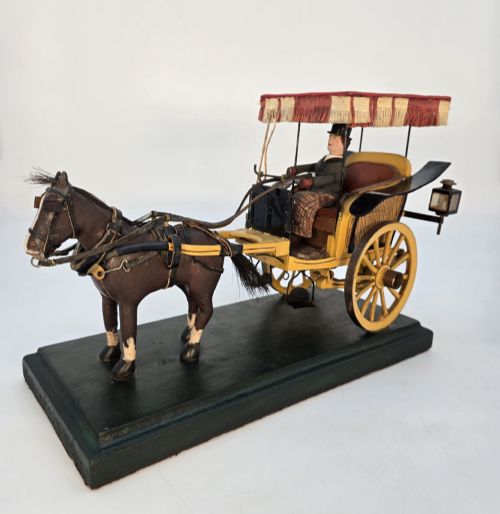
Makers primarily utilised available local timbers such as pine, oak, and various hardwoods, shaping them with hand tools to achieve solid sculptural forms. Construction ranges from substantial carved rocking horses and carousel figures to smaller scratch-built models and functional objects like gingerbread moulds.
Surface finish is integral to these pieces, with many examples retaining original paintwork, horsehair details, iron fixtures, and leather harness elements. The interplay between bare or patinated wood and historic pigment layers defines the tactile appeal of each carving.
Object types include rocking horses, fairground figures, snuff boxes, mangle boards, and architectural panels.
Determining quality and character
Quality in a carved folk art horse rests upon the expressive vigour of the carving and the integrity of its surface patination. Pieces that retain their original untainted paint surfaces or deep, natural wood weathering command greater interest from discerning collectors.
Proportion and the maker's success in capturing the anatomical spirit of the animal outweigh mere technical refinement. Naive, untutored execution often yields a more compelling artistic statement than rigid academic accuracy.
Bayol·Bogorodskoe Carving
The Carved Folk Art Horse Glossary
- Folk art
- Items produced by self-taught or vernacular artisans, often serving domestic, decorative, or utilitarian functions without academic training. This tradition prioritises direct expression over formal artistic rules.
- Mangle board
- A traditional Scandinavian wooden domestic ironing tool typically finished with a carved handle in the shape of a horse head. These functional boards double as courtship gifts displaying intricate chip carving and dates.
- Carousel horse
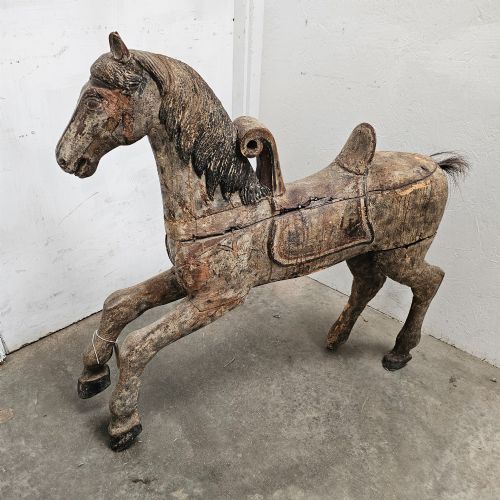
- A large carved wooden figure designed for fairground rides, notable for dynamic poses and decorative harness details. These pieces often exhibit layered historic paint schemes from decades of working use.
- Primitive
- A descriptive term for early or vernacular objects lacking sophisticated academic technique but possessing raw aesthetic power. Such pieces display straightforward construction methods using basic hand tools.
- Original paint
- The first decorative pigment layer applied to an object, preserved beneath subsequent coats or general wear. The survival of this primary surface significantly enhances the historical value of wooden carvings.
Carved Folk Art Horse: Frequently Asked Questions
How do I date an old wooden horse?
Dating relies on tool marks, timber types, style, and the composition of any remaining paint layers. Historic joinery and natural patination also offer reliable clues to an object's age.
Examining comparative examples helps anchor pieces within specific centuries, though vernacular work often resists rigid chronological categorisation due to traditional methods persisting across generations.
Were these carousel horses actually used?
Many carousel and fairground figures served active roles on travelling rides before retirement into private collections. Their heavy wooden bodies frequently show structural wear and multiple layers of working paint.
This history of active use distinguishes functional fairground carvings from static decorative models made purely for domestic display.
How should I care for painted wooden carvings?
Maintain stable indoor humidity and temperature levels to prevent the timber from splitting or historical paint from flaking. Keep pieces away from direct sunlight to preserve pigment integrity.
Dust gently with a dry, soft cloth and avoid applying modern chemical polishes or cleaning agents to historic wooden surfaces.
What is the difference between naive and primitive pieces?
Naive work typically suggests an untutored maker focusing on expressive form rather than correct anatomical proportion. Primitive points more broadly to early, simple construction methods using basic implements.
Both categories overlap considerably within vernacular sculpture, celebrating direct craftsmanship over academic convention.