




Carved Wooden Hanging Cabinet
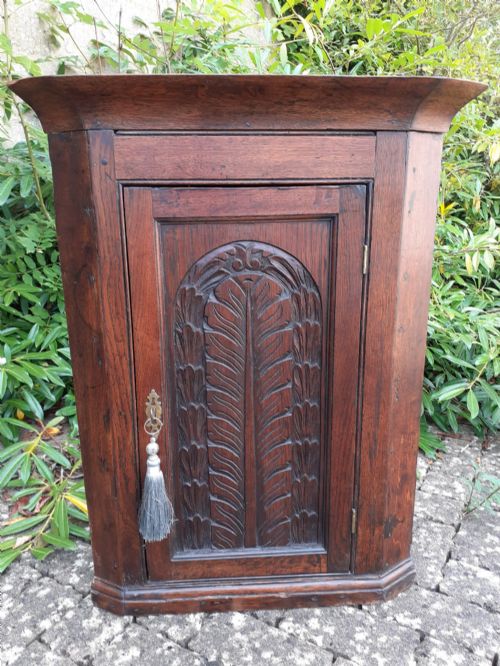
A carved wooden hanging cabinet brings centuries of craftsmanship onto the wall, offering compact storage with deep surface texture.
Carved Wooden Hanging Cabinet
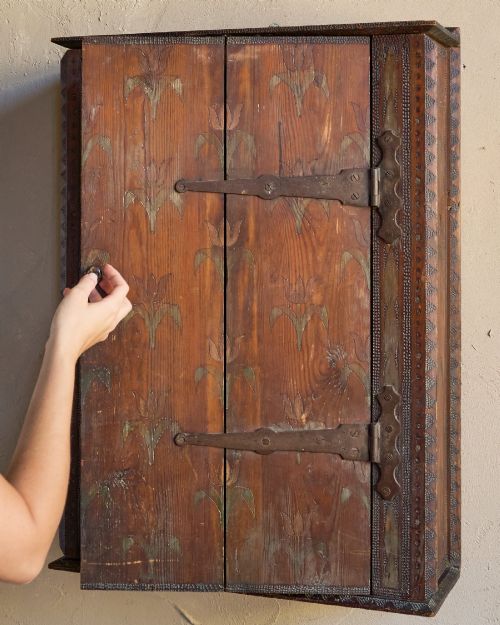
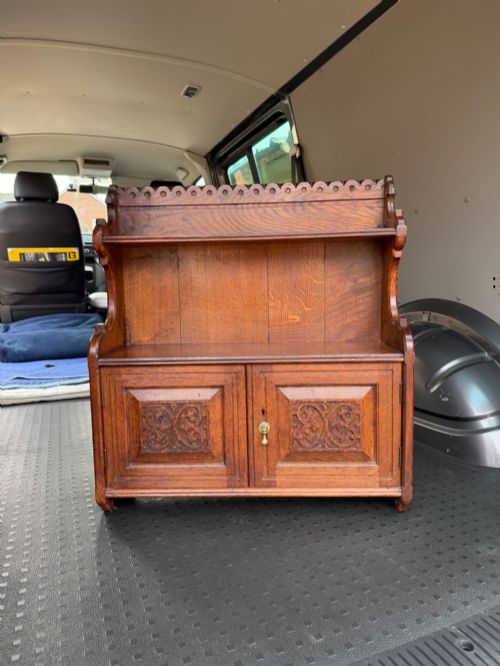
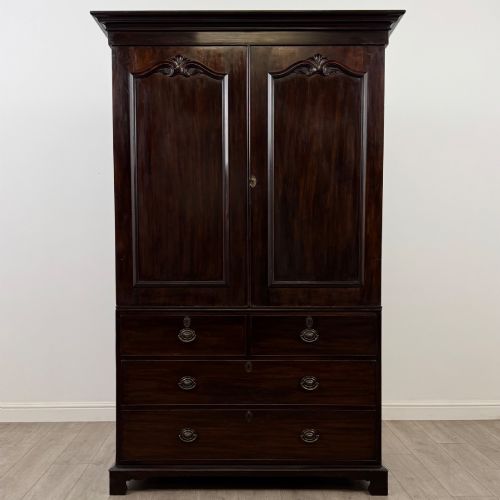
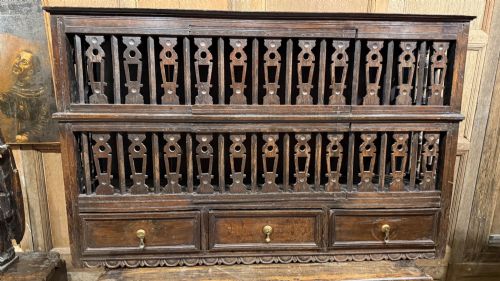
A carved wooden hanging cabinet provides wall-mounted storage through compact cupboards, corner units, and shelf assemblies. You will most frequently meet 19th-century and 18th-century examples shaped from solid oak.
These pieces range from austere 17th-century vernacular cupboards to elaborate Chippendale Revival and Arts and Crafts wall cabinets. The selection includes corner cupboards and architectural salvage adapted for domestic display.
Originating as practical storage for small valuables, spices, or documents, these hanging cabinets suit modern hallways, kitchens, and living spaces. Their compact projection makes them ideal for rooms where floor space remains at a premium.
How they were made
Makers shaped these cabinets primarily from oak, walnut, mahogany, and limewood, often enhanced with brass hardware and glass panels. Surfaces frequently display hand-applied pigment or traditional pokerwork detailing.
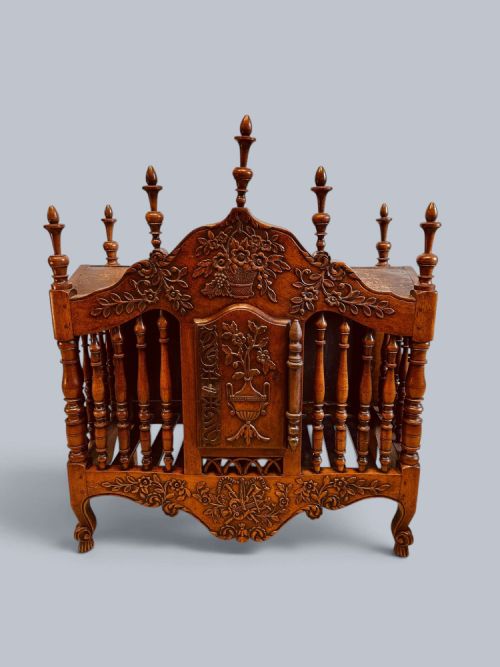
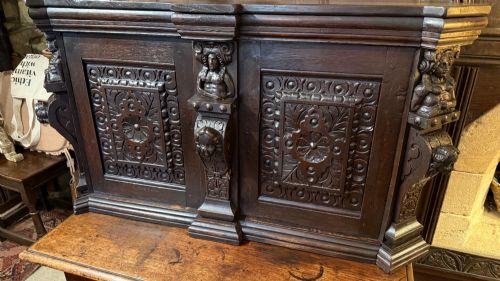
Construction relies on traditional joinery methods suited to weight-bearing wall furniture, combining panelled doors with sturdy mounting points. Carving is executed directly into the solid timber substrate, ranging from simple geometric incisions to deep relief work.
Carved Wooden Hanging Cabinet Retail Price Guide 2026
Typical asking prices for carved wooden hanging cabinet among the pieces listed under this phrase on Sellingantiques today, from the lower quarter to the upper quarter. They describe what is for sale here now, not the wider market.
The listings span seven distinct historical periods, running from the 17th century up to 1910.
What varies in quality
Quality rests in the crispness of the timber carving and the architectural proportion of the cabinet frame. Pieces with deeply articulated mouldings and untouched original surfaces stand apart from simpler utilitarian boxes.
The integrity of the original hinges, brasses, and glass panes determines the overall standard of preservation. Finer examples exhibit harmonious timber selection across the door panels and structural carcase.
The Carved Wooden Hanging Cabinet Glossary
- Corner Cupboard
- A cabinet specifically constructed with a triangular cross-section to fit neatly into the corner of a room.
- Pokerwork
- A decorative technique using heated metal tools to burn designs into a wood surface, seen on Arts and Crafts pieces.
- Limewood
- A fine-grained, pale timber favoured by carvers for its ability to hold intricate, delicate detail without splintering.
- Architectural Salvage
- Building elements or fittings rescued from older structures and repurposed as functional home furnishings.
Carved Wooden Hanging Cabinet: Frequently Asked Questions
How do I hang a heavy antique wooden cabinet safely?
These cabinets require secure fixing directly into masonry or through timber studs using appropriate load-bearing brackets.
Because original hanging points may be worn, inspect the internal backboards before mounting any wall furniture.
What periods do these wall cabinets come from?
The available selection spans from the 17th century through the Victorian, Edwardian, and Arts and Crafts eras.
Earlier pieces show simpler vernacular construction, while later revivals incorporate specific historical motifs from Georgian and Jacobean styles.
Where were hanging cabinets used in older homes?
They typically served in hallways, dining rooms, and bedrooms for storing small personal items, keys, or glassware.
Corner versions made efficient use of awkward junctions in smaller rooms without encroaching on floor space.
How do I tell an 18th-century cabinet from a later revival?
Examine the construction marks, timber shrinkage, and hand-cut joinery visible on the interior and backboards.
Revival pieces from the Victorian era often feature machine-sawn components and different finishing techniques compared to earlier examples.