


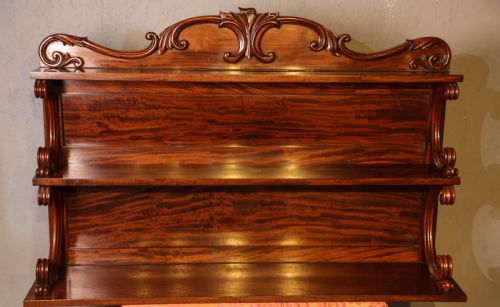


Dark Wood Wall Unit
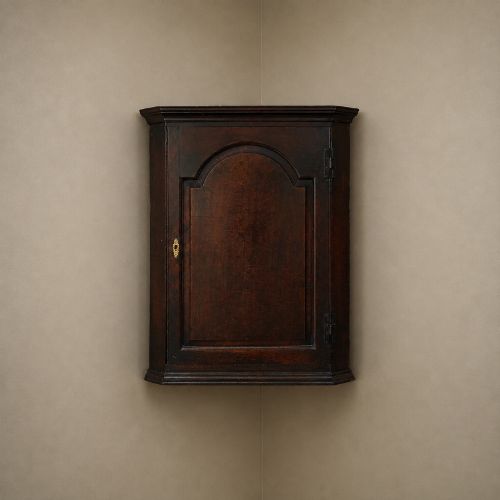
A dark wood wall unit combines practical storage with period character, offering corner cupboards, hanging shelves, and cabinets in mahogany, oak, and walnut.
Dark Wood Wall Unit
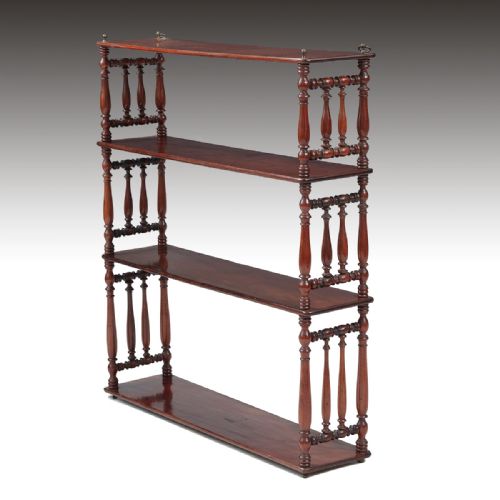
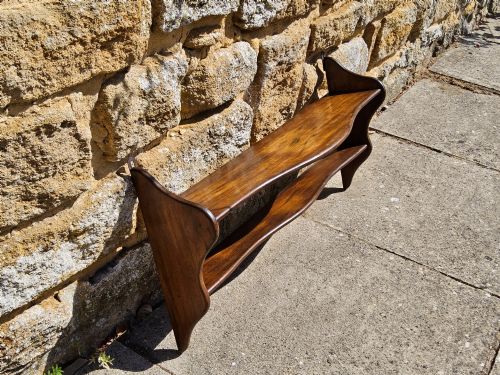
A dark wood wall unit spans several practical forms designed to utilise vertical space, most commonly appearing as hanging shelves, corner cupboards, and wall cabinets. These pieces serve to display books and ceramics or conceal small items while keeping floor space entirely clear.
The selection ranges widely across centuries, drawing heavily on Georgian, Victorian, and Regency periods alongside Edwardian revivals. Oak and mahogany dominate the older examples, while walnut and pine appear across later nineteenth and early twentieth century pieces.
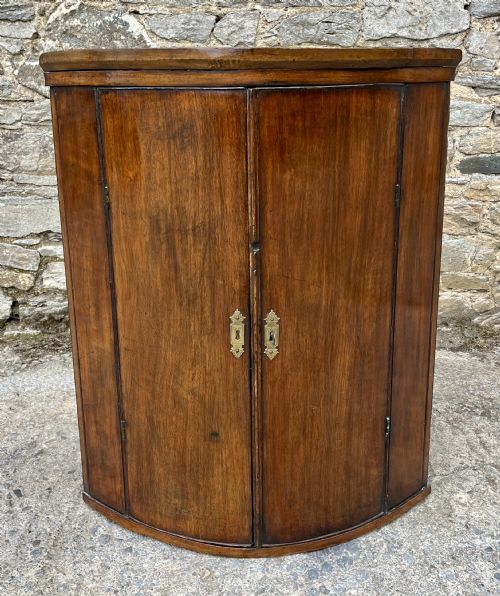
Corner cupboards and hanging shelves represent the core of what is available under this description. Buyers frequently encounter solid timber or veneered surfaces fitted with brass hardware, glass panels, or decorative inlays.
How they were made
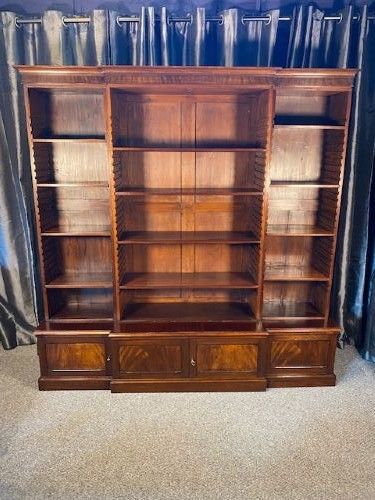
Cabinet makers built these pieces using solid hardwoods like mahogany and oak, frequently applying flame mahogany veneer to prominent surfaces for added visual depth. Pine also appears as a secondary wood, particularly in the construction of interior carcases and backboards.
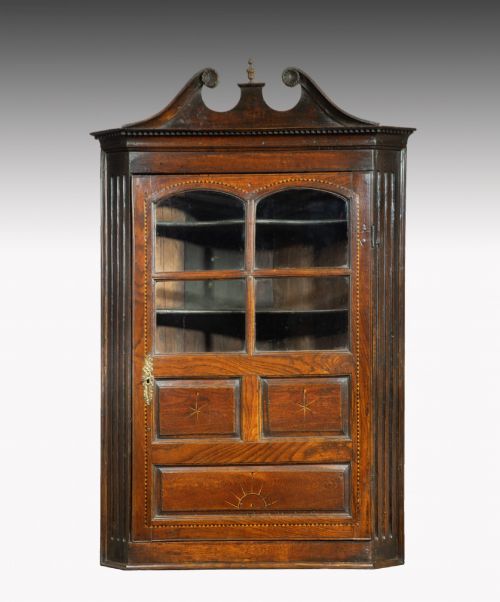
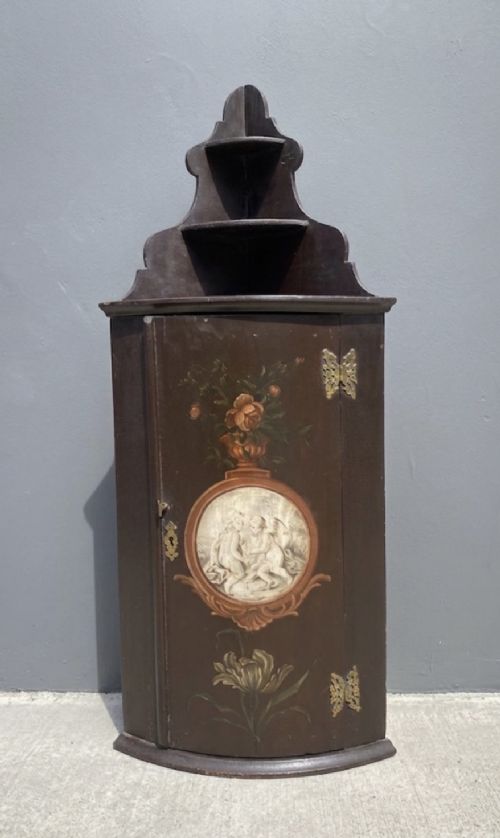
Joinery methods rely on traditional techniques suited to hanging and freestanding wall furniture, often incorporating brass hinges and escutcheons. Glazed doors feature individual panes held within wooden bars, while painted or inlaid details decorate specific Georgian and Victorian examples.
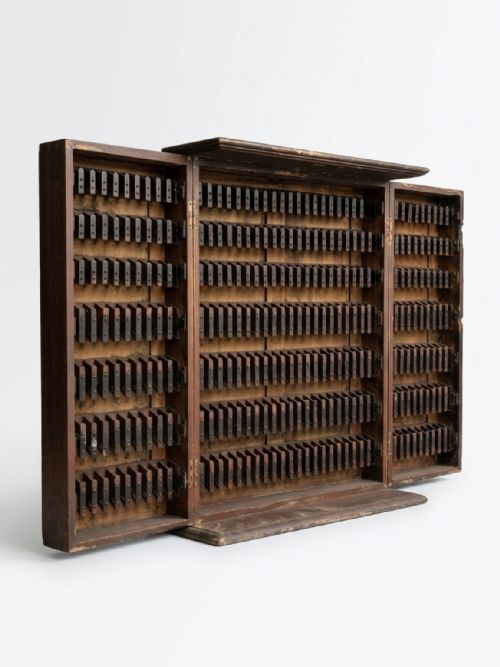
A nineteenth-century railway ticket cupboard offers an unexpected compartmented wall storage solution.
What varies in quality
The distinction between standard and superior pieces rests on the selection of timber and the crispness of architectural details such as pediments, mouldings, and carved inlays. Solid mahogany and finely figured walnut represent higher execution than simpler pine or heavily altered carcases.
Original hardware, including brass brackets and working locks with keys, elevates a piece significantly. Construction integrity in the joints and shelves dictates how well a wall-mounted unit supports weight over time.
The Dark Wood Wall Unit Glossary
- Pediment
- The decorative crowning structure above a cabinet or cupboard. Architectural examples sometimes feature broken arch designs.
- Tambour
- A sliding door constructed from narrow vertical strips of wood glued to a canvas backing. This mechanism appears on specific Georgian hanging cupboards.
- Escutcheon
- A protective plate surrounding a keyhole, usually fashioned from brass. These small brass fittings often help date the hardware of a cabinet.
- Veneer
- A thin layer of superior wood, such as flame mahogany, applied to a secondary timber base. This technique creates patterned grain surfaces on cabinet doors.
Dark Wood Wall Unit: Frequently Asked Questions
How do I hang an antique wall cabinet safely?
Wall-mounted units require secure fixing to structural studs or masonry using appropriate brackets that match the weight of the timber.
Older pieces often feature original hanging brackets or strap fixings on the backplate which must be inspected for strength before installation.
How do I care for mahogany and walnut wall furniture?
Apply traditional beeswax periodically to nourish the wood and maintain a soft sheen without building up heavy chemical layers. Avoid placing timber units in direct sunlight or near heat sources to prevent veneer lifting.
Dust regularly with a dry, soft cloth along the grain.
Are these wall units solid wood?
Many pieces feature solid oak, mahogany, or pine, particularly in earlier Georgian and Victorian examples. Later or high-style pieces frequently employ veneers over secondary woods to create decorative flame patterns.
Inspection of the interior and edges reveals the underlying construction method.