


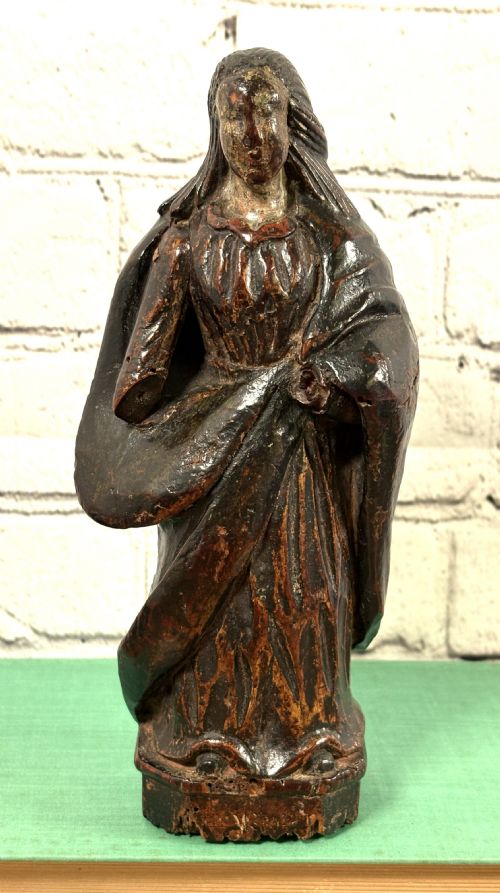

Carved Wooden Ecclesiastical Sculpture
Carved wooden ecclesiastical sculpture brings sacred history into a room, offering centuries of devotion through figures of saints, angels, and holy scenes.
Carved Wooden Ecclesiastical Sculpture
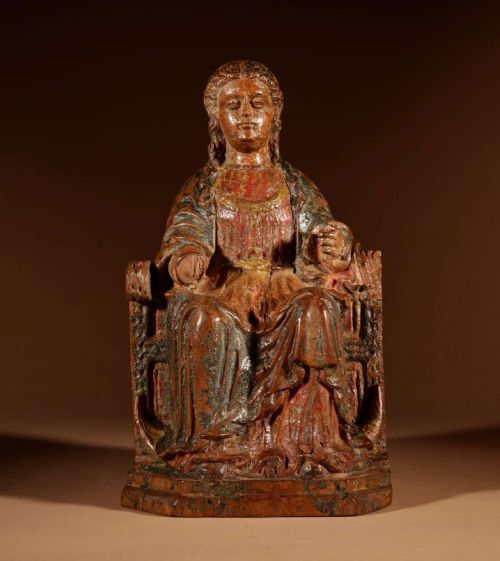
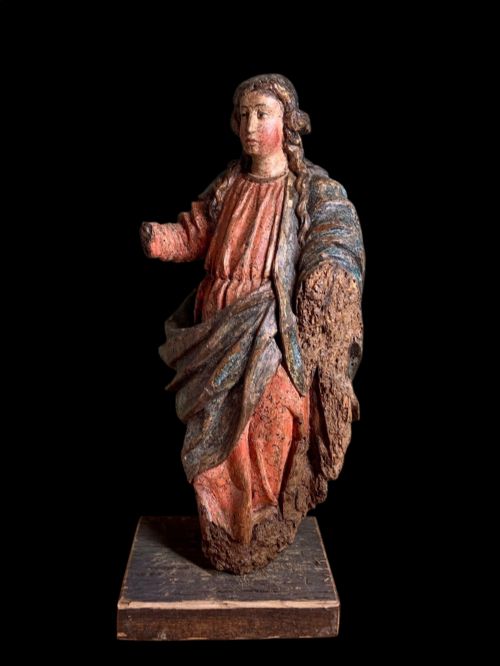
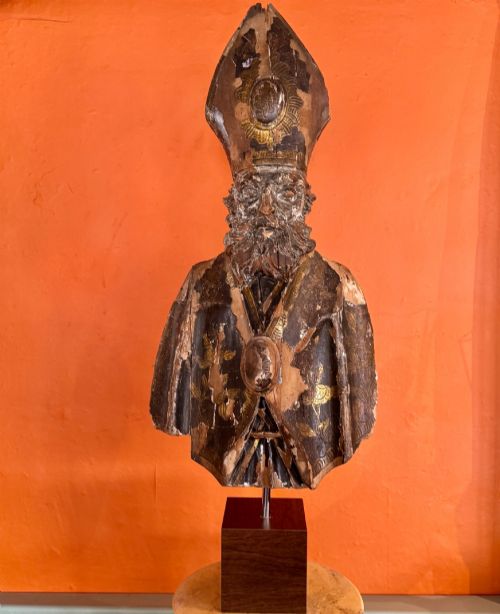
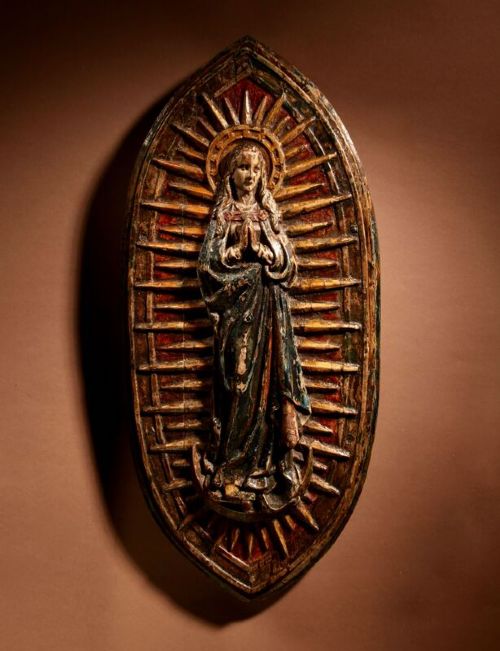
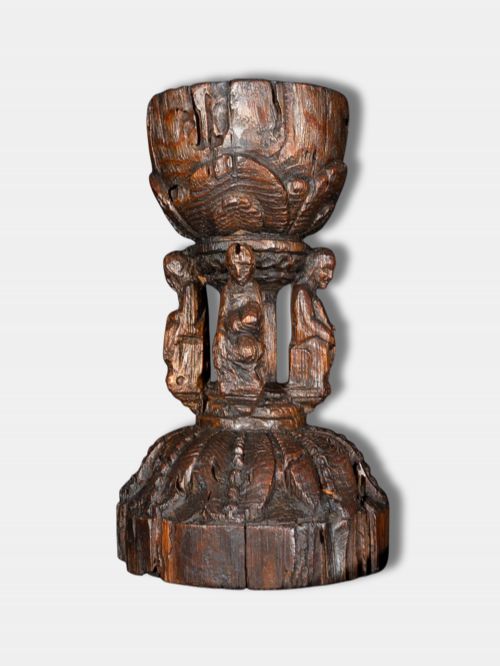
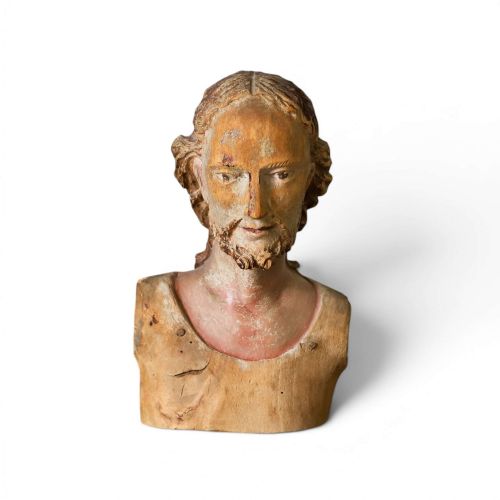
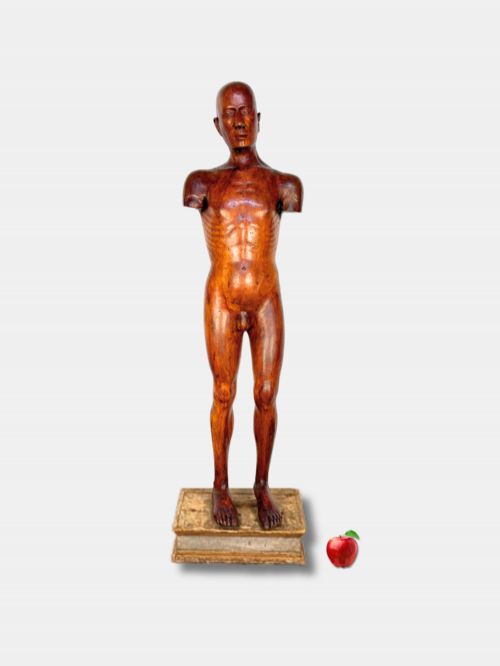
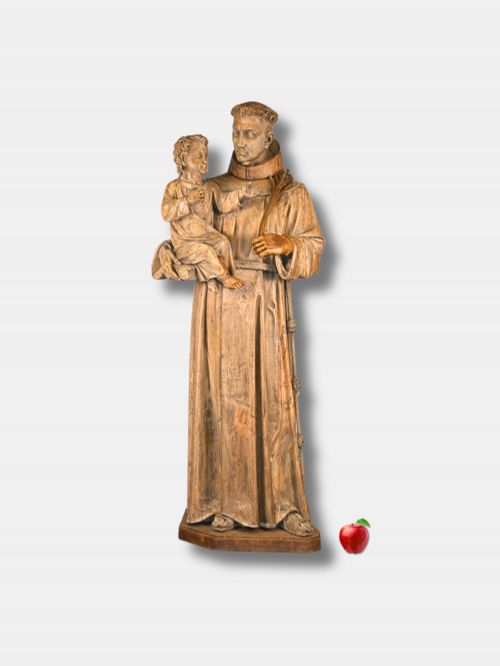
These items comprise religious figures, architectural fragments, and liturgical objects shaped from timber for sacred spaces. Search results centre upon representations of saints, the Virgin Mary, and Christ, originating from continental workshops across several centuries. Figures range from small devotional busts and single panels to life-size statues intended for altars and processional display.
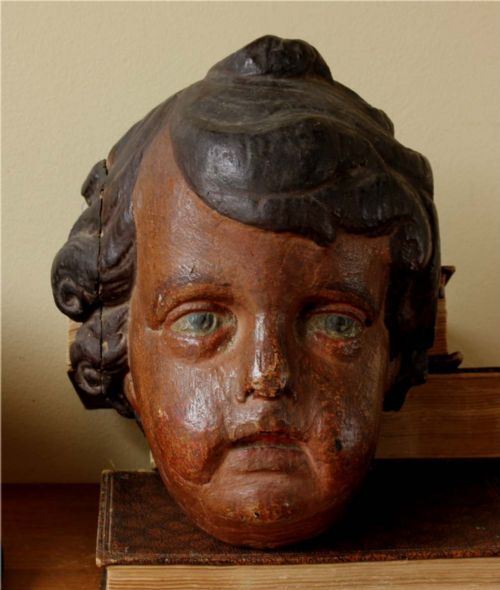
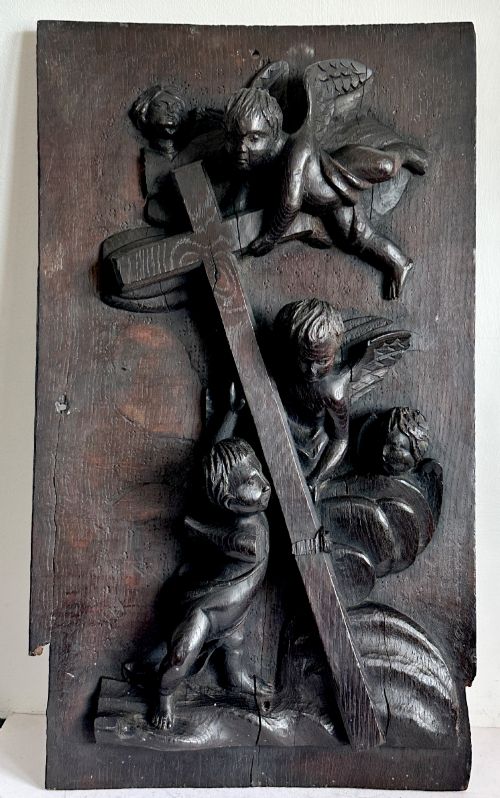
The material record spans from pre-sixteenth century fragments to nineteenth-century Gothic Revival pieces. Oak and walnut appear frequently in earlier panels and figures, while limewood and olive wood support intricate surface detail in continental examples. Pieces reflect Baroque, Renaissance, and Late Medieval stylistic traditions, capturing the changing aesthetics of European church art.
Materials and construction methods
Carvers utilised dense timbers such as oak, walnut, and limewood, selecting them for stability and grain texture. Woodworkers shaped forms using gouges and chisels before applying gesso layers to prepare surfaces for subsequent decoration.
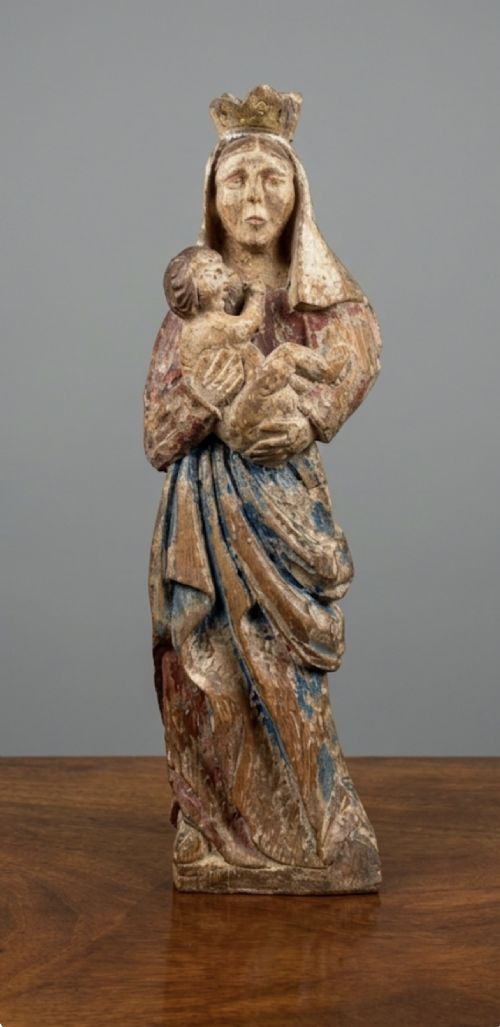
Many items retain their original polychrome paint schemes, utilising pigments alongside gold leaf and gesso. Gilding techniques applied metal leaf over prepared grounds, highlighting drapery folds and halo details on saints and angels.
Current listings feature oak, walnut, and limewood sculptures spanning the sixteenth to nineteenth centuries.
Factors determining quality
Preservation of original gesso, polychrome paint, and gold leaf significantly influences character. Intact pigment layers retain historical integrity, whereas extensive overpainting obscures the original tool work of the woodcarver.
The Carved Wooden Ecclesiastical Sculpture Glossary
- Polychrome
- Painted in several colours. This term describes wooden sculptures adorned with pigments to render lifelike flesh tones and garments.
- Gesso
- A plaster mixture used as a surface preparation. Artisans applied this substance to wood before adding paint or gold leaf.
- Corpus Christi
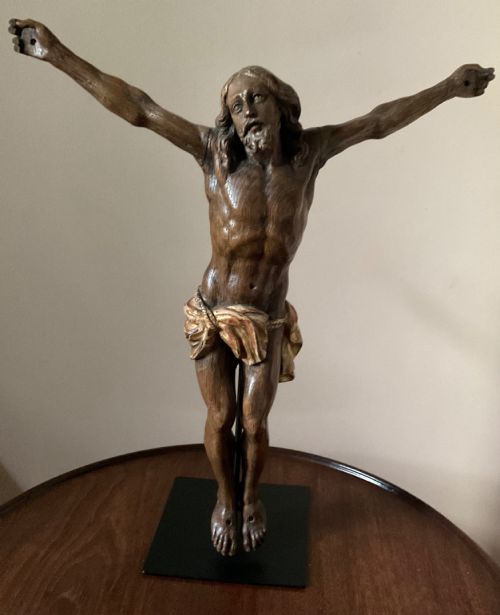
- An image of Christ on the cross. These wooden carvings focus on the figure without the cross structure itself.
- Putti
- Representations of small winged infants or cherubs. These motifs frequently appear on Baroque and Renaissance religious carvings.
- Altarpiece
- A structured artwork positioned above an altar. Central panels and architectural fragments often originated from these larger ecclesiastical installations.
Carved Wooden Ecclesiastical Sculpture: Frequently Asked Questions
Where were these wooden sculptures originally displayed?
These pieces formed part of altarpieces, rood screens, and devotional shrines within churches and monastic buildings. Many stood upon plinths or within architectural niches during liturgical services.
Over subsequent centuries, examples transitioned into private collections and secular interiors as architectural fashions and liturgical practices evolved across Europe.
How should I care for a wooden sculpture?
Maintain stable indoor humidity and temperature levels to prevent timber from splitting or warping. Avoid placing pieces near direct heat sources or in strong sunlight.
Dust gently with a dry, soft brush rather than using liquid polishes or chemical cleaners that might damage aged gesso and pigment layers.
How can I tell the period of a carving?
Examine the tool marks left by the carver, the grain and type of timber utilised, and the stylistic conventions of the drapery. Late medieval and Renaissance pieces often display distinct carving depths compared to later revival works.
Consider the remnant traces of gesso and polychrome paint, as older preparations exhibit characteristic ageing and craquelure consistent with centuries of existence.
What is a Santos figure?
A Santos figure represents a holy person, often carved from wood for devotional use in domestic or church settings. These statues frequently served in processions or seasonal displays.
Originating largely from continental traditions, they capture regional interpretations of saints and biblical figures through distinct regional carving styles.