

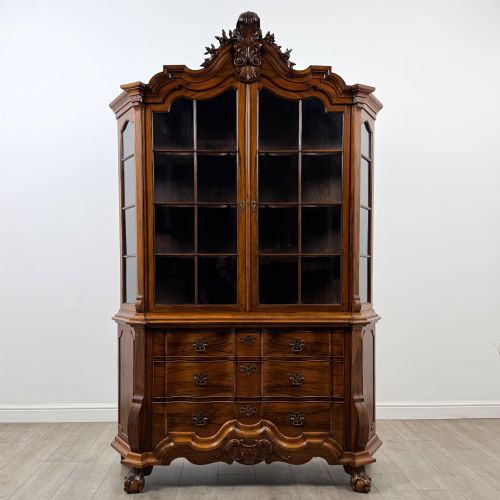
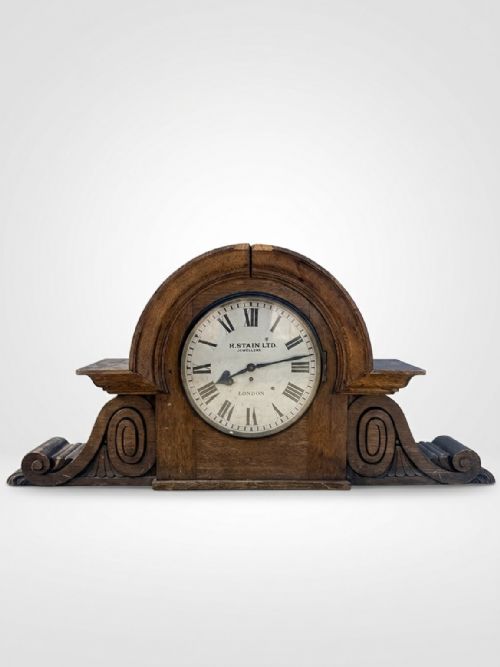
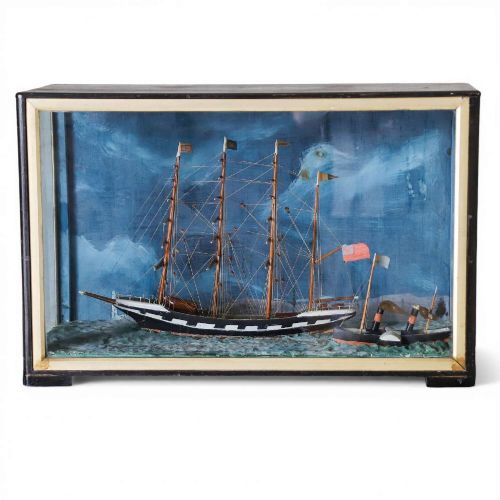


Carved Wooden Display Case
These carved wooden display case pieces gather timber and glass to hold objects safely, offering a clear view for anyone sorting through the collection.
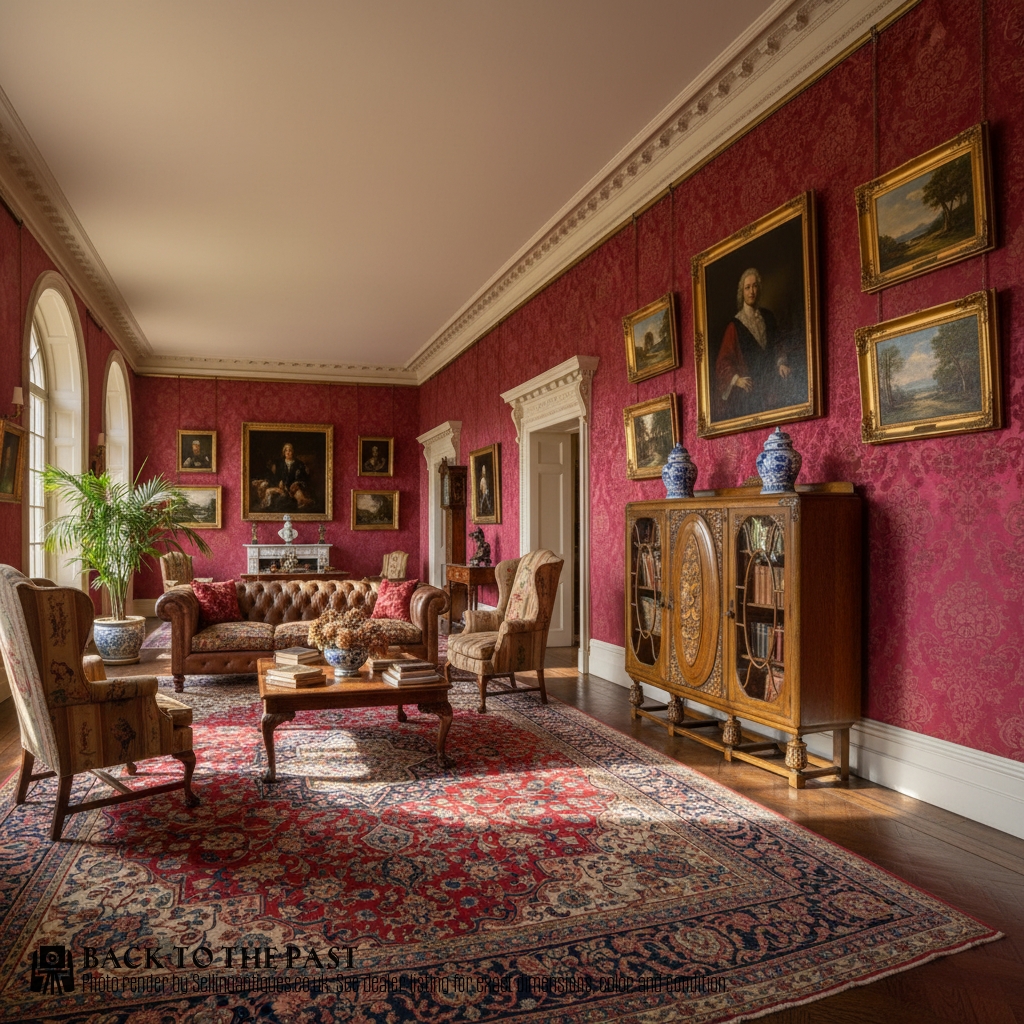
Carved Wooden Display Case
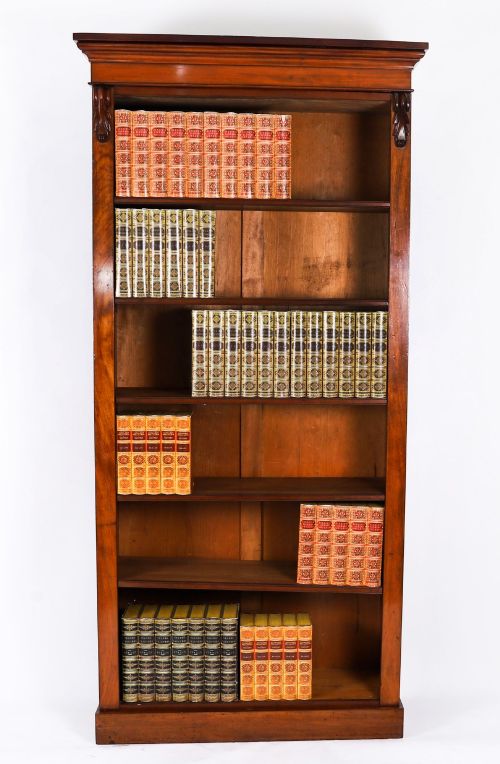
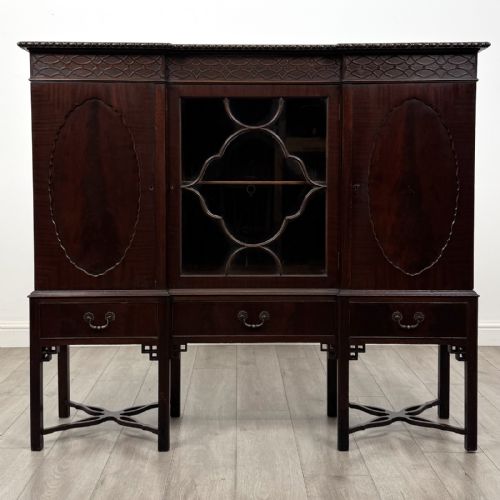
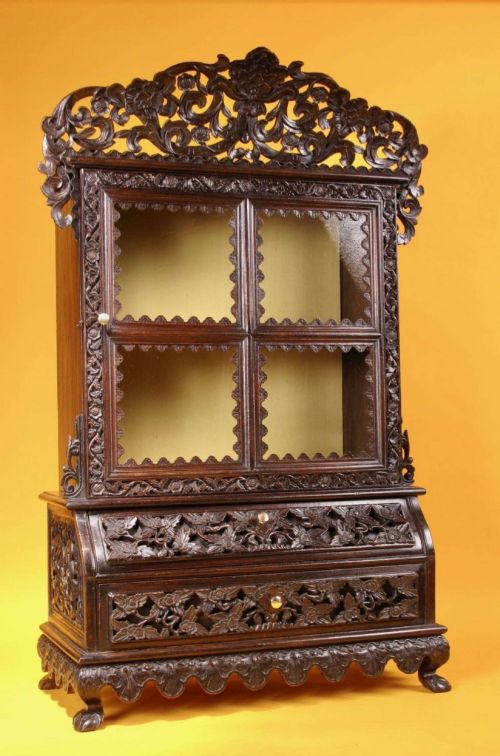
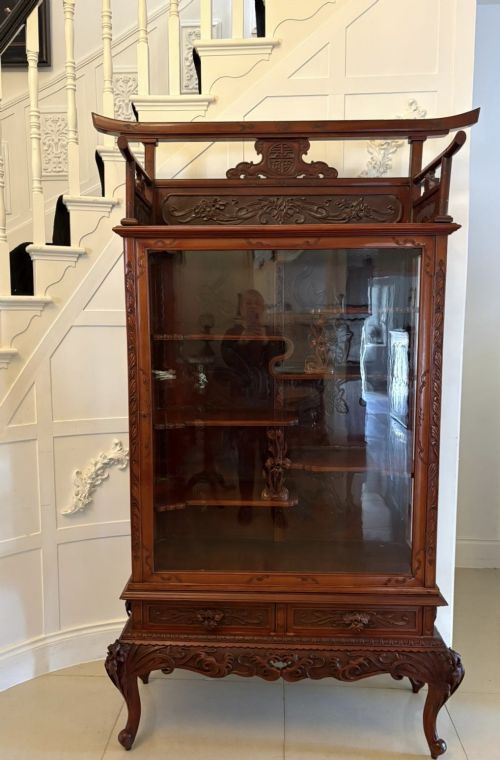
A carved wooden display case brings together timber frames and glass panels to hold objects, appearing here across periods from the nineteenth century into the twentieth century. These pieces take forms such as cabinets, bookcases, and maritime dioramas.
The selections available include Edwardian and Victorian examples alongside Dutch Rococo style and Japanese Revival pieces. Cabinets and bookcases provide enclosed shelving, while shadow boxes and dioramas present framed scenes under glass.
How they were made
Carpenters built these structures using woods such as oak, mahogany, walnut, cedar, and hardwood, often incorporating paint and metal details. Glass is fitted into doors and viewing panels to protect the contents while keeping them visible.
Mouldings and carved elements shape the timber surfaces, while specialist makers constructed detailed maritime dioramas and collector cabinets using mixed media and fitted glass cases.
Carved Wooden Display Case Retail Price Guide 2026
Typical asking prices for carved wooden display case among the pieces listed under this phrase on Sellingantiques today, from the lower quarter to the upper quarter. They describe what is for sale here now, not the wider market.
A monkey saloon bar model waits inside one prisoner art diorama.
What varies in quality
The standard of timber selection and the crispness of carved mouldings separate simpler utility items from finer works. The integration of glass panels and the precision of fitted joints dictate the structural integrity of each cabinet.
In diorama pieces, the intricacy of the internal modelwork and the preservation of the cased setting determine the overall merit of the object.
The Carved Wooden Display Case Glossary
- Diorama
- A three-dimensional scene enclosed in a case with a glass viewing front, often depicting ships or historical settings. These pieces use painted backgrounds and miniature models to create depth.
- Display cabinet
- A piece of furniture designed to exhibit objects behind glazed doors or panels. These items utilise shelves to organise collections within a timber frame.
- Maritime folk art
- Handmade objects created by sailors or coastal artisans, frequently featuring sailing ships and marine scenes. These items often incorporate carved wood, metal, and painted elements.
- Moulding
- A shaped strip of timber fixed to the surface of furniture or cases to create decorative relief and architectural borders. These profiles define the stylistic period of the piece.
Carved Wooden Display Case: Frequently Asked Questions
What is a carved wooden display case?
A carved wooden display case is an enclosed timber structure with glass panels designed to exhibit objects safely while keeping them visible.
These pieces range from tall bookcases and wall cabinets to detailed maritime dioramas housed in glazed wooden frames.
How do I date a display case?
Dating relies on identifying the timber species, construction methods, and decorative styles characteristic of periods such as the Victorian and Edwardian eras.
Specific design details like mouldings and revival influences help place the piece within the nineteenth or twentieth century.
Where were these cases used?
These cases functioned in homes, offices, and studies to organise books, curiosities, and personal collections.
Maritime examples and dioramas often commemorated voyages or served as decorative items in coastal or maritime settings.
How do I care for my case?
Maintenance involves keeping timber surfaces clean with appropriate gentle polishing and protecting the glass panels from impact.
Placing pieces away from direct sunlight and excessive humidity preserves both the wood and any delicate internal dioramas.