





Carved Wooden Deity Statue
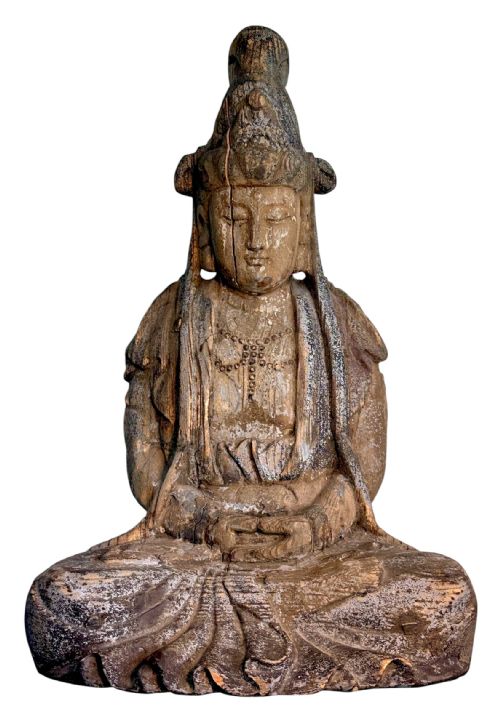
A carved wooden deity statue brings centuries of ritual history and sculptural presence into a room, spanning traditions from Qing Dynasty China to Balinese and Indian workshops.
Carved Wooden Deity Statue
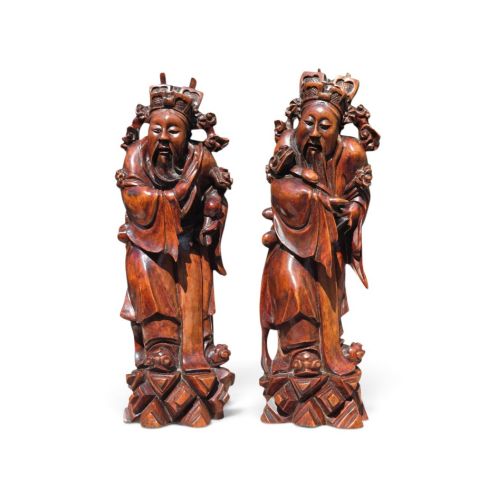
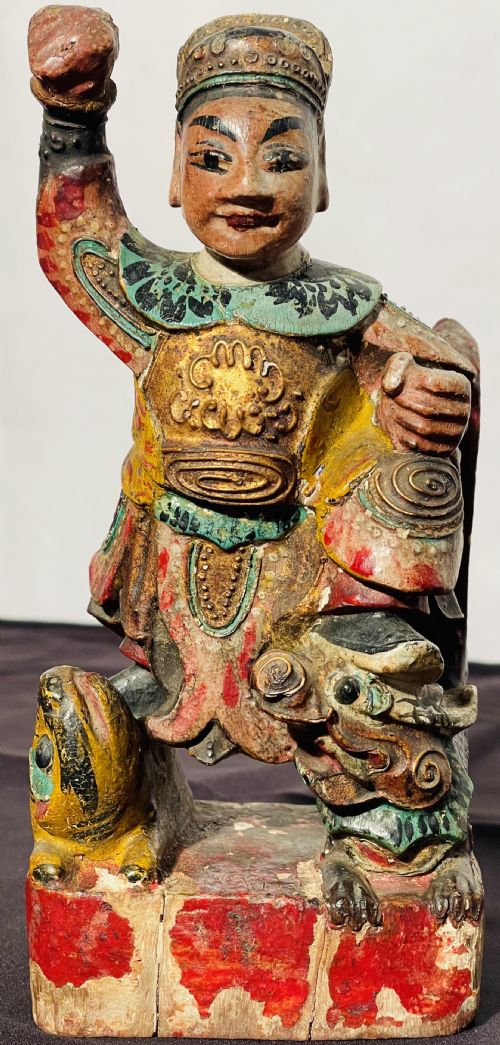
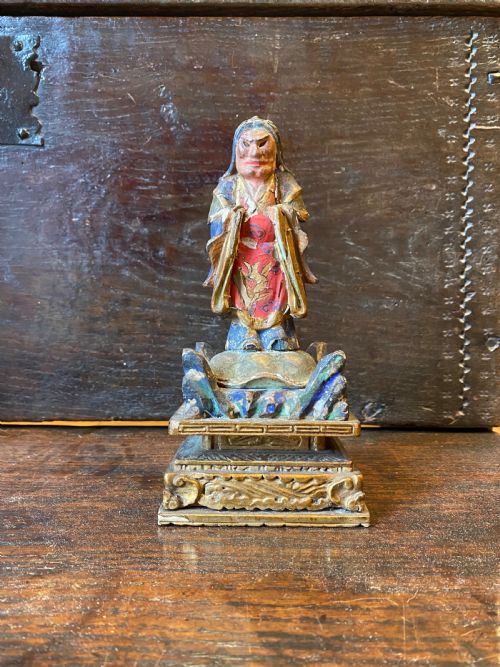
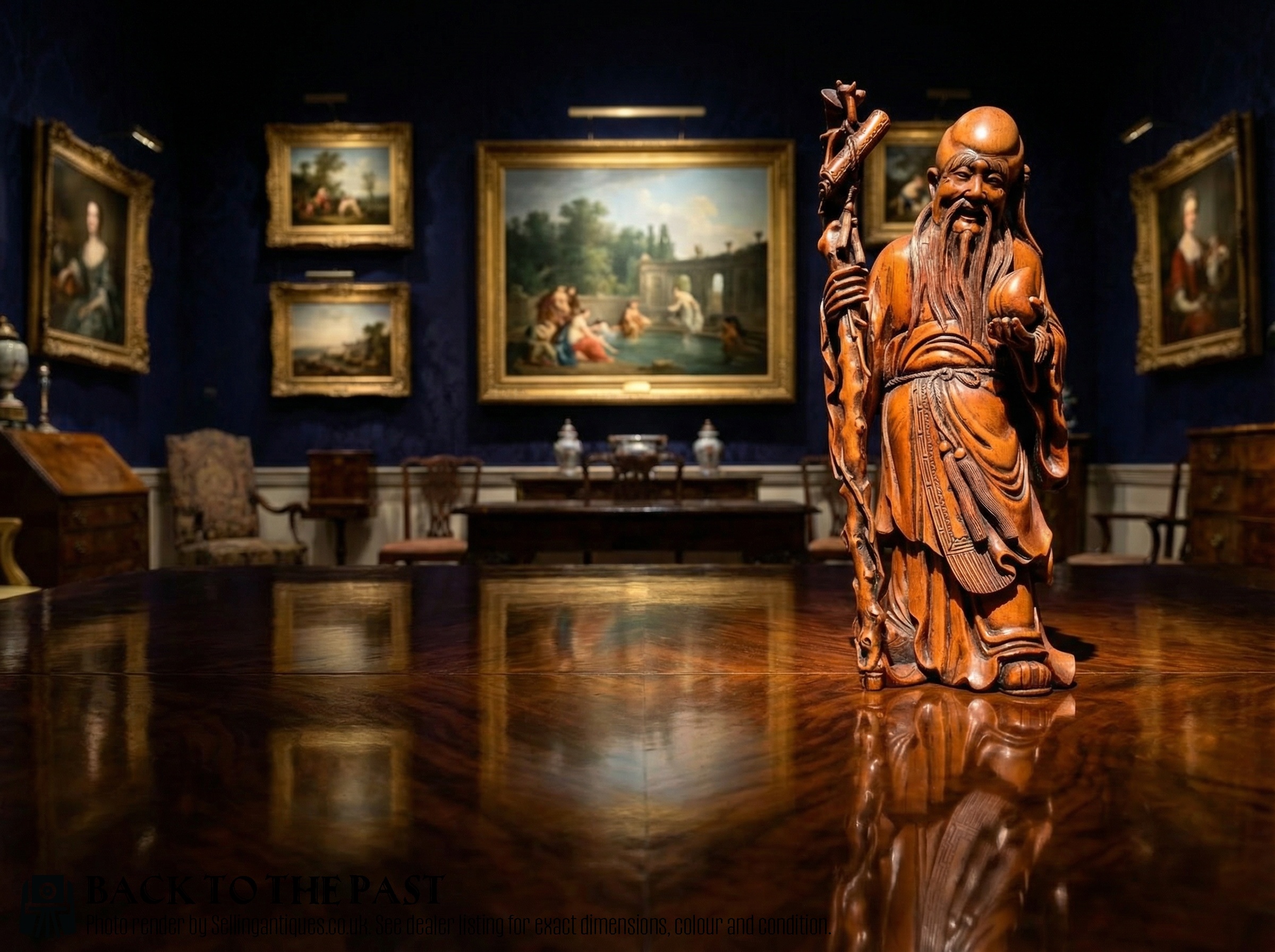
A carved wooden deity statue encompasses figures of revered figures, scholars, temple guardians, and mythological beings originating from diverse Asian and European traditions. When exploring this selection, buyers encounter sculptures fashioned from dense hardwoods alongside pieces finished with intricate polychrome paintwork.
The objects on this page range from nineteenth-century Chinese temple figures and medicine statues to Balinese hardwood carvings of deities like Rama and Sita. Scholars, Buddhas, and goddesses such as Parvati and Quan Yin appear frequently across the periods represented.
These sculptures serve as focal points for interiors, originating primarily from workshops in China, Japan, Indonesia, India, and Tibet, with occasional European Grand Tour interpretations of classical deities.
Materials and construction methods
Artisans carved these figures from various woods, including boxwood, root wood, and dense imported hardwoods that provided a stable foundation for intricate detail. Carvers utilised hand chisels and gouges to shape the drapery, facial expressions, and symbolic attributes of each figure.
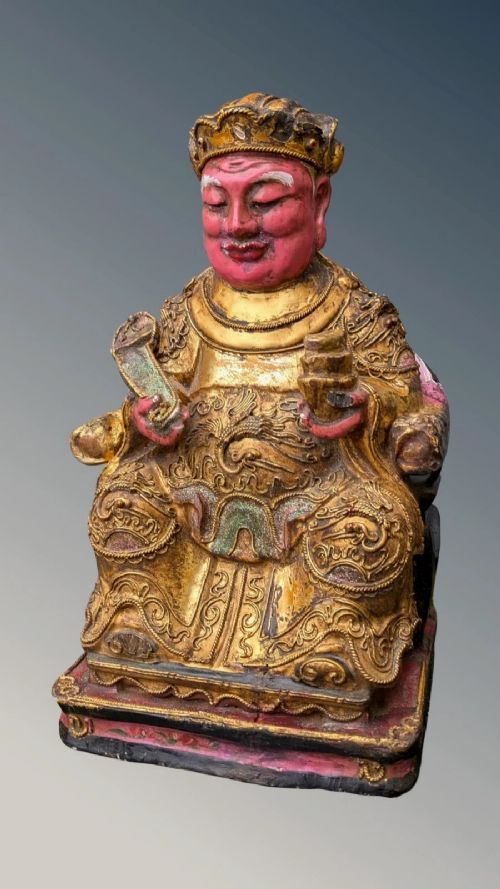
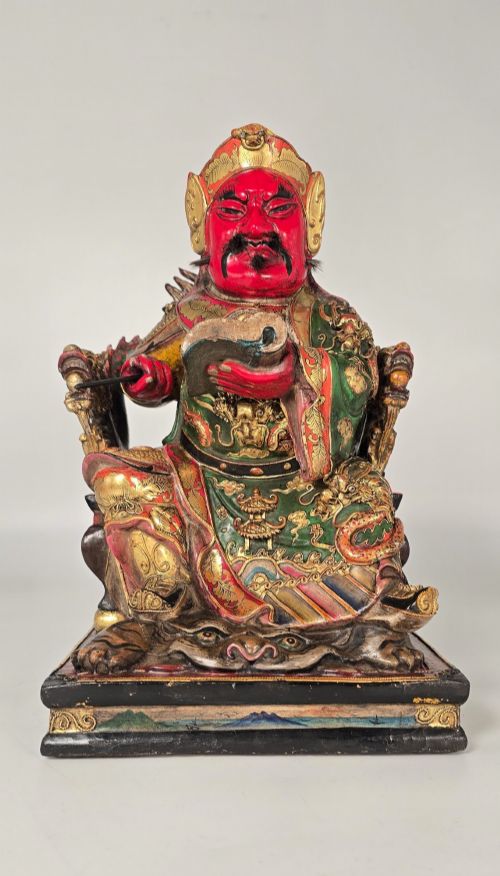
Many surfaces received layers of gesso before being finished with gold leaf, gilt wood, or detailed polychrome pigments. Lacquer and hand-painted details frequently sealed the timber, protecting the surface while adding colour and depth to robes and ornamentation.
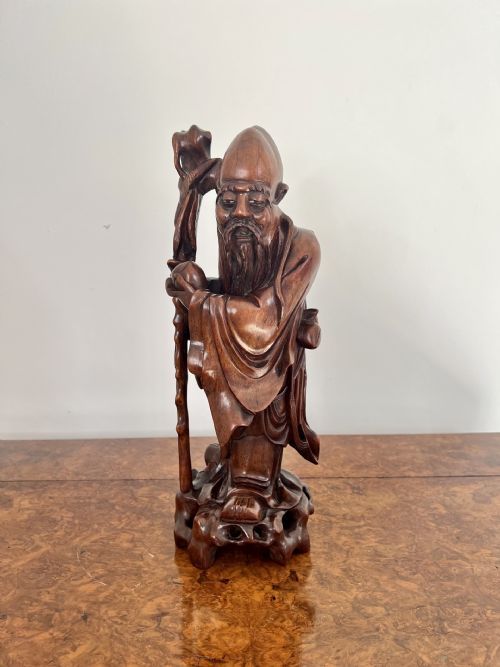
Fukurokuju often visits with an elongated head, balancing wealth, happiness, and decades of silent contemplation on a quiet shelf.
Assessing sculptural quality
The preservation of original surface treatments, such as early polychrome pigment or intact gold leaf, significantly influences the integrity of a piece. Distressed surfaces retain more character when the underlying toolwork remains crisp and unaltered by modern restoration.
The Carved Wooden Deity Statue Glossary
- Gilt wood
- Timber that has been coated with a thin layer of gold leaf or powder. It catches candlelight and daylight, adding luminosity to temple sculptures.
- Gesso
- A plaster-like mixture applied to wood to create a smooth base for painting or gilding. It provides adhesion for decorative metal leaf and pigments.
- Root carving
- A sculptural form that follows the natural twists and contours of tree roots to suggest figures or animals. Chinese artisans historically utilised this organic material for scholars and immortals.
- Okimono
- A Japanese statuette designed for display on a shelf or in a tokonoma alcove. These small-scale carvings often depict deities, gods of fortune, or figures from folklore.
Carved Wooden Deity Statue: Frequently Asked Questions
How do I date a carved wooden deity statue?
Dating relies on examining tool marks, the composition of underlying gesso layers, and stylistic conventions associated with specific periods like the Qing Dynasty or Meiji period. Natural ageing of the timber and wear patterns on polychrome surfaces also offer strong chronological indicators.
Comparing the sculptural style with documented examples from temple contexts helps narrow down the century of production. Certain wood species and regional carving techniques are strictly tied to specific historical eras.
Where were these statues originally displayed?
Many of these figures stood within domestic shrines, household altars, or major Buddhist and Daoist temples across Asia. Others were created as portable objects for personal devotion, medicine shrines, or scholarly reflection.
Grand Tour pieces and decorative carvings were acquired by European travellers to display in libraries and studies. Their placement varied from central altar spaces to private architectural niches.
How should I care for antique wood sculptures?
Keep wooden figures away from direct sunlight and dramatic fluctuations in temperature or humidity to prevent the timber from splitting. Dust them gently with a soft, dry brush without applying modern polishes or cleaning liquids.
Maintaining a stable indoor climate preserves fragile gesso and polychrome paint layers. Handling should be kept to a minimum to protect delicate projections like fingers and headdresses.
What distinguishes Chinese figures from Balinese carvings?
Chinese figures often reflect specific religious traditions such as Daoism or Buddhism, utilising formal postures and traditional robes associated with scholars or immortals. Balinese and Indonesian carvings frequently draw on Hindu epics, displaying dynamic movement and intricate floral motifs.
The choice of hardwood and regional finishing techniques also separates these traditions. Chinese pieces often feature lacquer and gold leaf, while Southeast Asian examples showcase dense, unpainted tropical hardwoods.