
Carved Wooden Buffet Server
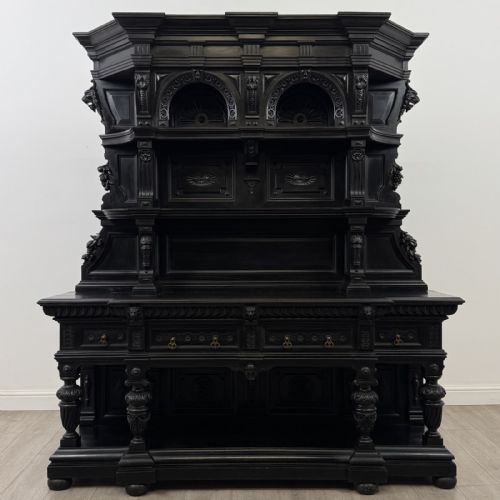
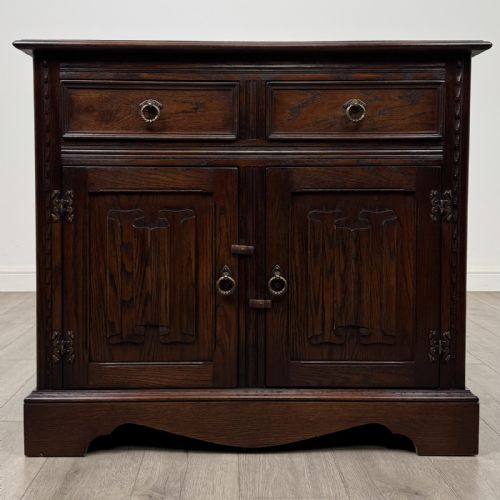
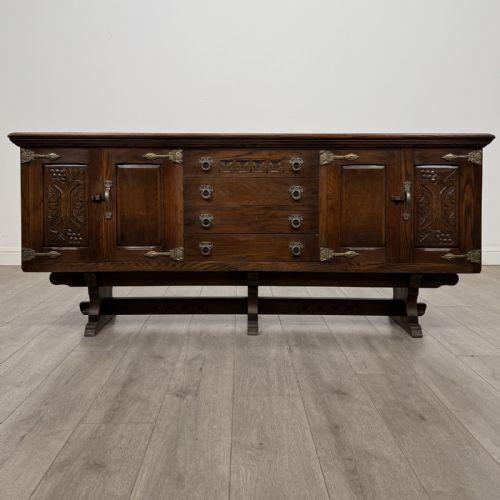
A carved wooden buffet server brings substantial storage and display to a dining space through solid construction and period detail.
Carved Wooden Buffet Server
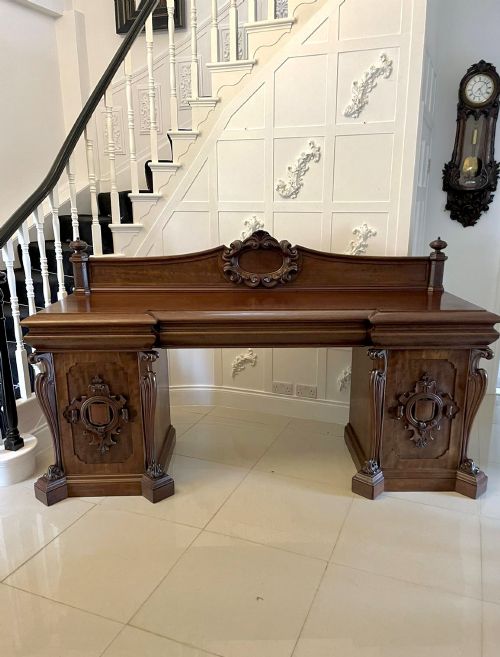
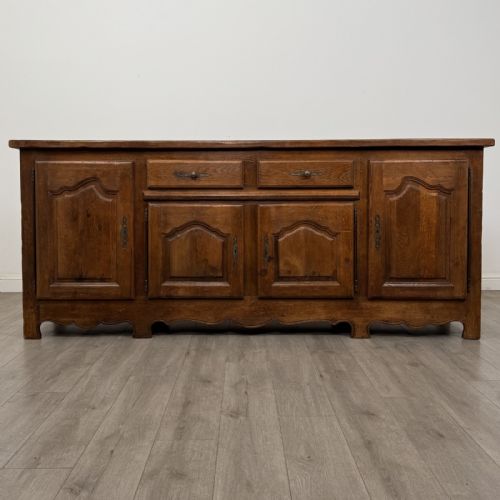
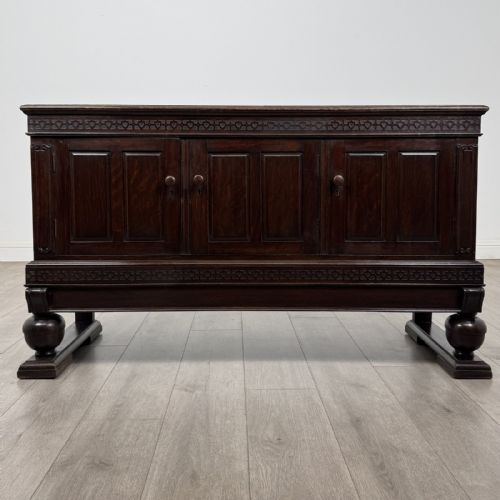
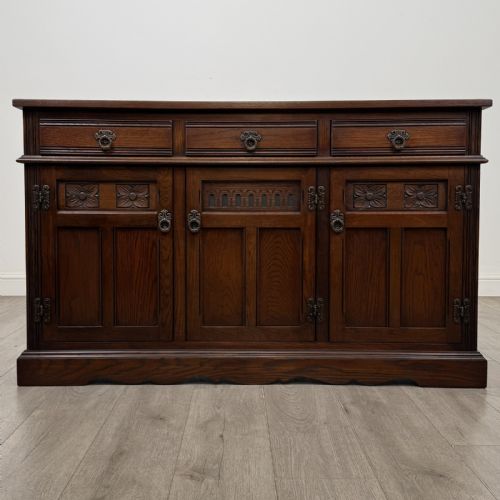
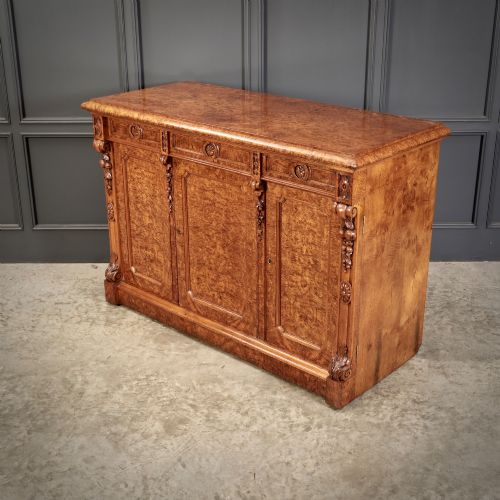
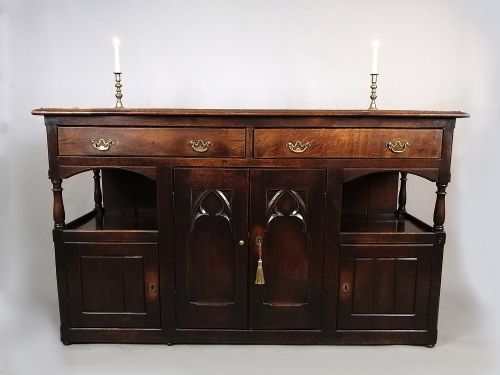
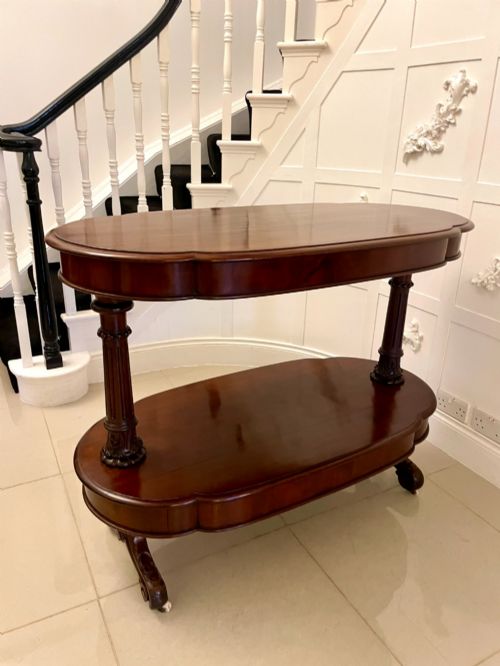
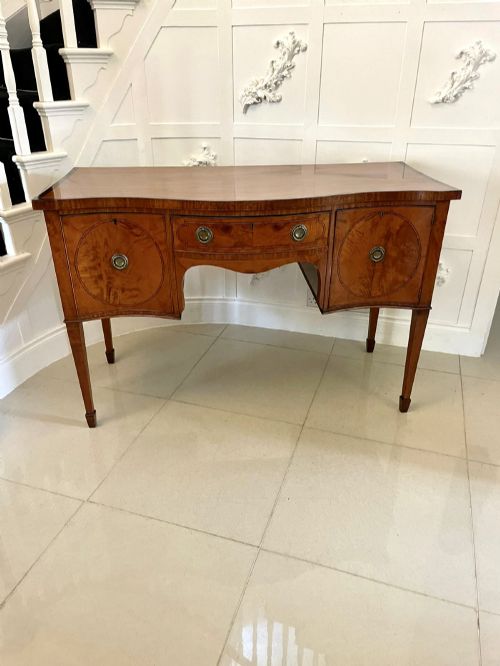
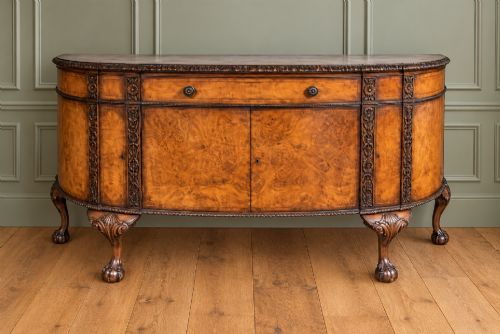
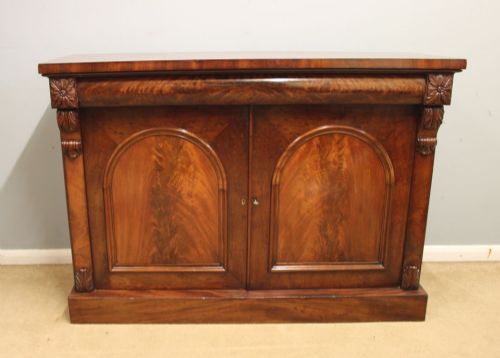
A carved wooden buffet server encompasses large dining room storage furniture, appearing frequently as sideboards, credenzas, and serving tables. When searching for a carved wooden buffet server, buyers encounter diverse forms shaped across the eighteenth, nineteenth, and early twentieth centuries. These large serving pieces originate from workshops using timber to create practical dining room furniture.
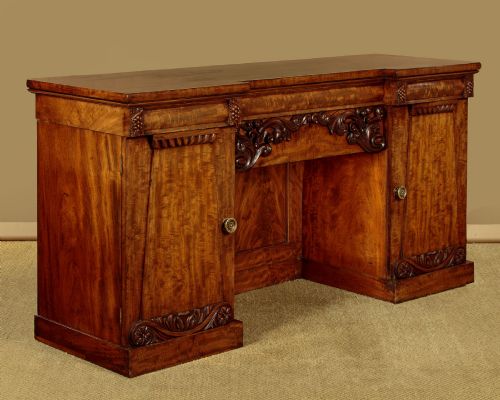
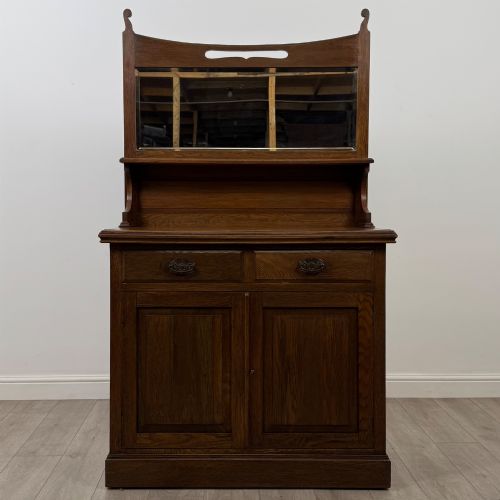
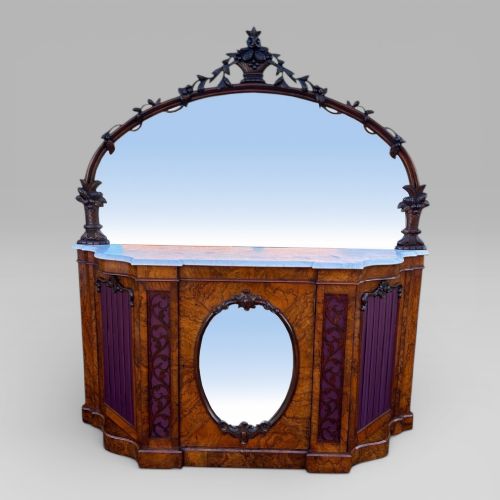
The pieces listed span multiple historic periods, with nineteenth-century examples and Victorian designs appearing frequently. Forms include pedestal sideboards, mirror-backed pieces, and serving tables equipped with drawers or cupboards. Oak and mahogany dominate the offerings, matched with revival styles ranging from Jacobean to Gothic.
How they were made
Cabinet makers utilised dense hardwoods such as mahogany, oak, and walnut, often applying veneers of flame mahogany, burr walnut, or pollard oak to flat surfaces. Structural framing relied on solid timber joinery, while decorative carving transformed plain drawer fronts and backsplashes into elaborate focal points. Secondary woods provided interior drawer linings and back panels.
Hardware additions included cast brass handles, mirror plates, and occasional marble tops fitted to timber carcases. Glazed cupboard doors and raised galleries appeared on later Edwardian and Arts and Crafts examples, while early nineteenth-century pieces focused on pedestal bases and deep serving surfaces.
Some nineteenth-century sideboards arrived complete with twelve-piece cutlery sets hidden neatly inside their fitted drawers.
What varies in quality
The ambition of the carving and the selection of the timber dictate the standing of an individual server. Finely figured mahogany veneers, burr walnut, and pollard oak denote workshops operating at a higher level than those using plain, unfigured boards.
Construction methods also separate standard production from superior cabinet work, seen in the depth of hand-carved ornamentation and the integration of substantial brass hardware. Pedestal proportions, balanced mirror backs, and original serving surfaces indicate the original maker's intent.
Gillows·M. D. Miller & Sons
The Carved Wooden Buffet Server Glossary
- Pedestal sideboard
- A large dining room base featuring central serving space flanked by enclosed cupboards or cellarettes. These pieces emerged during the Regency and Victorian eras.
- Mirror back
- An upright wooden frame fitted with a glass mirror attached to the rear of a sideboard surface. They reflect light and display decorative objects placed on the top board.
- Pollard oak
- Timber harvested from pollarded oak trees, displaying distinctive knotty growth patterns and mottled grain. Cabinet makers utilised veneers of this wood for decorative drawer fronts.
- Pot board
- An open lower shelf built into a dresser base or serving table. Historically, people stored heavy pots and serving vessels on this lower level.
- Serving table
- A long wooden table designed for food presentation during meals, often lacking the drawers and cupboards found on standard sideboards.
Carved Wooden Buffet Server: Frequently Asked Questions
Where should a buffet server go?
These large serving pieces belong in dining rooms or open living spaces where they provide surface area for food and storage for tableware.
Position the server against a solid wall with sufficient clearance for opening cupboard doors and pulling out drawers.
How do I date a wooden buffet?
Examine the timber species, construction methods, and revival styles present in the carving to determine the period of origin.
Nineteenth-century pieces often feature mahogany or oak with distinct Victorian or Regency proportions, while eighteenth-century examples show simpler joinery.
What is a mirror back sideboard?
A mirror back sideboard integrates an upright wooden superstructure containing a fitted glass mirror behind the main serving surface.
This design became particularly common during the Victorian and Edwardian periods for displaying decorative ceramics and glass.
How do I maintain wood surfaces?
Protect antique timber and veneer by avoiding direct sunlight and maintaining stable room humidity levels.
Apply appropriate beeswax or polish occasionally to nourish the grain without building up heavy residues.