




Carved Wooden Bookstand
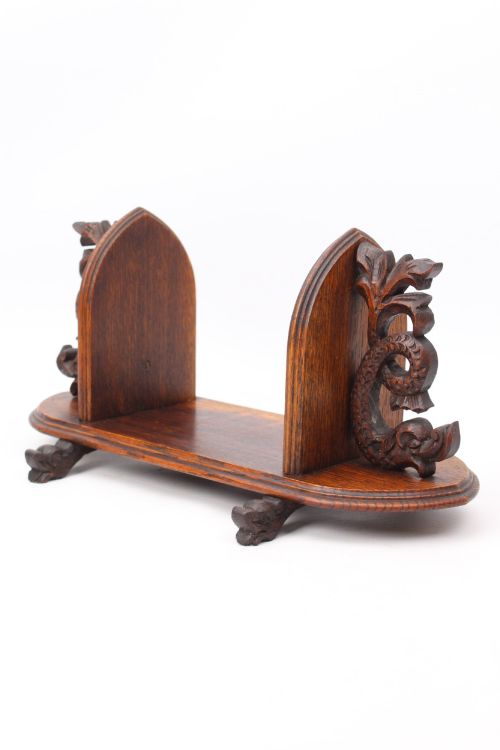
A carved wooden bookstand is a functional resting place for volumes that brings rich texture and history to a desk or table.
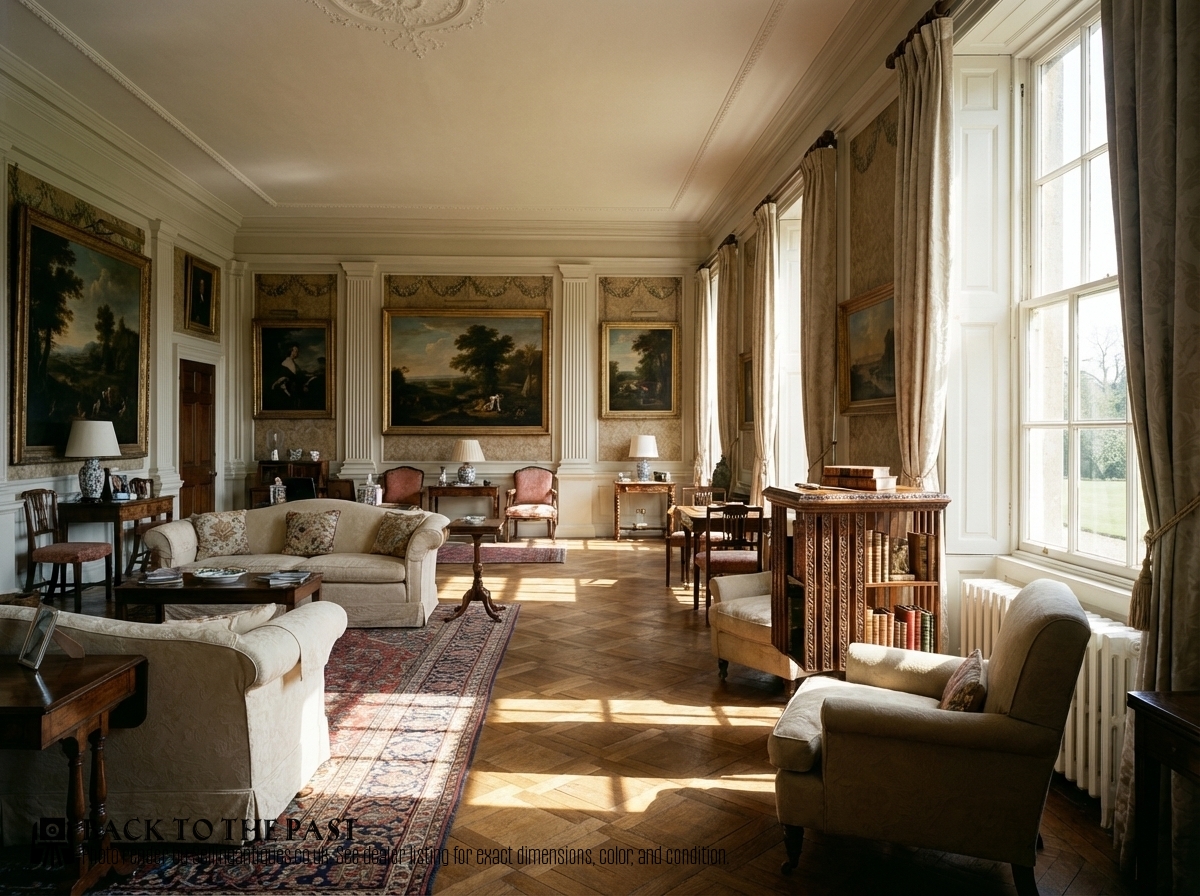
Carved Wooden Bookstand
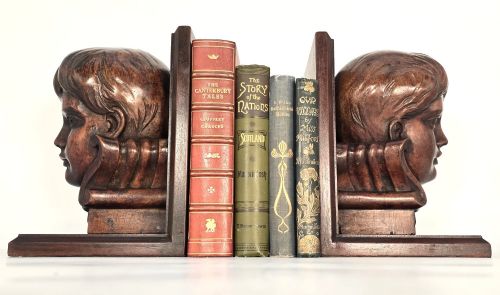
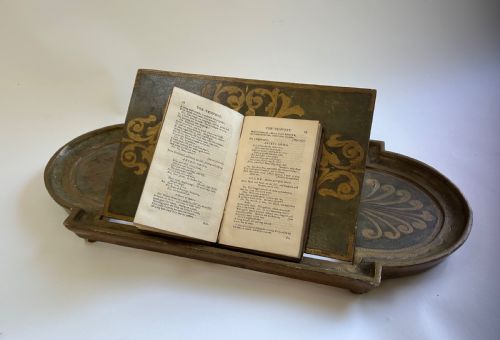
When you search for a carved wooden bookstand, you encounter a variety of forms designed to hold books, missals, and magazines securely open or upright. The selections on this page range from compact folding rests and extending slides to substantial lecterns and revolving bookcases.
The periods represented stretch from the eighteenth century through the Victorian and Edwardian eras up to the nineteen-twenties. Common structural woods include oak, walnut, mahogany, and maple, frequently enhanced by intricate hand carving.
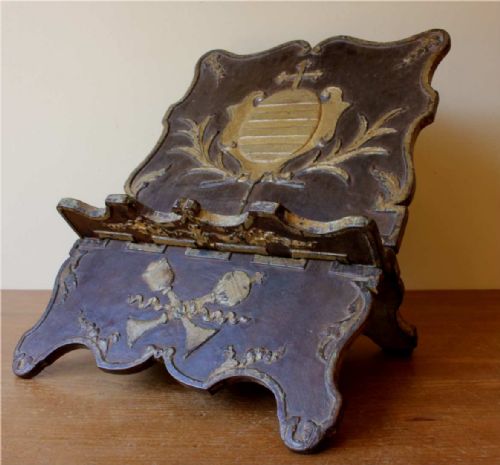
Geographic influences vary widely across the inventory, encompassing French religious folding Bible rests, Italian eagle lecterns, Anglo-Indian revolving designs, and Florentine stands. Buyers often find specialised pairs of library bookends alongside larger open bookcases.

How they were made
Cabinet makers utilised dense hardwoods such as oak, walnut, and mahogany to ensure the structural integrity needed to support heavy bound volumes. These primary timbers were frequently selected for their pronounced grain patterns.
Decoration often involved deep hand carving, such as the detailed plumage on eagle lecterns or Gothic Revival motifs. Additional materials like brass hinges, mother-of-pearl inlay, and occasional gesso or gold leaf finish added decorative contrast to the timber.
An eighteenth-century oak lectern on this page depicts an eagle with outstretched wings, ready to support a heavy text on its feathered back.
What varies in quality
The distinction between standard items and superior examples lies in the depth and crispness of the hand carving. Pieces featuring sculptural elements, such as outstretched wings or specific regional motifs like Florentine or Anglo-Indian ornamentation, demand greater artisan skill.
Construction methods and material selection also dictate the standard of the piece. Solid cabinet woods with well-fitted folding mechanisms or intact inlay represent more accomplished workshop output than simpler utility items.
The Carved Wooden Bookstand Glossary
- Book slide
- An extending stand with adjustable ends designed to hold a variable number of volumes upright on a desk. They often incorporate brass fittings to allow smooth movement.
- Lectern
- A tall stand with a sloped top specifically built to support a book at a reading angle. Examples often depict figural subjects such as birds or religious motifs.
- Gothic Revival
- An architectural and decorative style drawing inspiration from medieval forms. Pieces in this aesthetic commonly feature pointed arches and heavy oak construction.
- Missal stand
- A folding wooden rest traditionally utilised to hold liturgical service books during religious ceremonies. These typically feature an adjustable ledge to prevent large volumes from slipping.
Carved Wooden Bookstand: Frequently Asked Questions
How do I use a book slide?
A book slide rests on a desk or table with movable ends that adjust inward to grip a row of volumes. This keeps your current reading selection upright and accessible without needing bookends.
Most designs utilise a smooth track or extension mechanism beneath the base. You simply slide the wooden ends to fit the exact width of the books you wish to display.
What is an ecclesiastical bookstand?
An ecclesiastical bookstand is a piece created for church use, often designed to hold large bibles, missals, or service books. These frequently feature religious carvings or architectural details.
Many of these stands are built as folding rests or sloping lecterns. Their sturdy construction allowed them to support heavy leather-bound volumes during daily services.
How do I date a wooden bookstand?
Dating relies on examining the timber species, construction joints, and decorative style relative to known historical periods. For instance, Gothic Revival pieces often point toward the Victorian era.
Hardware such as brass hinges and screws also offer clues to the manufacturing date. Hand-cut elements contrast with later machine-produced components found in twentieth-century items.
Where should I place a revolving bookcase?
A revolving bookcase works well beside an armchair or desk where you need frequent access to multiple reference volumes. Its rotating base allows you to browse titles from a stationary position.
Ensure you place it on a stable surface with enough clearance around the circumference to spin freely. This lets you access all compartments without moving surrounding furniture.