




Carved Wooden Artifact
These carved wooden artefact pieces span centuries of global craftsmanship, offering tangible connections to ritual, maritime heritage, and traditional sculpture.
Carved Wooden Artifact
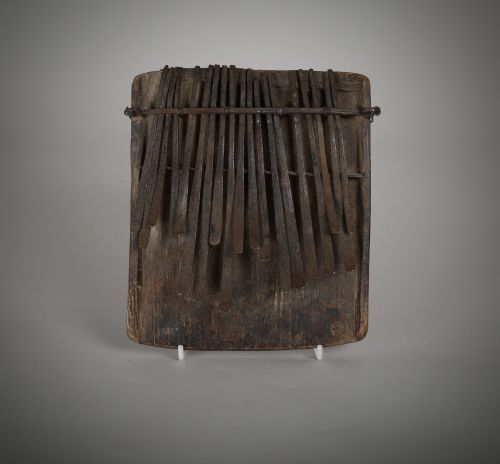
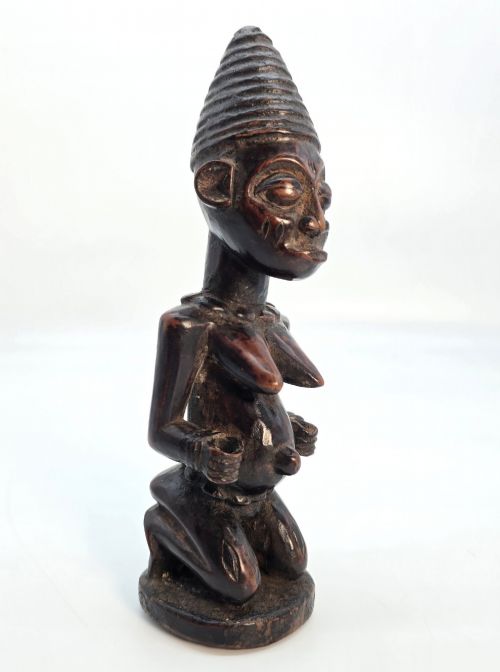
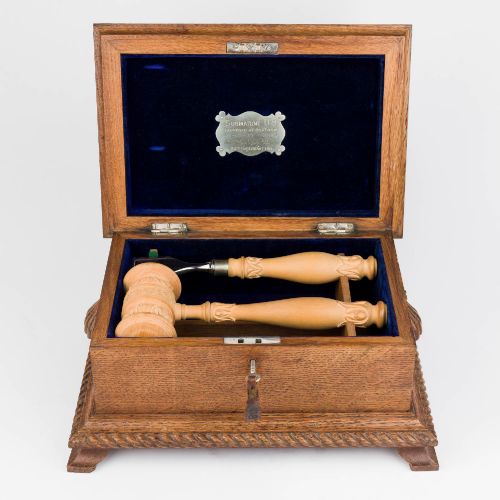
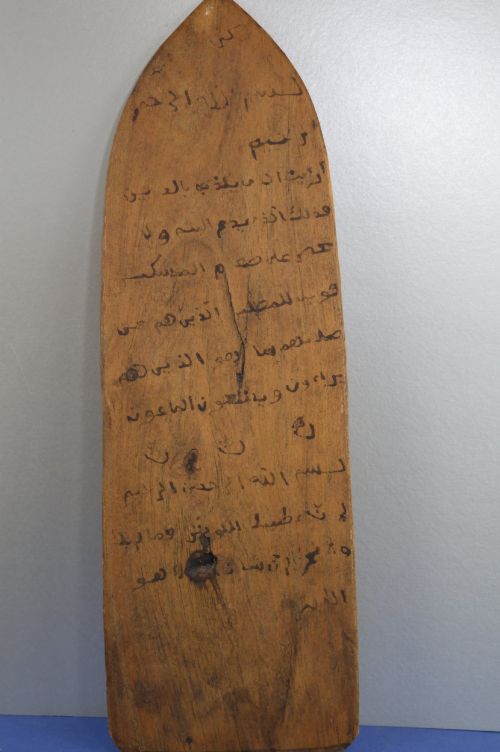
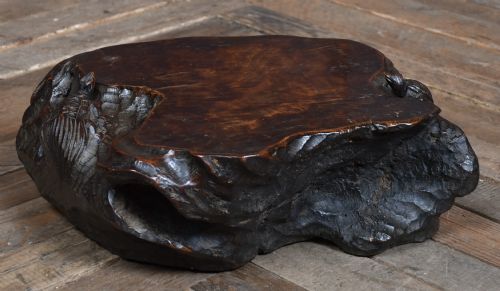
A carved wooden artefact encompasses an extraordinarily diverse range of objects, from tribal masks and war clubs to ecclesiastical figures and maritime equipment. When searching for a carved wooden artefact, buyers frequently encounter 19th-century ethnographic items, ritual objects, and functional maritime gear alongside earlier European carvings.
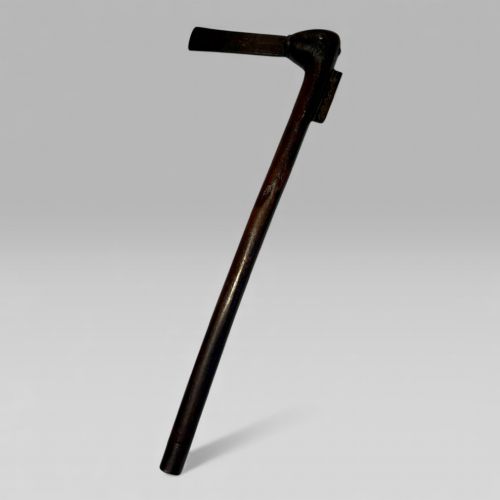
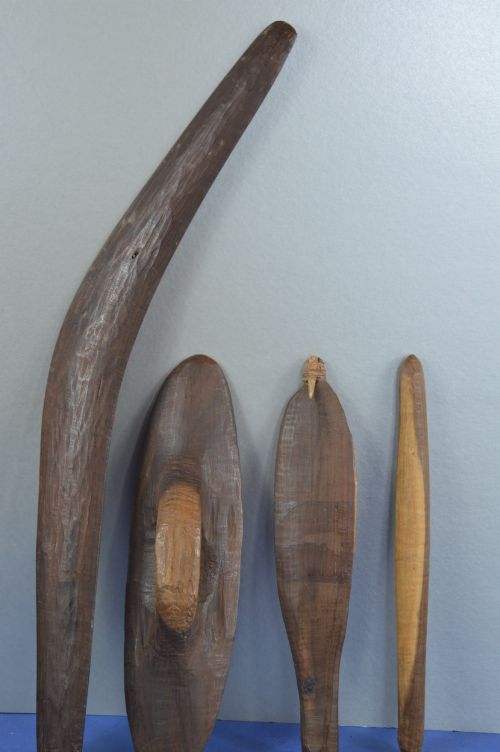
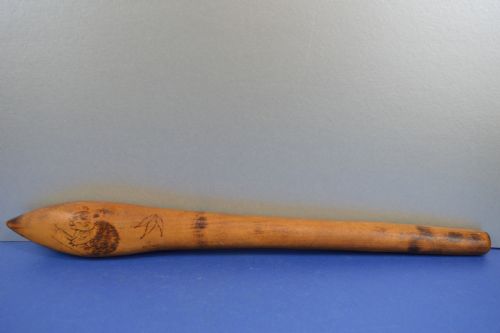
The objects originating from African, Oceanic, and Australian Indigenous traditions heavily populate this selection. These pieces include throwing clubs, dance masks, and ritual figures shaped from local hardwoods.
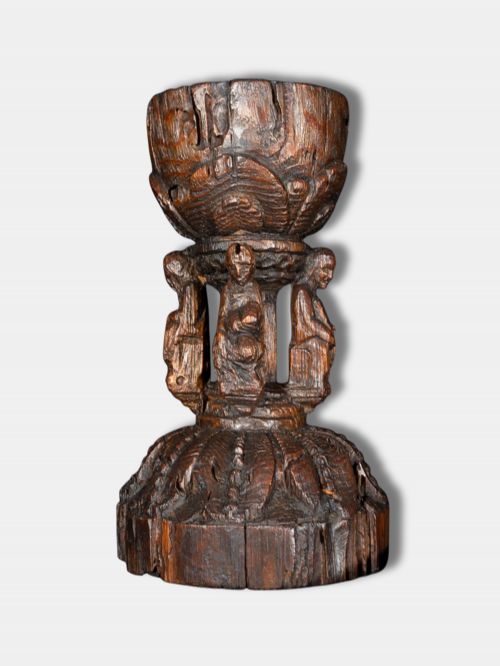
European and Asian traditions are represented by ecclesiastical sculptures, chalices, display stands, and decorative objects. These items reflect distinct regional styles spanning from the sixteenth century through the Edwardian era.
Materials and Techniques
Artisans utilised various local timbers, relying heavily on dense hardwoods, oak, elm, and indigenous woods suited to each region's environment. These materials were shaped using hand tools to create both utilitarian items like pulley blocks and intricate sculptural forms.
Many items incorporate supplementary elements such as iron, bone, and applied pigments or polychrome finishes. These surface treatments enhance the visual impact of masks, ritual figures, and ceremonial objects.
Carved Wooden Artifact Retail Price Guide 2026
Typical asking prices for carved wooden artifact among the pieces listed under this phrase on Sellingantiques today, from the lower quarter to the upper quarter. They describe what is for sale here now, not the wider market.
Distinctions in Quality
Quality rests in the sculptural depth, the integrity of the carving, and the authenticity of the tool marks left by the maker. Superior examples exhibit confident handling of the material and balanced proportions that reflect traditional cultural canons.
The preservation of original surface finishes, patination, and traces of early pigment or polychrome decoration elevates an object. Minimal intervention and genuine age-related wear further distinguish the finer pieces from later or heavily restored examples.
The Carved Wooden Artifact Glossary
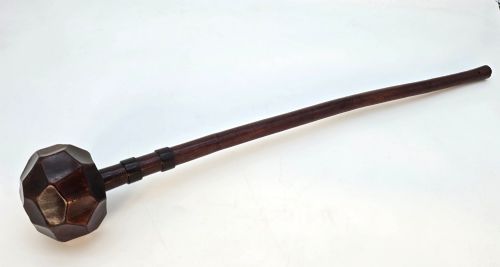
- Knobkerrie
- A traditional African club featuring a heavy knob at one end, used for hunting or combat. These wooden weapons display distinct regional variations in handle length and head shape.
- Polychrome
- The practice of decorating architectural elements, sculptures, or artefacts in a variety of colours. Pigments were frequently applied to ritual masks and religious figures to increase their expressive power.
- Woomera
- An Australian Aboriginal spear-thrower that extends the arm's length to increase the velocity of a launched spear. These wooden implements often double as carrying vessels or fire-starting tools.
- Pulley block
- A maritime device containing one or more sheaves through which ropes run, used for hoisting sails and rigging. Ship's blocks are typically fashioned from durable timbers like elm to withstand harsh marine conditions.
Carved Wooden Artifact: Frequently Asked Questions
What defines an ethnographic carved wooden artifact?
Ethnographic pieces are cultural items created by indigenous communities for ceremonial, utilitarian, or ritual purposes. They reflect the traditions, beliefs, and artistic expressions of specific societies.
These objects include dance masks, ritual figures, weapons, and domestic implements fashioned from native timbers.
How should I care for antique wooden carvings?
Antique wooden artefacts require stable environmental conditions with moderate humidity to prevent the wood from drying out or splitting. Direct sunlight and sudden temperature changes should be avoided.
Dusting should be performed gently with a dry, soft cloth, avoiding commercial polishes or harsh chemical cleaners that can damage the original patina.
How can I tell the age of a carved wooden artifact?
Dating relies on examining tool marks, timber shrinkage, surface patination, and stylistic characteristics consistent with known periods. Hand-carving marks often reveal the type of edged tools utilised by the maker.
Contextual clues such as integrated materials, pigments, and regional wear patterns further help narrow down the era of production.
Where were these tribal and maritime artefacts made?
The pieces originate from diverse global regions, including West and Central Africa, the Pacific Islands, Australia, and various European maritime centres. Each geographical area developed distinct forms based on available local materials and cultural traditions.
Maritime items are typically associated with naval operations and shipbuilding hubs, while tribal artefacts emerge from specific indigenous communities.