




Carved Wooden Artefact
A carved wooden artefact is a hand-shaped object carrying history, ritual or daily use across centuries.
Carved Wooden Artefact
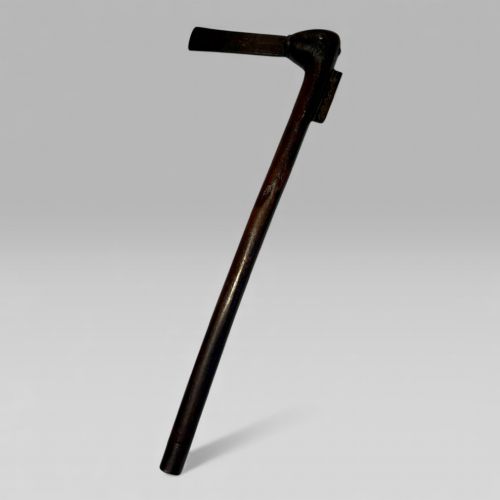
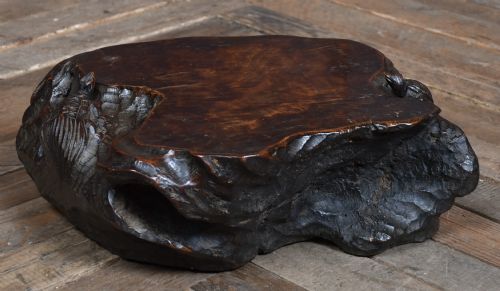
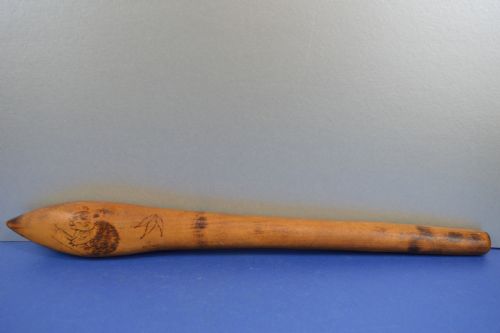
A carved wooden artefact covers a vast geographical and cultural range, spanning indigenous tribal works, European religious figures, maritime items and Asian decorative pieces. When exploring a carved wooden artefact, expect to encounter items created for ritual, utility or display.
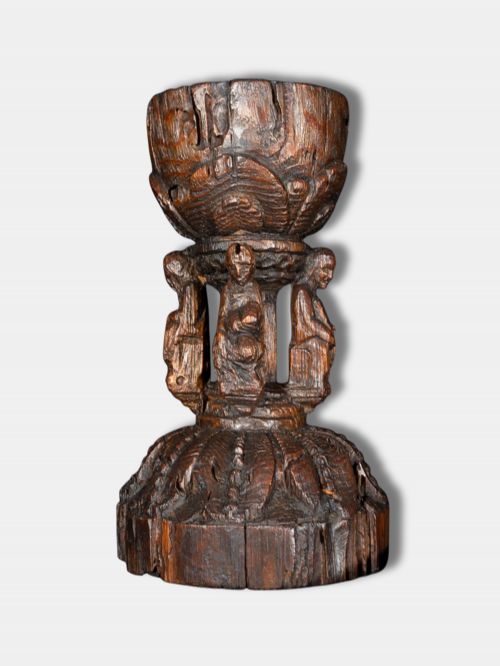
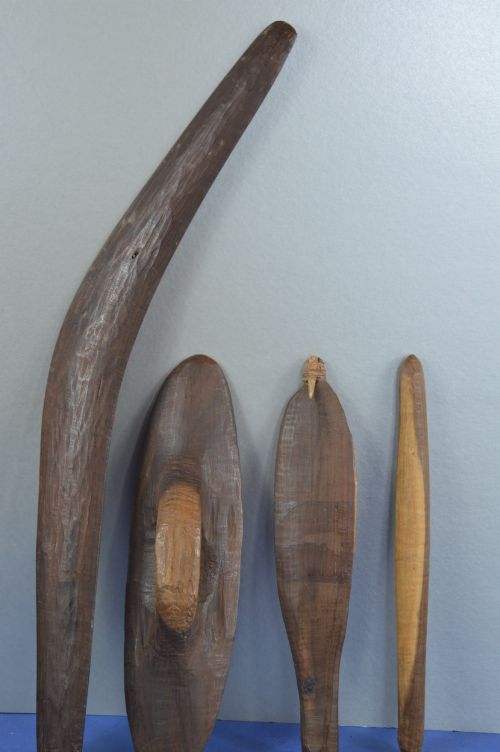
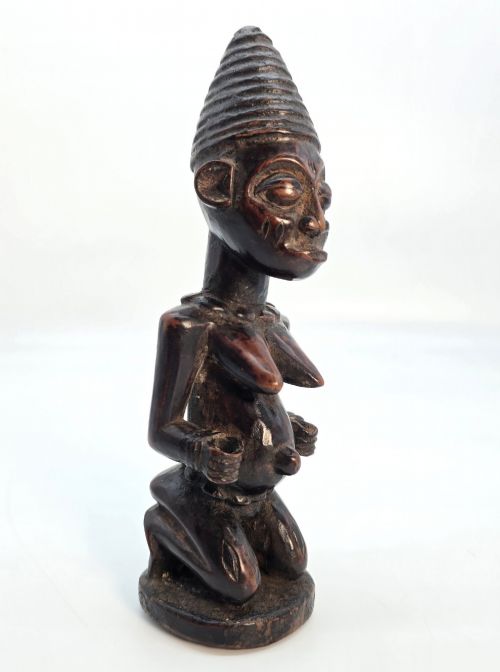
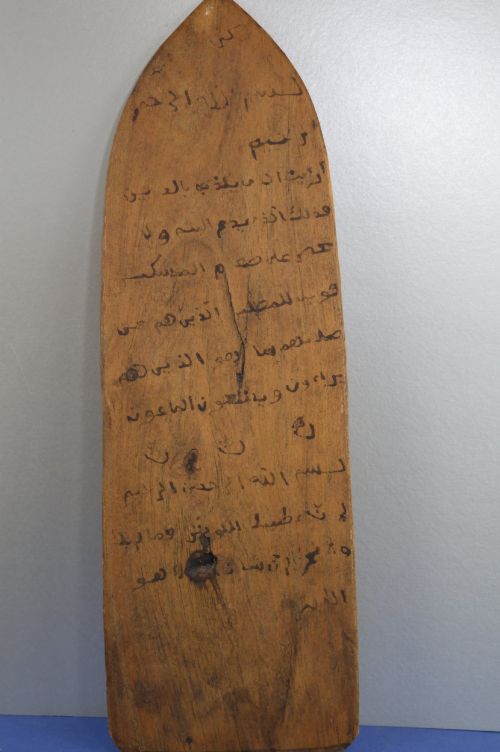
The objects listed range from nineteenth-century African masks and Oceanic war clubs to eighteenth-century European sculptures and indigenous Australian hunting gear. Each piece reflects the specific cultural traditions and material availability of its region of origin.
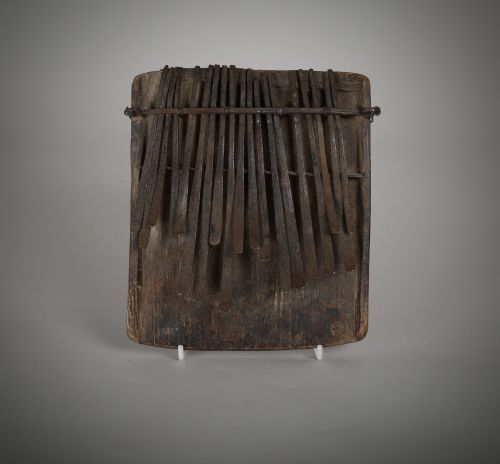
Religious carvings, ceremonial axes, utilitarian items such as ship pulleys and musical thumb pianos all fall within this diverse category. The assortment bridges domestic decorative arts and global ethnographic history.
Materials and construction
These pieces are fashioned primarily from various hardwoods, oak, elm and indigenous timbers, selected for their density and grain. Artisans employed hand-carving techniques using basic edged tools to shape the raw timber.
Many artefacts show secondary treatments including applied pigment, polychrome paint, bone inlays or iron fixtures. These surface additions define the visual character and functional purpose of the finished piece.
Carved Wooden Artefact Retail Price Guide 2026
Typical asking prices for carved wooden artefact among the pieces listed under this phrase on Sellingantiques today, from the lower quarter to the upper quarter. They describe what is for sale here now, not the wider market.
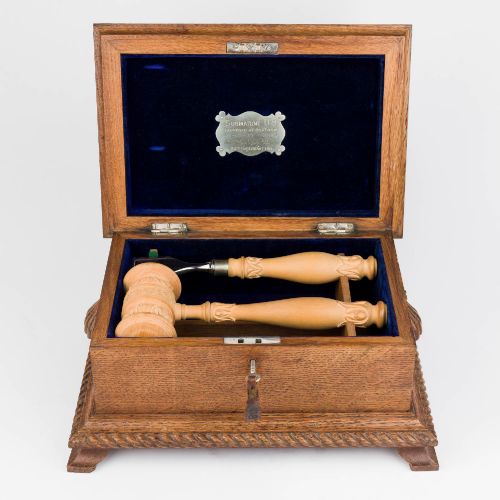
One submarine launching casket sits among ancient tribal clubs and sacred temple masks, proving that wood carvers turned their hands to anything.
Assessing quality and authenticity
Quality in these objects rests upon the directness of the carving, the integrity of the timber and the authenticity of the wear. Superior examples display confident, unhesitating tool work that defines form efficiently rather than depending on heavy surface detail.
Original surface patination, honest signs of age and untouched structural integrity distinguish exceptional pieces from later copies or heavily restored items. The relationship between the material, the tool marks and the intended function dictates the overall standing of an artefact.
The Carved Wooden Artefact Glossary
- Hardwood
- Dense timber from broad-leaved trees, providing the primary material for durable sculptural and utilitarian artefacts.
- Polychrome
- The practice of decorating architectural elements, sculptures or wooden objects in a variety of bright colours.
- Knobkerrie
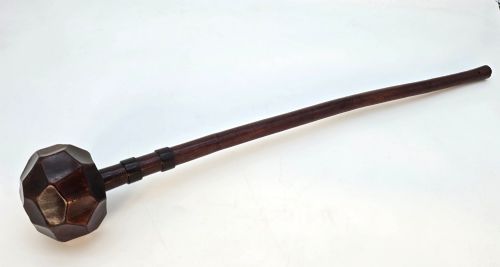
- A traditional African wooden club with a heavy knob at one end, used for hunting or combat.
- Woomera
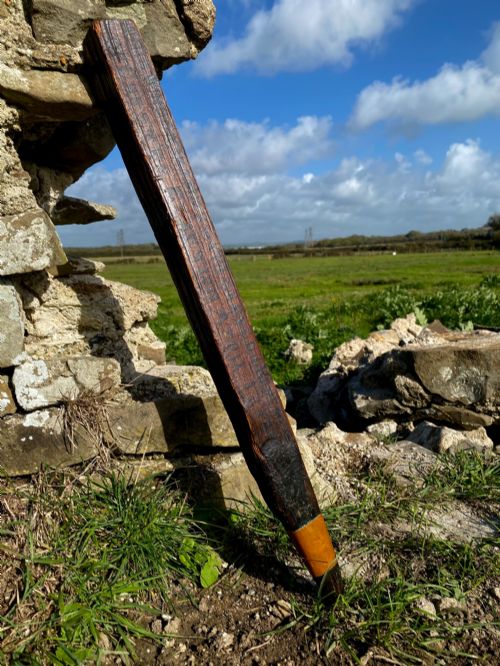
- An Australian Aboriginal spear-thrower that uses leverage to increase the velocity of a projectile.
- Provenance
- The chronological ownership, custody or location history of a historical object.
Carved Wooden Artefact: Frequently Asked Questions
What defines an ethnographic artefact?
An ethnographic artefact is an item created by an indigenous culture, typically reflecting the social, religious or practical daily life of that community.
These pieces range from ceremonial masks and ritual headdresses to hunting implements and domestic vessels.
How do I care for antique wooden carvings?
Keep wooden artefacts away from direct sunlight and fluctuating humidity to prevent the timber from splitting or warping.
Dust the surface gently with a dry, soft cloth and avoid applying modern polishes or oils.
How can I tell the age of a carved wooden object?
Dating relies on examining tool marks, timber shrinkage, wear patterns and the historical context of the decorative style.
Hand-cut tool marks differ significantly from modern machine production, helping to establish the period of manufacture.