



Carved Wooden Altar Table
A carved wooden altar table brings enduring architectural presence to a room, offering robust construction and rich surface grain developed over generations of use.
Carved Wooden Altar Table
When you examine a carved wooden altar table, you find pieces originating principally from the nineteenth century alongside earlier designs. These items display distinct regional traits, ranging from traditional Chinese provincial craftsmanship to European continental forms.
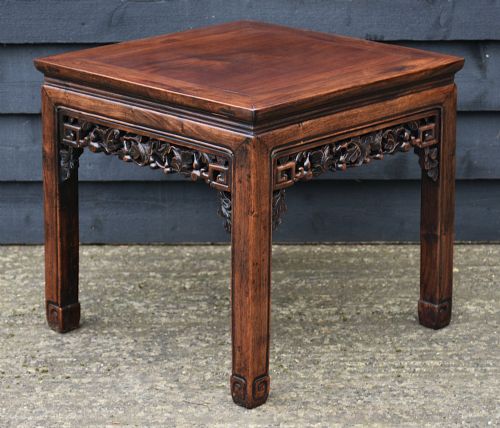
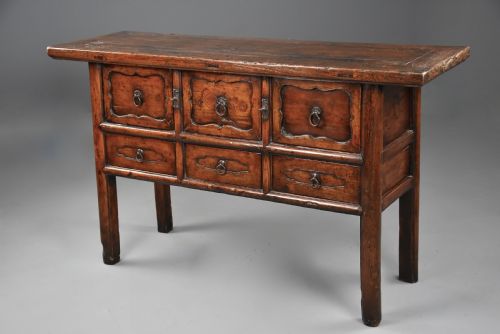
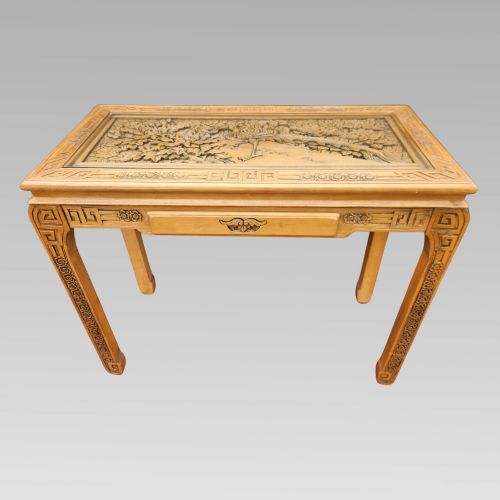
The version you are most likely to meet on this page is the Chinese elm or hardwood altar table, frequently featuring linear proportions and carved detailing associated with the Qing dynasty. Alongside these, similar console tables and long side tables appear in the listings.
Makers utilised resilient timbers such as elm and hardwood to construct surfaces intended for ceremonial use or domestic display. Over time, these tables have transitioned from functional ritual pieces to commanding focal points in modern interiors.
How they were made
Construction relies heavily on dense regional woods including elm and general hardwood, chosen for structural stability and fine grain. Artisans shaped these timbers using traditional joinery methods that allowed the wood to respond naturally to environmental changes.
Surface treatments often incorporate lacquer, gesso, or giltwood details over the carved wooden base. These finishes highlight the depth of the carving and provide a protective layer that develops a distinctive patina with age.
Carved Wooden Altar Table Retail Price Guide 2026
Typical asking prices for carved wooden altar table among the pieces listed under this phrase on Sellingantiques today, from the lower quarter to the upper quarter. They describe what is for sale here now, not the wider market.
Listings feature eighteenth and nineteenth-century periods, alongside styles spanning Qing dynasty forms and Victorian continental designs.
What varies in quality
The standard of a carved wooden altar table depends largely on the crispness of the timber carving and the integrity of the original joints. Superior examples retain deep, articulate relief work that demonstrates deliberate hand tool use rather than mechanical rounding.
Quality is also defined by the depth of the natural patina on the elm or hardwood surface. Tables that retain uncompromised timber surfaces and original structural timber show superior longevity compared to those with heavily refinished or replaced elements.
The Carved Wooden Altar Table Glossary
- Altar table
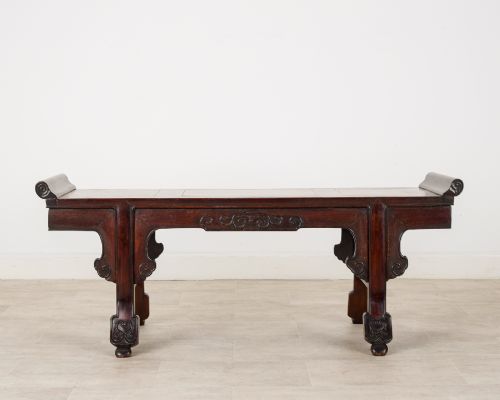
- A long, narrow table traditionally elevated for ceremonial display or placement against a wall. These pieces typically feature elongated proportions and subtle upturned ends.
- Elm
- A tough, interlocking timber commonly utilised for provincial furniture due to its resistance to splitting. It accepts carved detail well and deepens in tone over centuries.
- Patina
- The surface sheen and colour variation developed through decades of handling, polishing, and environmental exposure. A rich patina indicates age and authentic use.
- Console table
- A wall-mounted or freestanding table supported on brackets or legs, designed to fit narrow spaces. They share architectural profiles with many traditional altar forms.
- Giltwood
- Timber coated with a thin layer of gold leaf or gesso preparation. This finish adds reflective luminosity to carved decorative elements.
Carved Wooden Altar Table: Frequently Asked Questions
How do I style a carved wooden altar table?
Position the table flat against a primary wall in a hallway, living room, or dining space to let its linear profile anchor the room. Keep the surface uncluttered to showcase the timber grain and carved edges.
Pair the piece with low-profile seating or balanced lighting such as candlesticks and table lamps from the period. The narrow depth makes these tables particularly suitable for circulation spaces where floor area is restricted.
Are these tables sturdy enough for daily use?
Traditional construction methods utilise durable timbers like elm and hardwood joined without excessive metal fasteners, providing inherent stability. The robust frames handle everyday placement of lamps, books, and decorative objects easily.
Avoid positioning the timber directly against strong heat sources or in fluctuating humidity to prevent the natural wood from shifting. Regular gentle dusting preserves the finish without requiring aggressive cleaning products.
What is the difference between Chinese and European tables?
Chinese altar tables typically emphasise clean architectural lines, recessed leg placements, and traditional joinery rooted in Qing dynasty aesthetics. The focus rests primarily on the natural qualities of elm or hardwood.
European counterparts from the same eras often incorporate giltwood, gesso, or more ornate Baroque carving styles. These regional variations reflect distinct decorative traditions applied to the domestic console form.
How can I identify the age of the timber?
Look for tool marks, variations in the grain pattern, and the tactile depth of the patina across high-touch areas. Genuine age shows in the softening of sharp edges and the dry, warm feel of untreated or waxed hardwood.
Inspect the underside and joints for signs of hand-cut joinery rather than modern mechanical fixings. These subtle construction indicators help place the item within the nineteenth century or earlier periods.