


Carved Wood Wall Art
Carved wood wall art brings depth and texture to an interior through centuries of skilled handiwork.
Carved Wood Wall Art
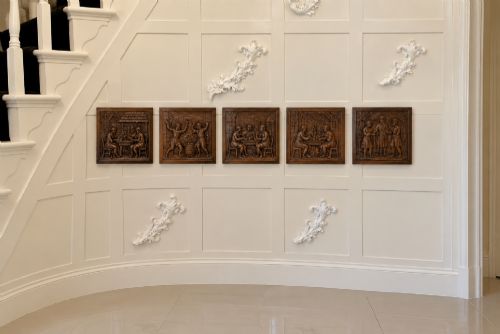
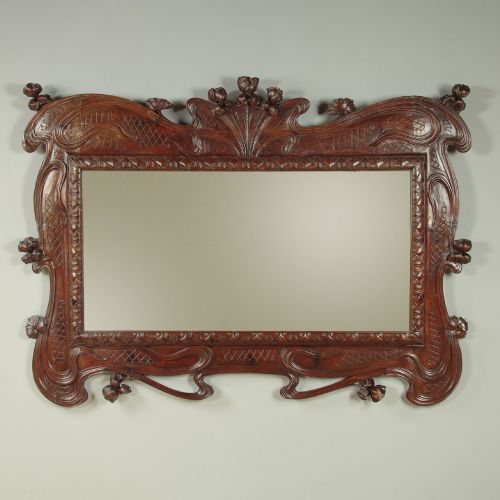
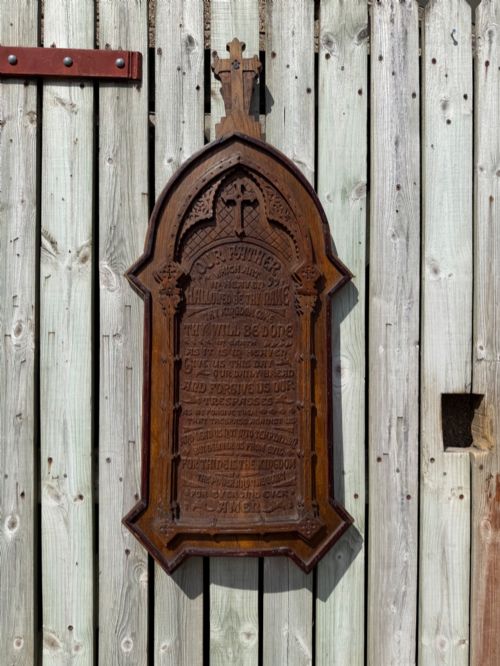
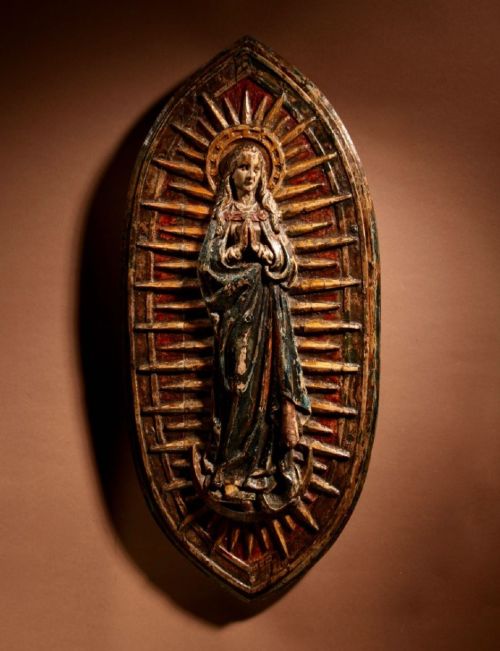
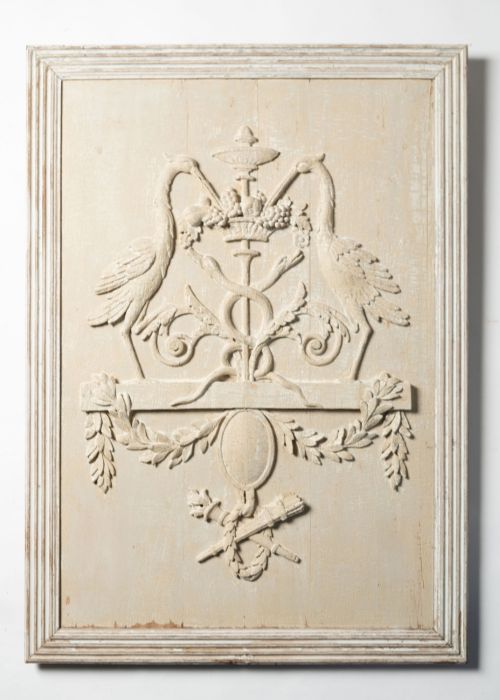
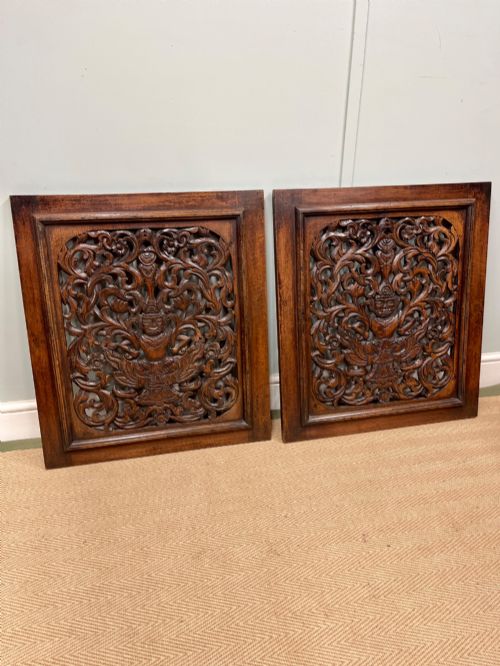
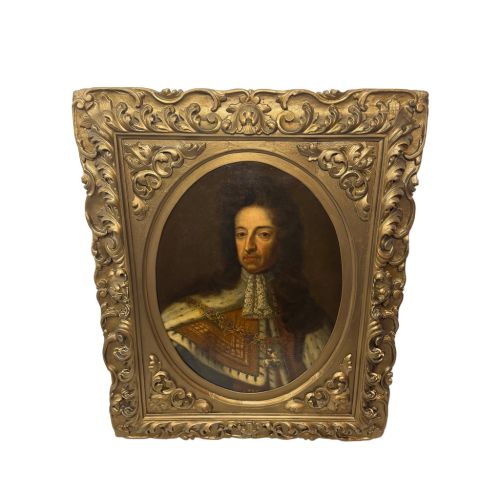
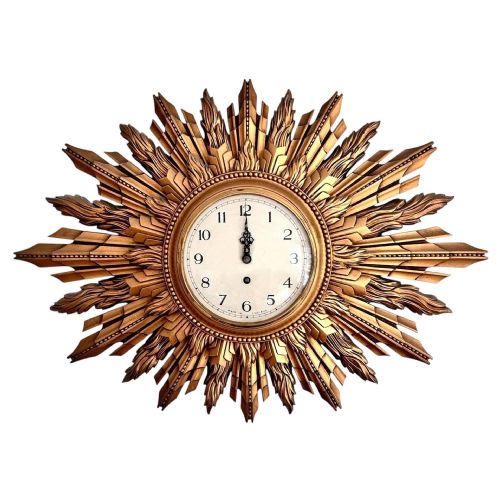
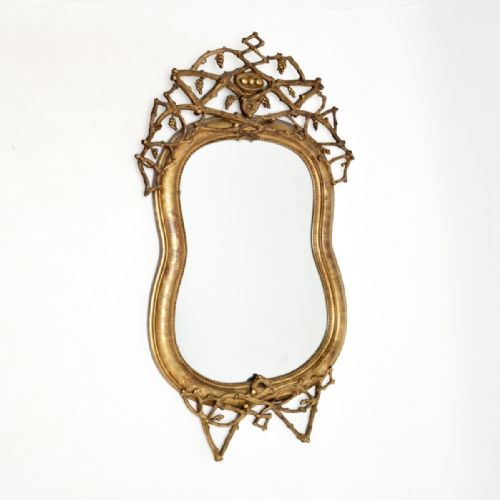
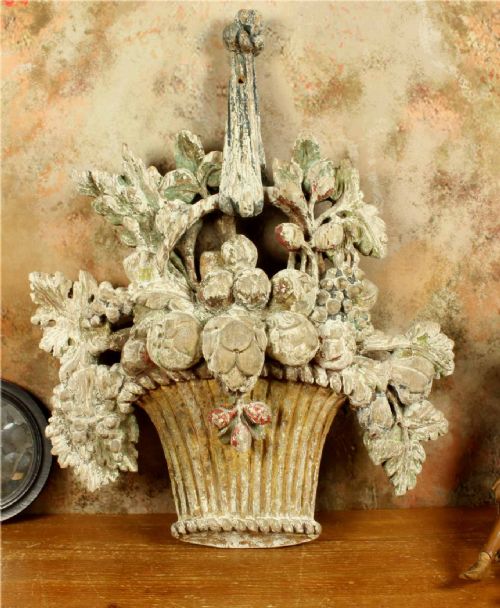
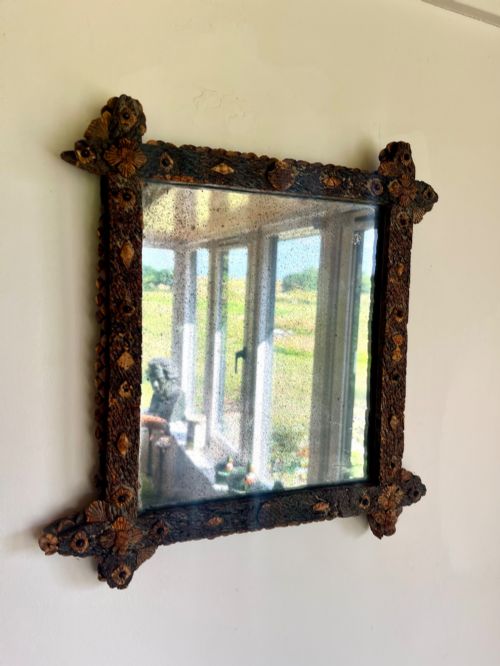
Carved wood wall art encompasses a wide array of decorative objects designed to be hung or mounted, ranging from architectural panels and devotional plaques to mirrors and sculptural reliefs. These pieces span from the seventeenth century through the early twentieth century, drawing on diverse aesthetics such as Baroque, Arts and Crafts, Folk Art, and Art Nouveau. The most common manifestations include intricately detailed panels, mirrors set within carved wooden frames, and figurative reliefs originating from Britain, continental Europe, and beyond.
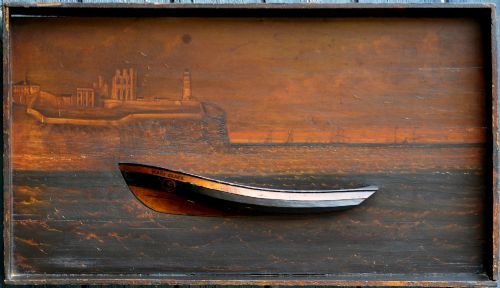
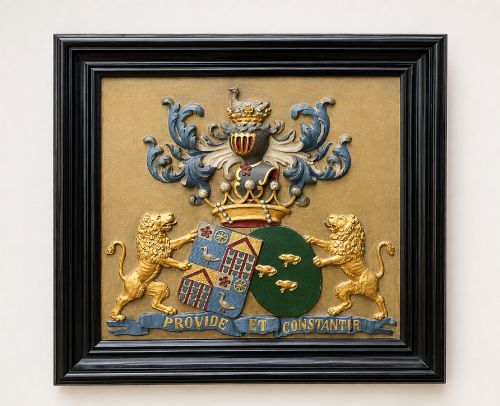
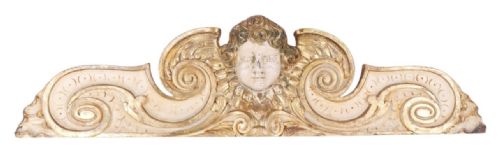
The objects grouped under this heading often originate from diverse contexts, including domestic interiors, religious settings, and maritime traditions. Buyers encounter everything from French and Italian hand-carved panels to Black Forest bird of prey mirrors, tramp art boxes, and overdoor carvings. Each item reflects the domestic or institutional tastes of its period, utilising wall space to display narrative scenes, heraldry, or purely ornamental foliage and floral reliefs.
Materials and construction methods
Wood serves as the primary medium, with oak, walnut, chestnut, fruitwood, and various softwoods chosen depending on the regional tradition and the level of detail required by the carver. Craftsmen utilised traditional hand tools such as gouges and chisels to shape the timber, frequently applying gesso, gold leaf, or paint to enhance the surface texture and create polychrome or gilded finishes. Many panels and plaques rely on traditional joinery methods to stabilize the timber against natural movement over the centuries.
Surface treatments often include applied gilding over gesso, dark polishing, or simple painted decoration that highlights the depth of the carving. In pieces such as Black Forest or folk art items, the natural grain of the wood remains exposed to emphasise the tactile qualities of the medium. Structural integrity is maintained through pegged joints, iron fixings, or canvas backing where panels have been adapted from larger architectural elements.
Assessing quality in carved works
The quality of carved wood wall art rests primarily upon the precision, depth, and confidence of the hand carving. Superior examples display crisp undercut details, anatomical accuracy in figures or animals, and a natural flow in foliage that reveals the hand of a master craftsman rather than mechanical repetition. Compositional balance and the preservation of the original surface finish, whether unblemished wood or patinated gilding, further elevate a piece.
Condition and originality play a significant role in distinguishing fine examples from lesser ones. Pieces that retain their original structural mounts, unpainted surfaces, and integrated frames hold greater integrity than those subject to extensive later restoration or significant timber shrinkage. The distinction lies in how well the carving communicates its original sculptural intent despite the passage of time.
Liberty & Co·Smiths
The Carved Wood Wall Art Glossary
- Gesso
- A plaster-like mixture applied to wood surfaces to prepare them for painting or gilding. It provides a smooth base that carvers and gilders utilised to build up fine decorative details.
- Tramp art
- A form of woodwork created by self-taught makers using simple hand tools, often utilising salvaged cigar boxes and packing crates. Pieces are characterised by chip-carved geometric layering.
- Overdoor
- An architectural panel or decorative carving positioned immediately above a doorway. These often feature figurative scenes, cherubs, or heraldic motifs.
- Relief
- A sculptural technique where the sculpted elements remain attached to a solid background of the same material. High relief projects significantly from the surface, while low relief remains flatter.
- Polychrome
- The practice of decorating architectural elements, wood carvings, or sculptures in a variety of colours. This finish was common in religious and folk art traditions.
Carved Wood Wall Art: Frequently Asked Questions
How do I hang heavy carved wooden wall art safely?
Heavy wooden panels and mirrors require secure fixings anchored directly into wall studs or masonry rather than relying solely on plasterboard. Utilise heavy-duty picture wire or flush-mounting brackets rated for the specific weight of the timber.
Ensuring the piece distributes its weight evenly across multiple points prevents structural strain on antique frames and joints over time.
How should I clean antique carved wood?
Dust carved surfaces gently using a soft, dry bristle brush or a microfibre cloth to reach into recessed areas without damaging the wood fibres. Avoid using liquid polishes, water, or commercial cleaners that can strip original wax patinas or soften gesso.
Maintaining a stable indoor humidity level prevents the timber from drying out, cracking, or warping over the seasons.
How can I tell the period of a carved wooden panel?
Dating carved wood relies on examining the tool marks, timber species, style of ornament, and construction methods visible on the reverse of the piece. Hand-cut joinery, adze marks, and period-specific motifs such as Gothic tracery or Art Nouveau whiplash lines provide reliable chronological indicators.
Comparing the wear patterns and patina with established historical examples helps confirm the age of the carving.