
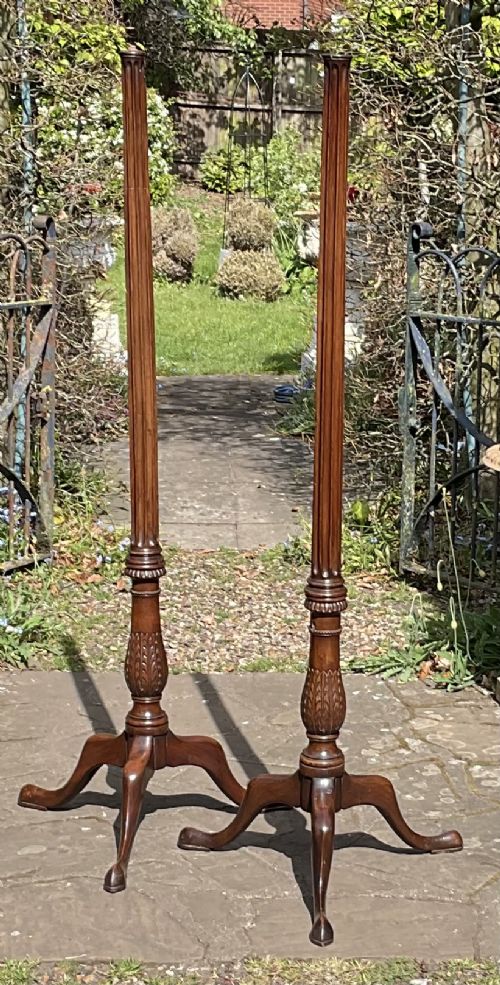


Carved Wood Torchere Column
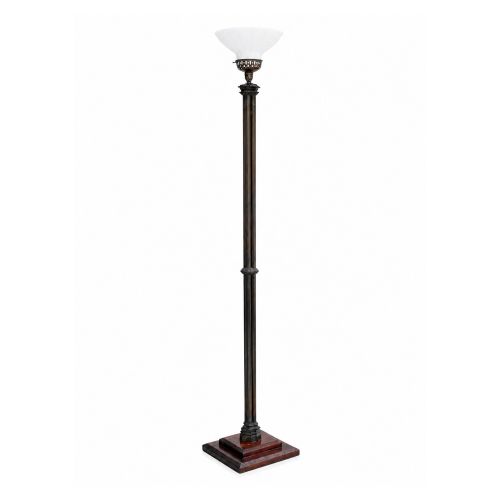
A carved wood torchere column elevates a lamp, bust or plant with architectural presence, offering a sculptural silhouette that anchors a room.
Carved Wood Torchere Column
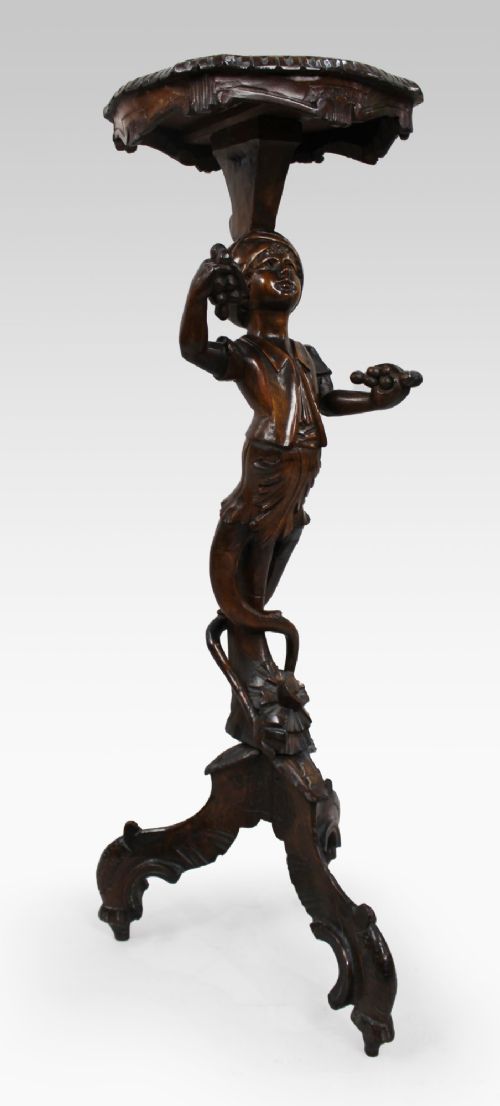
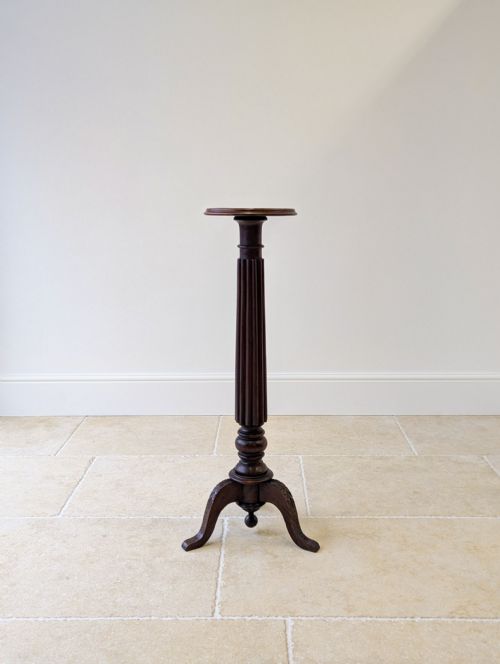
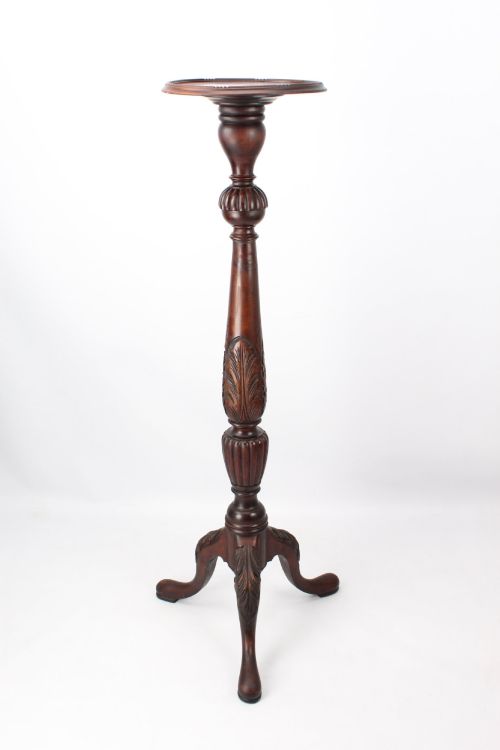
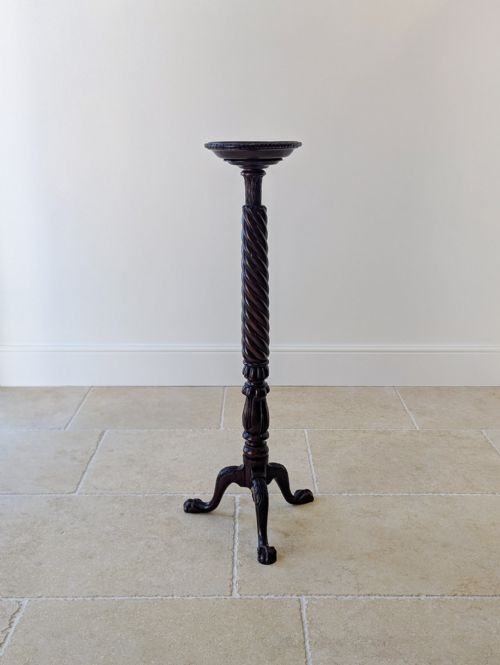
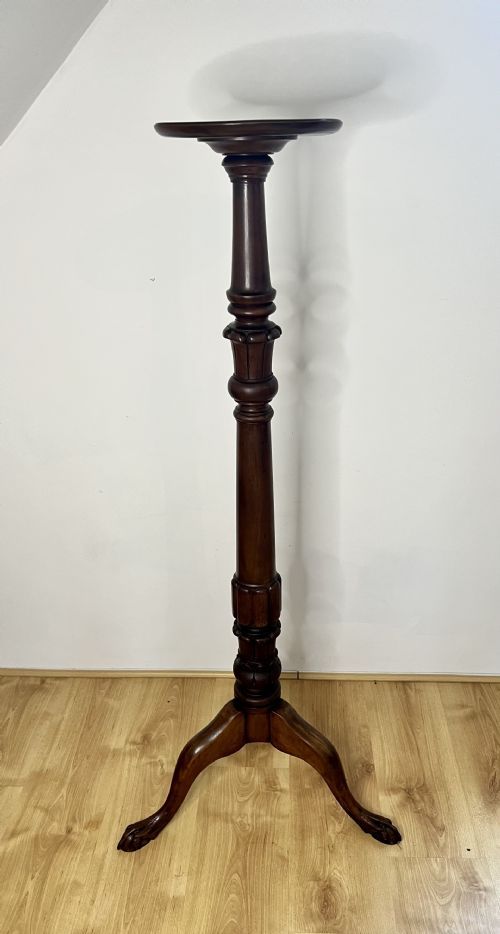
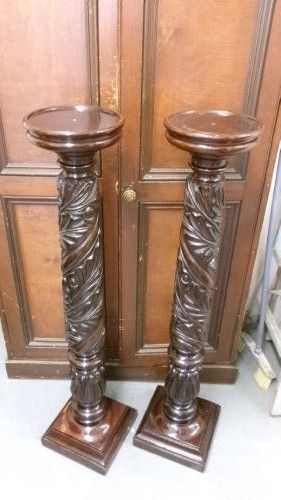
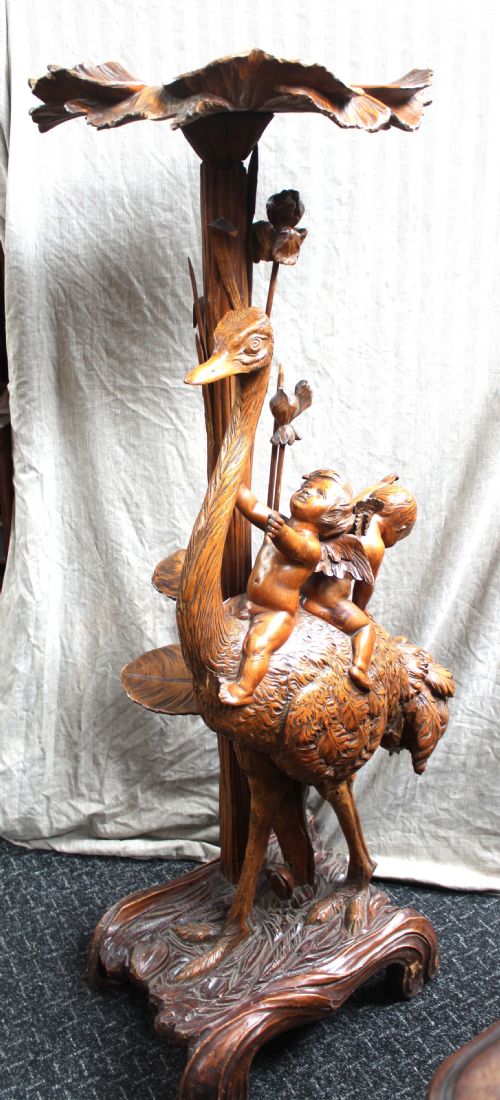
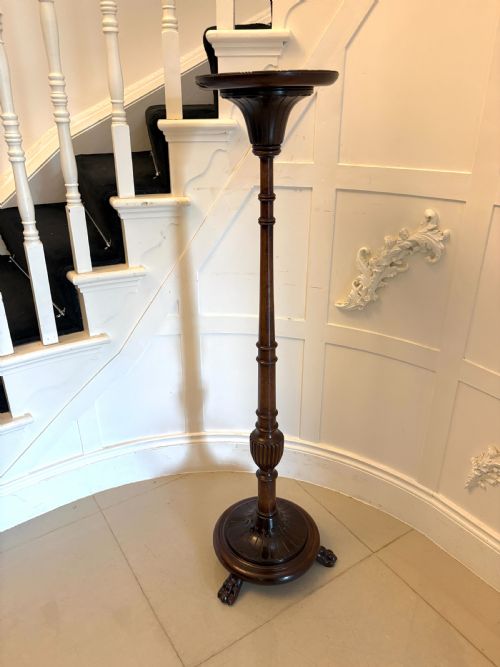
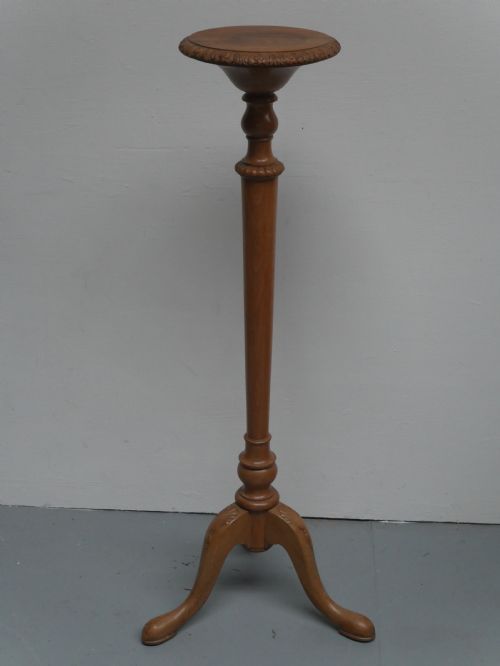
A carved wood torchere column functions as a raised stand for displaying plants, lamps, or decorative urns within domestic interiors. You will frequently encounter Victorian and Edwardian examples fashioned from rich mahogany, walnut, or oak, often resting on tripod or circular bases.
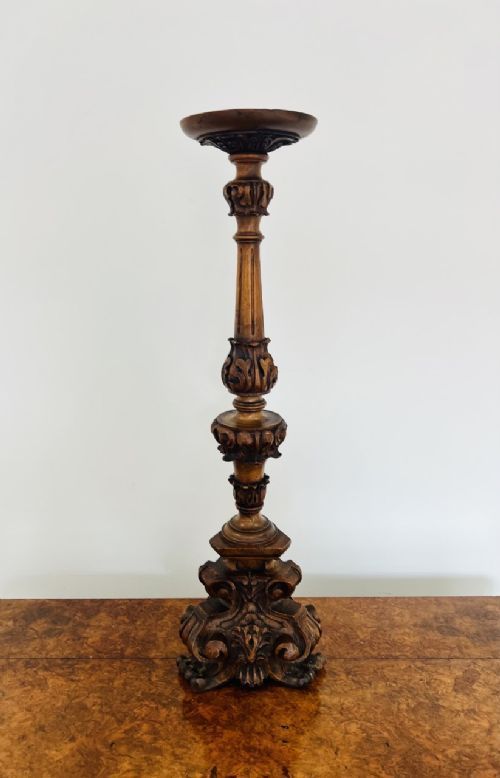
The selection ranges from tall, slender shafts intended for candle holders or small lamps to robust plant stands and jardiniere pedestals. Many pieces reflect revival aesthetics, drawing inspiration from Georgian, Gothic, or Baroque design vocabulary.
Origin and regional craftsmanship shape these furnishings, with Italian and continental workshops contributing giltwood and painted surfaces alongside English mahogany pieces. Regional variations span from country house utility to ornate figural carving.
Materials and construction methods
Cabinetmakers constructed these columns using solid hardwoods such as mahogany, walnut, and oak, ensuring stable weight distribution for tall shafts. Turning lathes shaped the central columns, while skilled artisans hand-carved decorative motifs directly into the timber.
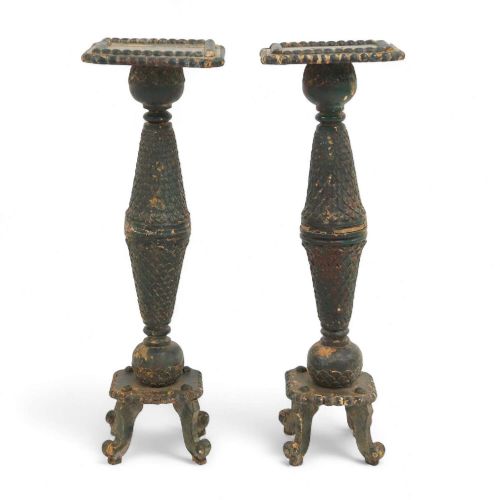
Surface ornamentation often involved applied gesso, gold leaf, or paint finishes to emulate grander materials or provide rich polychrome effects. Italian and continental pieces frequently utilised giltwood and pine, finished with detailed carving and gilding.
A Chinese dragon manages to guard a corner just as fiercely as any Victorian crouching figure.
Distinctions in craftsmanship and design
The standard of a carved wood torchere column rests upon the crispness and depth of its hand-carving rather than plain turned surfaces. Fine examples exhibit undercut foliage, sharp drapery folds, or detailed figural elements that demonstrate superior bench work.
Choice of timber and material integrity dictate longevity and visual weight, with dense, well-figured mahogany or walnut outperforming softer secondary woods. Original surface treatments, such as untouched green paint or authentic gilding, elevate a piece above later refinished iterations.
The Carved Wood Torchere Column Glossary
- Torchere
- A tall, slender stand originally designed to hold a candle or torch, now commonly utilised for lamps, plants, or decorative busts. The form evolved from seventeenth-century lighting stands into nineteenth-century decorative display columns.
- Jardiniere
- An ornamental receptacle or stand for holding a plant or flower pot. These often feature raised rims or lined wells integrated into the top surface.
- Gesso
- A plaster-like mixture applied to wood surfaces as a smooth base for paint or gold leaf gilding. It allows for intricate relief moulding before finishing.
- Giltwood
- Timber that has been coated with gold leaf or gold paint. This technique was favoured in Italian Baroque and later revival pieces to catch candlelight.
- Triform
- A base or platform supported by three feet or legs, typical of classical tripod torchere design. This arrangement provides stability for tall, slender columns.
Carved Wood Torchere Column: Frequently Asked Questions
What is a torchere used for?
A torchere serves as an elevated display platform for lamps, urns, plants, or sculptural busts. Historically designed to illuminate rooms with candles, the form now functions as a vertical accent in interior design.
These stands place decorative objects at eye level, adding height and architectural interest to corners or empty wall spaces.
How do I date a wooden torchere?
Dating relies on examining the timber species, joinery methods, and stylistic revival cues. Victorian and Edwardian pieces often display heavier proportions and machine-assisted turning alongside hand-carving.
Earlier examples from the eighteenth or early nineteenth centuries utilise solid native hardwoods and show hand-finished tool marks beneath the base or internal framing.
Are these stands stable enough for plants?
Most torchere columns are engineered with weighted or tripod bases to support moderate loads like plant pots or lamps. However, tall, slender shafts require careful placement to avoid tipping in high-traffic areas.
Checking the base construction and leg spread ensures the stand can safely bear the weight of a heavy jardiniere or ceramic pot.
What distinguishes Italian torchere columns?
Italian torchere columns frequently utilise softer woods like pinewood finished with intricate gesso, paint, or giltwood. These continental pieces often lean into Baroque or Neoclassical styles with dramatic carving.
English equivalents tend to focus on dense hardwoods such as mahogany and walnut, reflecting Georgian or Victorian revival tastes with more restrained ornamentation.