

Carved Wood Side Lamp
A carved wood side lamp brings warmth and functional surface space to a corner, combining carved timber bases with reliable illumination.
Carved Wood Side Lamp
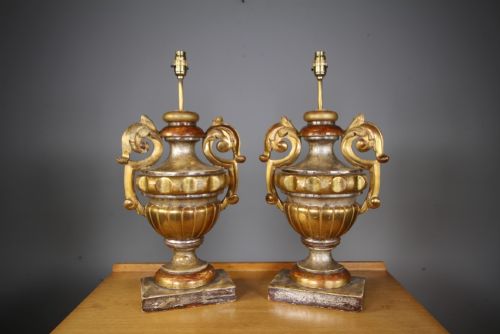
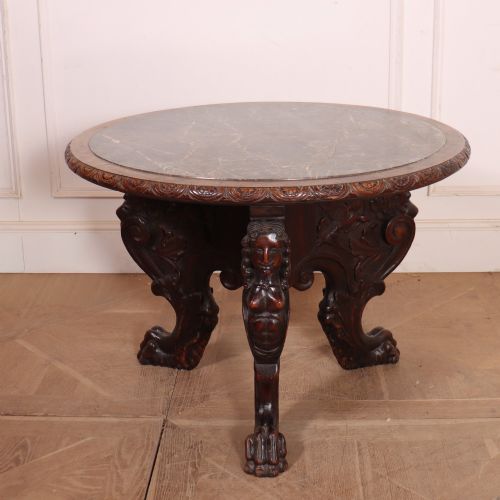
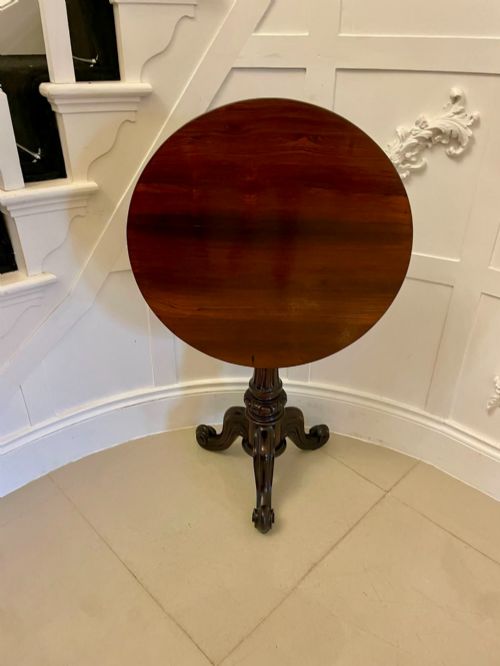
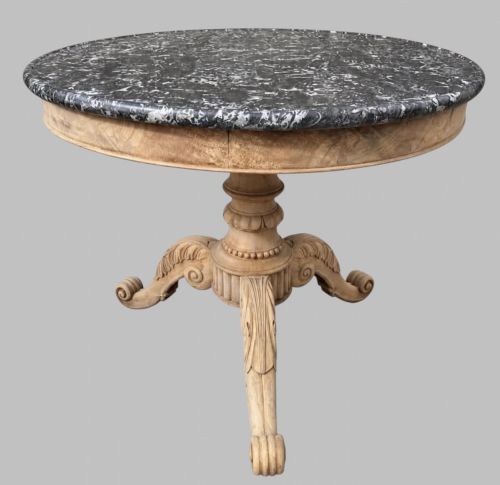
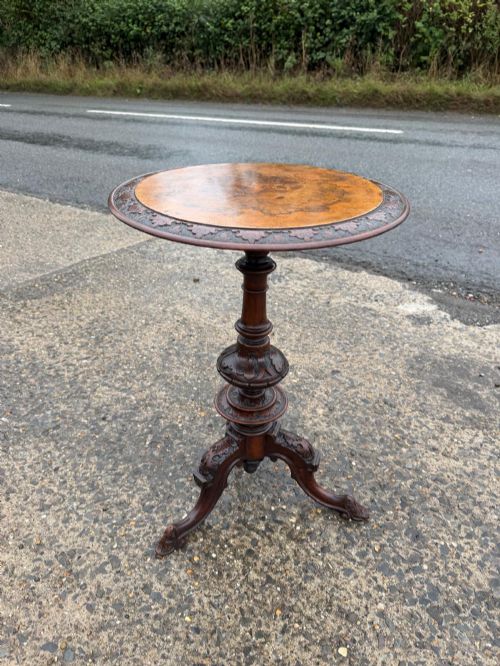
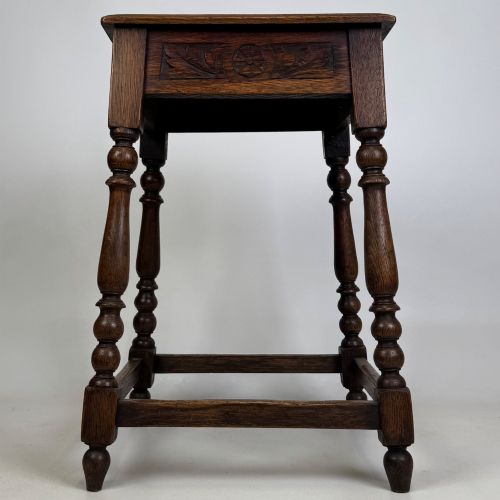
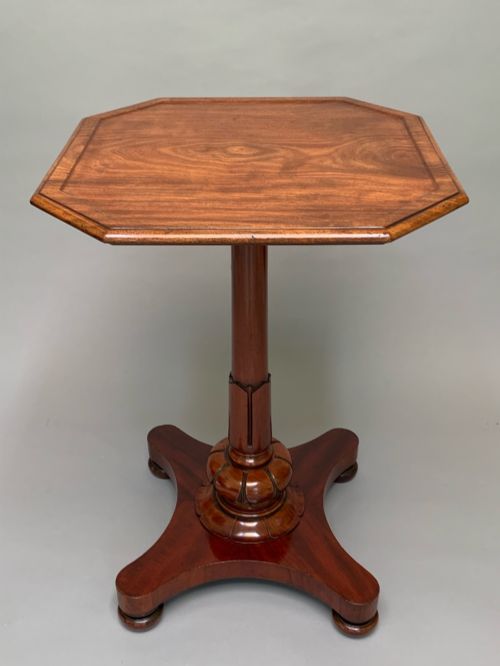
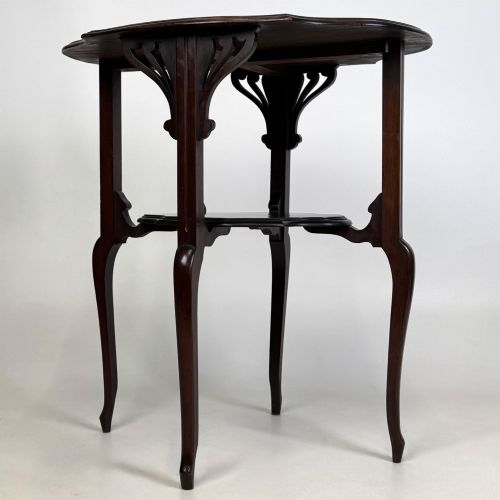
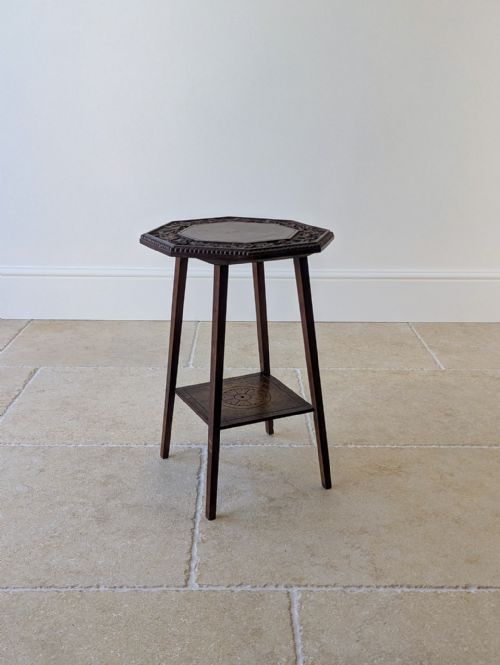
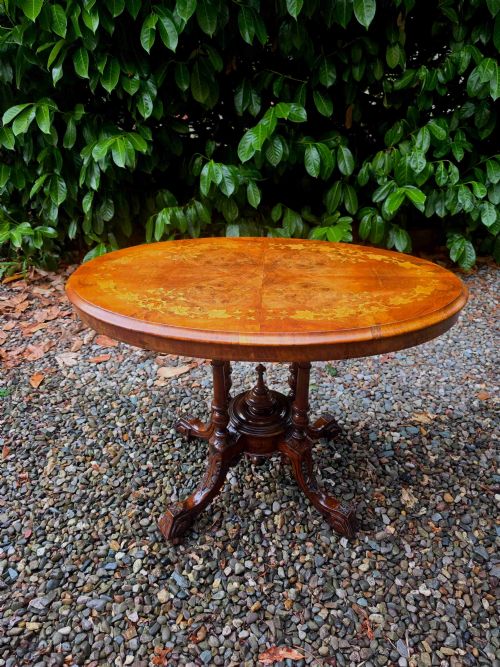
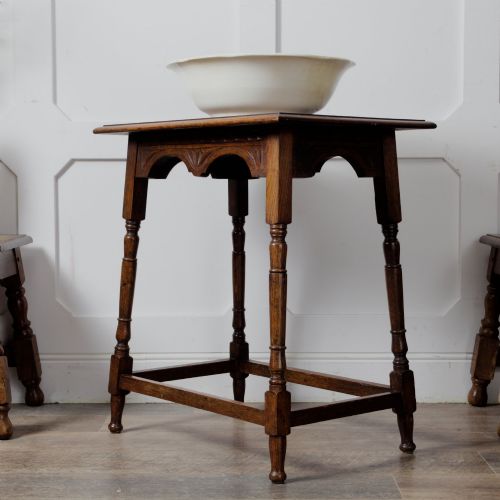
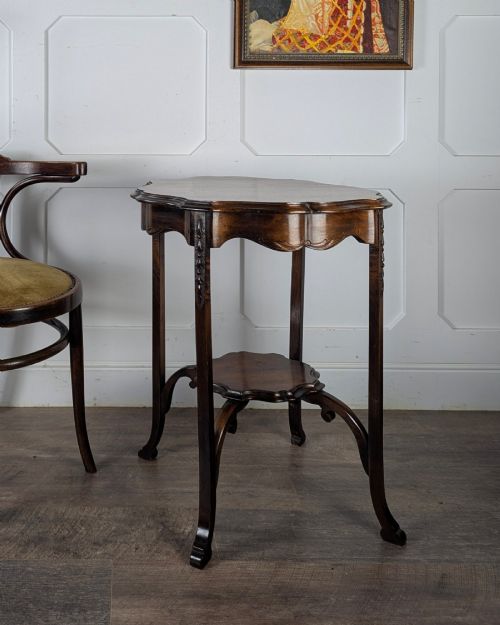
When you search for a carved wood side lamp, you encounter a selection of occasional tables, wine tables, and tripod tables adapted for lighting, alongside converted architectural elements and carved lamp bases. These pieces emerge from periods spanning the eighteenth century through the Edwardian era, utilising traditional forms designed to sit beside seating or in hallways.
The inventory on this page draws heavily from Victorian and Edwardian workshops, featuring tripod lamp tables, occasional tables in mahogany and walnut, and occasional pieces with carved details. Makers and craftsmen of these periods adapted standard table forms, such as wine tables and gueridon tables, to hold table lamps and urn lamps.
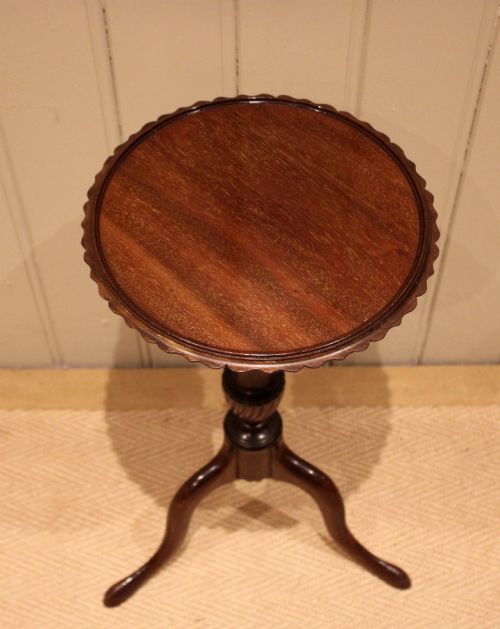
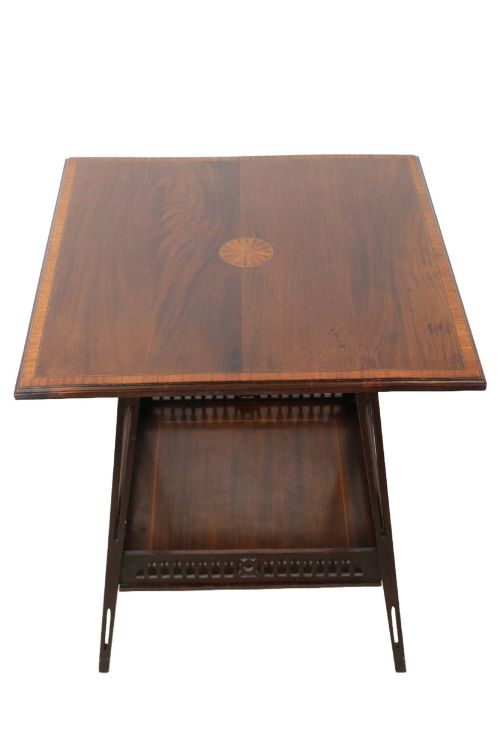
Origins span English, French, Swedish, Italian, and Chinese workshops, with styles ranging from plain Georgian revival to Arts and Crafts and Gothic revivals. Buyers find circular lamp tables with scalloped rims, square low tables, and occasional tables with bobbin galleries ready for everyday placement.
How they were made
Makers shaped these pieces from dense hardwoods, utilising solid mahogany, walnut, burr walnut, rosewood, oak, and pine. Carved details required hand chiselling on pedestals, aprons, and rims, while turned columns and tripod legs provided stable support for raised lamp surfaces.
Construction techniques include traditional joinery such as mortise and tenon frames, turned pedestal pillars, and three-legged tripod bases secured to central stems. Inlaid veneers in burr woods and lighter stringing added decorative contrast to table tops.
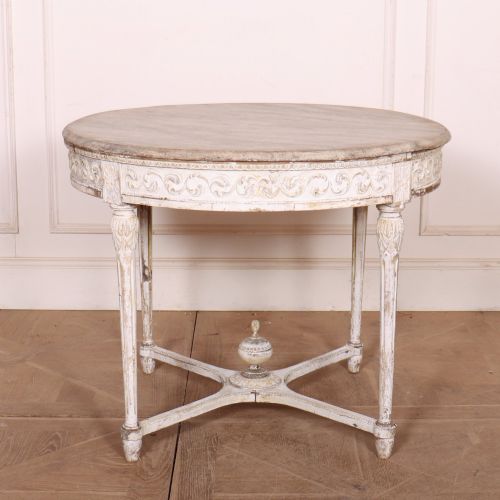
Surface finishing involved hand polishing with shellac or wax to seal the timber and highlight natural grain figures in walnut and mahogany. Painted and bleached finishes appear on continental European examples, reflecting regional preferences for lighter or decorative timbers.
Several pieces include unusual conversions, turning sphinx figures and campaign tables into decorative lighting stands.
What varies in quality
Quality rests in the crispness of the hand carving and the selection of timber veneers, such as figured mahogany and burr walnut tops. Superior examples display balanced proportions, stable tripod bases with tight joints, and refined mouldings like pie crust rims or bobbin galleries.
Execution of secondary details, including brass hardware, inlaid stringing, and turned pillar turning, separates standard production pieces from finer cabinet work. Tables retaining original polished surfaces and sound structural framing demonstrate superior longevity and preservation.
Trevor Page And Co·Shapland And Petter
The Carved Wood Side Lamp Glossary
- Tripod table
- A small circular table supported by three legs radiating from a central pillar. These tables were easily moved around a room for tea or reading.
- Gueridon
- A small decorative stand or table, originating in seventeenth-century France. They often feature a circular top on a carved pedestal base.
- Wine table
- A small occasional table designed to hold a glass or bottle. They typically feature a slender stem and a circular or scalloped top.
- Pie crust rim
- A carved, raised wooden edge shaped with decorative curves resembling pastry work. This detail prevents items from sliding off the table surface.
- Burr walnut
- Timber taken from a tree growth featuring intricate, swirling grain patterns. Cabinet makers used veneers of this wood for decorative table tops.
Carved Wood Side Lamp: Frequently Asked Questions
What is a carved wood side lamp?
A carved wood side lamp typically refers to an occasional table designed to hold a lamp, or a carved wooden base wired for lighting. These items combine functional surface space with decorative timber carving.
They appear in various historic forms, including tripod tables and wine tables adapted from the nineteenth and early twentieth centuries.
How do I style a side table lamp?
Place these tables beside armchairs, sofas, or in entrance halls where they provide both illumination and a surface for small objects. Their compact footprints suit corners and narrow spaces.
Pairing a timber lamp table with traditional upholstery or contrasting modern seating highlights the grain and carved details of the wood.
How do I identify Victorian pieces?
Victorian tables often feature dense timbers like mahogany and walnut, frequently incorporating burr wood veneers and turned tripod bases. Carved decoration on these pieces tends to be heavier and deeper than on earlier Georgian examples.
Look for construction traits such as solid secondary timbers, hand-cut joinery, and traditional wax or shellac finishes.
Are Edwardian tables different?
Edwardian tables generally display lighter proportions and draw inspiration from earlier Georgian designs, often featuring inlaid stringing and mahogany frames. They tend to be refined and functional.
These pieces reflect a revived interest in classical styles, executed with neat craftsmanship suitable for comfortable homes of the early twentieth century.