


Carved Wood Picture Mirror
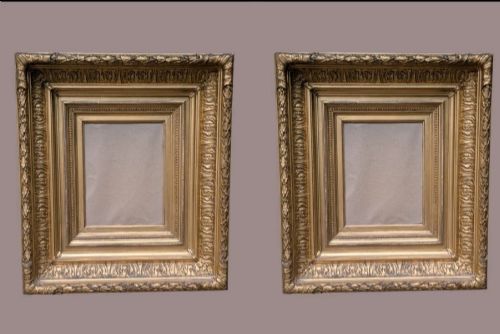
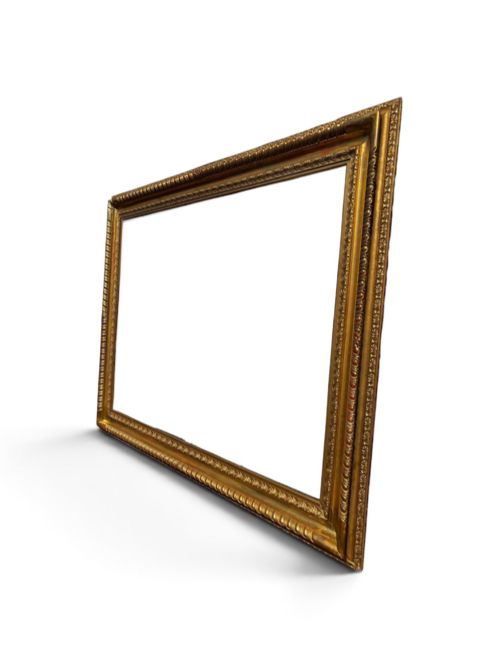
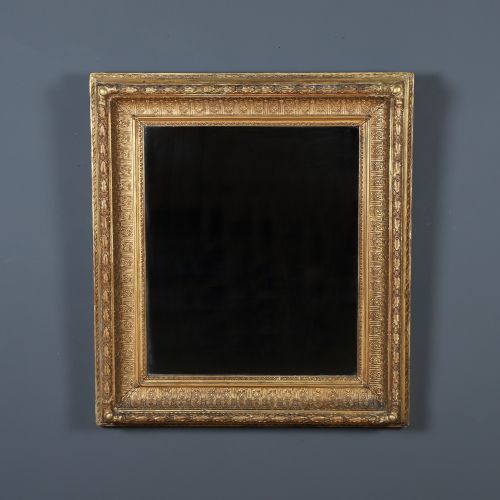
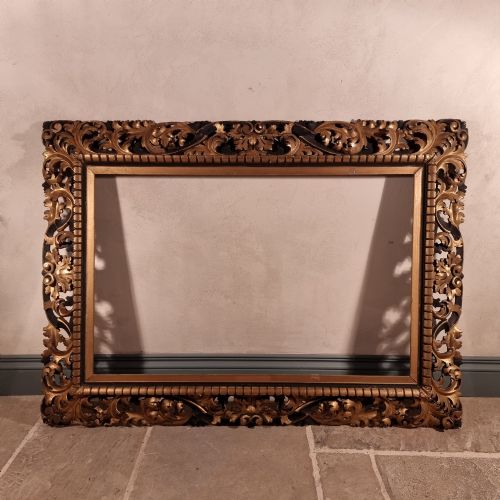
A carved wood picture mirror brings together structural timber, reflective glass, and ornate gilding to anchor a room.
Carved Wood Picture Mirror
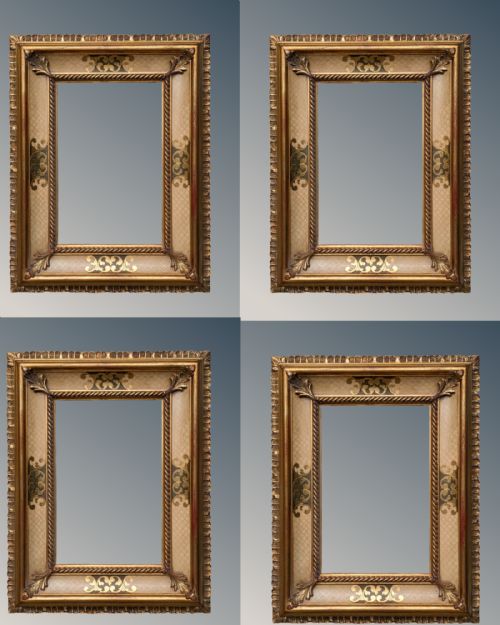
A carved wood picture mirror combines the deep profiles of antique framing with functional glass to serve as both artwork housing and wall decor. When searching for a carved wood picture mirror, buyers encounter a rich assortment ranging from seventeenth-century Spanish Baroque pieces to nineteenth-century Victorian overmantles and Edwardian wall mirrors.
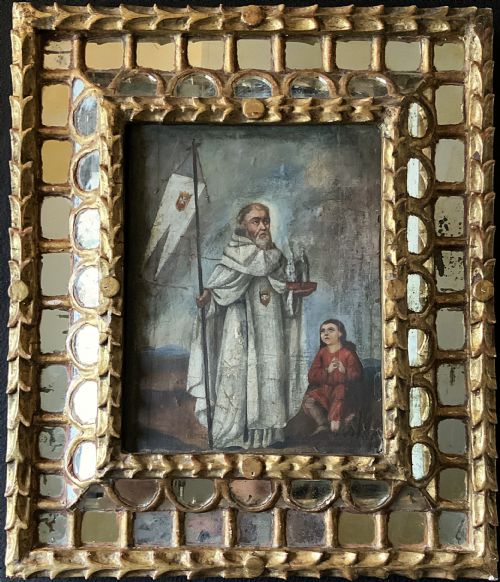
The selections span distinct regional traditions and decorative revivals, including Florentine, Rococo, and Italian Renaissance styles. Many items originate as deep picture frames later adapted with mirror glass, while others are built from the outset as dedicated wall mirrors.
Dating ranges from the seventeenth century through to the early twentieth century, capturing decades of changing interior tastes. The forms vary from intimate oval frames to expansive rectangular overmantle mirrors designed for grand hallways and living spaces.
Materials and construction methods
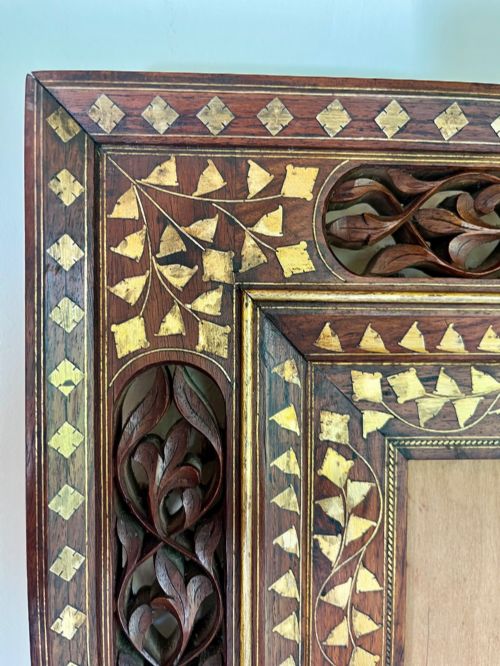
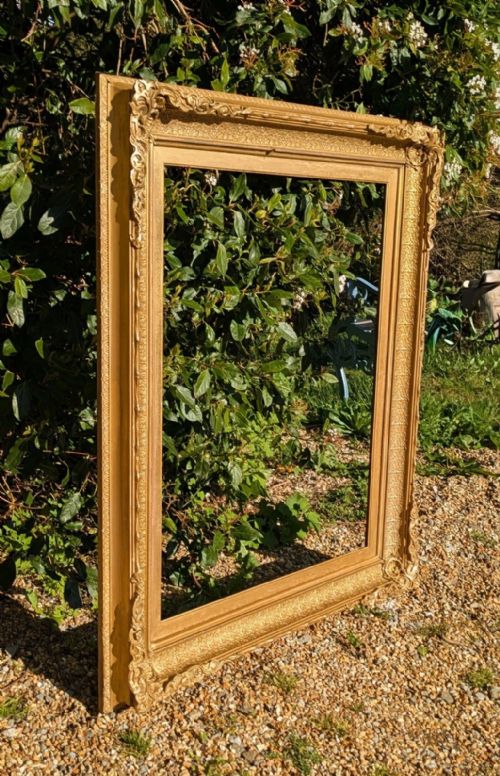
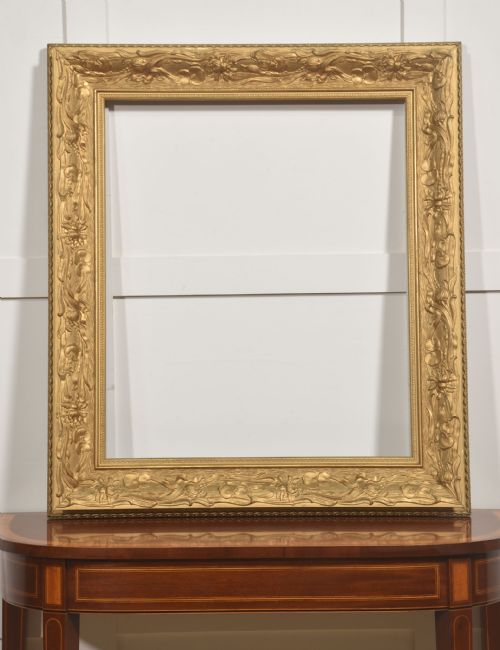
Craftsmen built these pieces using timber frames enriched with layers of gesso and composition to hold intricate sculptural detail. Artisans applied gold leaf and gilding directly over these prepared surfaces to achieve a luminous finish that catches natural room light.
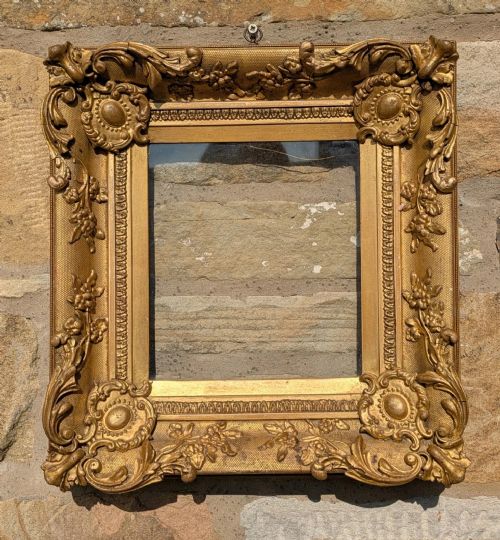
Wood carving formed the structural base, utilising solid timber foundations decorated with acanthus leaves, lions' heads, and floral motifs. Specialised joinery secured heavy frames, while backings and glass were fitted to withstand the weight of the ornate wooden mouldings.
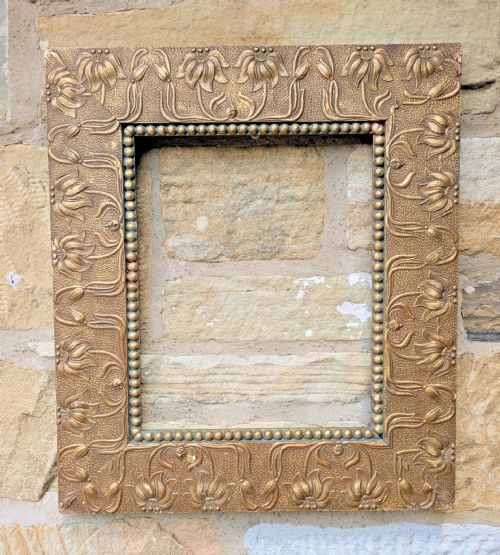
Current listings incorporate nineteenth-century Victorian overmantles alongside seventeenth-century Spanish Baroque pieces and early twentieth-century Art Nouveau frames.
Judging quality and craftsmanship
The distinction between ordinary and exceptional pieces lies in the crispness of the hand-carving and the depth of the timber moulding. Superior items display meticulously rendered decorative elements such as acanthus leaves and sculptural reliefs that retain their sharp definition beneath the gilding.
The quality of the gesso application and the integrity of the original gold leaf surface define the visual richness of the object. Heavier, deeper frames with sound timber construction and untouched period surfaces command greater appreciation among collectors.
The Carved Wood Picture Mirror Glossary
- Giltwood
- Timber that has been coated with gold leaf or metallic paint. This finish creates the bright, reflective surface characteristic of formal antique frames.
- Gesso
- A plaster-like mixture applied to wood surfaces to provide a smooth base for carving and gilding. It allows artisans to shape fine decorative details before applying gold leaf.
- Overmantle
- A large mirror or frame designed specifically to hang above a fireplace mantelpiece. These pieces often feature extended horizontal proportions to fill the wall space above a hearth.
- Cassetta
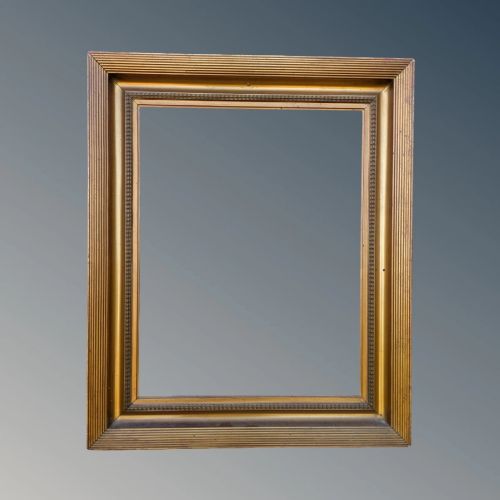
- A flat-profile architectural frame style featuring raised inner and outer mouldings. Popular during the Italian Renaissance, it provides a structured border for paintings and mirrors.
- Acanthus
- A classical ornamentation motif modelled after the leaves of the acanthus plant. It appears frequently in carved wood decoration across Victorian and revival styles.
Carved Wood Picture Mirror: Frequently Asked Questions
How do I hang a heavy carved wood mirror?
These substantial wooden pieces require secure wall fixings anchored directly into structural studs or masonry. Using heavy-duty picture wire paired with appropriate wall brackets ensures the weight is safely distributed.
Professional installation is recommended for larger overmantle mirrors and deep frames. This prevents structural strain on the original timber joints and protects the surrounding wall.
Are these mirrors or picture frames?
Many items began life as deep oil painting frames before being fitted with mirror glass by later owners or period workshops. Others were manufactured specifically as wall mirrors from the outset.
Both forms share identical construction techniques and ornate carving styles. Buyers can use either format to introduce reflective light and period character to an interior.
How should I clean antique giltwood?
Dusting should be performed gently using a soft, dry brush to avoid disturbing fragile gesso and gold leaf surfaces. Liquid cleaners and chemical solvents must be strictly avoided as they can strip the historic finish.
Professional conservation is advised for pieces showing flaking or structural instability. Regular gentle maintenance preserves the integrity of the antique materials.
What periods do these pieces date from?
The available selection spans several centuries, starting with seventeenth-century Baroque and eighteenth-century Renaissance revival pieces. Nineteenth-century Victorian and Edwardian examples are also widely represented.
Stylistic cues such as Rococo curves or Art Nouveau linear motifs help identify the era of manufacture. Each period brings distinct carving techniques and decorative proportions.