

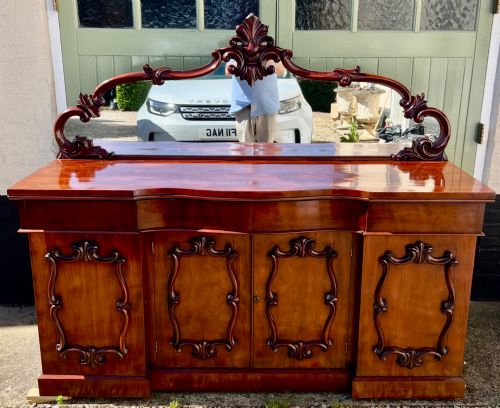
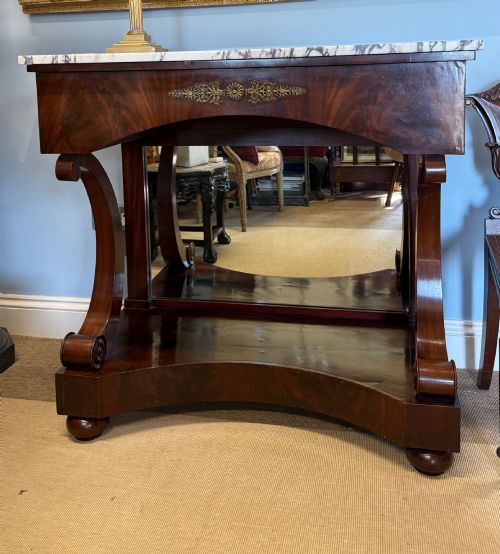
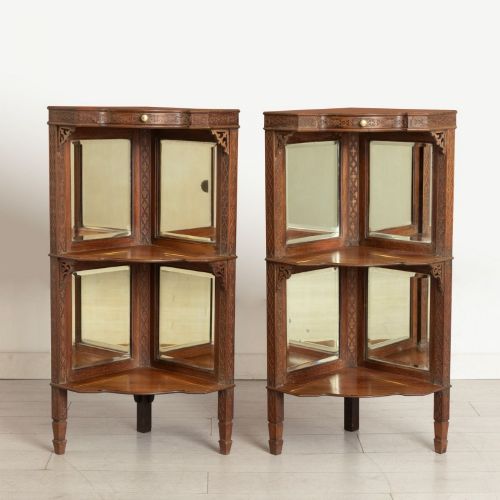

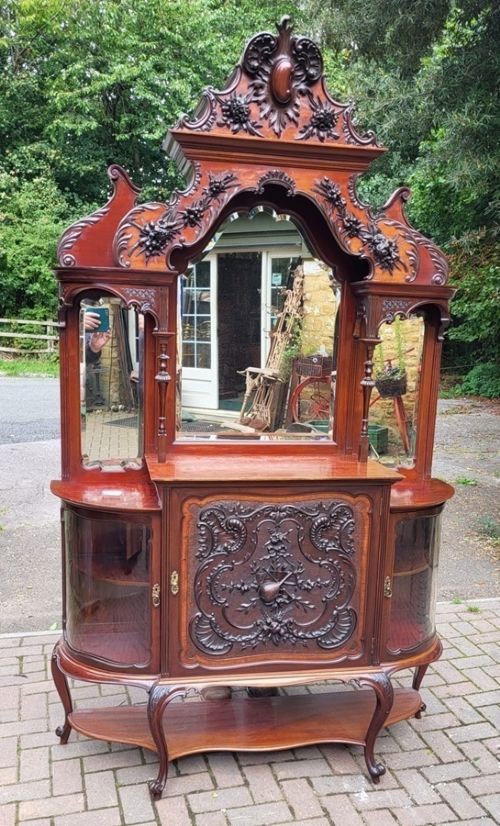


Carved Wood Mirror Back
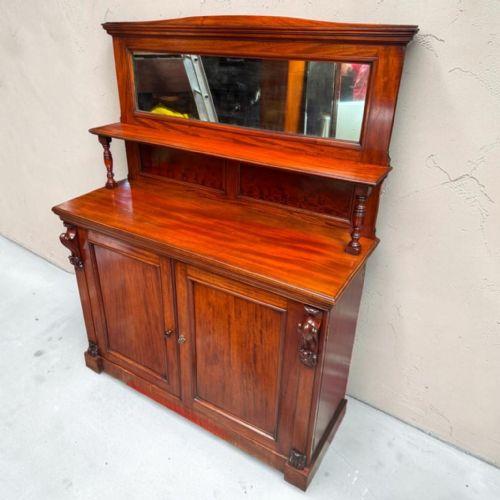
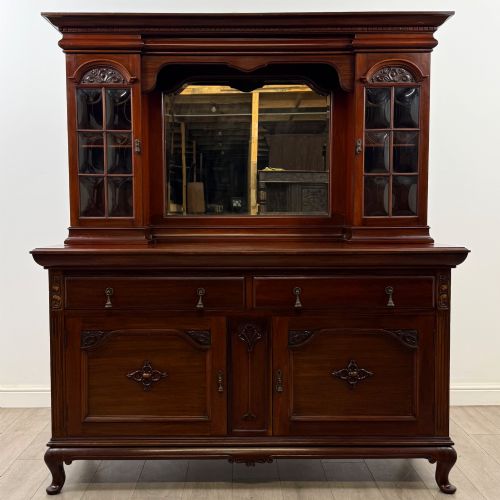
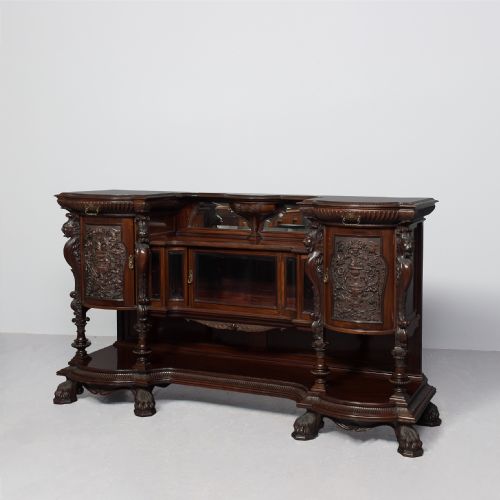
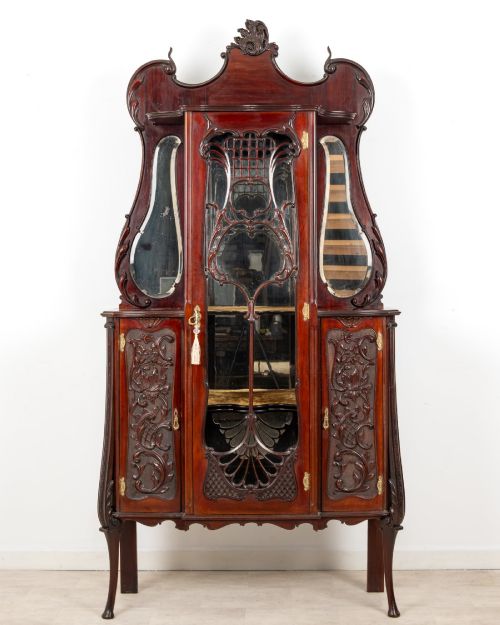
These carved wood mirror back pieces combine heavy timber frames with reflective glass, offering practical storage and decorative depth.
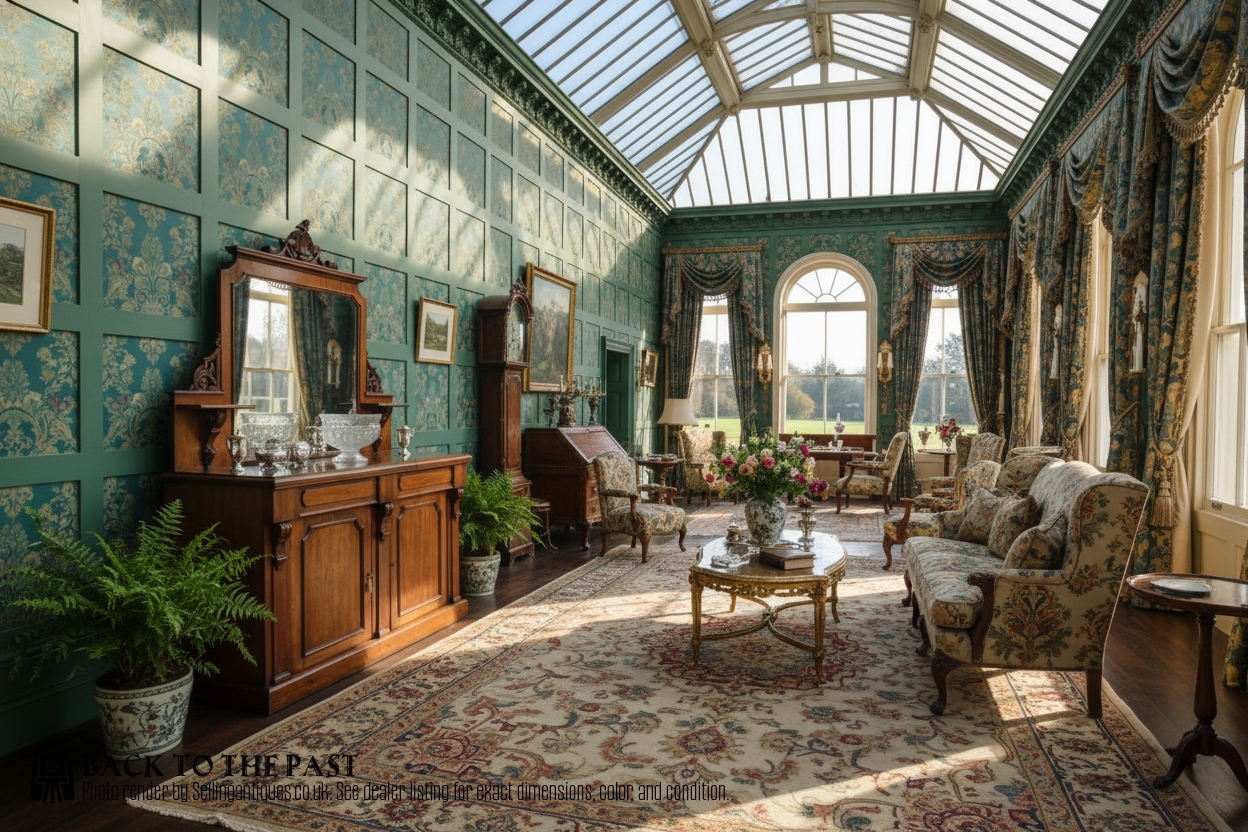
Carved Wood Mirror Back
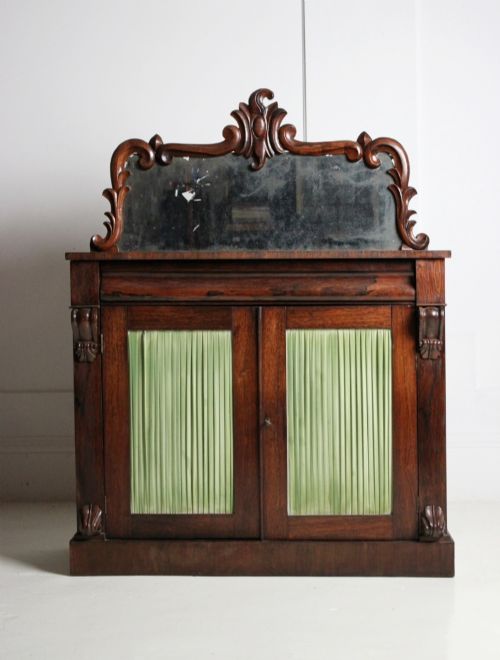
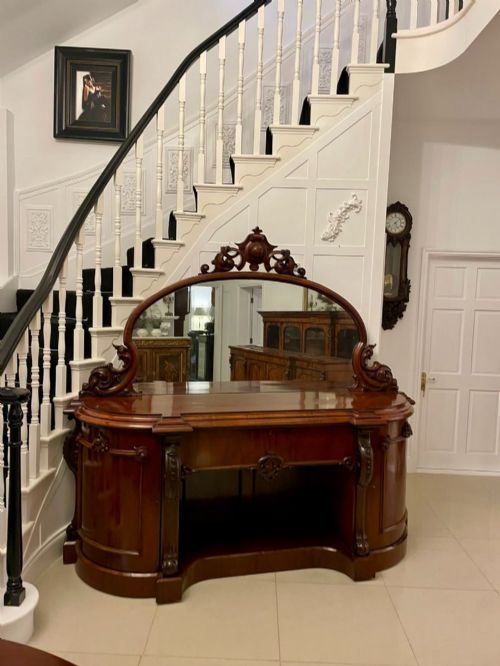
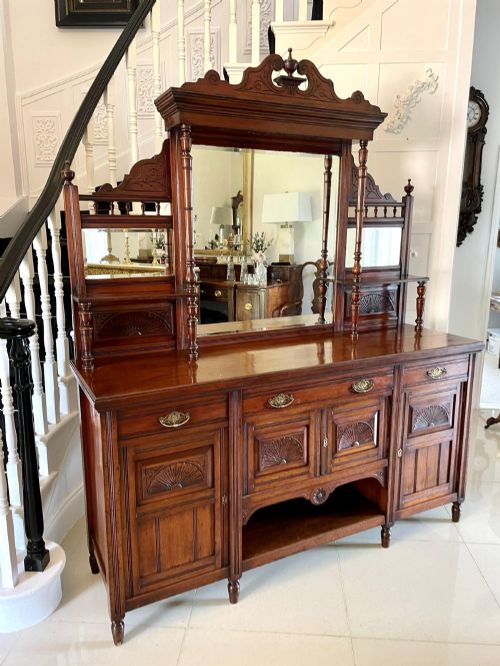
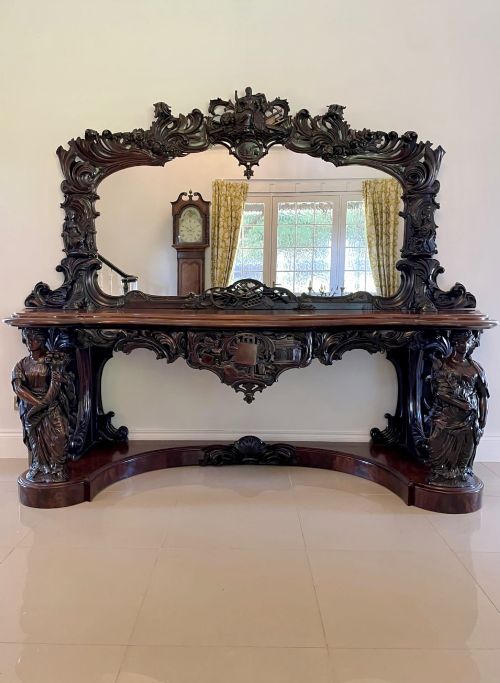
A carved wood mirror back most commonly appears integrated into large Victorian sideboards, console tables, and display cabinets from the nineteenth century. These forms serve as substantial dining room or hallway furniture designed to display silver and ceramics while reflecting light back into the interior. Buyers frequently encounter nineteenth-century mahogany and walnut examples featuring heavy carving and upright glass plates.
The integration of the mirror serves both a functional and aesthetic purpose, enlarging the visual space of a room while highlighting the objects placed on the surface below. Sideboards and console tables dominate the available range, often incorporating cupboards, drawers, and marble tops alongside the wooden mirror frame. Victorian and Edwardian iterations show stylistic shifts from heavy gothic revival motifs to cleaner arts and crafts lines.
How carved wood mirror back pieces were made
Cabinetmakers utilised dense hardwoods such as mahogany, walnut, oak, and rosewood for the structural frames and decorative mouldings. These timbers were selected for their stability and grain pattern, then hand-carved with foliage, scrolls, or figural details. Marble inserts frequently provide durable top surfaces for console tables and sideboards.
Mirror glass was silvered and set into Rebated wooden frames designed to support the heavy weight of the plate without warping the timber. Brass hardware, including handles and hinges, completes the construction of cabinets and sideboards, securing doors and drawers built with traditional joinery.
Some nineteenth-century sideboards feature carved wooden faces gazing out from the foliage, keeping a silent watch over the dining room.
What varies in quality in carved wood mirror back pieces
Depth and crispness of the hand carving separate standard production pieces from exhibition-grade examples. Superior items display undercut foliage and well-defined figures rather than shallow, mechanically stamped ornament.
The choice of timber figure and the integrity of the original mirror glass dictate the overall standard. High-quality pieces retain their original mercury or silvered glass without excessive foxing, paired with unblemished mahogany, walnut, or rosewood veneers.
Edwards & Roberts
The Carved Wood Mirror Back Glossary
- Mirror back
- A wooden superstructure incorporating a glass mirror, attached to the rear of a sideboard, console table, or cabinet. It reflects room light and displays items placed on the surface.
- Console table
- A wall-mounted or freestanding table designed to stand against a wall, frequently paired with a mirror back. These tables often feature marble tops and carved wooden legs.
- Chiffonier
- A low sideboard or cabinet with enclosed shelving and often a mirror-backed superstructure. The form developed during the nineteenth century for drawing rooms and dining spaces.
- Breakfront
- A piece of furniture where the central section projects forward from the flanking cabinets. This configuration adds visual depth to sideboards and display cases.
- Green Man
- A carved decorative motif depicting a human face entwined with foliage, vines, or branches. It appears frequently on nineteenth-century oak furniture and architectural woodwork.
Carved Wood Mirror Back: Frequently Asked Questions
Can I separate the mirror from the sideboard?
Many mirror backs are constructed as separate superstructures bolted or screwed into the back of the base cabinet. Removing them requires accessing the fixings from the rear of the piece.
Caution is necessary because the glass plate adds considerable weight and shifting the mirror frame can strain the old wooden joints. Professional assistance ensures the piece is not damaged during disassembly.
What rooms suit a mirror back console table?
Hallways and dining rooms provide ideal settings because the reflective glass enlarges confined spaces and bounces natural light around. Console tables fit neatly against flat walls without protruding too far into walking paths.
Living rooms also accommodate these pieces well, serving as display surfaces for lamps, books, and decorative objects. The heavy timber construction anchors larger interior layouts effectively.
How do I date a Victorian mirror back?
Examine the style of the wood carving, the construction of the drawers, and the characteristics of the mirror glass. Victorian pieces from the 1850s often display robust rococo revival curves, while later examples from the 1880s incorporate heavier architectural mouldings.
Hand-cut dovetails in the drawer boxes and uniform mahogany or walnut veneers support a nineteenth-century attribution. Later Edwardian items tend to show lighter framing and simpler arts and crafts influences.