
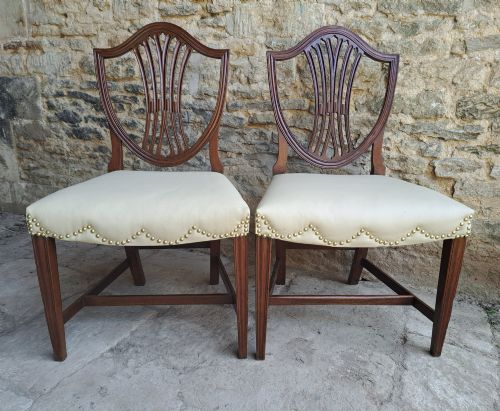
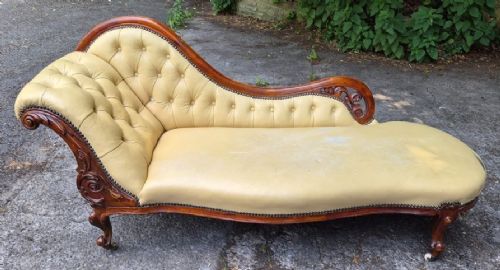
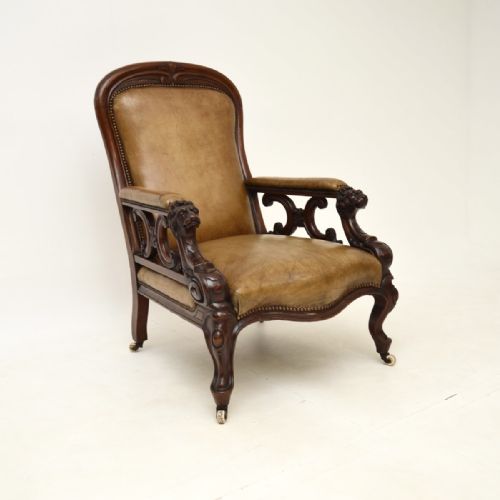
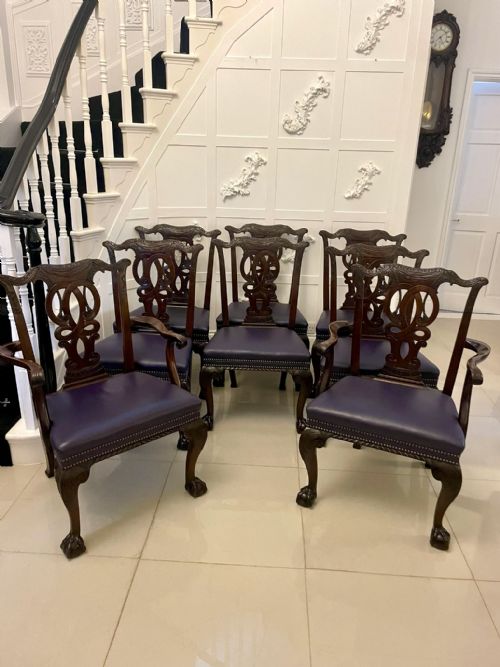




Carved Wood Leather Chair
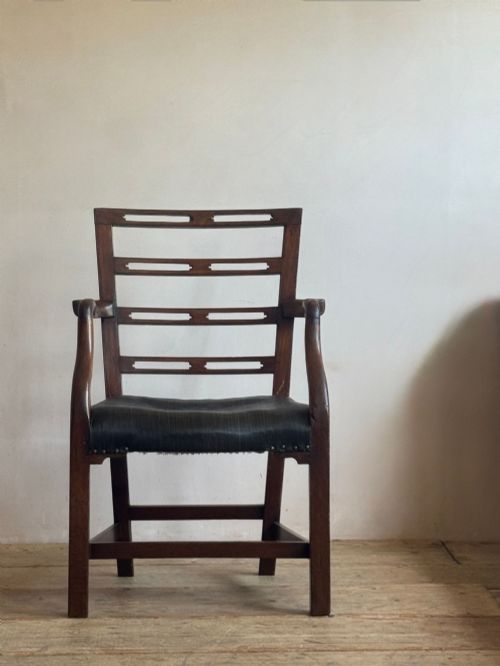
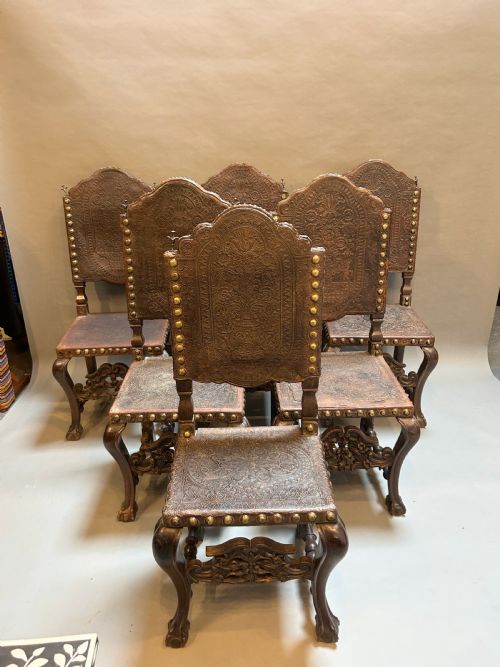
A carved wood leather chair brings together solid timber and hide upholstery across periods from the seventeenth to the twentieth century.
Carved Wood Leather Chair
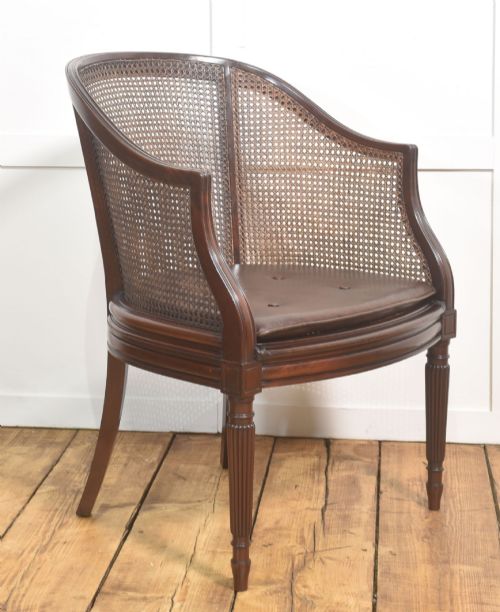
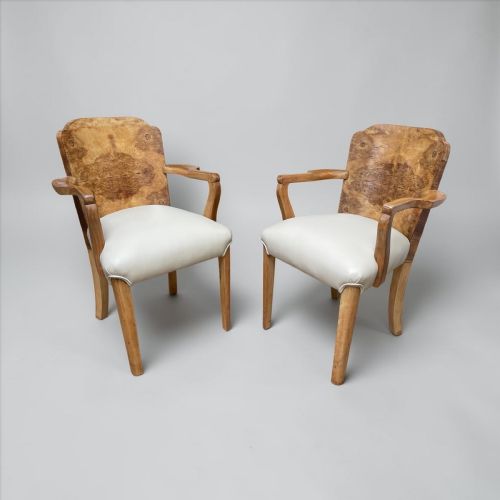
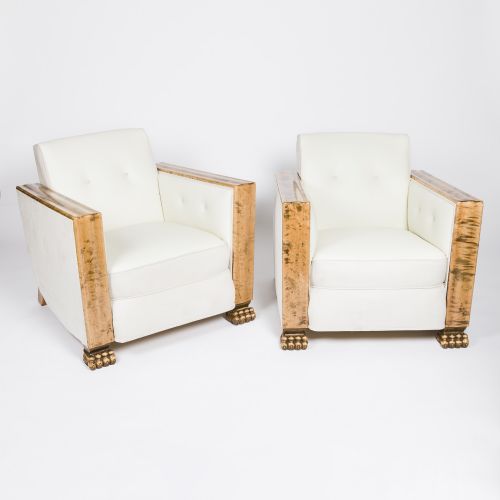
A carved wood leather chair encompasses seating forms ranging from library armchairs and revolving desk chairs to dining chairs and occasional pieces. Buyers searching for a carved wood leather chair encounter formats built across the Victorian, Edwardian, and Art Deco periods, alongside earlier revival styles.
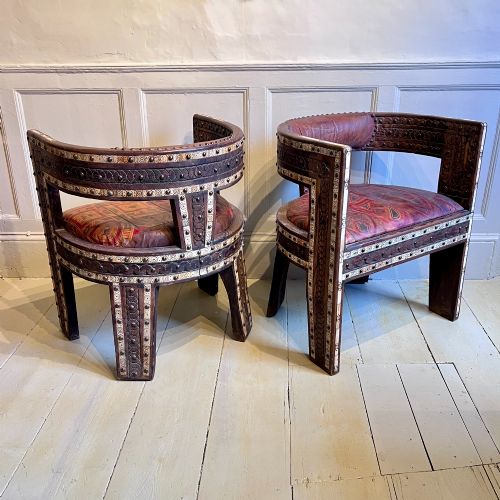
The evidence shows timber frames in mahogany, walnut, oak, fruitwood, and unspecified hardwoods paired with leather upholstery. These pieces emerge from English, French, North African, and Anglo-Indian workshops, demonstrating a wide geographical spread in traditional seating design.
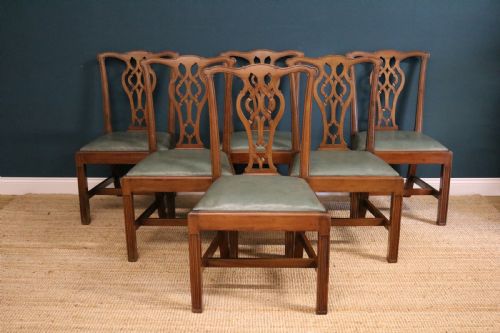
Armchairs and desk chairs dominate the leather-upholstered examples, while dining chairs appear in sets alongside single carver chairs. The presence of swivel mechanisms, adjustable heights, and buttoned hides points toward functional seating designed for libraries, studies, and formal rooms.
Materials and construction methods
Makers constructed the timber frames using dense hardwoods like mahogany, walnut, and oak, often incorporating hand-carved ornamentation along the backrests, arm supports, and legs. Structural stability relied on traditional joinery methods suited to bearing weight over decades of daily use.
Upholstery involved stretching leather over stuffing, sometimes secured with brass nail heads or finished with deep buttoning. Hand-dyed hides and natural leather provided a durable seating surface that complemented the carved wooden framework.
Listings feature mahogany, oak, walnut, fruitwood, and hardwood frames paired with leather and brass across multiple centuries.
Markers of distinction in construction and material
Quality rests in the crispness of the wood carving and the selection of timber grain, where burr elm or finely figured mahogany elevates the presence of a desk chair or library armchair. Superior pieces display deliberate proportion and balanced joinery that maintains rigidity without excessive modern reinforcement.
The integration of the leather upholstery dictates the upper tier of execution, particularly where hides are hand-dyed, properly tensioned, and finished with meticulous buttoning or stud work. Original mechanisms on swivel or adjustable desk chairs also separate standard utilitarian seating from finer workshop productions.
Liberty and Co
The Carved Wood Leather Chair Glossary
- Carver chair
- An armchair, usually designed to match a set of smaller dining chairs and placed at the head of a table.
- Library armchair
- A large, heavily upholstered seat designed for prolonged reading, frequently featuring leather upholstery and substantial wooden arm supports.
- Tub armchair
- A seating form characterised by a rounded, continuous back and armrest structure, often incorporating cane or leather panels.
- X-framed stool
- A piece supported by crossed legs forming an X shape, providing rigid architectural strength beneath a padded or upholstered top.
- Mashrabiya
- An architectural wooden lattice screenwork found in traditional Middle Eastern joinery, sometimes incorporated into decorative furniture panels.
Carved Wood Leather Chair: Frequently Asked Questions
How do I identify a Victorian leather chair?
Victorian examples typically rely on heavy mahogany or oak frames with deep carving, buttoned leather upholstery, and robust proportions suited to nineteenth-century domestic spaces.
Look for structural indicators such as hand-turned legs, brass castors, and traditional joinery methods characteristic of the period between eighteen-thirty and nineteen-hundred.
Were leather chairs used at dining tables?
Dining chairs upholstered in leather appear frequently in nineteenth and early twentieth-century sets, offering a wipeable and durable surface for regular meals.
These pieces usually feature a lighter frame than library armchairs, allowing them to slide easily beneath a dining table while maintaining supportive backrests.
What distinguishes an Edwardian desk chair?
Edwardian desk chairs often incorporate swivel mechanisms, adjustable heights, and revolving seats to suit the functional needs of early twentieth-century offices and home studies.
They combine mahogany, oak, or walnut frameworks with curved backrests and leather seats designed for prolonged sitting.
How should I care for antique leather upholstery?
Maintain antique leather by keeping it away from direct heat sources and sunlight, which cause the hide to dry out and crack over time.
Apply appropriate leather balms or conditioners periodically to preserve suppleness, and dust the carved wooden framework with a dry cloth.