

Carved Wood Game
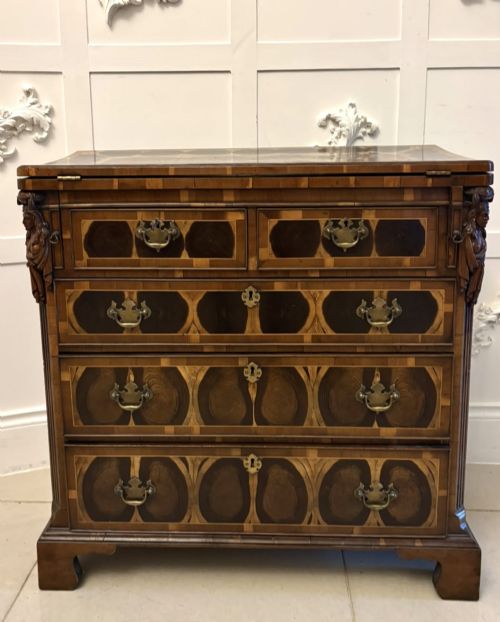
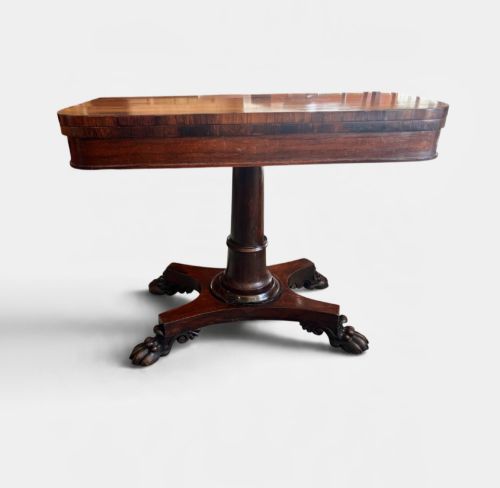
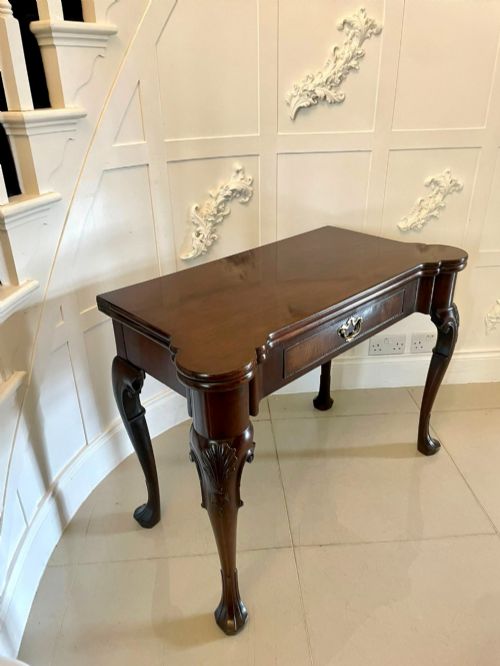
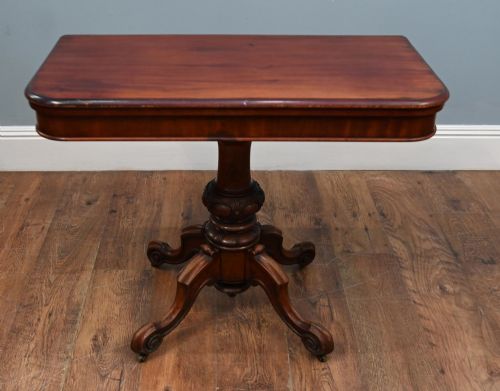
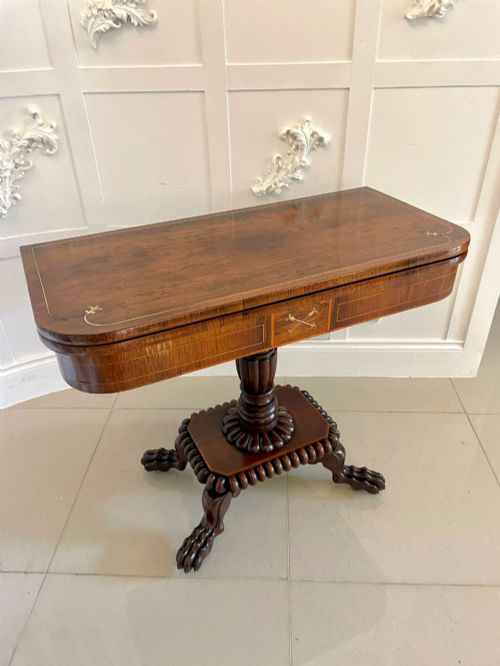
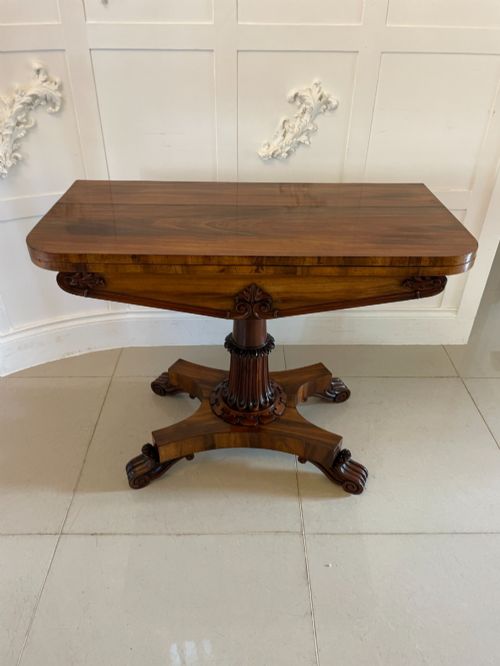
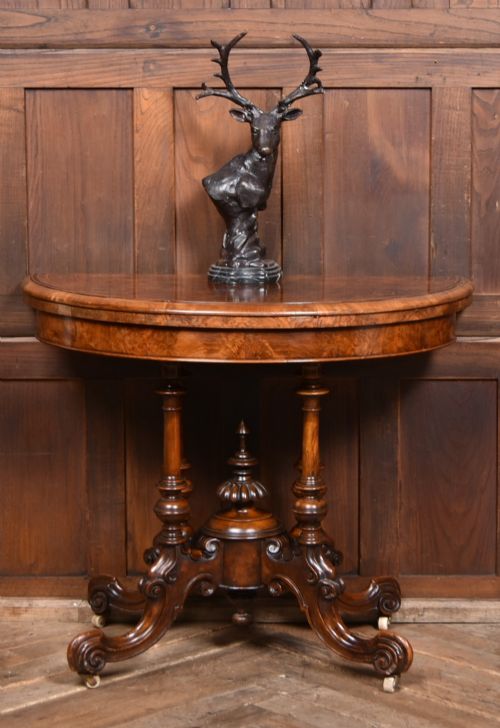
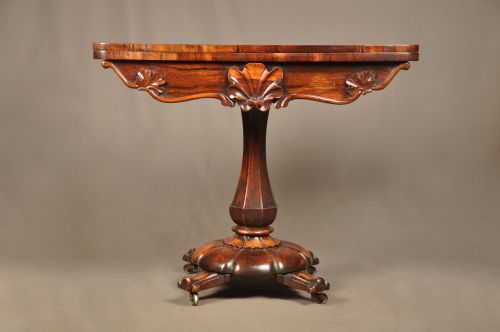
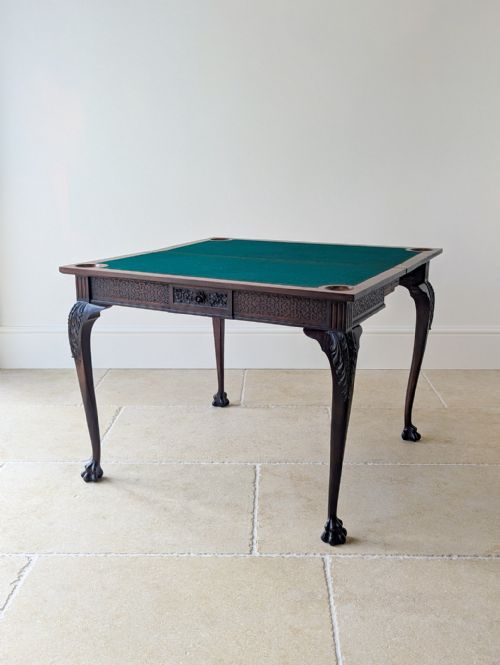
These pieces sold under the search phrase carved wood game include card tables, games tables, and games boxes shaped for domestic play from the 18th century to 1900.
Carved Wood Game
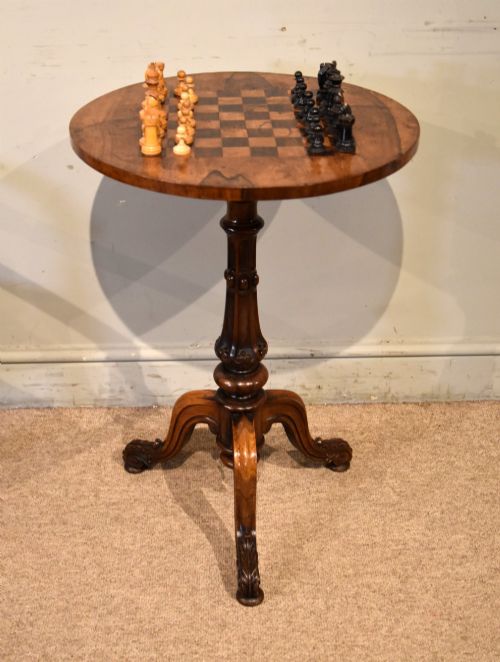
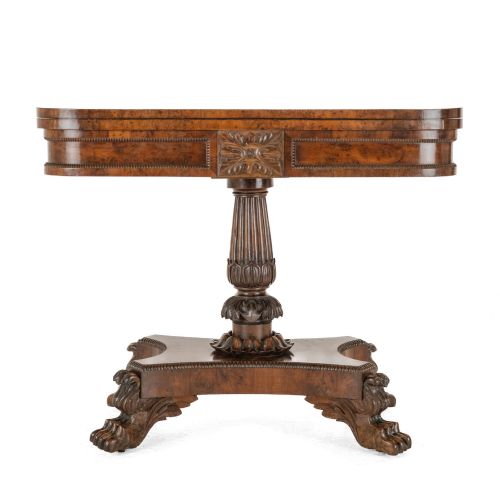
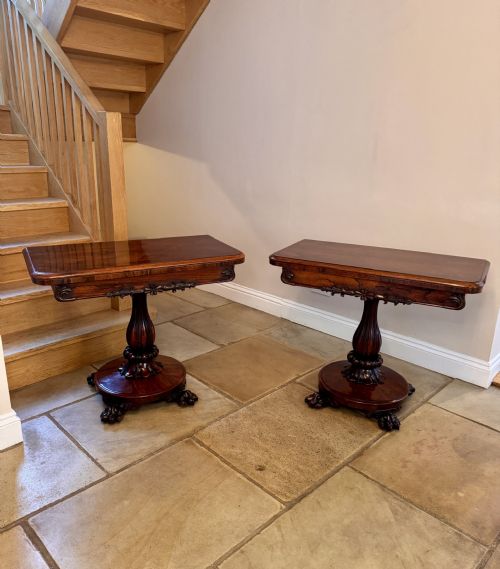
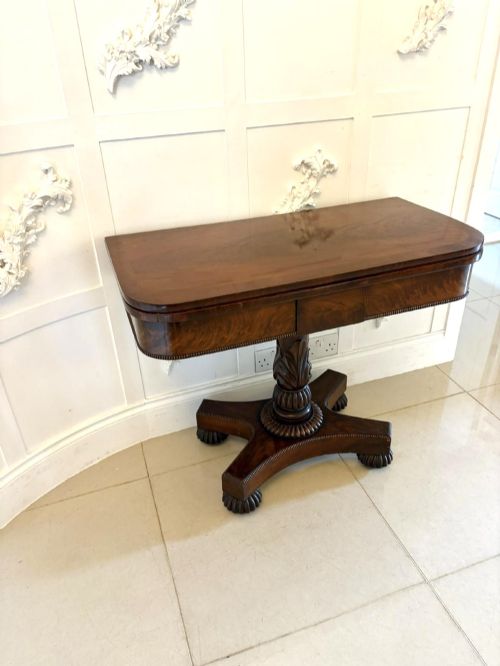
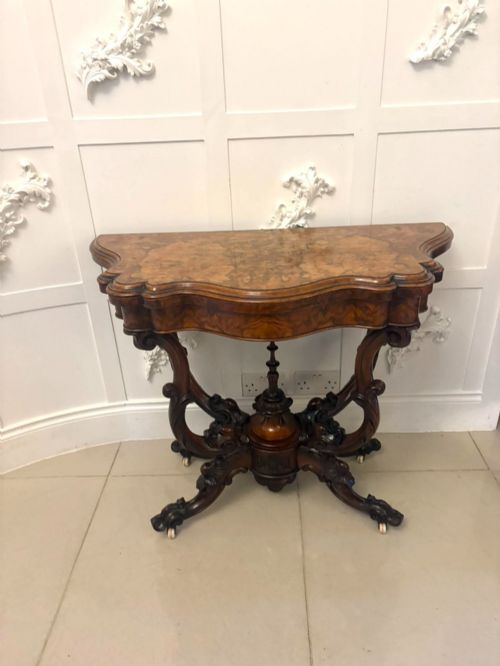
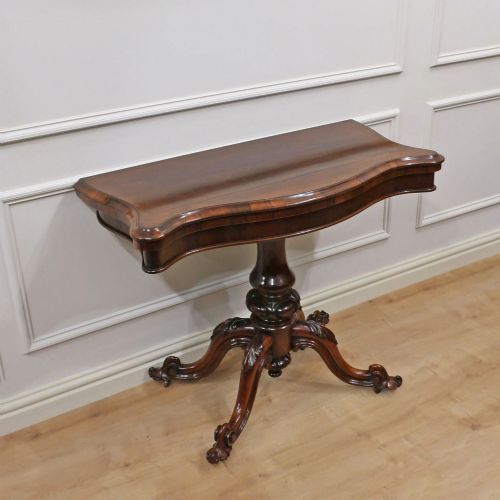
A carved wood game search brings up a variety of fold-over card tables, games tables with inlaid chess boards, and fitted games boxes. The listings lean heavily towards Victorian and Regency pieces made for social play.
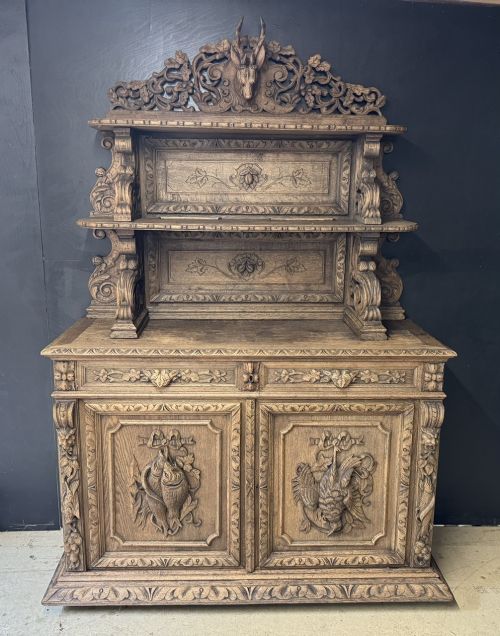
You will encounter mahogany, rosewood, and burr walnut tables alongside Black Forest carved items and specialised sets like a Chinese Mahjong set in a wooden cabinet. The core of the selection consists of furniture designed to serve as both console tables and gaming surfaces.
How they were made
Timbers such as mahogany, rosewood, and burr walnut provide the foundational structure for these tables and boxes, often shaped with serpentine fronts or carved bases. Inlayers utilised satinwood and brass details to decorate the surfaces.
Cabinet makers joined solid timber and veneers, incorporating folding mechanisms for turnover tops and compartments for chess and backgammon. Carved basket bases, dolphin motifs, and fruitwood trophy carvings demonstrate the manual labour involved.
Carved Wood Game Retail Price Guide 2026
Typical asking prices for carved wood game among the pieces listed under this phrase on Sellingantiques today, from the lower quarter to the upper quarter. They describe what is for sale here now, not the wider market.
Black Forest cuckoo clocks share shelf space with mahogany card tables, bringing forest fauna into the Victorian parlour.
What varies in quality
The choice of timber grain and the precision of the cabinet work dictate the standing of a piece. Figured mahogany and burr walnut with clean, rich patinas sit above standard commercial builds.
Carving depth and sharpness on bases and edges separate standard production items from exhibition quality pieces. Attribution to known makers such as James Shoolbred or François Linke adds distinction to the craftsmanship.
James Shoolbred & Co.·François Linke·Gillows
The Carved Wood Game Glossary
- Turnover top
- A table top designed to rotate and fold flat to double the surface area for card games. This mechanism conceals a lined well beneath.
- Parquetry
- Geometric wood mosaic work used to pattern tabletops. Small pieces of different coloured wood form interlocking designs.
- Burr walnut
- A prized timber cut from tree growths, yielding intricate swirling grain patterns. It is frequently used for decorative veneers on Victorian tables.
- Console table
- A table designed to stand against a wall, often shaped with a serpentine front. Many games tables double as console tables when folded.
Carved Wood Game: Frequently Asked Questions
How do I use a card table?
These tables feature a turnover top that unfolds to reveal a baize or leather playing surface for cards. When not in use, the top folds flat and the piece sits against a wall as a console table.
Interior wells often hold counters and cards, keeping gaming accessories close at hand during social evenings.
What woods were used for these games tables?
Maker workshops utilised dense hardwoods like mahogany, rosewood, and oak for structural stability. Burr walnut and satinwood provided decorative veneer and inlay surfaces.
Regional differences appear in the choice of timber, such as Irish mahogany or Ceylonese specimen woods on specific tables.
How can I tell the period of a table?
Regency pieces often display rosewood with brass inlay and carved dolphin or pillar bases. Victorian examples frequently utilise burr walnut and feature shaped folding tops.
Earlier 18th-century pieces show George II or Chippendale influences with heavier mahogany and distinct corner framing.
Where were Black Forest items made?
Black Forest carvings originated in the rural regions of Germany and Switzerland during the 19th century. Local artisans specialised in carved walnut clocks, barometers, and figures.
These pieces typically showcase deep leaf and animal carving executed in solid walnut or oak.