
Carved Wood Furniture
Carved wood furniture brings enduring craftsmanship and tactile texture into a room, spanning centuries of global joinery traditions.
Carved Wood Furniture
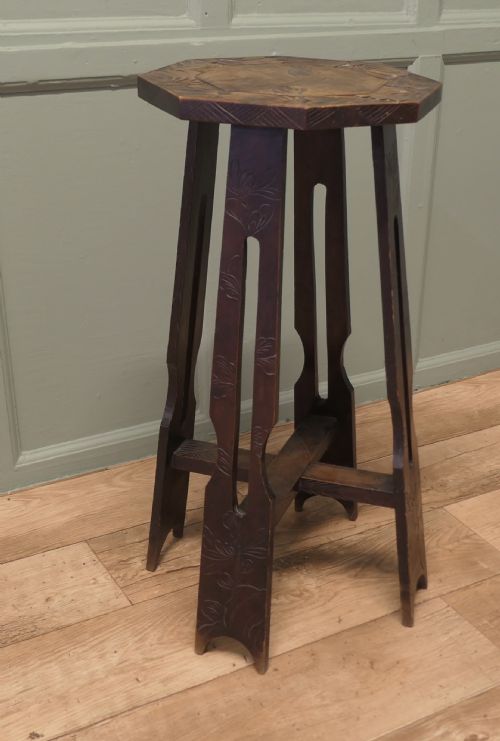
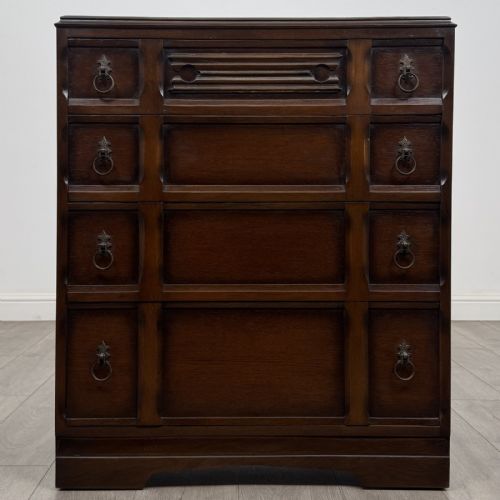
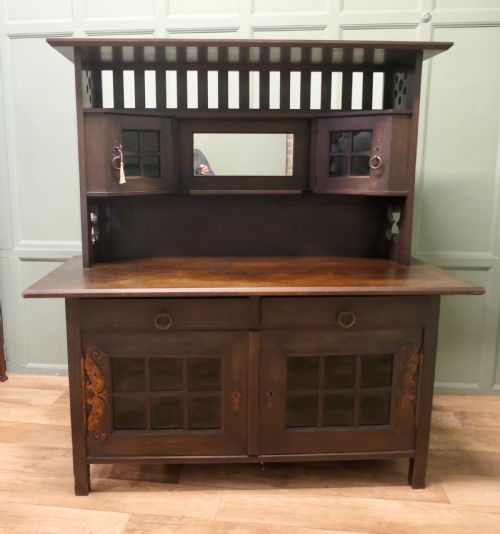
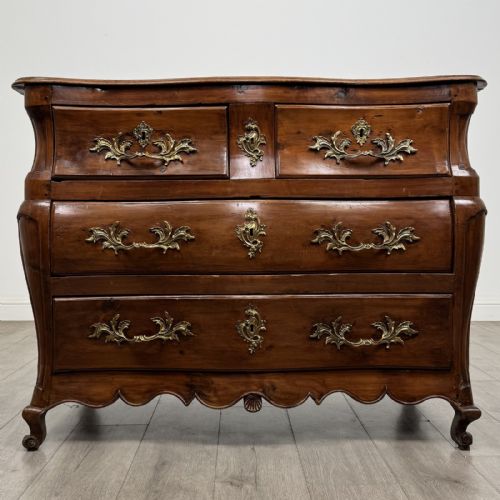
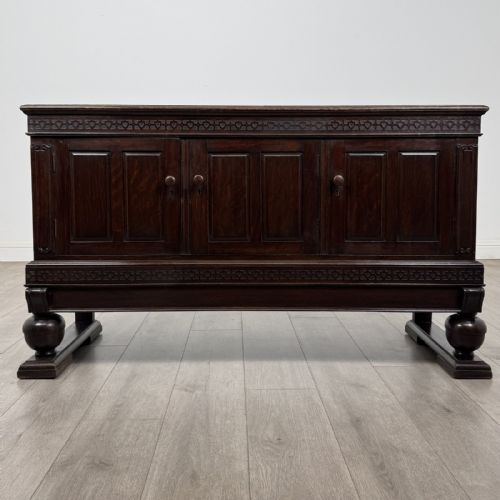
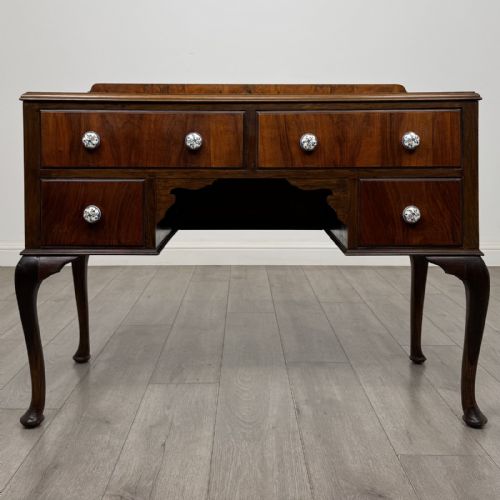
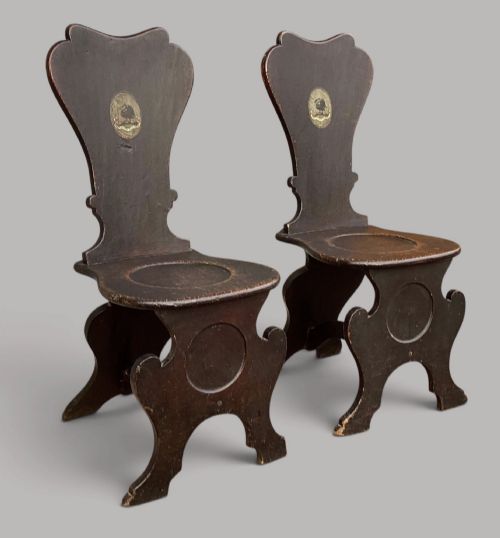
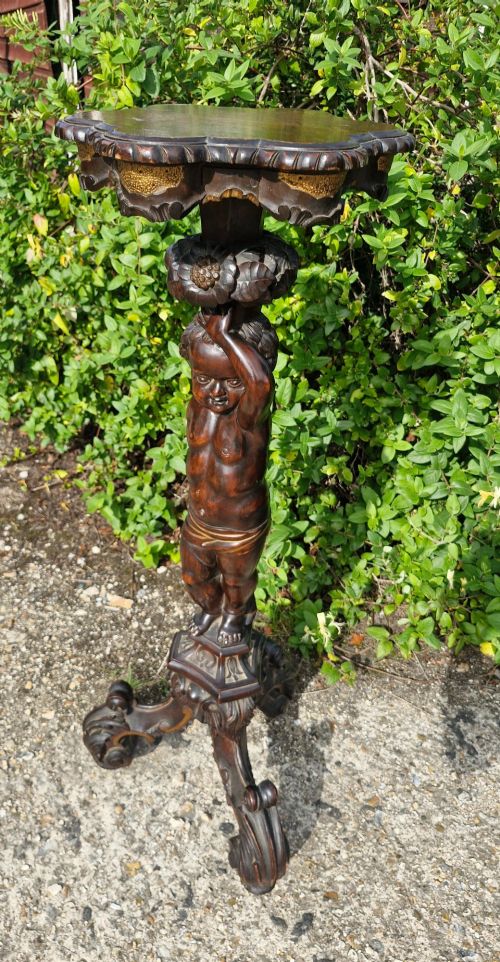
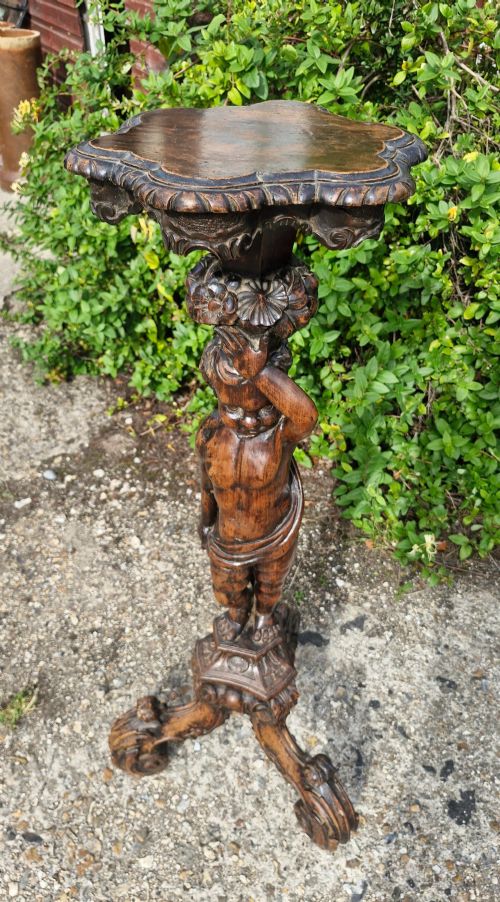
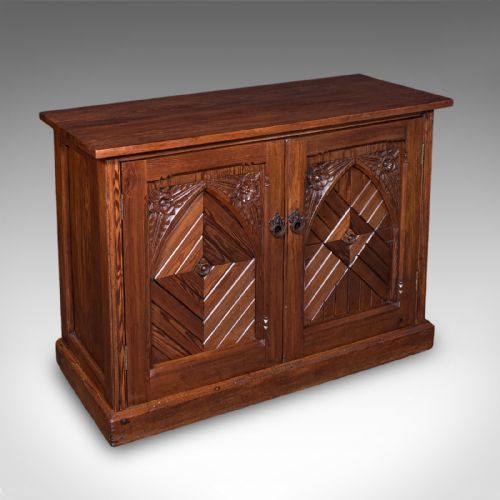
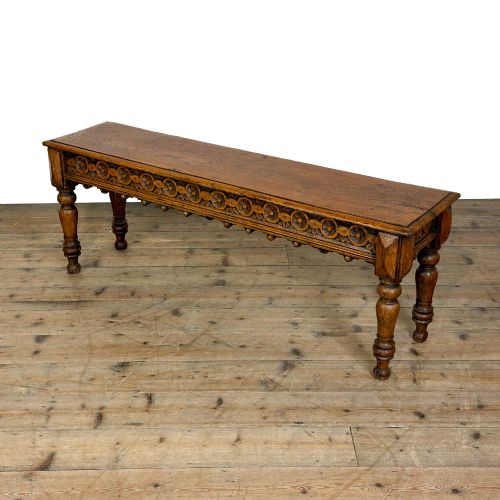
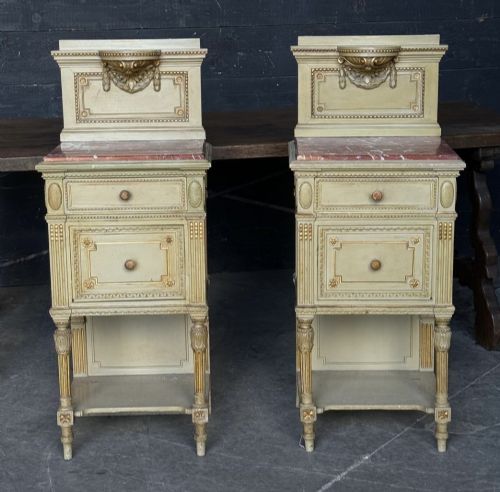
Carved wood furniture encompasses diverse utilitarian and decorative forms, including side tables, hall benches, display cabinets, and chests of drawers. Pieces range from straightforward domestic storage items to elaborate regional seating and display stands.
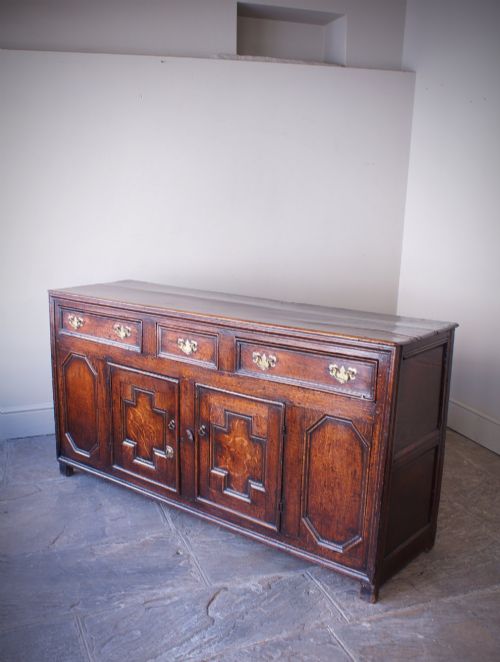
The selection reflects multiple periods and origins, running from 17th-century oak dresser bases and 18th-century mahogany tripod tables to Victorian, Edwardian, and Arts and Crafts iterations. Buyers frequently encounter 19th-century examples alongside regional productions from Britain, Europe, and Asia.
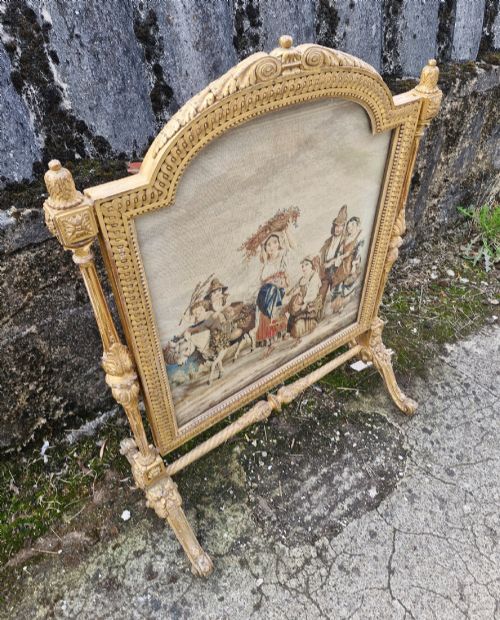
Forms adapt to specific domestic requirements, offering functional surfaces like writing tables and butlers trays alongside architectural elements such as carved panels and fire screens.
Materials and Methods
Construction relies heavily on traditional timber species such as oak, mahogany, walnut, teak, and various hardwoods selected for their structural density and grain. Joinery techniques combine traditional framing, turning, and applied mouldings with extensive hand chiselling.
Surface ornamentation integrates relief carving, marquetry inlay, and turned legs, utilising brass hardware and occasional glass or marble inserts to complete the design.
A musical Black Forest bear seat provides entertainment alongside structural support.
Evaluating the Pieces
Quality separates through the crispness of the hand carving and the depth of relief achieved in the timber. Superior examples demonstrate precise joinery and well-selected grain patterns that complement the sculptural ornamentation.
Proportion and stylistic consistency distinguish finer items, where structural elements and decorative motifs align harmoniously rather than appearing crowded or heavy-handed.
Leonard Wyburd·Liberty and Co·John Moyr Smith·James Shoolbred
The Carved Wood Furniture Glossary
- Marquetry inlay
- Decorative patterns formed by fitting small pieces of veneer into a prepared wood surface. This technique creates pictorial or geometric designs across tabletops and cabinet fronts.
- Tripod table
- A small freestanding table supported by three legs radiating from a central pillar. These pieces often feature tilt-top mechanisms or carved edge details.
- Purdonium
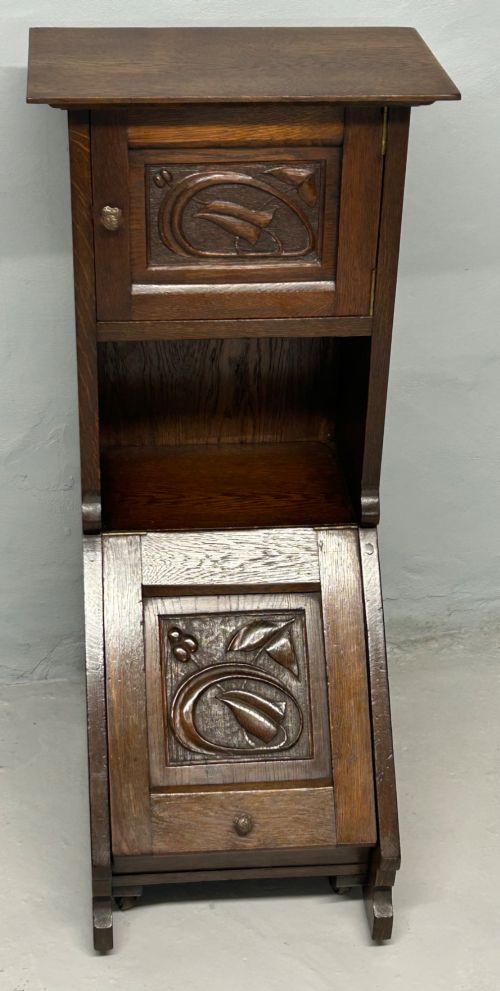
- A specialised cabinet designed to store coal near a fireplace. They typically include a sloping front and an internal metal scuttle.
- Bergère
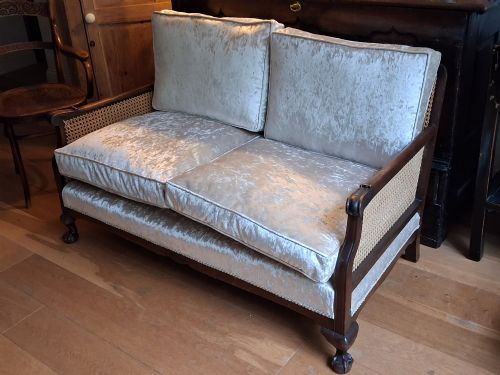
- An enclosed upholstered armchair with wooden framing and cane-worked sides. The style originates in France and provides lighter seating than solid-backed chairs.
- Cabriole leg
- A furniture leg that curves outward at the knee and tapers inward at the ankle, ending in a pad or claw foot. The profile echoes animal limbs and gains popularity in 18th-century designs.
Carved Wood Furniture: Frequently Asked Questions
How do I care for carved surfaces?
Dust regularly with a soft, dry cloth to prevent particles from settling in the carved recesses. Avoid liquid polishes and maintain consistent room humidity to protect the timber.
Keep pieces away from direct heat sources and strong sunlight to prevent the wood from drying out or splitting over time.
Where should I place a hall bench?
Hall benches suit entranceways, wide corridors, and large landings where they provide a practical seating option. Their decorative carved backs also make them effective against open-plan living room walls.
Ensure there is sufficient clearance around the piece for movement, as many examples feature deep proportions or prominent arm supports.
How do I identify Arts and Crafts furniture?
Arts and Crafts pieces emphasise visible construction methods, simple utility, and honest materials like solid oak. Decoration is restrained, often taking the form of subtle hand-beating or stylized plant motifs.
Look for robust joinery, minimal applied ornament, and an emphasis on the natural grain of the timber rather than high gloss finishes.
What is the difference between an occasional table and a side table?
An occasional table is typically light and portable, designed to be moved around a room as needed for drinks, lamps, or books. Side tables are generally more stationary and serve specific wall-placement functions.
Both categories encompass diverse leg styles, including bobbin-turned supports, cabriole legs, and tripod bases.