
Carved Wood Folk Art
Carved wood folk art brings together utilitarian objects and vernacular sculpture shaped by regional makers across the eighteenth, nineteenth, and early twentieth centuries.
Carved Wood Folk Art
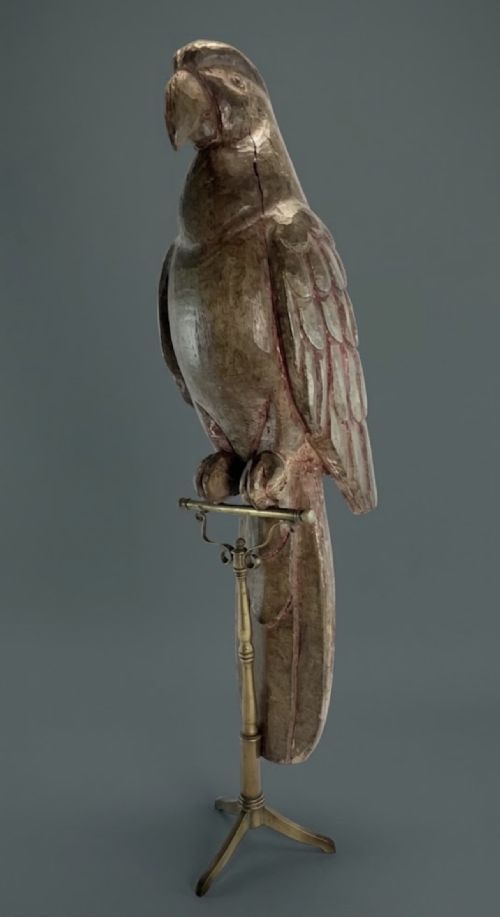
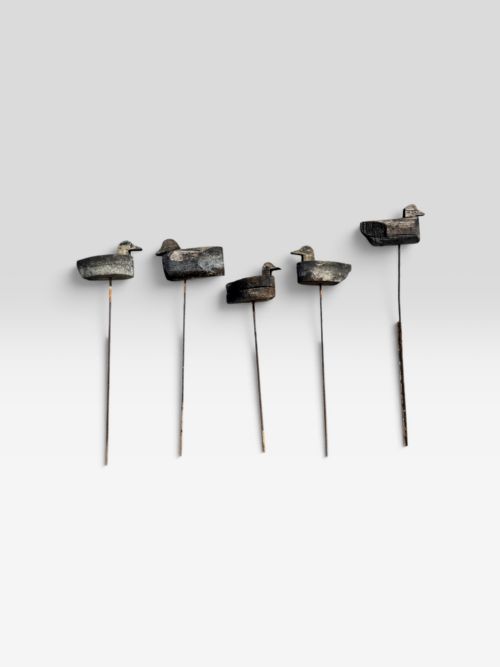
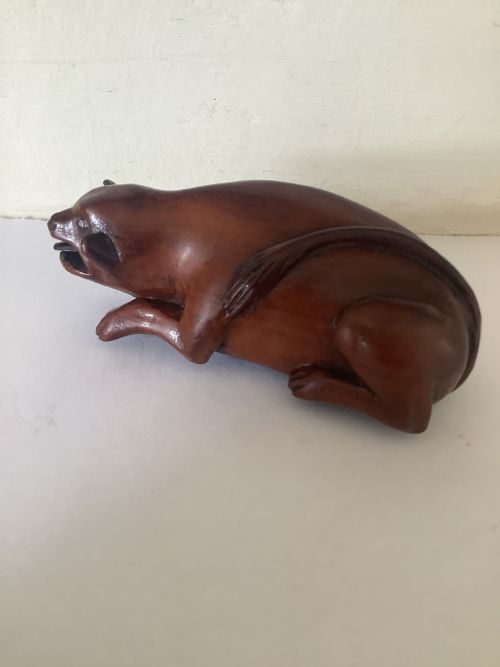
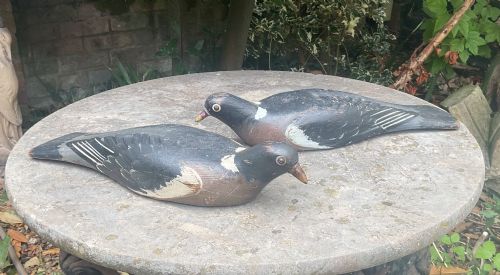
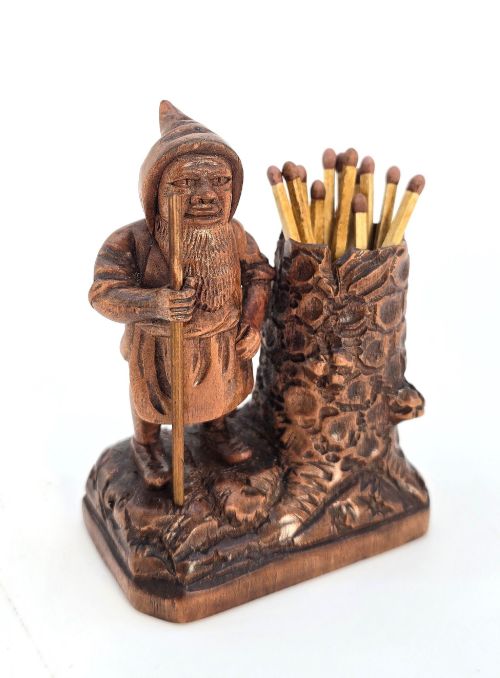
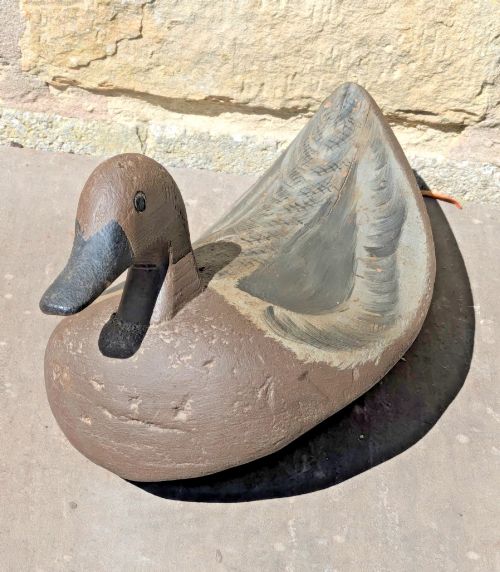
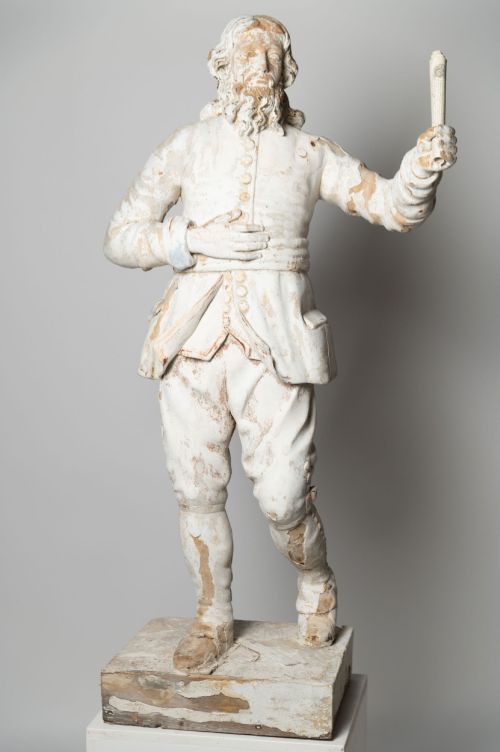
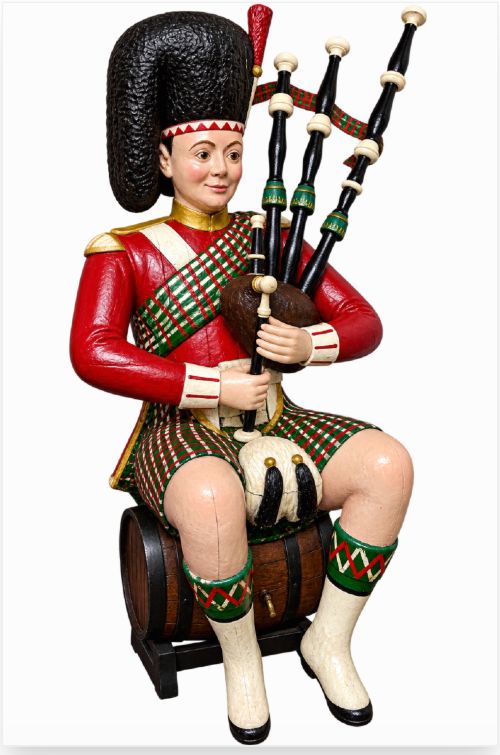
Carved wood folk art encompasses domestic items, animal sculptures, and scratch-built models produced outside mainstream academic traditions. The selection includes painted decoy ducks, chip-carved foot stoves, treen knitting sheaths, and sculptural figures from British, European, and wider international origins.
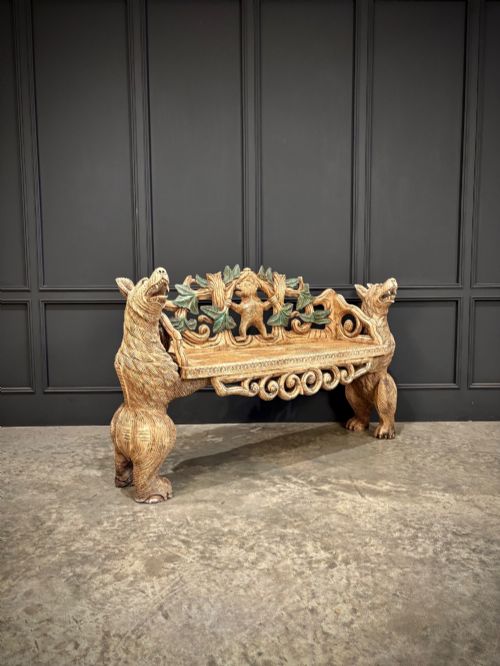
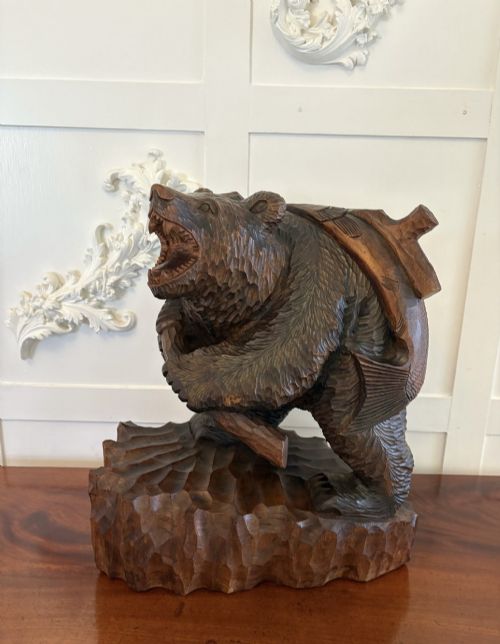
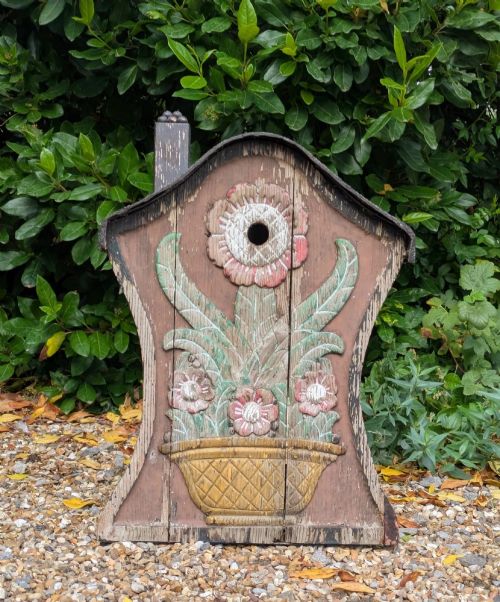
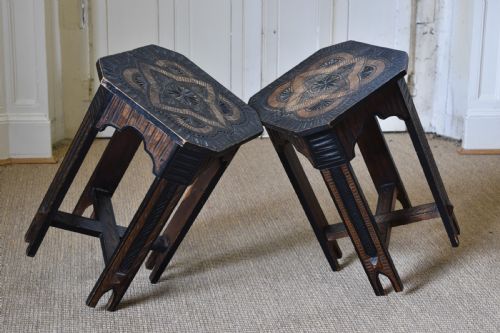
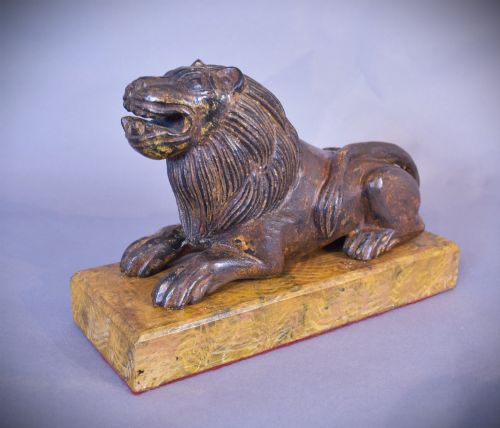
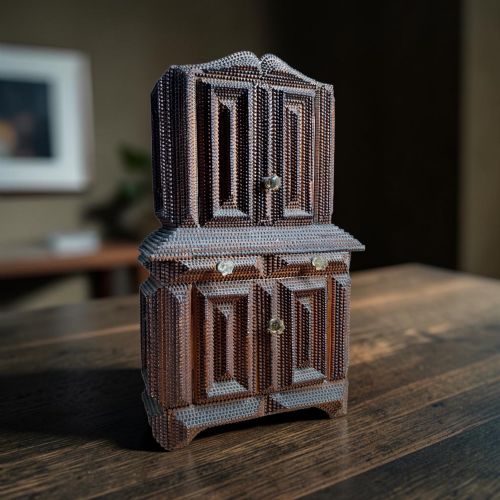
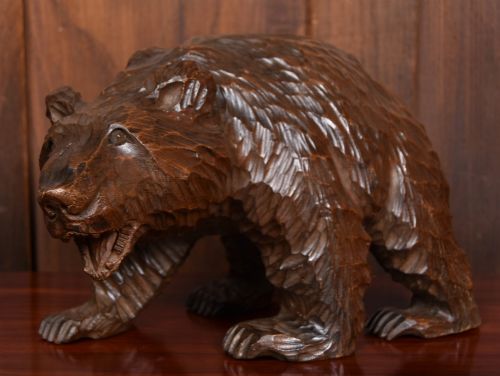
Buyers frequently encounter nineteenth-century Black Forest animal carvings, Scandinavian bird boxes, and tramp art boxes layered with notched geometric patterns. Everyday utility merges with sculpture in items such as match strikers, snuff boxes, side tables, and architectural clock cases.
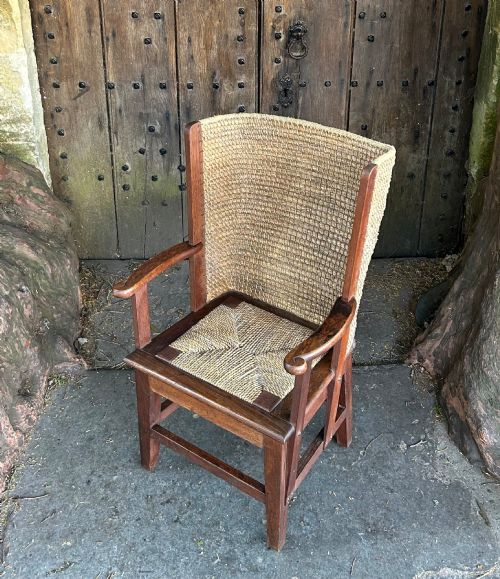
Regional vernacular traditions emerge strongly through regional forms, including Orkney chairs, Swiss walnut chalices, and French buffet cabinets. Each piece reflects the immediate cultural environment and practical needs of the maker.
How They Were Made
Maker utilise hand tools such as gouges, knives, and punches on accessible timbers including oak, fruitwood, limewood, walnut, and maple. Surfaces often combine exposed grain with painted details, incised line decoration, or applied varnish.
Chip-carving techniques involve removing small triangular chips from the wooden surface to create geometric relief patterns, seen on boxes, tables, and foot warmers. Other pieces rely on layered fretwork, cork construction, or utilitarian assembly using brass and iron fixings.
Listings feature items from the seventeenth century through to the 1940s, spanning British, European, Asian, and North American vernacular traditions.
What Varies in Quality
The distinction between ordinary and exceptional pieces lies in the sureness of the carver's hand and the depth of expression in vernacular forms. Sculptural works show superior quality when anatomical proportions, surface texture, and facial details are rendered with conviction rather than rigid symmetry.
Patina and surface preservation separate well-preserved historical objects from heavily altered examples. Original paint layers, untouched beeswax finishes, and crisp chip-carving edges retain the intended visual impact of the maker's work.
The Carved Wood Folk Art Glossary
- Treen
- Small handmade wooden objects for domestic or personal use. Examples include knitting sheaths, snuff boxes, and small containers shaped by local turners and carvers.
- Tramp art
- A form of folk art where items are constructed from scrap wood, such as cigar boxes, utilising chip-carving, notch-carving, and layer-stacking techniques.
- Chip-carving
- A decorative technique where small chips of wood are removed from a single flat piece using knives or chisels to form geometric patterns.
- Decoy
- A carved and painted wooden bird or animal used historically in hunting. English and continental examples often feature layered brushwork over shaped timber bodies.
- Match striker
- A small domestic accessory incorporating a rough striking surface alongside carved figural or architectural elements.
Carved Wood Folk Art: Frequently Asked Questions
What is carved wood folk art?
Carved wood folk art comprises decorative and utilitarian objects made by self-taught or traditional craftsmen rather than academy-trained sculptors. These pieces include animal figures, boxes, decoys, and domestic furniture produced across centuries.
Materials reflect local availability, with carvers utilising native timbers like fruitwood, oak, and pine. Each object captures regional artistic habits and functional purposes.
How were antique decoy ducks used?
Decoys served a practical purpose in wildfowling by floating on water or standing on shores to attract wild birds within shooting range. Makers shaped timber and applied hand-painted pigments to mimic the coloration of specific waterfowl.
Over time, handling and weathering created distinctive surface patinas. Today, collectors value them primarily for their sculptural presence and regional carving styles.
What distinguishes tramp art?
Tramp art is characterised by layering, notching, and chip-carving small pieces of salvaged wood, frequently sourced from discarded packing crates or cigar boxes. Makers used pocket knives to create geometric relief patterns on frames, mirrors, and boxes.
Unlike professional joinery, this technique relies on patience and repetition rather than complex joints. The resulting surfaces display a distinct textured relief.
How do I care for wooden folk art?
Wooden folk art requires stable indoor humidity levels and protection from direct sunlight to prevent timber shrinkage and paint flaking. Gentle dusting with a dry cloth preserves delicate patinas and original painted surfaces.
Harsh chemical polishes or modern cleaning agents should be avoided. Letting the wood age naturally maintains its historical integrity.