




Carved Wood Artifact
A carved wood artefact brings centuries of global craftsmanship into a room, spanning tribal sculpture, ritual objects, and folk woodwork.
Carved Wood Artifact
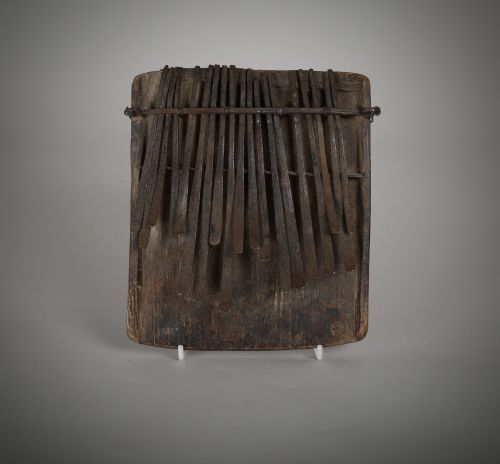
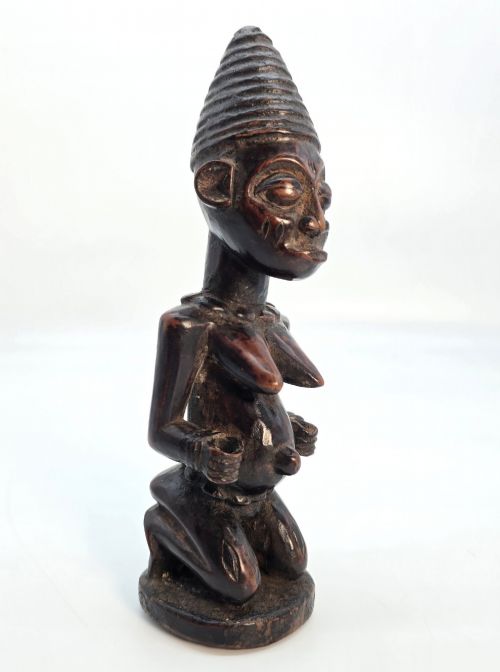
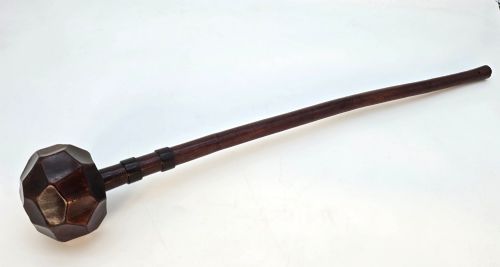
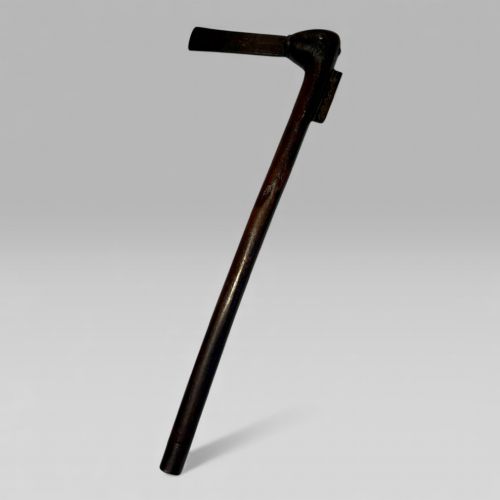
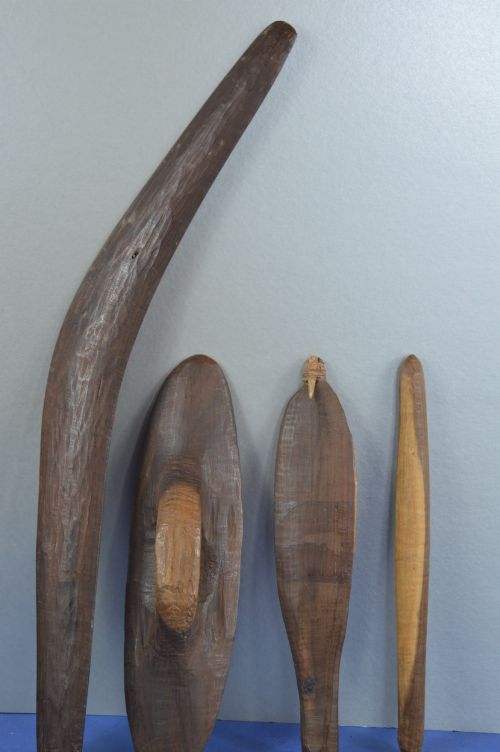
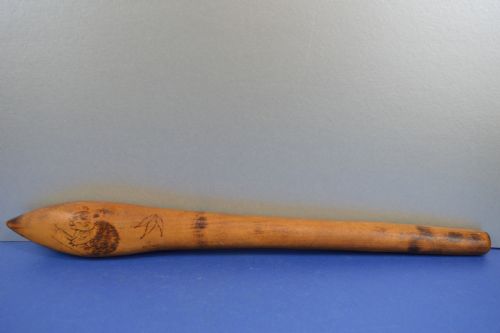
When you search for a carved wood artefact, you encounter a diverse gathering of global material culture, spanning tribal weapons, ritual masks, and decorative figures. The selection ranges from nineteenth-century Oceanic war clubs and Australian Aboriginal throwing clubs to West African ceremonial axes and figures.
European religious carving also emerges through eighteenth-century crucifixes, ecclesiastical Christ figures, and depictions of John the Baptist. These pieces originate from distinct cultural traditions across Africa, Asia, the Pacific, and Europe, reflecting varied ceremonial, practical, and spiritual uses.
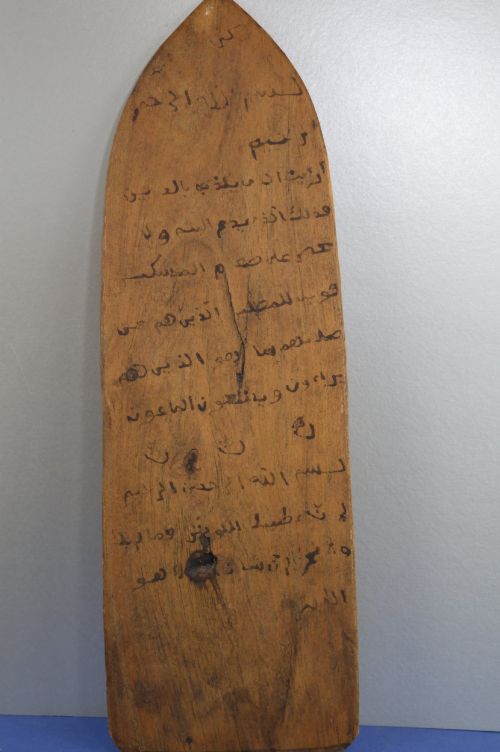
The objects take forms such as headdresses, dance masks, prayer boards, musical instruments, and display stands. Hardwood and indigenous timbers dominate the physical forms, often enhanced with pigment, bone, or iron fittings.
How they were made
Maker communities utilised local hardwoods and indigenous timbers, shaping them with hand tools to create dense, durable forms. Surfaces frequently display the tool marks of adzes and chisels, grounding each piece in manual labour.
Carved Wood Artifact Retail Price Guide 2026
Typical asking prices for carved wood artifact among the pieces listed under this phrase on Sellingantiques today, from the lower quarter to the upper quarter. They describe what is for sale here now, not the wider market.
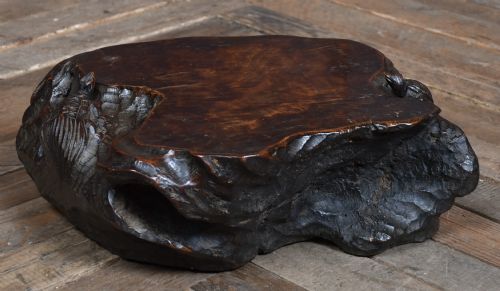
A Japanese carved turtle waits patiently on a bonsai display stand, proving that even miniature wooden reptiles need a proper job.
What varies in quality
The standard of a carved wood artefact depends on the clarity of the carving and the integrity of the surface patina. Pieces retaining original pigment or handling wear display a direct connection to their functional history.
Proportion and execution distinguish finer sculptural work from standard utilitarian production. The strength of the silhouette in clubs, masks, and figures determines the visual impact of the piece.
The Carved Wood Artifact Glossary
- Knobkerrie
- A traditional African wooden club featuring a heavy rounded knob at one end used for hunting or combat. These weapons are carved from dense indigenous hardwoods.
- Polychrome
- The practice of decorating architectural elements, sculpture, or artefacts in a variety of colours. Pigments are applied directly to the timber surface.
- Woomera
- An Australian Aboriginal spear-thrower that extends the arm length during spear delivery. They double as carrying vessels and tool-knapping platforms.
- Patina
- A surface sheen developed through handling, ageing, and exposure to elements over decades or centuries. It indicates the tactile history of wooden objects.
- Ecclesiastical
- Relates to the Christian Church and its clergy, describing devotional items intended for religious spaces. This includes figures of saints and crucifixes.
Carved Wood Artifact: Frequently Asked Questions
How are tribal clubs classified?
Clubs are identified by their regional origins, such as Oceanic, African, or Australian Aboriginal. Formations like ribbed paddles or throwing sticks help determine their specific tribal use.
Material density and specific head shapes further separate fighting clubs from ceremonial examples.
How should wooden artefacts be maintained?
Keep wooden objects away from direct heat sources and dramatic humidity fluctuations to prevent cracking. Stable indoor conditions preserve both the timber and any applied pigments.
Avoid chemical polishes that can degrade historical surface patinas and original finishes.
How is age determined on carvings?
Age is assessed through tool marks, wood shrinkage, oxidation of the material, and the depth of the handling patina. Comparing established regional styles provides further chronological context.
Documentation of tribal or ecclesiastical origin often confirms the period of manufacture.