



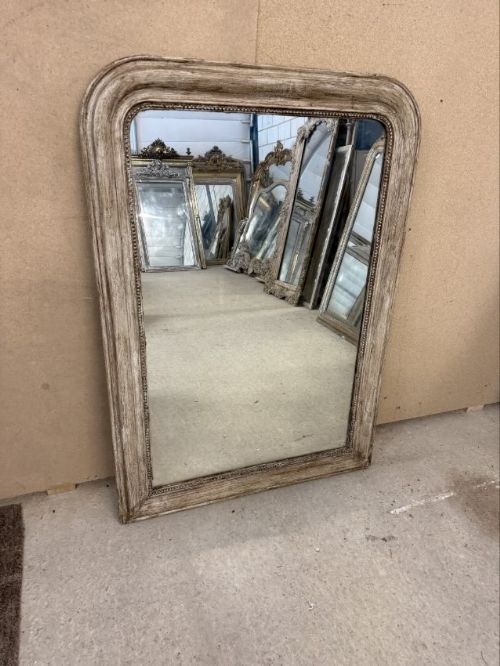
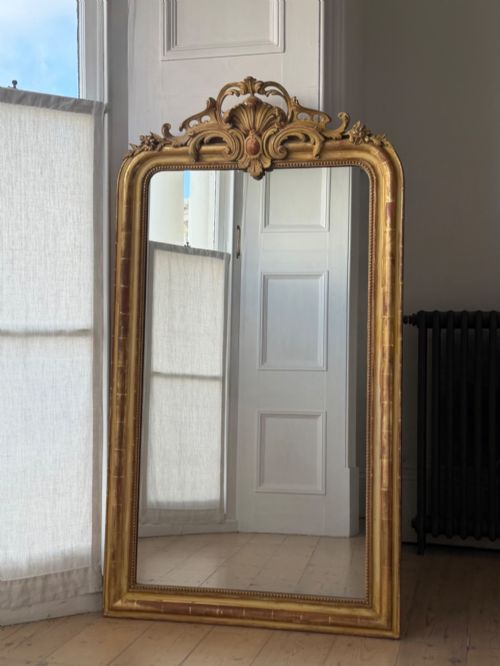
Carved Wood Arch
These pieces, known collectively as a carved wood arch, are architectural and decorative fittings that bring depth and historic form to a room.
Carved Wood Arch
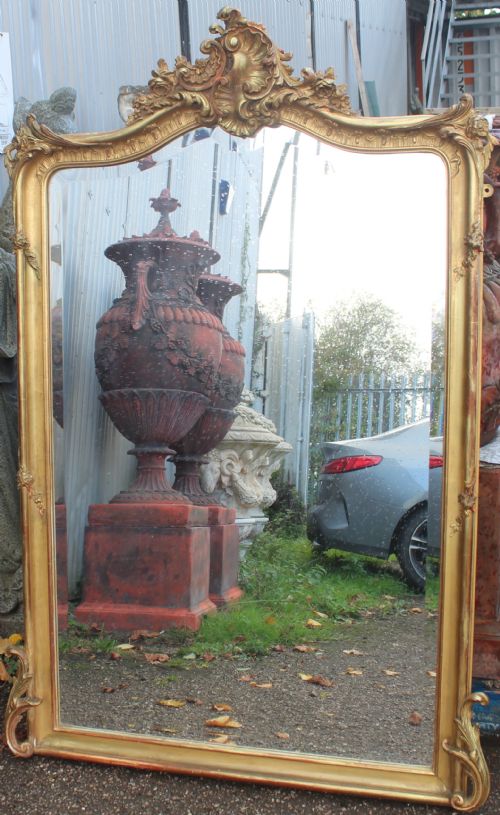
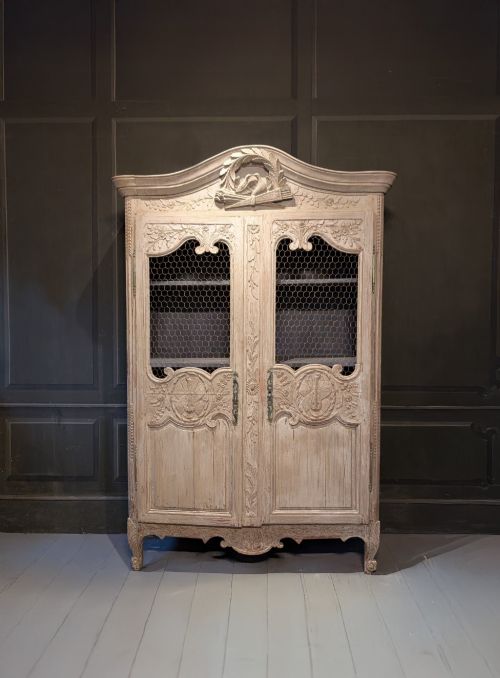
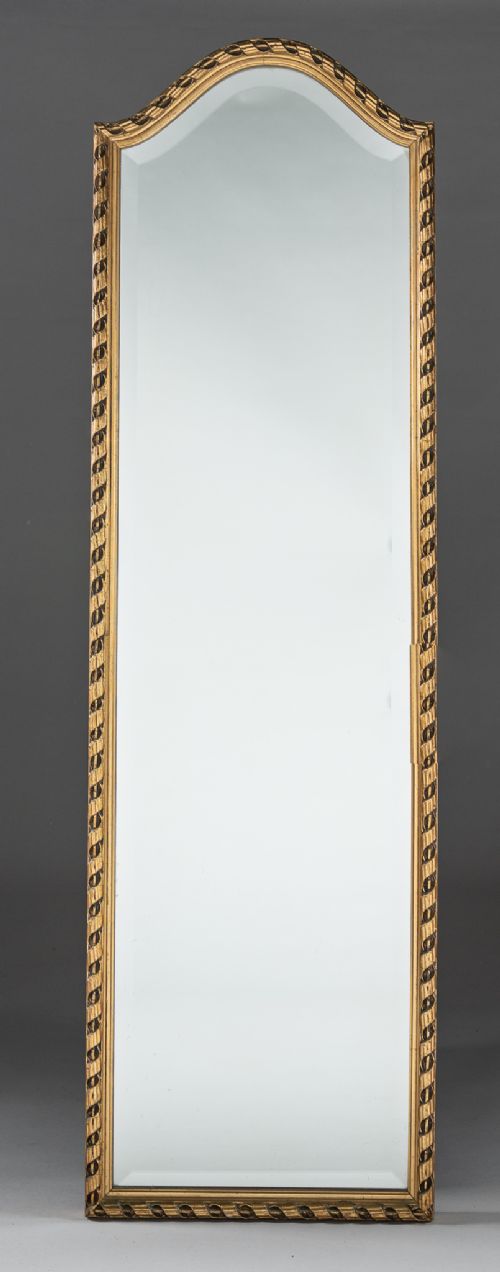
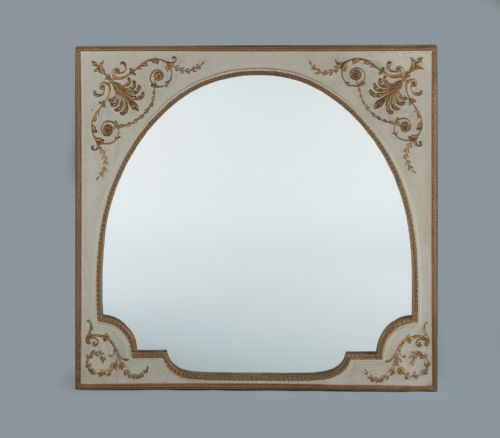
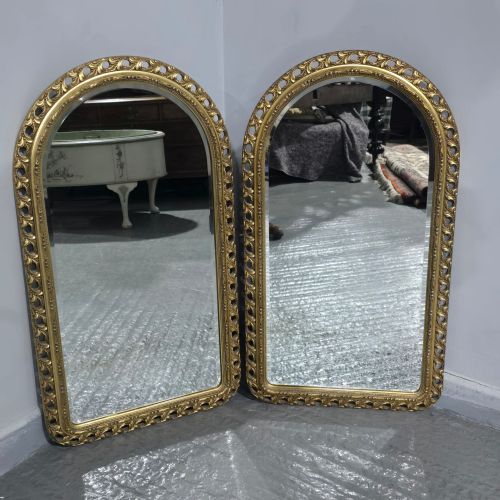
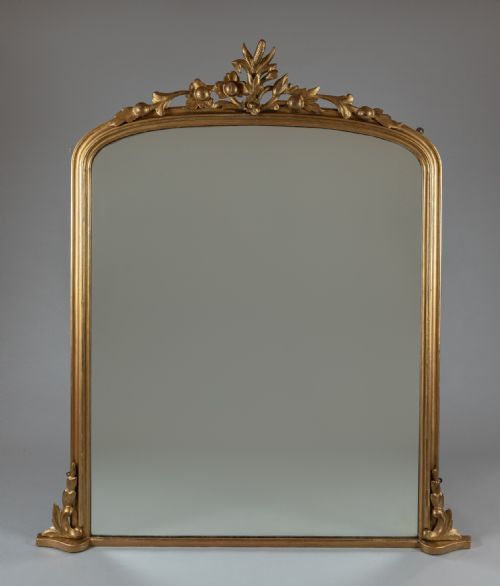
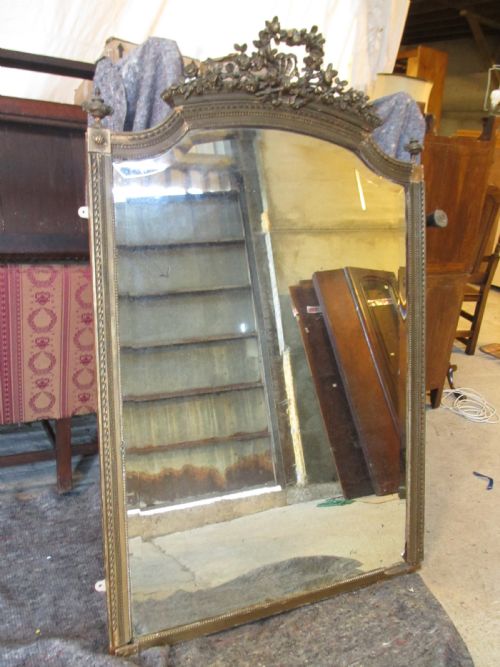
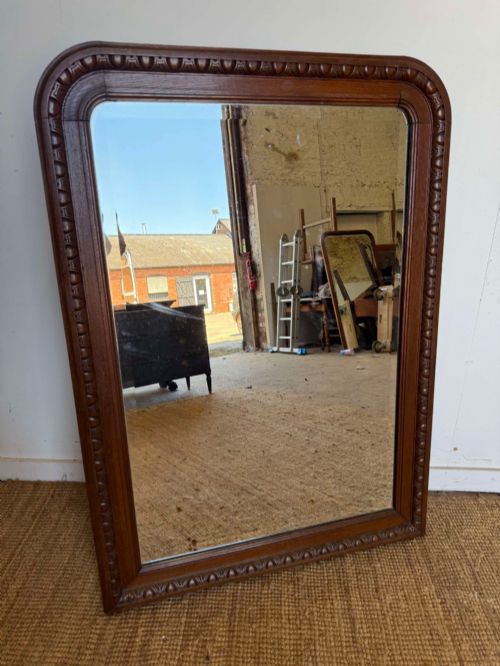
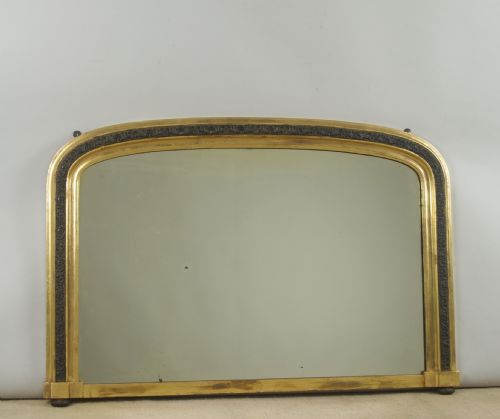
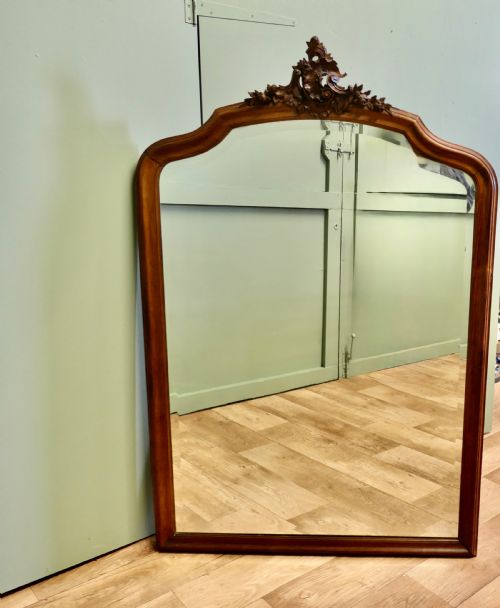
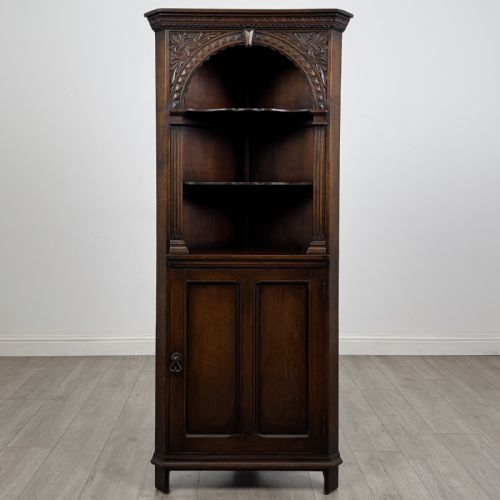
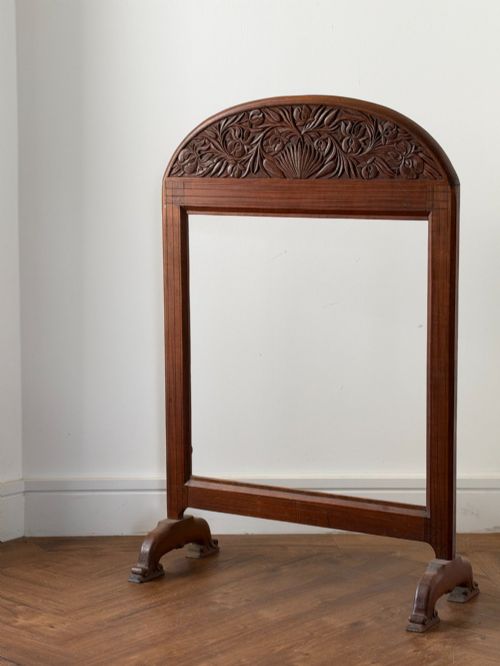
When you search for a carved wood arch, you encounter a selection of architectural elements, architectural oak panels, and arched mirror frames spanning the nineteenth century and the early twentieth century. The forms are drawn from Gothic Revival, French Chateau, and Jacobean styles, reflecting a taste for historicism.
The objects take the form of overmantel mirrors, wall mirrors, corner cabinets, and substantial oak panels with carved tracery. Many pieces demonstrate an arched top profile designed to echo historic building curves and structural openings.
Materials and construction
Makers utilised solid timbers such as oak and mahogany, often shaping them alongside softer woods that received layers of gesso and gold leaf or paint. These gesso surfaces were built up to accept intricate relief carving and rope twist or tulip framing details.
Glazing techniques included the incorporation of bevelled glass and mercury glass within heavy timber or giltwood surrounds. Joinery methods relied on traditional hand-carving and panel construction appropriate to the Victorian, Edwardian, and earlier revival periods.
Carved Wood Arch Retail Price Guide 2026
Typical asking prices for carved wood arch among the pieces listed under this phrase on Sellingantiques today, from the lower quarter to the upper quarter. They describe what is for sale here now, not the wider market.
Judging the quality
Quality rests in the crispness of the hand-carved detail and the integrity of the underlying wood or gesso layer. Pieces with deep relief work and well-preserved gilding demonstrate a higher level of workshop skill than simpler, flatter examples.
Proportion and scale dictate the visual impact of an architectural element, with superior items maintaining balance across wide spans or tall arched frames. The preservation of original glass types, such as mercury plates, also influences the character of mirrored examples.
The Carved Wood Arch Glossary
- Gesso
- A plaster-like mixture applied to wood surfaces to provide a smooth base for gilding or painting. It is often moulded or carved once dry.
- Giltwood
- Timber that has been coated with gold leaf or gold paint. This finish appears frequently on nineteenth-century mirror frames.
- Tracery
- Openwork ornamental stone or woodwork, typically consisting of intersecting lines. It is a defining feature of Gothic Revival design.
- Overmantel mirror
- A large mirror designed to hang specifically above a fireplace mantel. These frames often feature shaped or arched tops.
- Mercury glass
- An early type of double-walled glass filled with a silvering mixture. It creates a cloudy, reflective depth seen in period mirrors.
Carved Wood Arch: Frequently Asked Questions
How were carved wood arches used?
These pieces served both structural and decorative roles in historic interiors, often framing doorways, alcoves, or fireplace overmantels.
Mirrored versions were positioned above hearths to reflect light around the room, while wooden panels and cabinets were integrated directly into domestic architecture.
How do I date a carved wood arch?
Dating relies on examining the timber species, the style of carving, and the composition of the gesso or mirror glass.
Victorian and Gothic Revival pieces display distinct revival motifs, while construction marks and fixing methods help narrow down the decade of manufacture.
Can these arches be hung on normal walls?
Many wall mirrors and panels are built with substantial timber frames that require secure fixings into structural wall studs.
Due to the weight of solid wood, gesso, and glass, professional installation is generally necessary to support the load safely.
What styles are common in these arches?
The listings predominantly feature Gothic Revival, Jacobean Revival, and French styles such as Louis Philippe and Louis XV.
These design movements draw inspiration from medieval and continental architecture, translated into nineteenth-century domestic furnishings.