


Carved Walnut Display Table
A carved walnut display table brings rich timber grain and tiered surfaces together, offering a stately stage for treasured objects.
Carved Walnut Display Table
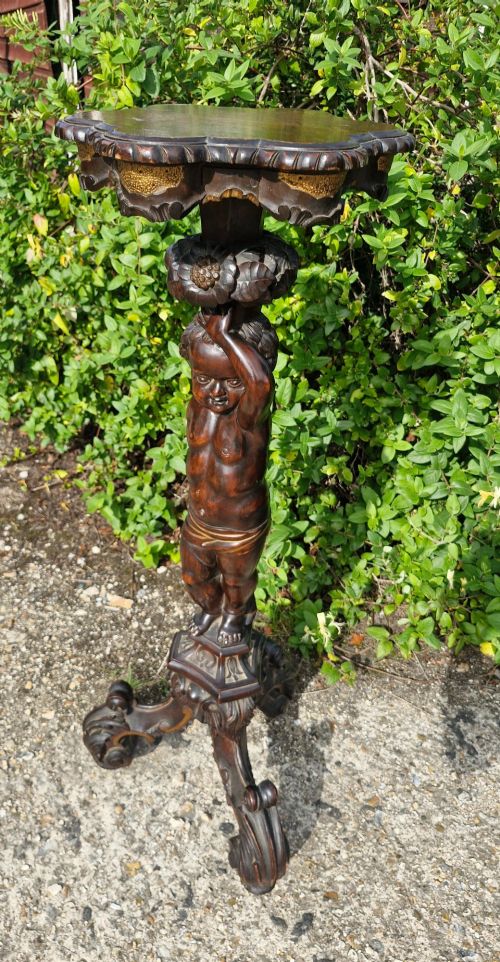
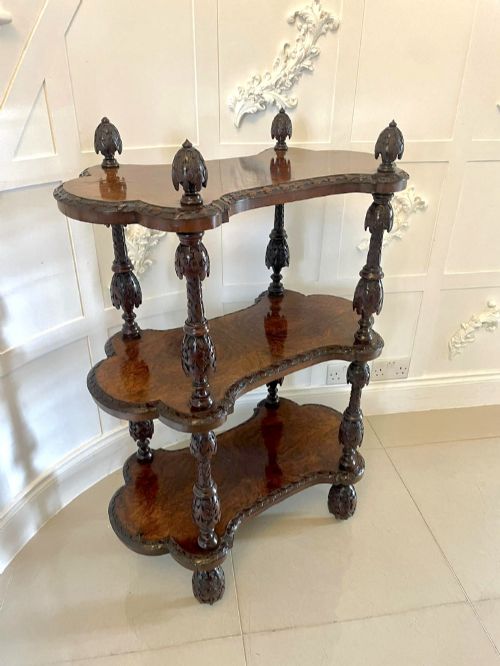
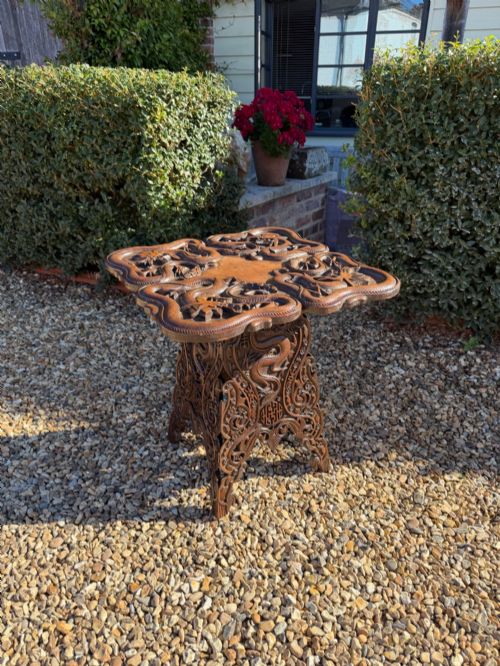
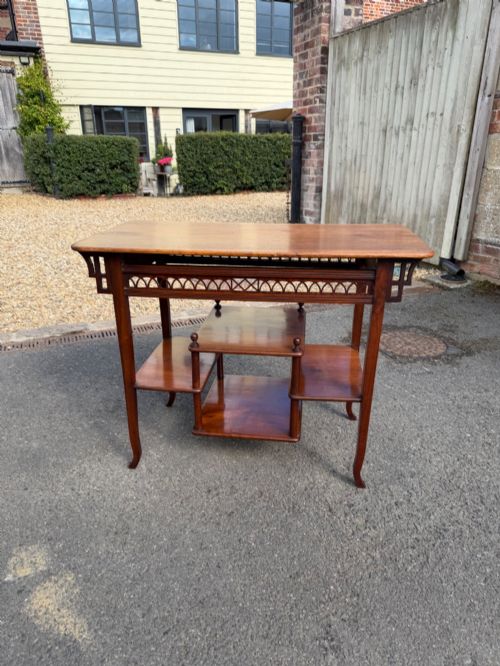
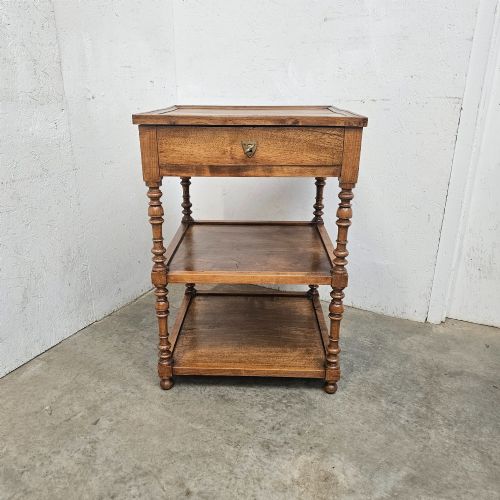
A carved walnut display table takes many forms across this selection, including multi-tiered whatnots, etageres, occasional tables, and pedestals. Buyers searching for a carved walnut display table encounter pieces spanning the Victorian era through to the early twentieth century.
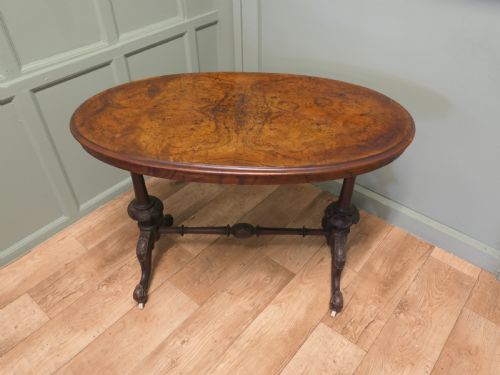
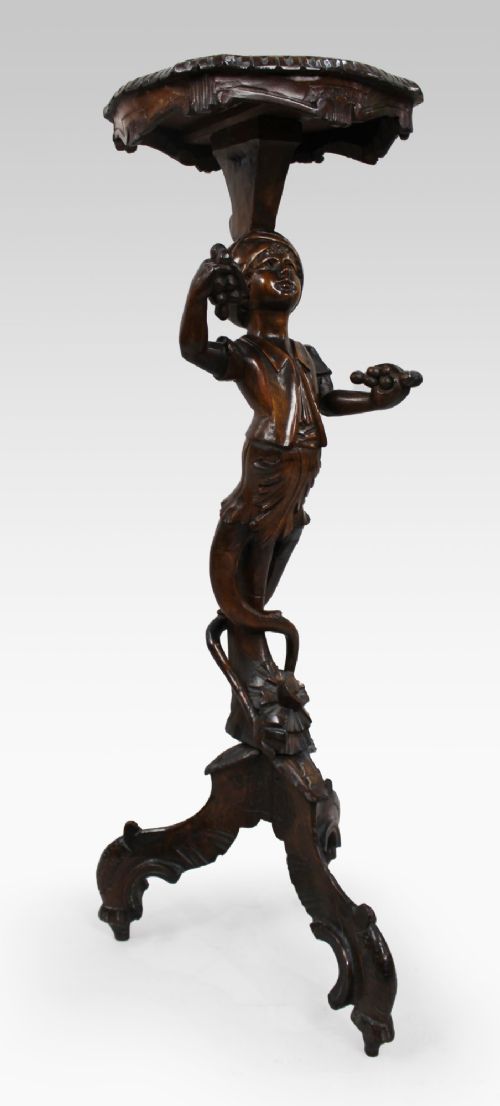
The Victorian period dominates these listings, frequently featuring burr walnut with figured grain, alongside occasional Georgian, William IV, and nineteen-twenties pieces. Forms range from freestanding oval display tables and console étagères to tall jardinière stands and figural pedestals.
Makers and origins vary across English, French, and Venetian traditions, encompassing diverse styles from Venetian Baroque and French Provincial to Arts and Crafts and Colonial. These pieces served varied domestic roles, acting as silver display tables, drinks cabinets, and multi-tier shelving units.
Assessing Quality and Execution
Quality rests in the selection of the timber, particularly the depth and figuration of the burr walnut veneer used across the tiers and table tops. Superior examples display crisp, articulate hand-carving on the figural pedestals and structural supports rather than soft or mechanical moulding.
Construction integrity and proportion distinguish the finer pieces, seen in balanced multi-tier étagères and stable freestanding frames. Attribution to established workshops or makers elevates the standing of a piece within the range.
Listings feature walnut, burr walnut, mahogany, and marble across Victorian, Georgian, and twentieth-century periods.
The Carved Walnut Display Table Glossary
- Burr walnut
- A veneer taken from the knotted growth of a walnut tree, prized for its swirling, highly figured grain patterns. It frequently surfaces on Victorian whatnots and display tables.
- Whatnot
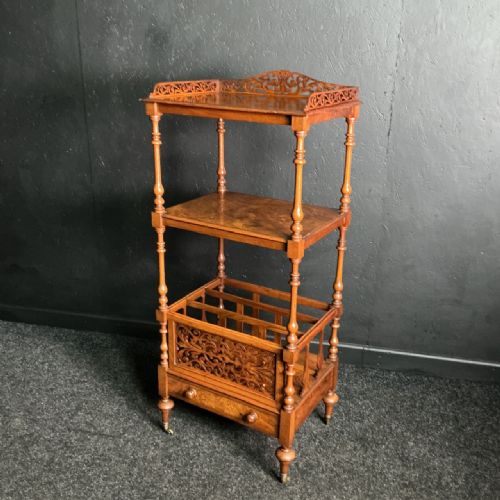
- A piece of furniture consisting of multiple open shelves for displaying ornaments or books. These tiered units often feature turned supports and carved details.
- Etagere
- A set of open shelves for displaying small objects, typically freestanding and slender in proportion. French examples often incorporate fine turned legs and console designs.
- Jardiniere stand
- A tall pedestal or table designed specifically to support a plant container or flower arrangement. They appear in carved walnut and marble-topped variants.
- Demi-lune
- A half-moon shape used for console tables and display cabinets designed to sit flush against a wall. This profile saves floor space while providing a display surface.
Carved Walnut Display Table: Frequently Asked Questions
What is a whatnot?
A whatnot is a multi-tiered piece of furniture designed specifically for displaying small objects, ornaments, and books.
These open shelving units became immensely popular during the Victorian era and appear frequently in walnut timber.
How do I use a display table?
A display table provides a flat surface or glass-enclosed space to showcase silver, ceramics, and personal collections.
They function effectively in hallways, drawing rooms, and living spaces as occasional furniture.
Where were these tables made?
The pieces originate from various European traditions, with English and French workshops representing the majority of the selection.
Regional influences also include Venetian Baroque styles and Colonial interpretations from the early twentieth century.
Are these tables sturdy enough for daily use?
Solid hardwood construction and traditional joinery give these tables the durability required for everyday placement in a home.
Tiered whatnots and pedestals distribute weight across multiple shelves or stout central columns.