
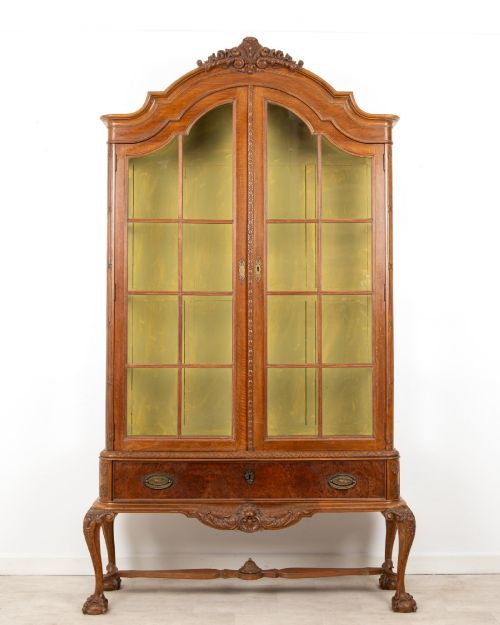
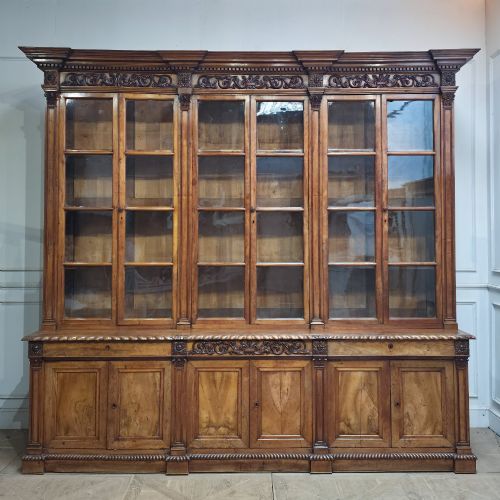
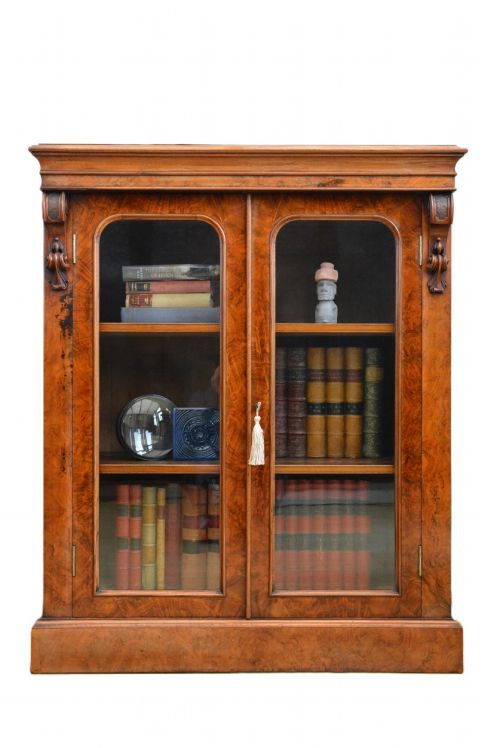
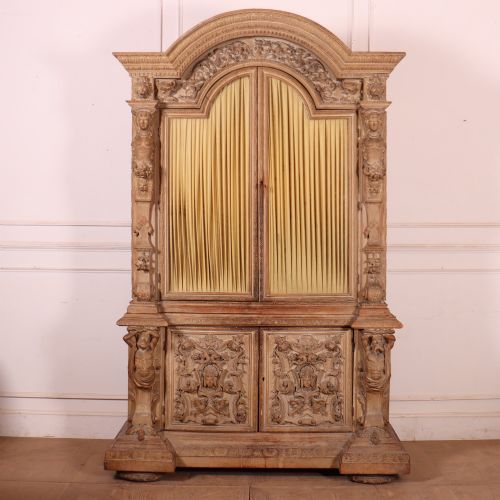


Carved Walnut Display Cupboard
A carved walnut display cupboard brings rich dark timber and glazed viewing space into a room, offering both storage and a stage for porcelain or glass.
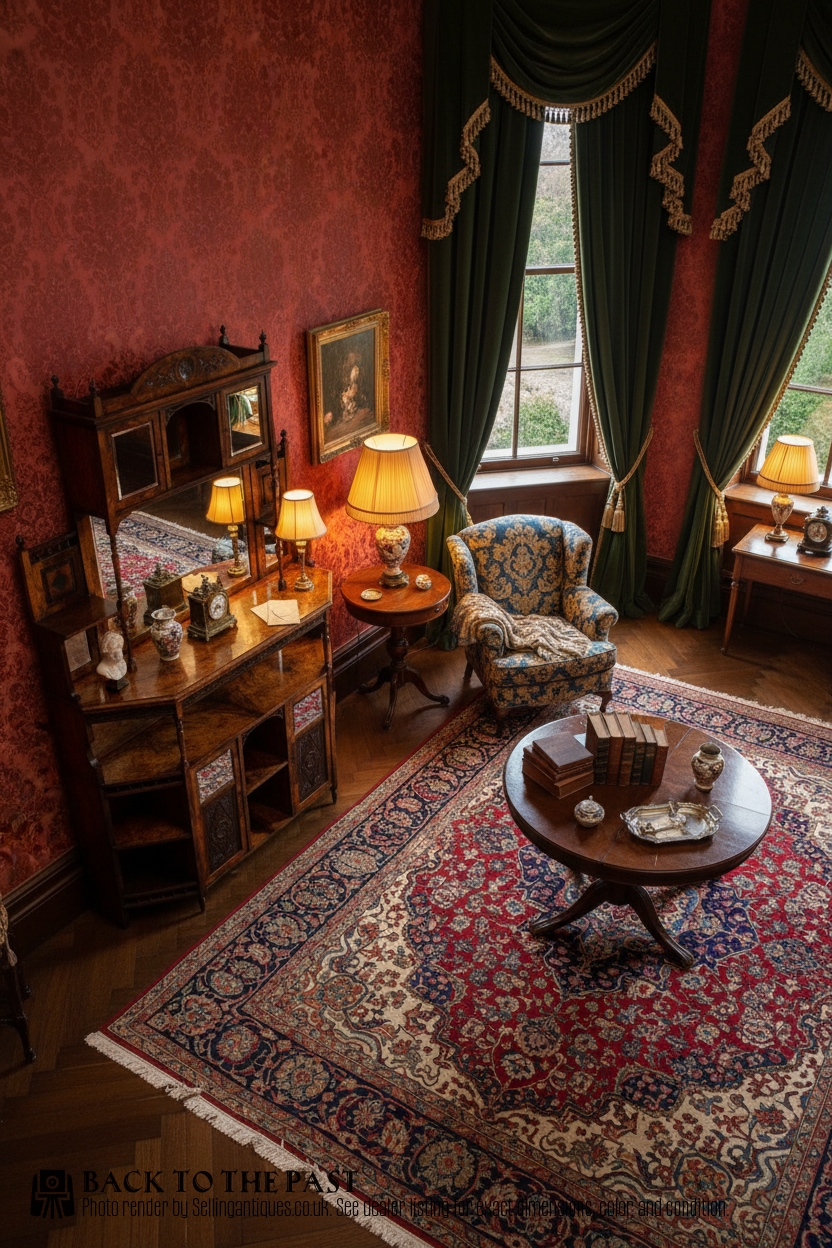
Carved Walnut Display Cupboard
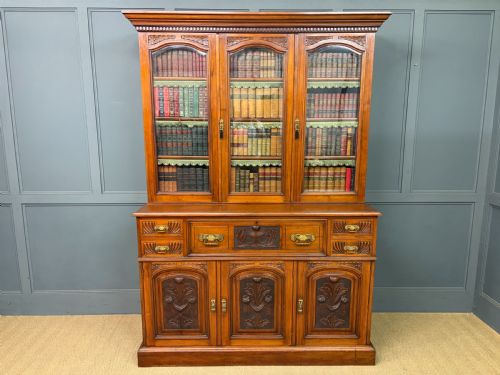
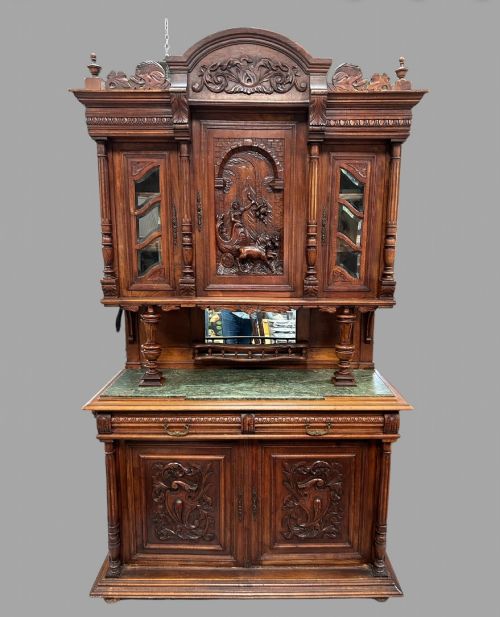
A carved walnut display cupboard combines timber framing with glass doors, shelves, or mirrored backs to exhibit books, china, and small collections. When searching this phrase, a buyer examines pieces ranging from tall Victorian bookcases to compact wall-hanging cabinets and side cabinets.
The selections span the nineteenth century, including Victorian examples alongside Queen Anne Revival, Gothic Revival, French Provincial, and Aesthetic Movement designs. These pieces function as architectural focal points in a room while keeping prized possessions dust-free and visible.
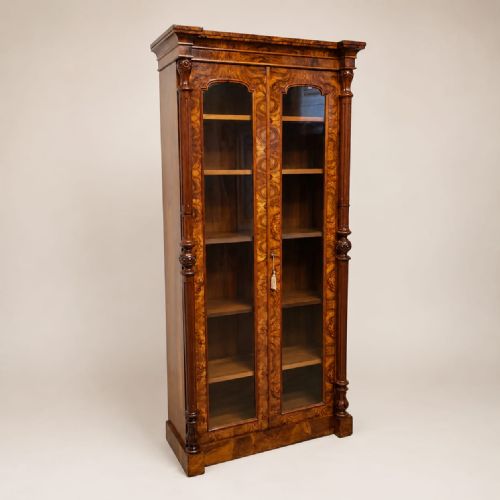
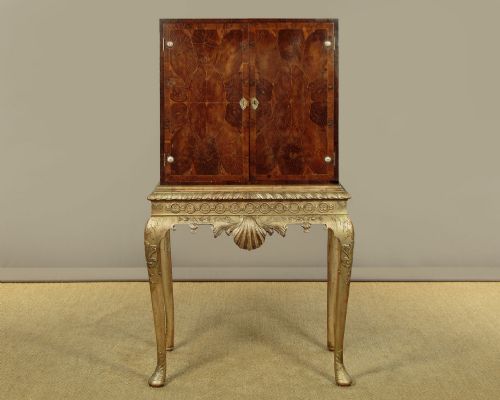
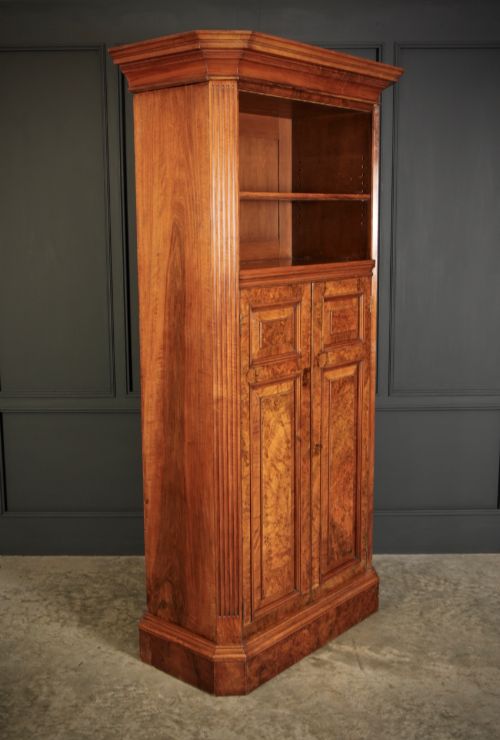
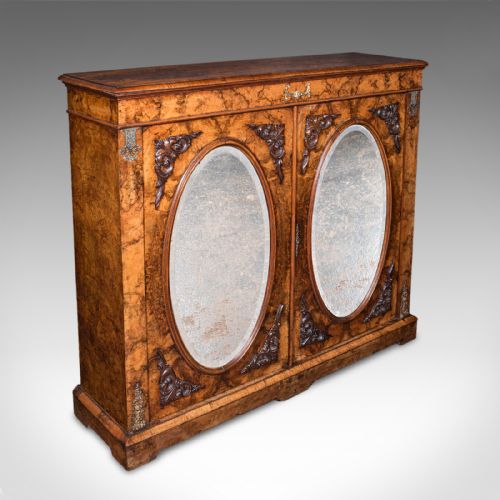
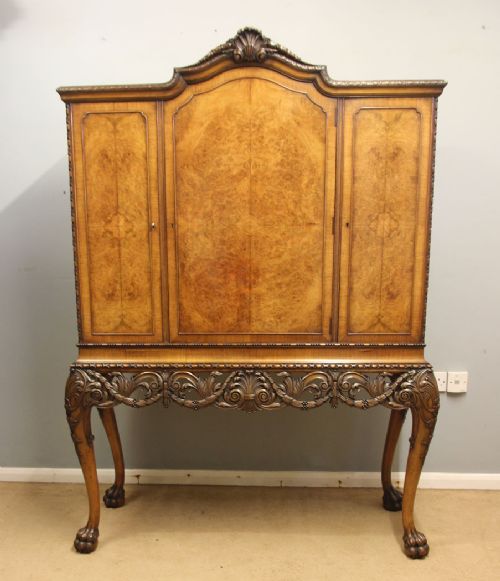
Makers and workshops utilised walnut and burr walnut extensively, often incorporating brass hardware, marble tops, or fabric linings. Forms vary from narrow upright bookcases to wide breakfront cupboards and cabinets mounted on stands.
What separates the tiers of quality
Depth and crispness of hand carving distinguish superior examples from plain production pieces, particularly around cornices, pilasters, and door panels. The choice of timber grain, such as heavily patterned burr walnut veneer matched across doors, indicates higher workshop standards.
Originality of components, including matching glass panes, period brass hardware, and functional locks, elevates a piece above those with replaced elements or altered interiors. The integrity of the structural joinery and the condition of the polished finish determine the overall presence of the cabinet.
Listings feature walnut, burr walnut, oak, and marble across Victorian, Gothic Revival, Aesthetic Movement, and Queen Anne Revival styles.
Gabriel Viardot
The Carved Walnut Display Cupboard Glossary
- Burr walnut
- A veneer sliced from the knotty growth of a walnut tree, yielding a swirling, highly decorative grain pattern used on prominent surfaces.
- Vitrine
- A glass-fronted cabinet designed specifically for displaying fine porcelain, curiosities, or decorative objects.
- Breakfront
- A cabinet design where the central section projects forward from the flanking outer sections, creating architectural depth.
- Credenza
- A low cabinet, frequently enclosed by doors, originating as a sideboard but adapted for display and storage.
- Aesthetic Movement
- A late nineteenth-century design style emphasising visual beauty, simplicity, and influences from Japanese art.
- Gothic Revival
- An architectural and furniture style drawing inspiration from medieval Gothic forms, featuring pointed arches and heavy carved tracery.
Carved Walnut Display Cupboard: Frequently Asked Questions
Where should I place a display cupboard?
These cabinets suit drawing rooms, dining rooms, or hallways where natural light can strike the glass doors and highlight the interior contents.
Ensure the floor is level so the glazed doors hang true and swing smoothly without binding on the frame.
How do I care for walnut timber?
Dust the carved surfaces regularly with a soft, dry cloth and avoid placing the cabinet near direct heat sources or strong sunlight that might dry out the timber.
Apply a traditional beeswax polish sparingly to maintain the sheen without building up heavy residues on the carved details.
What is the difference between a bookcase and a display cabinet?
Bookcases typically feature open shelves or simpler glazed doors designed primarily for housing volumes, while display cabinets prioritise glass viewing areas and mirrored or fabric-lined backs.
Many nineteenth-century examples combine both functions, offering enclosed lower cupboards beneath upper glazed display sections.
How do I identify a revival style?
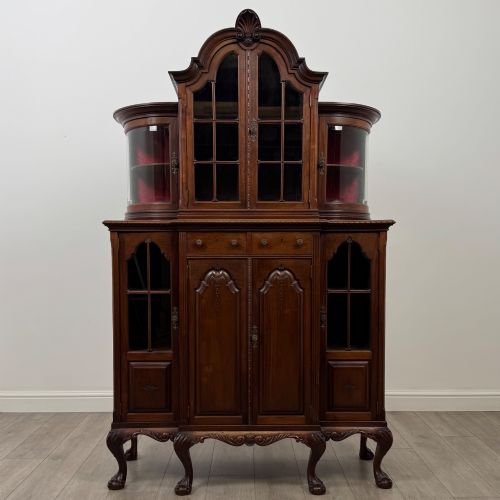
Revival pieces borrow specific decorative motifs from earlier eras, such as the curved cabriole legs and shell carvings of Queen Anne furniture recreated in the late nineteenth century.
Examine the construction methods, secondary timbers, and fastener types to distinguish a nineteenth-century revival piece from an original antique.