
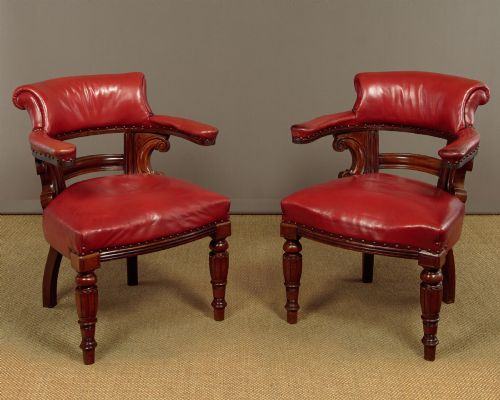
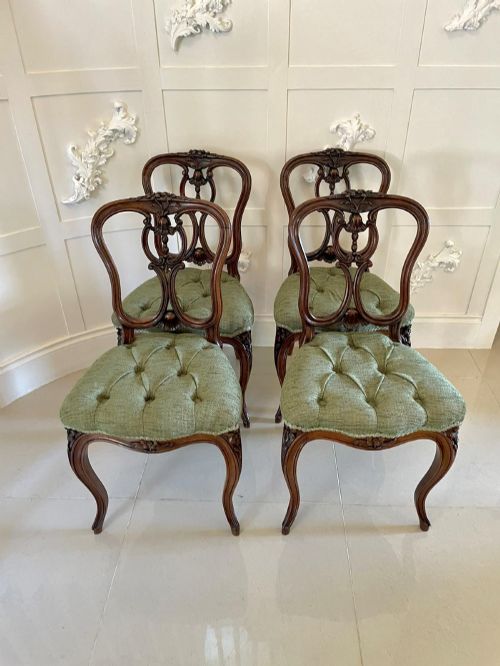

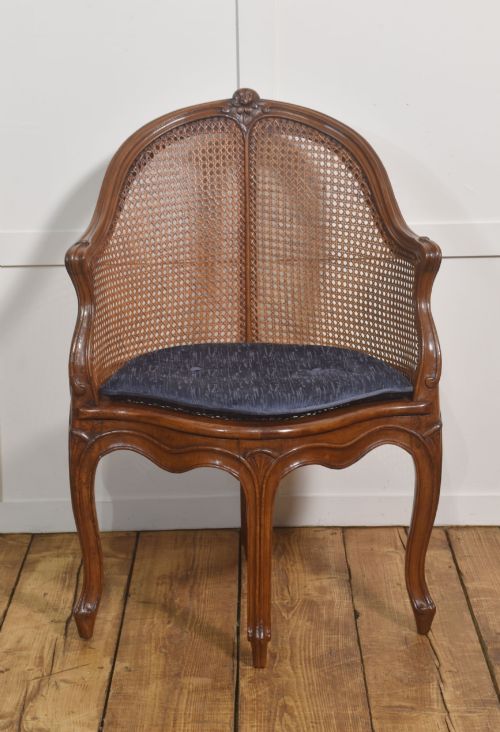
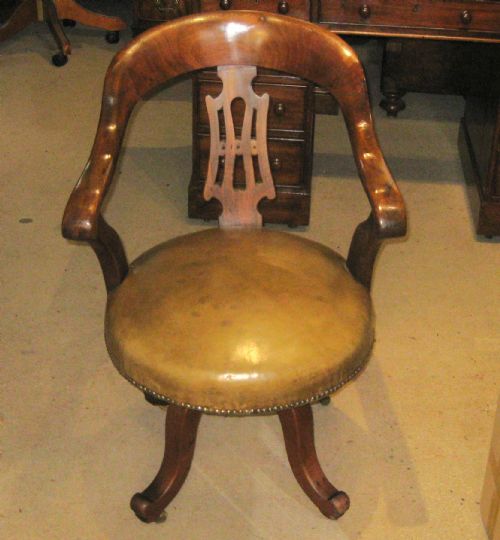
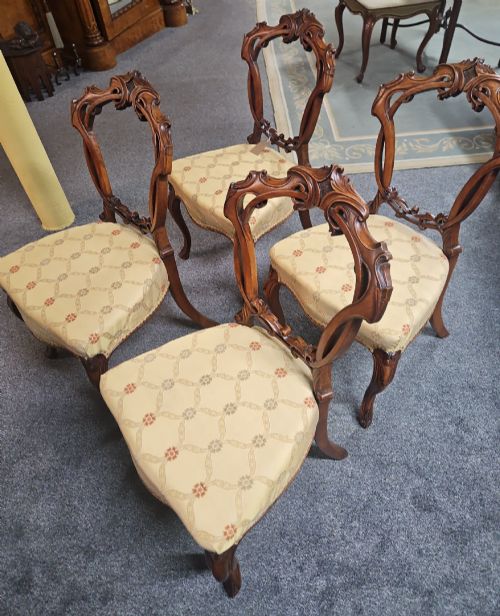
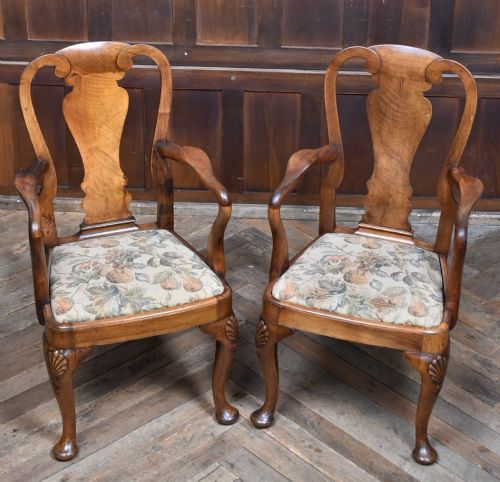
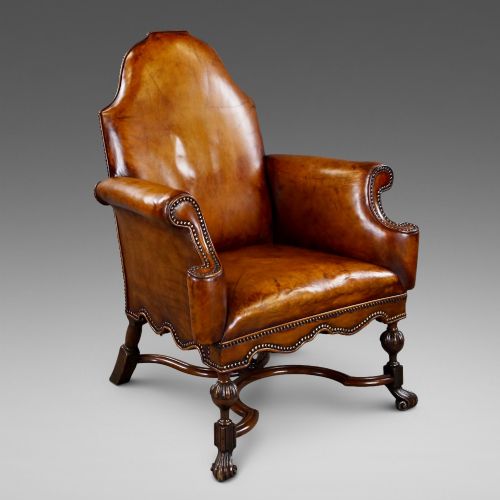
Carved Walnut Desk Chair
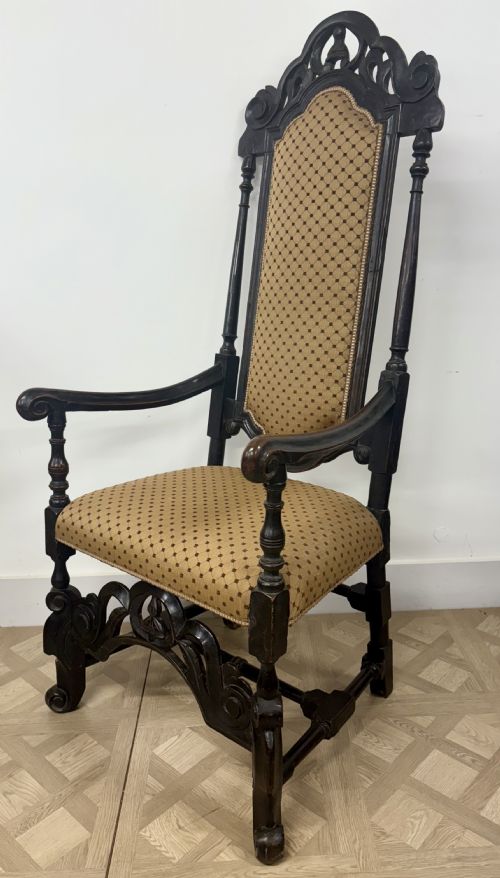
A carved walnut desk chair brings a dark grain and steady stance to a study, built in periods from the seventeenth century to the twentieth.
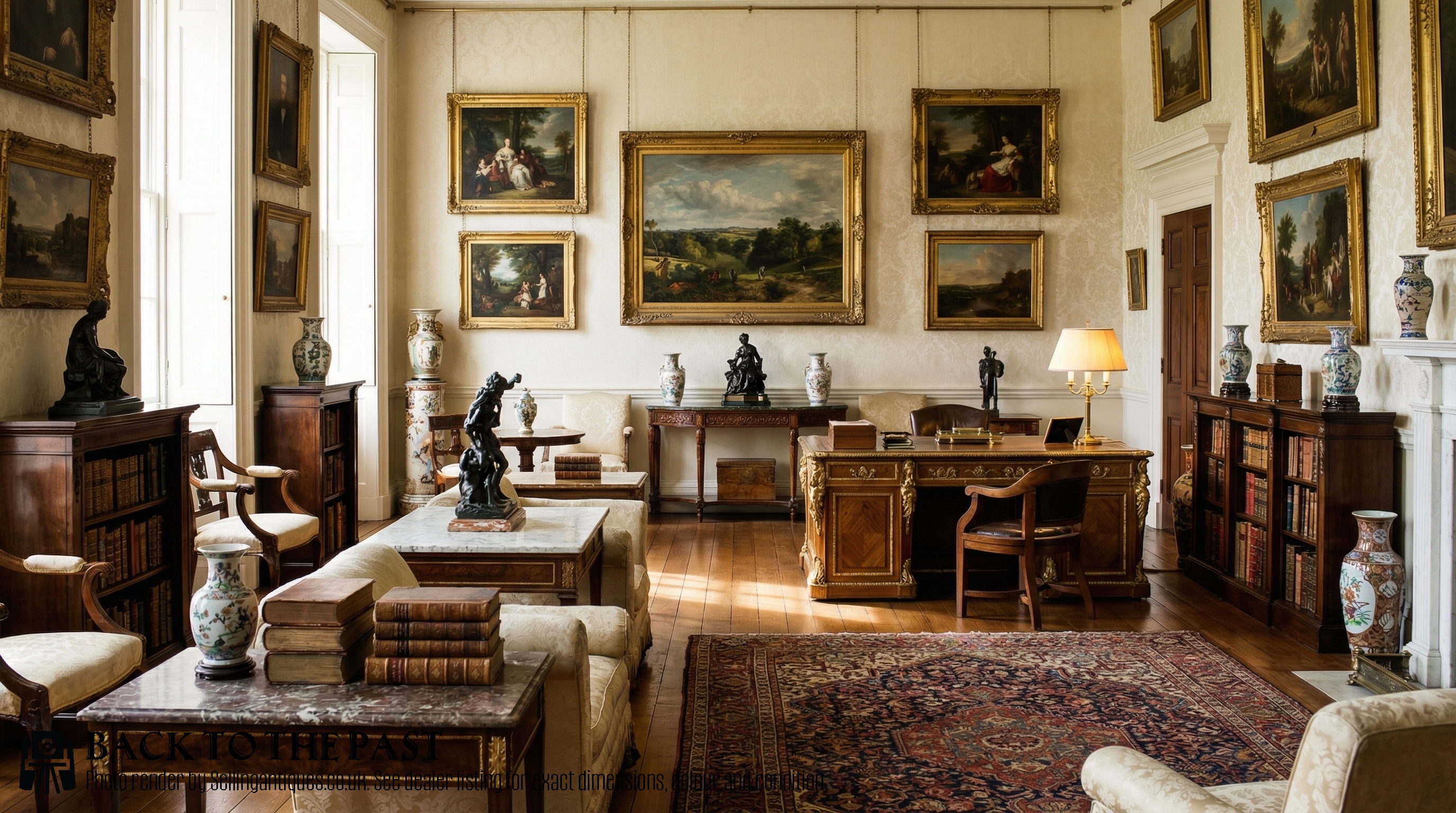
Carved Walnut Desk Chair
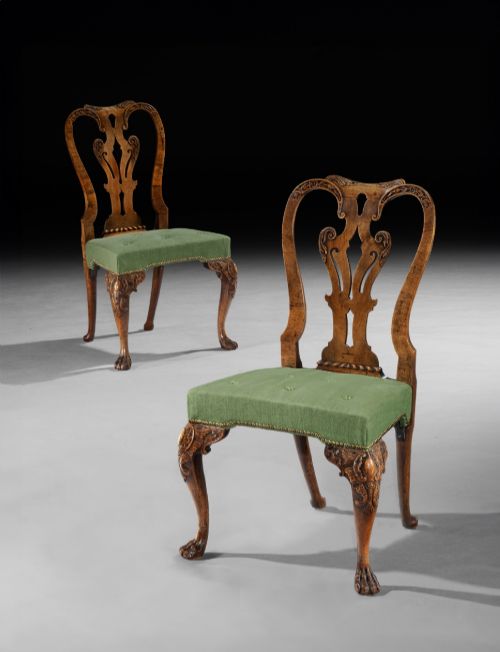
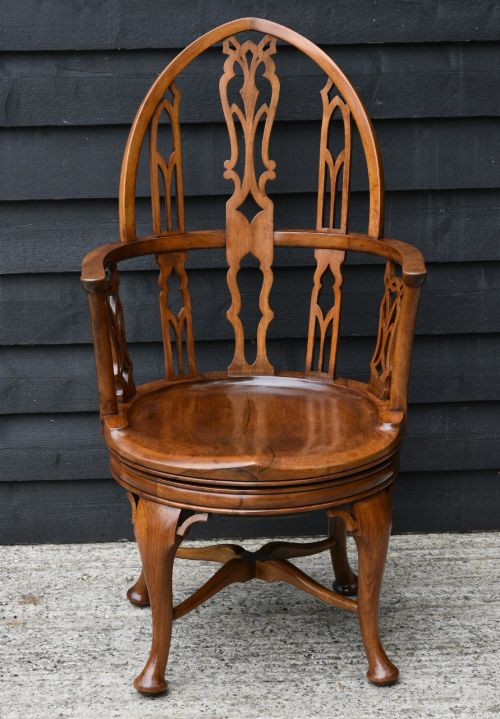
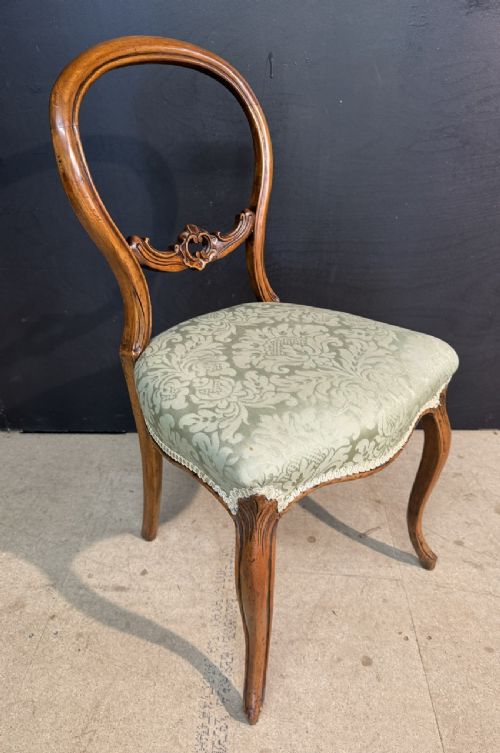
A carved walnut desk chair appears across centuries, from early English and Italian forms through George II, Victorian, and later revivals. Buyers find revolving office models, library armchairs, and side variants.
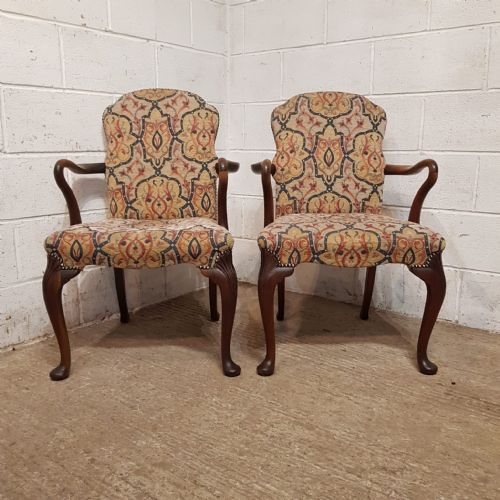
The material unites diverse styles, linking Queen Anne cabriole leg pieces with nineteenth-century revolving mechanisms and Gothic or French revival designs.
Materials and construction methods
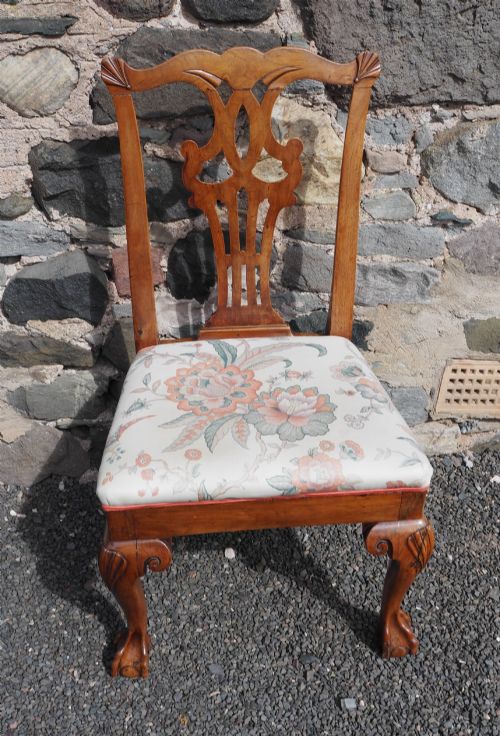
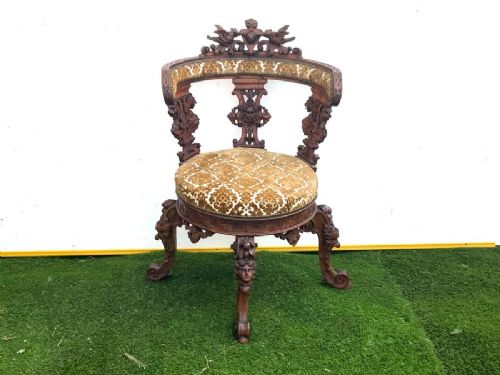
Makers utilised solid timber and burr walnut veneers over supportive frames, shaping legs into cabriole forms or turning uprights by hand. Carving defines the crest rails and knees, often taking the shape of eagles, lions, or shell motifs.
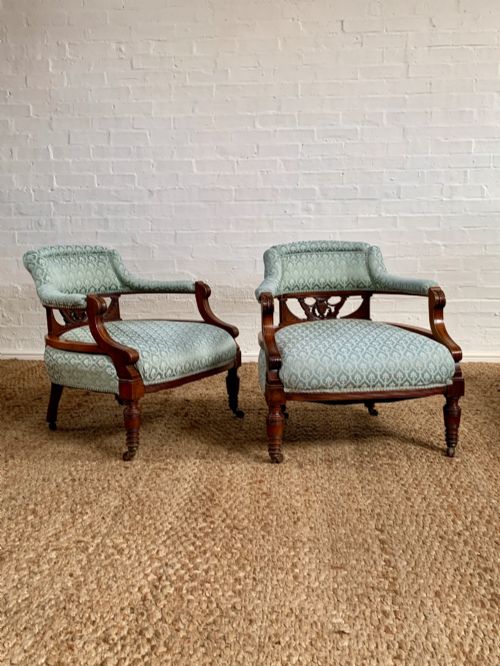
Seating areas rely on drop-in frames, cane webbing, or upholstery covered in leather, velvet, tapestry, and fabric, secured with brass tacks.
Carved Walnut Desk Chair Retail Price Guide 2026
Typical asking prices for carved walnut desk chair among the pieces listed under this phrase on Sellingantiques today, from the lower quarter to the upper quarter. They describe what is for sale here now, not the wider market.
Some nineteenth-century models feature carved eagle and lion heads keeping watch over the paperwork.
Distinctions in construction and finish
Quality rests in the depth and sharpness of the carved detail, distinguishing crisp hand work from softer moulding. The weight of the timber and the integrity of the walnut grain dictate the substance of the frame.
Swivelling mechanisms on office variants operate with smooth engineering, while stationary joints remain tight without modern reinforcement.
Charles Tozer·Hindley & Sons
The Carved Walnut Desk Chair Glossary
- Cabriole leg
- A furniture leg that bends outward in a convex curve and tapers inward to a foot, typical of eighteenth-century design. This shape derives from animal limbs.
- Splatted back
- A central vertical slat of wood within a chair back that supports the spine. Pierced examples show intricate cut-out patterns.
- Drop-in seat
- A removable wooden frame upholstered separately and dropped into a ledge within the chair seat rails. It permits easy reupholstery.
- Tub chair
- An armchair with a low, curved back that wraps continuously into the arms. This form offers enclosed seating comfort.
- Fauteuil
- An open-framed upholstered armchair with exposed wooden arms originating in France. The style gained popularity during the seventeenth and eighteenth centuries.
Carved Walnut Desk Chair: Frequently Asked Questions
How do I identify an 18th-century piece?
Eighteenth-century examples show hand-cut joinery, pegged joints, and dense timber patination developed over centuries of use.
Decoration aligns with periods like George II or Queen Anne, featuring carved cabriole legs and vase-shaped splats without mechanical swivel adjustments.
Are revolving chairs period antiques?
Revolving office chairs appear frequently in nineteenth-century Victorian and Aesthetic Movement designs. They combine traditional carved walnut frames with iron or brass pivoting mechanisms.
Makers adapted older stylistic motifs to suit nineteenth-century workspace requirements.
What upholstery materials were used?
Original seating surfaces typically feature leather, woven tapestry, velvet, or heavy textile fabrics secured with brass upholstery nails. Cane work also appears on lighter frames.
Many pieces have undergone professional reupholstery in traditional fabrics to preserve the wooden frames.
How should I care for walnut furniture?
Keep walnut furniture away from direct sunlight and steady heat sources to prevent timber shrinkage and veneer cracking. Natural wax polish maintains the lustre of the grain.
Check joinery periodically, particularly on revolving or desk models subject to movement.