

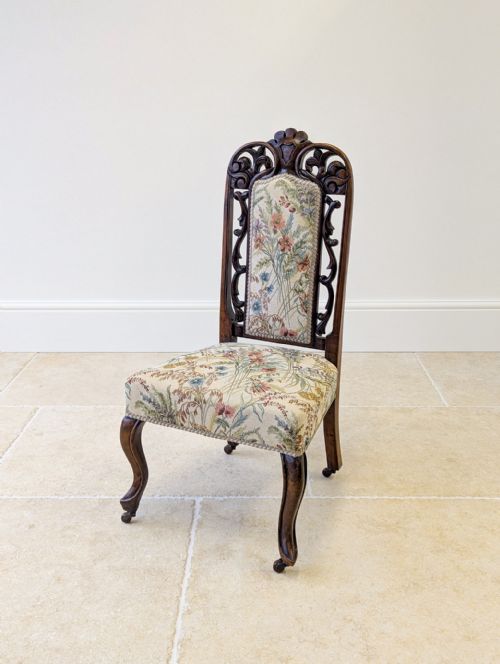
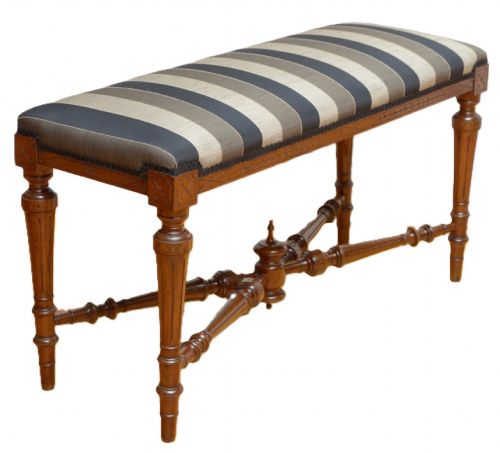


Carved Walnut Bedroom Seat
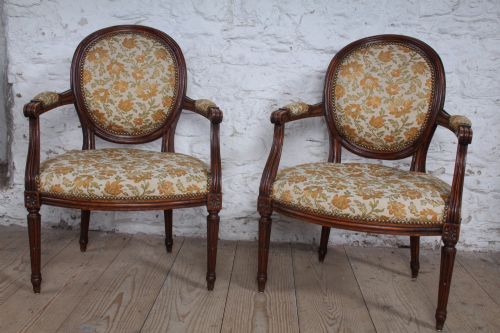
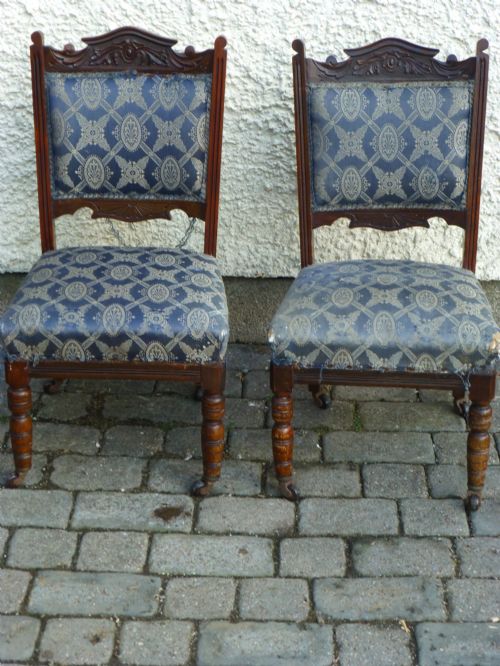
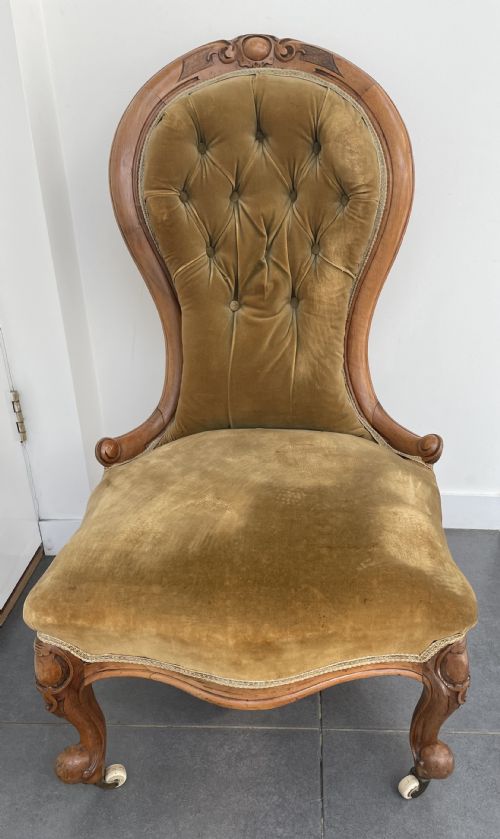
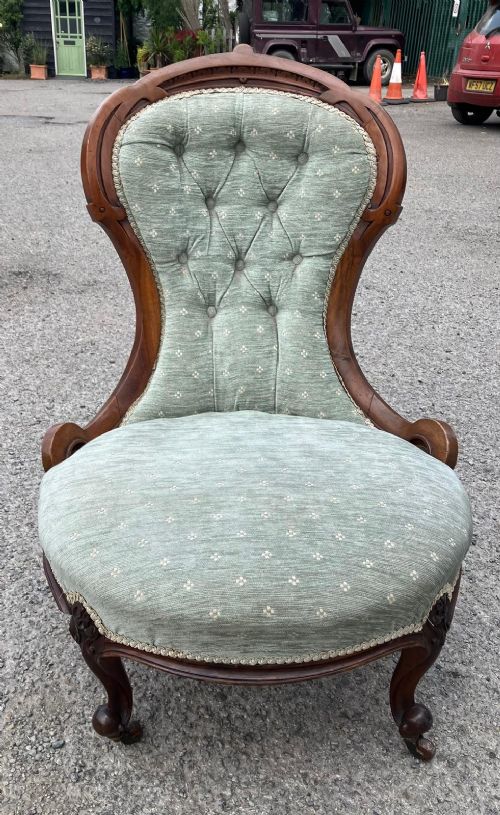
These pieces for a carved walnut bedroom seat offer period charm, combining rich timber frames with varied textile coverings.
Carved Walnut Bedroom Seat
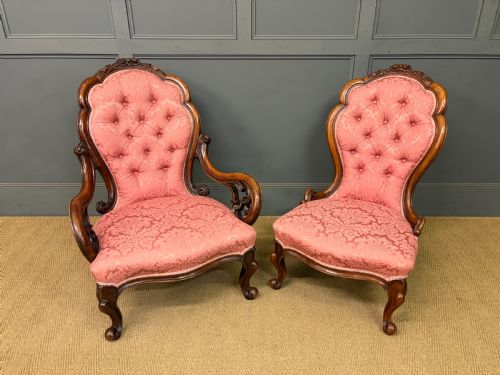
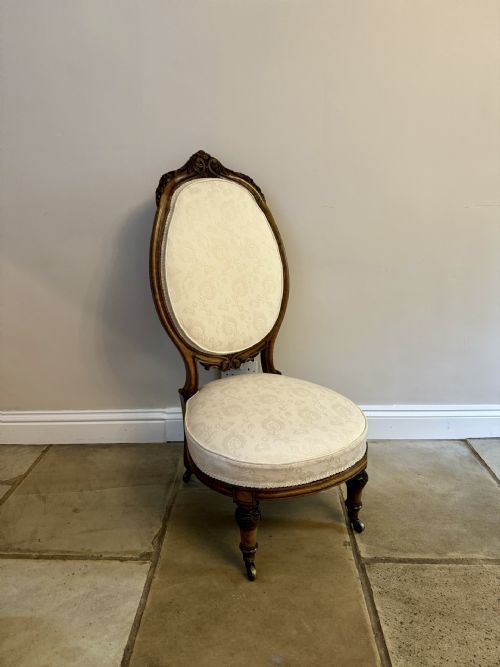
A carved walnut bedroom seat encompasses a variety of forms designed for private chambers, dressing rooms, and boudoirs. The listings show items ranging from compact nursing chairs and low dressing table stools to window seats and armchairs.
Victorian examples dominate the selection, often dated between eighteen fifty and eighteen ninety, alongside occasional Edwardian and twentieth-century revivals. Side chairs and salon seating also appear frequently within these domestic groupings.
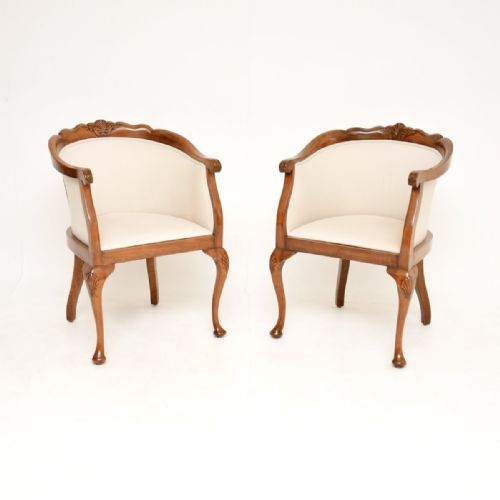
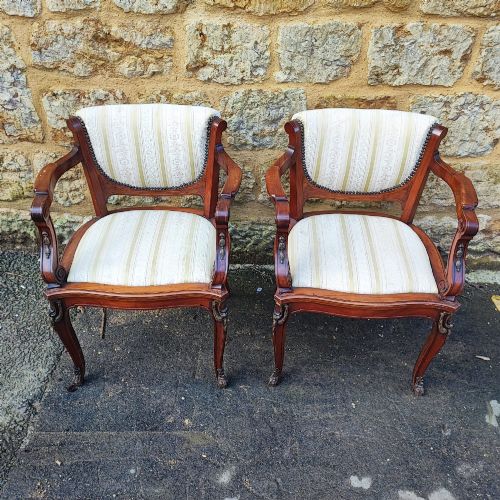
Makers and designers drew on diverse aesthetics, producing pieces in Queen Anne style, French Louis sixteenth influence, and Victorian rococo revival. These varied shapes served both practical seating needs and decorative roles in period interiors.
How they were made
Craftsmen utilised solid walnut for the structural frames, sometimes selecting burr walnut veneers for decorative grain patterns. Hand-carved details frequently adorn the crest rails, splats, and legs of these chairs and benches.
Traditional upholstery techniques support the seat pads and backs, incorporating materials such as brass tacks, webbing, and stuffing. Many items retain or have been restored with textile coverings including velvet, linen, needlepoint, and tapestry.
Some nursery chairs arrived with exceptionally low seats, ready for Victorian infants and their long petticoats.
What varies in quality
The crispness of the hand-carved detail distinguishes standard production from finer examples. Deeply sculpted scroll backs, pierced splats, and well-defined floral or foliate motifs indicate superior craftsmanship.
The integrity of the walnut frame and the quality of the textile upholstery dictate overall desirability. Pieces retaining original needlework or high-grade period fabrics sit alongside those requiring re-upholstery.
The Carved Walnut Bedroom Seat Glossary
- Nursing chair
- A low-seated chair traditionally used in the Victorian bedroom for feeding infants or assisting with attire.
- Window seat
- A long, bench-like stool designed to fit beneath a window, often featuring upholstered pads and turned or carved legs.
- Spoon-back
- A chair back shaped in the concave form of a spoon, popular during the mid-nineteenth century to support the sitter.
- Needlepoint
- Stitched textile work using canvas as a base, frequently seen on historical seat covers and footstools.
- Splat
- The vertical strip of wood down the centre of a chair back, sometimes pierced or carved.
Carved Walnut Bedroom Seat: Frequently Asked Questions
What is a nursing chair?
A nursing chair is a low-seated Victorian chair designed for comfort and ease of dressing or infant care in the bedroom.
Its reduced height distinguishes it from standard dining or salon seating.
Where were window seats used?
Window seats were placed in bedrooms, hallways, and reception rooms to provide convenient seating by natural light sources.
They often took the form of long benches or duet stools matching other chamber furniture.
How do I identify Victorian walnut furniture?
Victorian walnut pieces typically display dark, rich timber tones with distinctive grain patterns and hand-carved ornamentation.
Common styles from this era include rococo revival, balloon backs, and spoon backs.
What is needlepoint upholstery?
Needlepoint is a form of counted-thread embroidery applied to canvas, frequently used for decorative chair and stool seats.
Many surviving pieces retain their original needlework covers or feature period-appropriate restorations.