
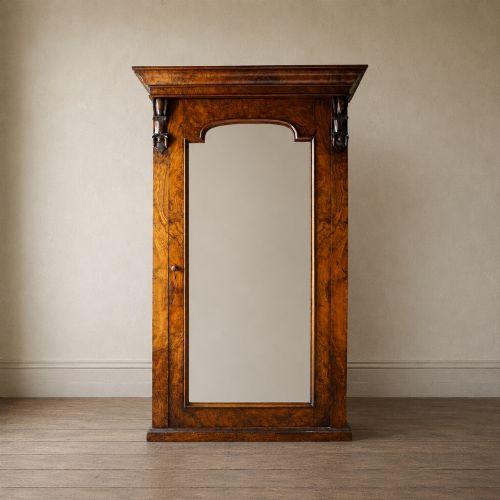
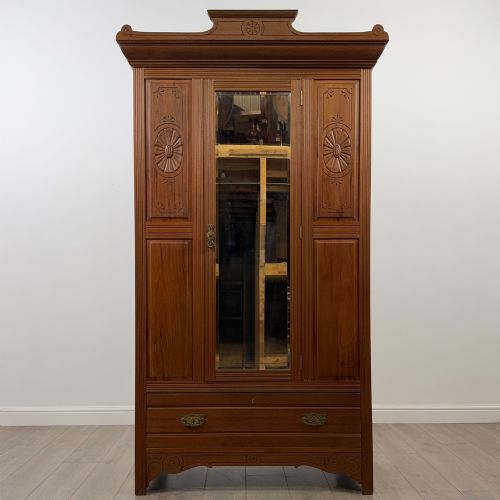
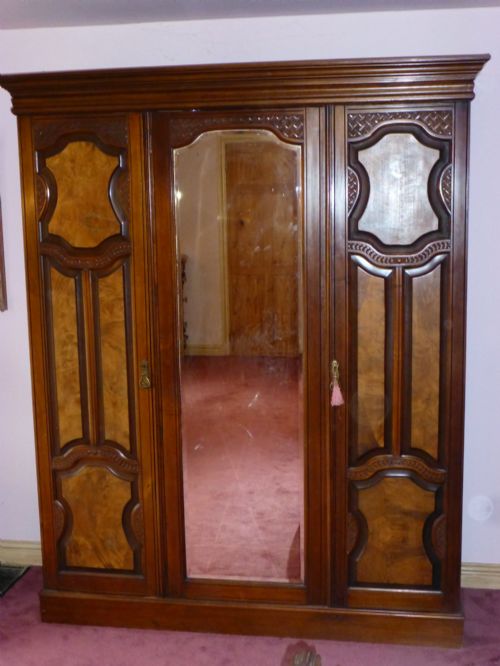

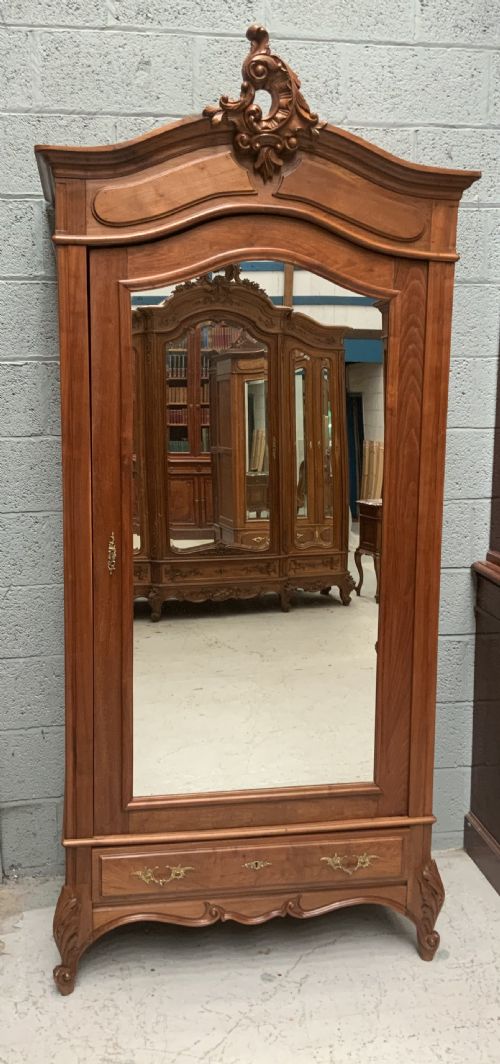
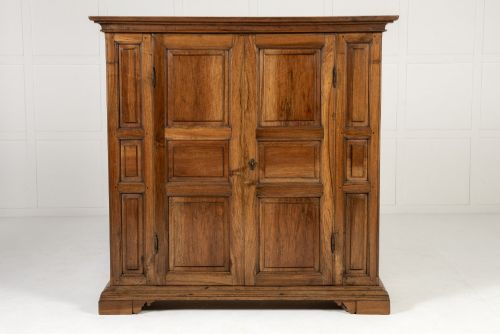
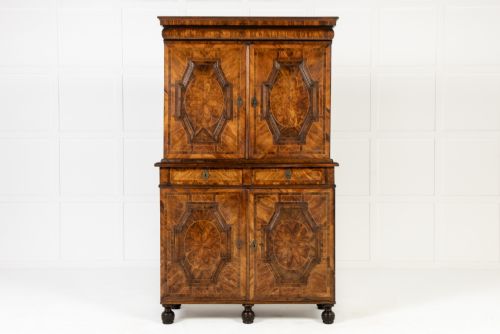

Carved Walnut Armoire Doors
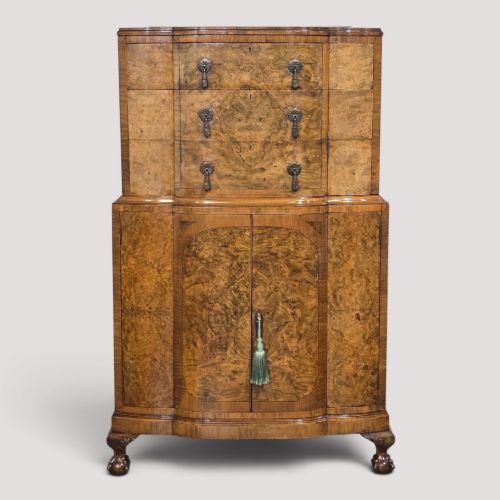
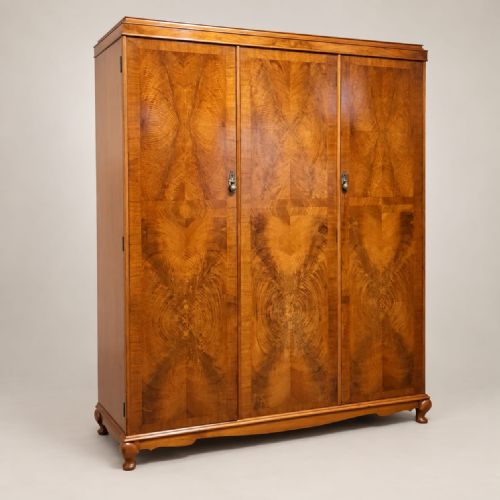
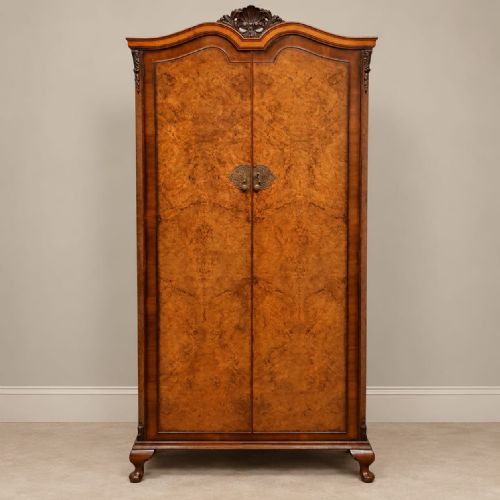
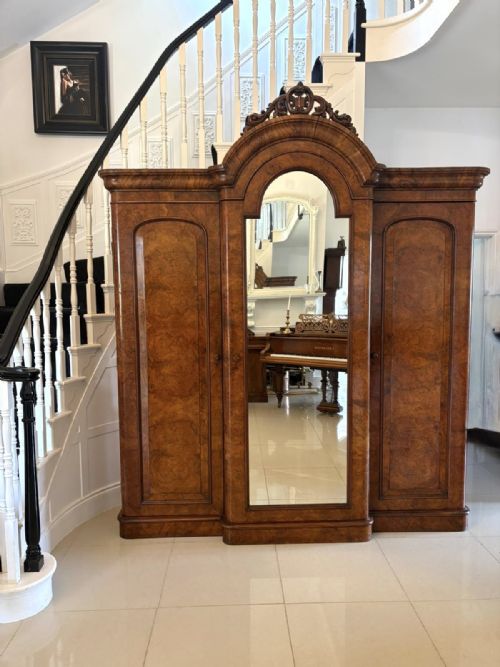
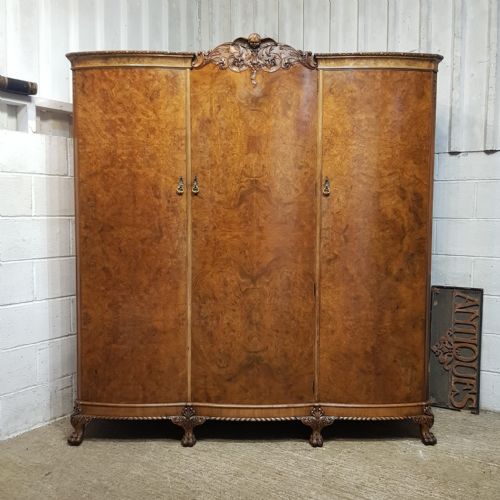
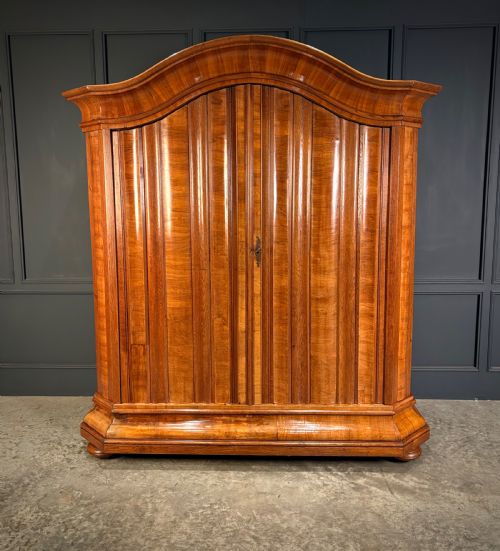
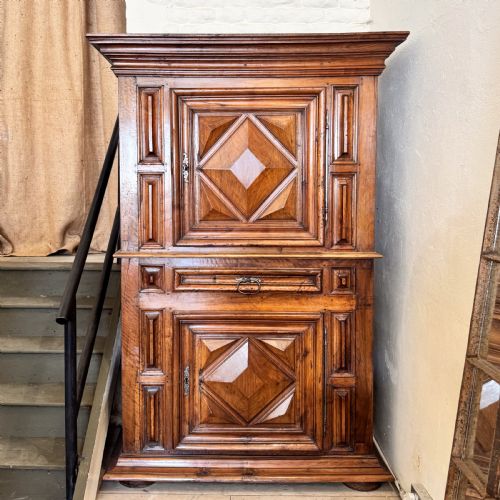
These carved walnut armoire doors bring rich timber and hand-chiselled detail to an interior, salvaged from larger storage pieces to stand as panels or be rehung.
Carved Walnut Armoire Doors
When you search for carved walnut armoire doors, you are looking at architectural fragments and timber panels salvaged from large European and British wardrobes, cabinets, and linen presses. These panels span periods from the eighteenth century through the Victorian era and into the early twentieth century, reflecting various regional tastes.
The pieces on this page originate from French provincial furniture, Italian Baroque cupboards, and Victorian combination wardrobes, showcasing styles such as French Provincial, Continental Baroque, and Queen Anne Revival. Many emerge as matched pairs of heavy timber doors, while others survive as single panels.
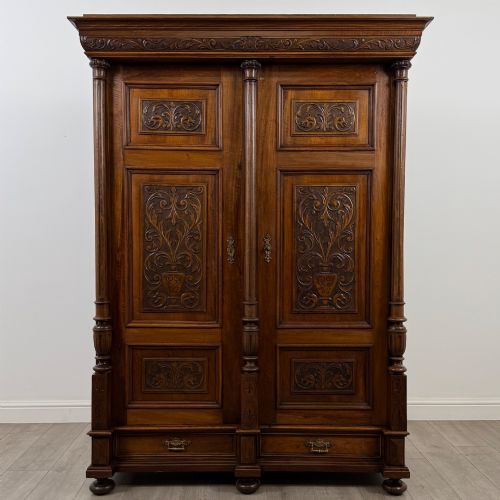
The forms range from simple flat panels with fielded mouldings to deeply sculpted doors featuring floral motifs, scrolls, and linenfold patterns. They offer an accessible way to integrate period walnut craftsmanship into modern architectural schemes without acquiring a full-scale wardrobe.
Assessing Quality and Craftsmanship
Quality rests in the depth and precision of the hand-carving, where sharp relief work and fluid scrolls distinguish master carpentry from mechanical or shallow execution. The choice of timber also dictates the tier of the piece, with richly figured burr walnut commanding greater visual presence than plain grain.
Structural integrity matters just as much as surface decoration, visible in the tightness of the original joints and the stability of the heavy timber frame. Pieces that retain their original brass hardware or glass elements demonstrate a higher degree of preservation.
Period origins among these architectural elements stretch from the seventeenth century through the Edwardian era.
Holland and Sons·Shapland and Petter
The Carved Walnut Armoire Doors Glossary
- Burr Walnut
- A timber harvested from the burl growth of a walnut tree, yielding swirling, highly decorative grain patterns prized in high-end cabinetmaking. It is sliced into thin veneers and applied to primary surfaces.
- Armoire
- A large wardrobe or cupboard, typically featuring double doors, originating in France and continental Europe. They were traditionally built to store garments and linen.
- Stile
- The vertical outer member of a panelled door frame that holds the central panel in place. It absorbs much of the structural stress.
- Rail
- The horizontal timber member that joins the stiles at the top, bottom, and middle of a panelled door. Together with stiles, they form the sturdy frame.
- Fielded Panel
- A central wooden panel with bevelled or stepped edges designed to fit tightly into a surrounding groove while allowing the wood to expand and contract.
Carved Walnut Armoire Doors: Frequently Asked Questions
How can I hang antique armoire doors?
These heavy walnut doors require robust pivot hinges or heavy-duty strap hinges screwed securely into substantial wall studs or custom timber frames. Because historical hardware is often sized for large cabinets, modern reinforcement may be necessary to support the weight.
Consult a professional joiner to ensure the hanging method distributes the load evenly without twisting the stiles. Proper alignment prevents the dense timber from binding as seasonal temperatures change.
Can these doors be used as wall panels?
Mounting these panels directly onto interior walls creates a striking architectural feature, particularly with pairs of carved French doors. Batten systems fixed to the rear framework allow the timber to hang safely without driving fixings through the antique wood.
Ensure the wall surface is dry and stable to protect the walnut from moisture fluctuations. Spacing the panels slightly away from the plaster prevents condensation build-up behind the dense grain.
How do I care for antique walnut timber?
Feed the dry walnut surface periodically with a traditional beeswax polish to nourish the grain and maintain a soft lustre. Avoid silicone-based sprays, which sink into the pores and damage the historic finish over time.
Keep the panels away from direct sunlight and strong heat sources such as radiators to prevent the timber from splitting or warping. Gentle dusting with a soft, dry cloth is sufficient for routine maintenance.
How do I date a set of walnut doors?
Examine the tool marks along the edges and the construction of the frame joints to determine the period of manufacture. Hand-cut joinery and traditional pegging usually point towards eighteenth or nineteenth-century craftsmanship.
The style of the carving, from Baroque scrolls to Victorian geometric mouldings, provides further clues to the decade of origin. Comparing the wood density and patina against known archive examples confirms the age.