


Carved Wall Plaque
A carved wall plaque brings architectural depth and figurative drama to an interior, transforming a plain surface into a focal point of historic craftsmanship.
Carved Wall Plaque
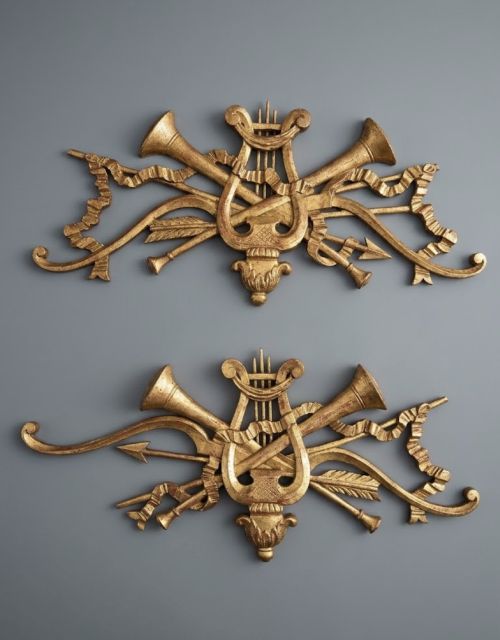
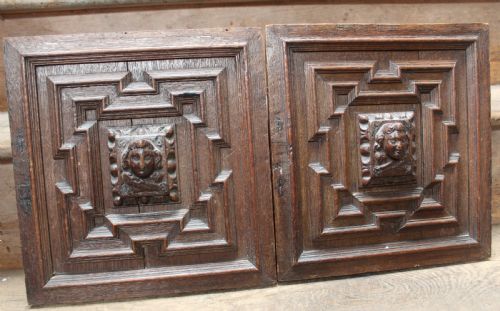
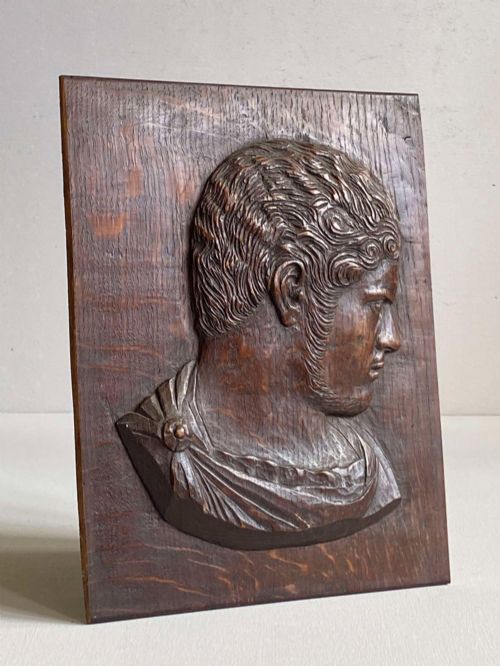
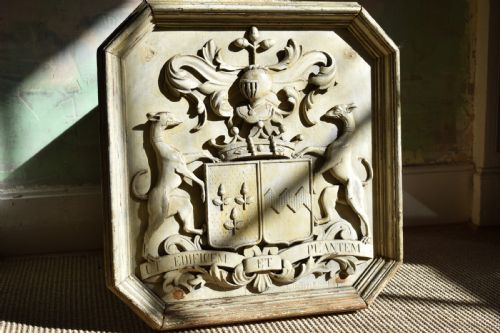
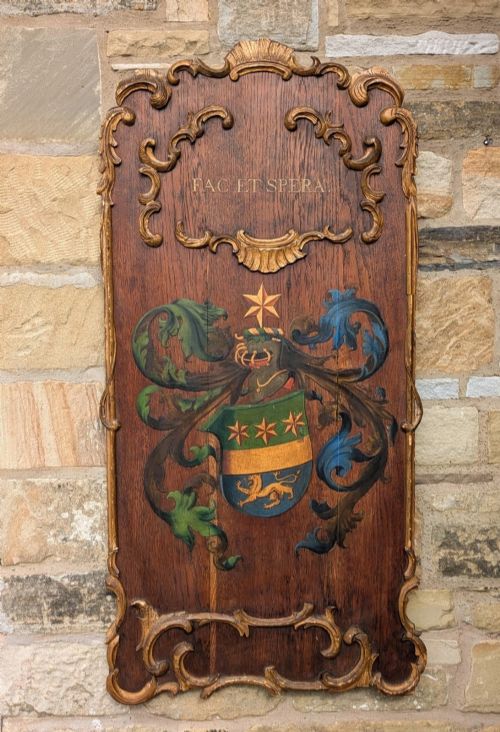
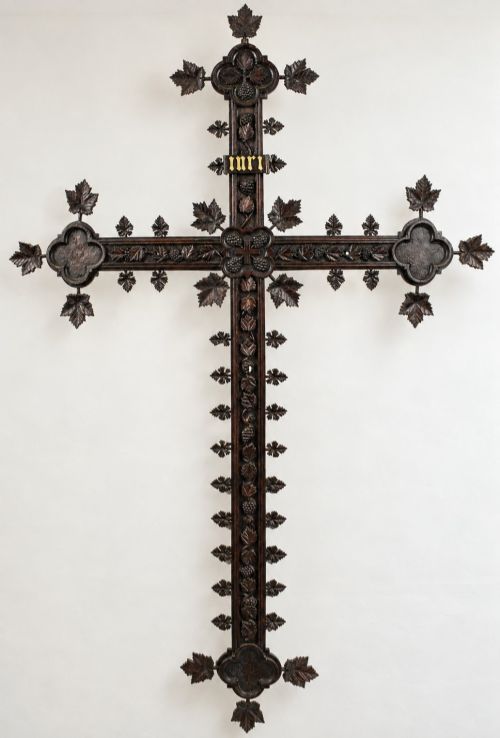
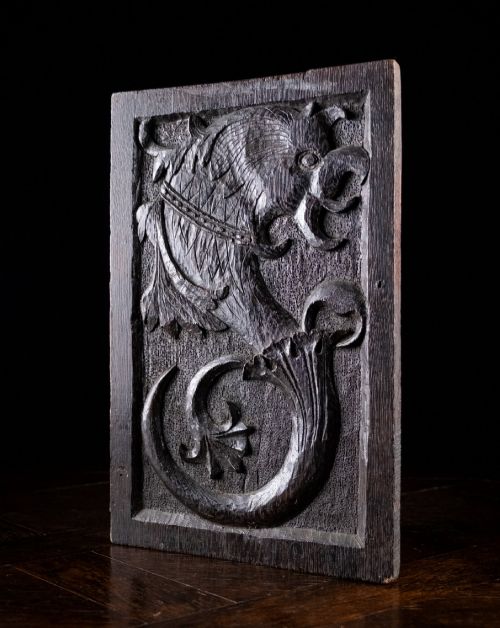
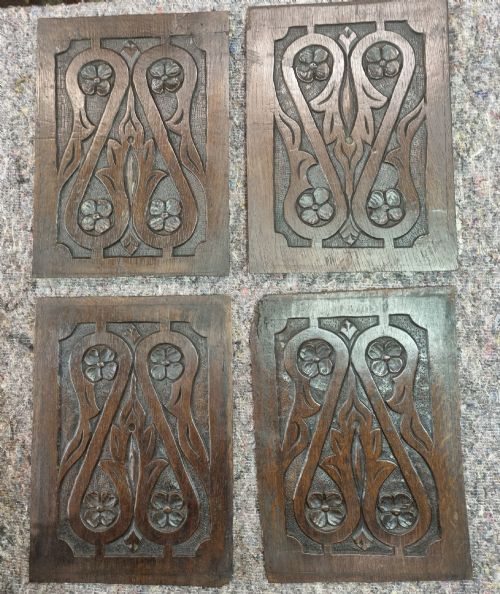
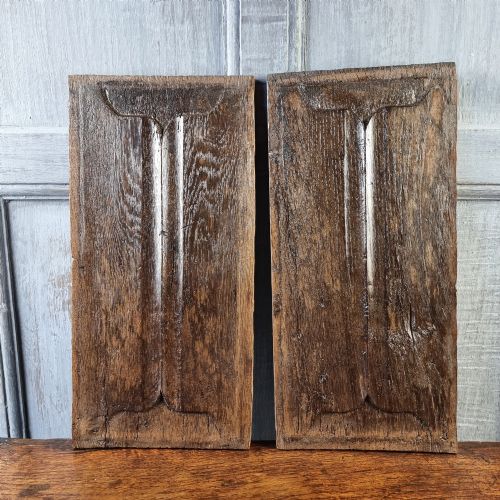
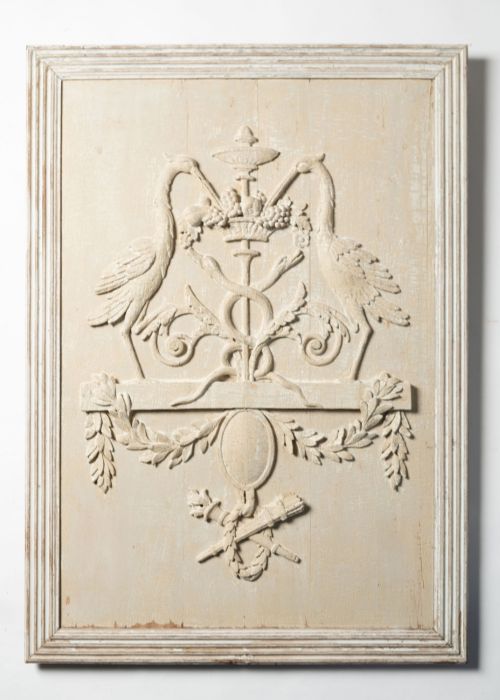
When you search for a carved wall plaque, you encounter architectural fragments, panel sets, and sculptural reliefs spanning several centuries. The selection ranges from medieval linenfold oak boards and seventeenth-century religious panels to nineteenth-century Black Forest crosses and heraldic armorial shields.
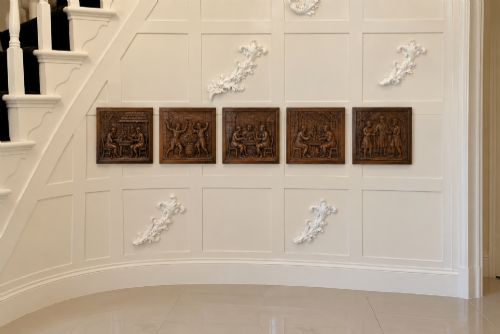
You are most likely to meet nineteenth-century and eighteenth-century oak panels or decorative wooden carvings on this page. These pieces frequently originate from domestic wall panelling, tavern scenes, or repurposed church furnishings adapted long ago for display.
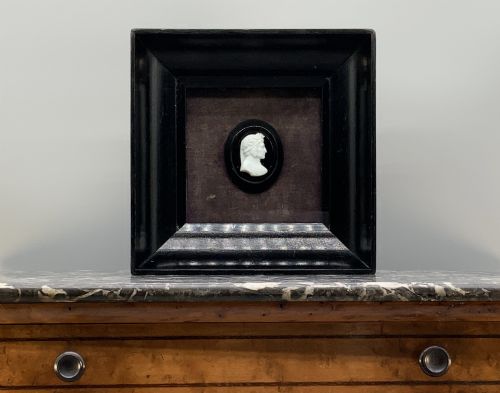
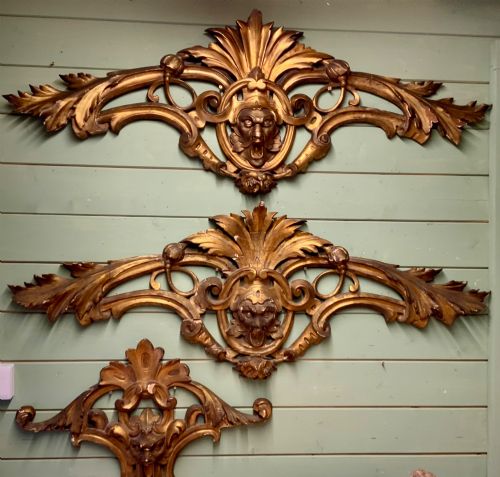
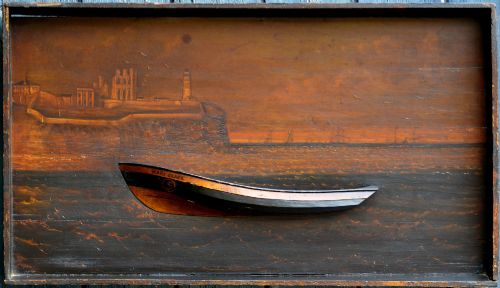
The assortment extends beyond timber to include folk art half-hull models, Grand Tour plaster and ivory portraits, and gilt temple carvings. Each object retains a distinct regional idiom, whether Dutch, French, Flemish, or British.
Materials and Construction
The pieces rely heavily on dense hardwoods, predominantly oak, chestnut, and fruitwood, selected for stability and responsiveness to deep chisel work. Craftsmen deployed high-relief and low-relief techniques to create shadow and dimension across the timber surface.
Secondary mediums include polychrome paint, gilding, plaster, stone, and ivory. Many timber panels show evidence of original construction as furniture doors, coffers, or architectural linings before conversion into wall hangings.
Carved Wall Plaque Retail Price Guide 2026
Typical asking prices for carved wall plaque among the pieces listed under this phrase on Sellingantiques today, from the lower quarter to the upper quarter. They describe what is for sale here now, not the wider market.
Several panels depict mischievous Green Men with foliage sprouting from their mouths, keeping a watchful, leafy eye on the room.
Distinctions in Quality
Quality rests on the depth of the carving, the crispness of the undercutting, and the anatomical or architectural accuracy of the figures. A superior panel displays confident tool marks and nuanced expression rather than flat, mechanical repetition.
The integrity of the timber surface and the coherence of the composition dictate the standing of a piece. Original patination and untouched historic surfaces elevate an example far above heavily stripped or later composite assemblages.
The Carved Wall Plaque Glossary
- Linenfold
- A style of wood carving that imitates folded fabric, popular on sixteenth-century panels. This treatment creates vertical rhythmic shadows across architectural joinery.
- Relief
- Sculpture where figures project from a flat background. High relief stands out significantly from the plane, while low relief remains closer to the surface.
- Armorial
- Relating to heraldry, coats of arms, or family crests. These carved plaques commemorate marriages, lineages, or civic offices.
- Trophy carving
- A decorative arrangement of related objects, such as game, musical instruments, or agricultural produce, carved in a single composition.
- Polychrome
- Painted in several colours. This surface treatment was frequently applied to historic wood and plaster to enhance realism.
Carved Wall Plaque: Frequently Asked Questions
How do I hang a heavy wooden panel safely?
Heavy carved wall plaques require sturdy fixing to wall studs or masonry using suitable brackets or batten systems. Weight distribution must be calculated carefully to prevent strain on ancient timber joints.
Consult a professional restorer or joiner if the panel lacks original suspension points. Avoid resting heavy reliefs entirely on modern picture wire.
How do I clean historic carved wood?
Dust the crevices gently with a soft, dry bristle brush to prevent particle accumulation. Moisture and modern chemical polishes damage historic wax finishes and painted surfaces.
Maintain stable indoor humidity levels to prevent the timber from warping or splitting. Sudden temperature changes near radiators present the primary danger to old panels.
Are these panels architectural salvage?
Many carved panels originated as structural elements of domestic interiors, churches, or furniture before removal. Doors, coffers, and wall linings were often dismantled and mounted independently in later centuries.
This adaptive history explains why some wall pieces show secondary hinge marks or rebate cuts. Such alterations record the long functional life of the timber.
How do I date an oak panel?
Dating relies on tool marks, joinery methods, stylistic motifs, and the ageing of the timber. Sixteenth and seventeenth-century work typically exhibits hand-riven boards and pegged mortise-and-tenon construction.
Later nineteenth-century revivals often mimic earlier styles but reveal machine-sawn edges or different fastening techniques under close inspection. Comparative analysis of regional carving habits confirms the era.