
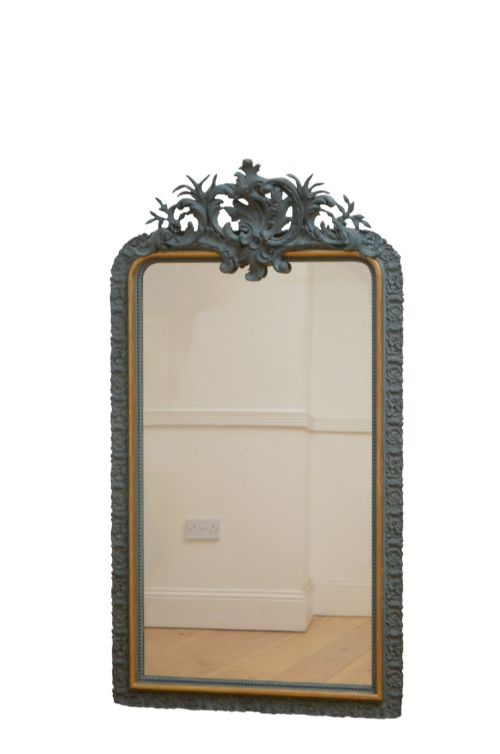

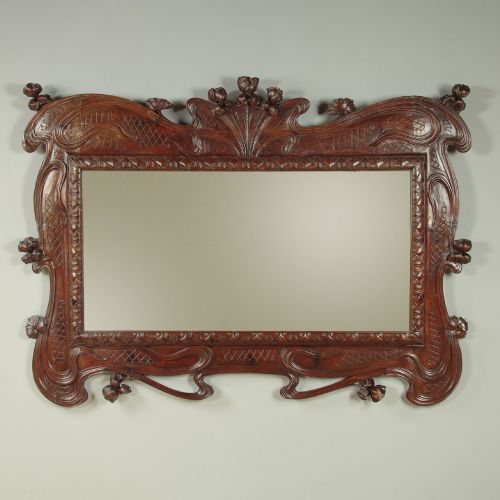
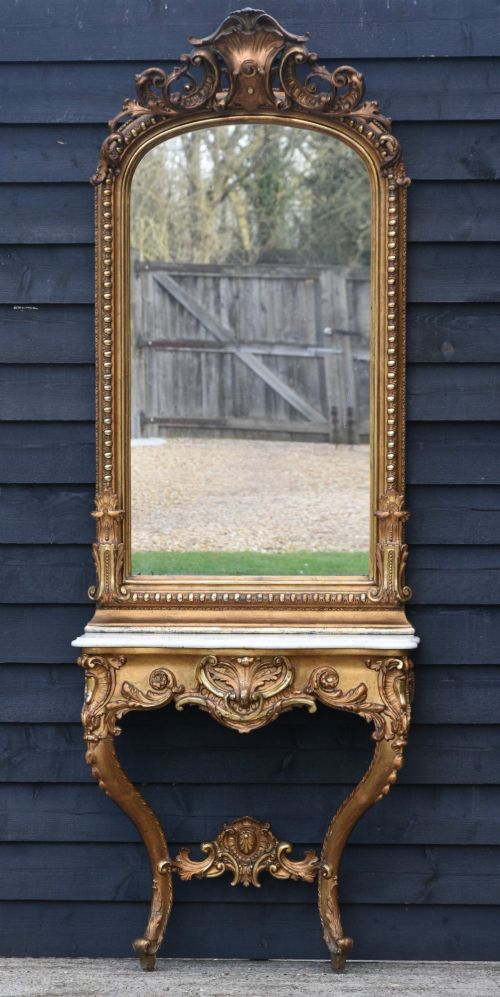
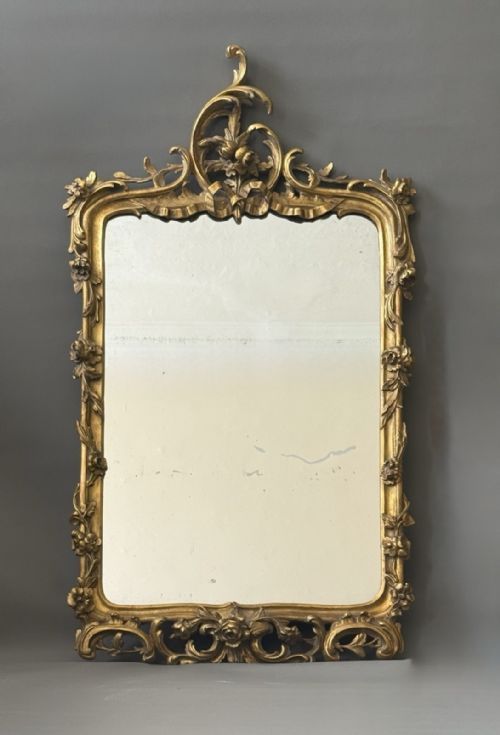
Carved Wall Mirror
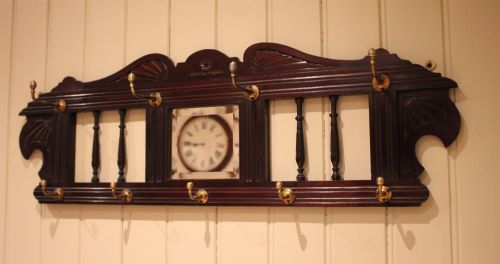
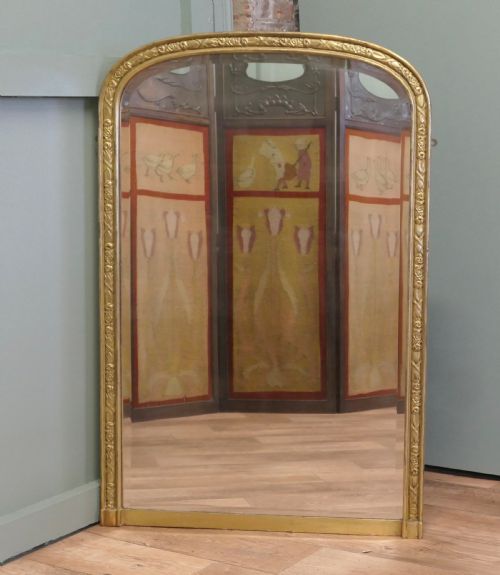
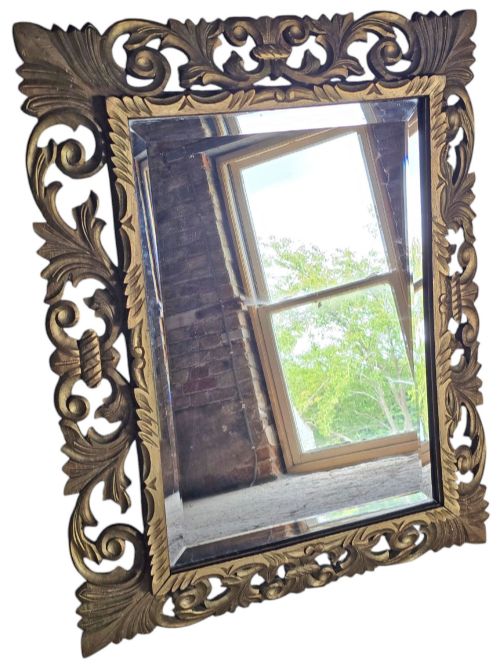
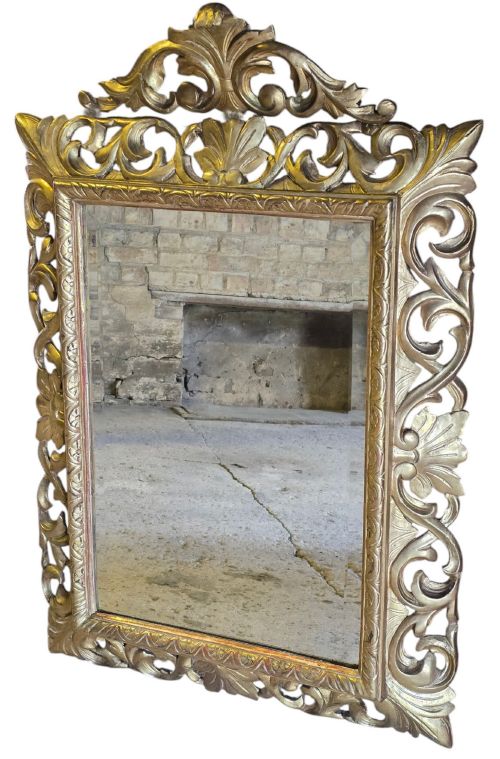
A carved wall mirror brings reflective depth and intricate wooden or gilded ornamentation into a room, drawing the eye instantly.
Carved Wall Mirror
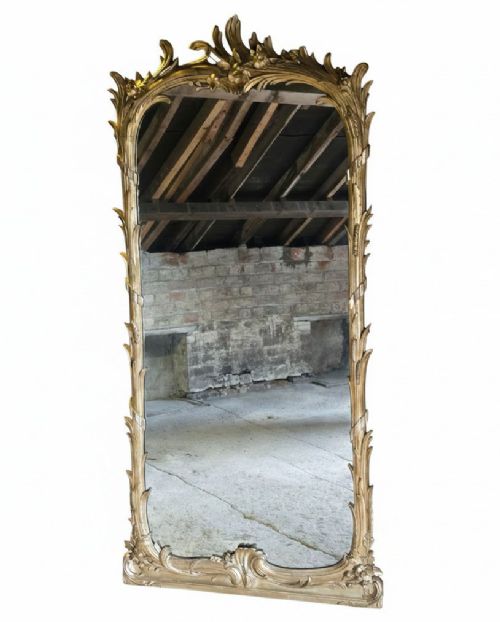
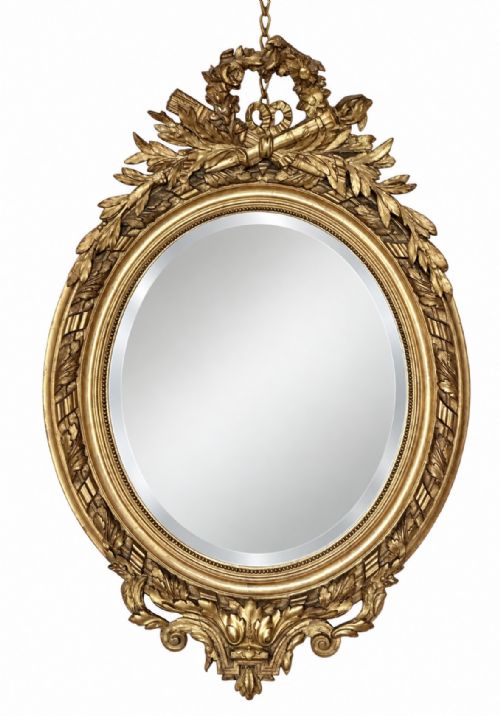
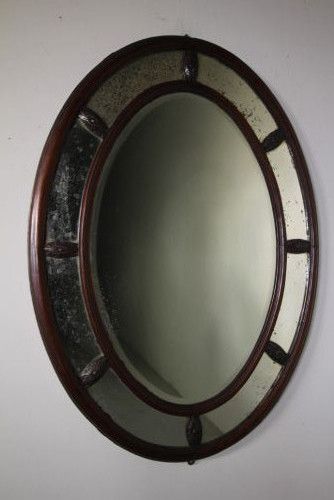
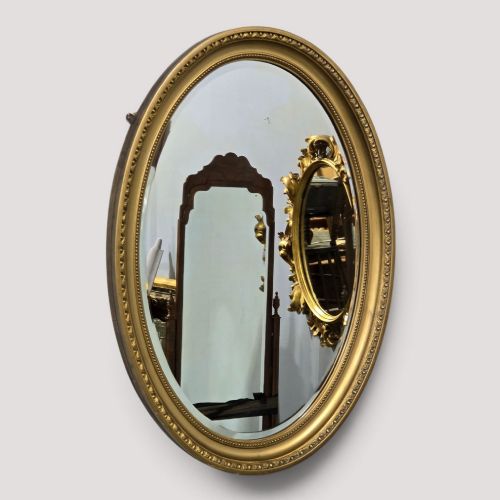
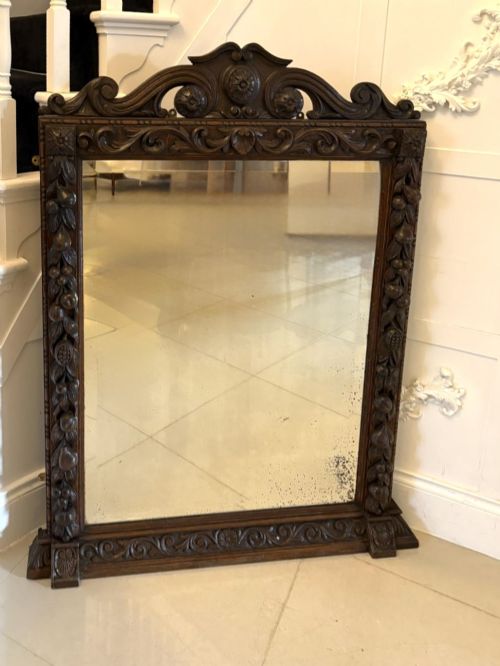
A carved wall mirror serves both a functional and decorative purpose, historically positioned above mantelpieces or console tables to amplify light and space. When searching for a carved wall mirror, buyers encounter a diverse selection ranging from grand nineteenth-century Florentine and French giltwood overmantels to smaller oak or mahogany domestic frames.
The materials span solid timbers like oak, mahogany, walnut, and yew alongside elaborate surfaces built from gesso and gold leaf. Many examples originate from the eighteenth and nineteenth centuries, reflecting stylistic revivals including Rococo, Regency, and Louis Philippe designs.
How They Were Made
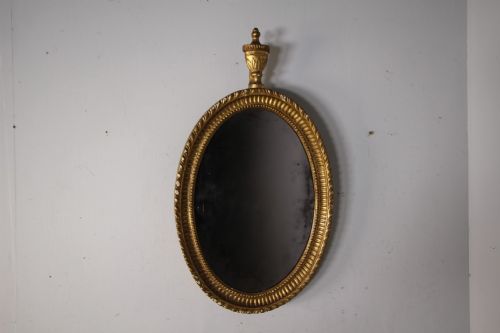
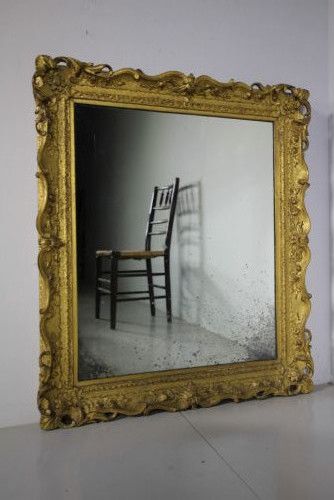
Craftsmen carved frames from solid woods such as oak, mahogany, and pine, often applying layers of gesso to build up intricate relief details. Gold leaf or paint was subsequently applied to the prepared surfaces, creating the luminous gilt finishes characteristic of many period pieces.
Mirrors utilised antique glass plates, sometimes bevelled at the edges, secured within the wooden and composition structures. Joinery techniques varied from heavy pegged construction in oak frames to delicate fretwork in Georgian mahogany styles.
Carved Wall Mirror Retail Price Guide 2026
Typical asking prices for carved wall mirror among the pieces listed under this phrase on Sellingantiques today, from the lower quarter to the upper quarter. They describe what is for sale here now, not the wider market.
Listings feature eighteenth-century Georgian fret mirrors alongside nineteenth-century French giltwood overmantels and heavy Victorian carved oak designs.
What Varies in Quality
Quality rests in the depth and sharpness of the hand-carved ornamentation, where crisp relief work distinguishes superior artisan execution from mechanical or mass-produced composition moulding. The integrity of the original gilding and the preservation of the antique mirror plate further dictate the standing of a piece.
Proportion and structural balance define the finer examples, particularly in large overmantels and ornate Florentine frames where weight distribution and joint stability remain crucial over centuries of hanging.
The Carved Wall Mirror Glossary
- Giltwood
- Wood that has been coated with gold leaf or powder. This finish gives frames their characteristic metallic sheen.
- Gesso
- A plaster mix applied to wooden frames as a base for carving or gilding. It allows for the formation of intricate relief ornament.
- Overmantel mirror
- A large glass designed specifically to hang above a fireplace mantel. These pieces often dominate a room through their scale.
- Pier glass
- A tall mirror intended to hang on the wall space between two windows. They frequently accompanied matching console tables.
- Convex mirror
- A round mirror featuring a curved glass plate that yields a wide, panoramic reflection. They often include eagle crests or decorative candle arms.
Carved Wall Mirror: Frequently Asked Questions
Where should I hang a large overmantel mirror?
These large mirrors traditionally sit directly above a fireplace mantel to anchor the room. They reflect natural light and create an illusion of greater spatial depth.
Ensure the wall fixings support the considerable weight of timber and gesso frames. Professional installation is often recommended for heavier nineteenth-century pieces.
How do I identify a Victorian carved mirror?
Victorian frames often display heavy oak construction, deep floral carvings, or elaborate gesso ornamentation. Stylistic revivals such as Rococo and Gothic influences appear frequently in this period.
Look at the backing boards and fixings for further clues regarding age. Oak and mahogany were standard choices for domestic British interiors of this era.
What is a Florentine mirror?
Florentine mirrors feature ornate, deeply carved wooden frames covered in gilt, often decorated with scrollwork and foliage. They originate from workshops in Florence, Italy.
These statement pieces range from small wall hung versions to large overmantels. Their intricate craftsmanship makes them focal points in traditional or eclectic interiors.
How do I care for antique giltwood?
Dust the carved surfaces gently with a soft, dry brush to avoid damaging the delicate gold leaf. Moisture can lift gesso and gilt, so keep them away from damp environments.
Avoid commercial cleaning products on both the frame and the antique glass plate. Regular, careful maintenance preserves the original finish for years to come.