


Carved Virgin Mary Sculpture
A carved virgin mary sculpture brings centuries of devotional craft into a room, offering tactile presence through historic wood and pigment.
Carved Virgin Mary Sculpture
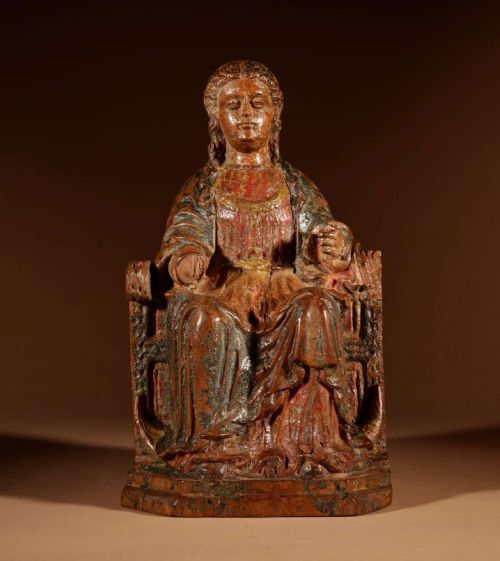
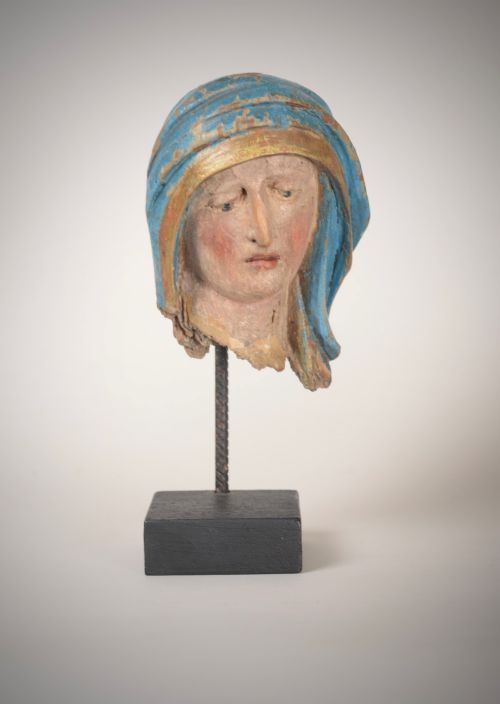
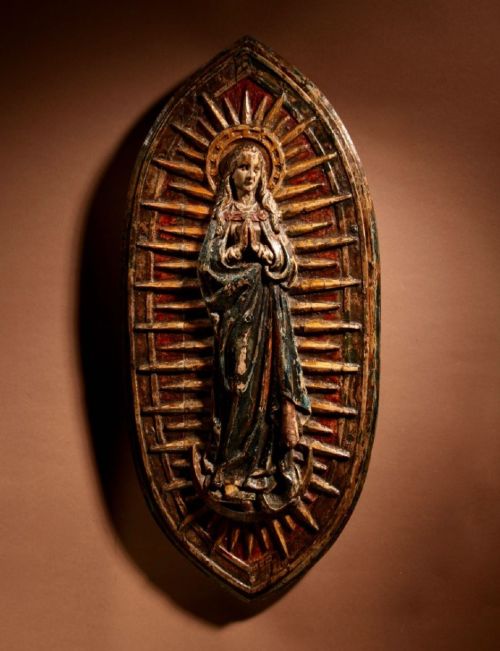
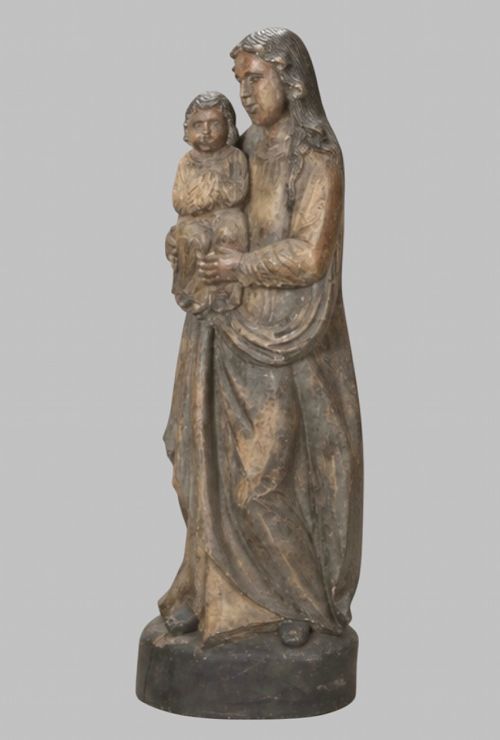
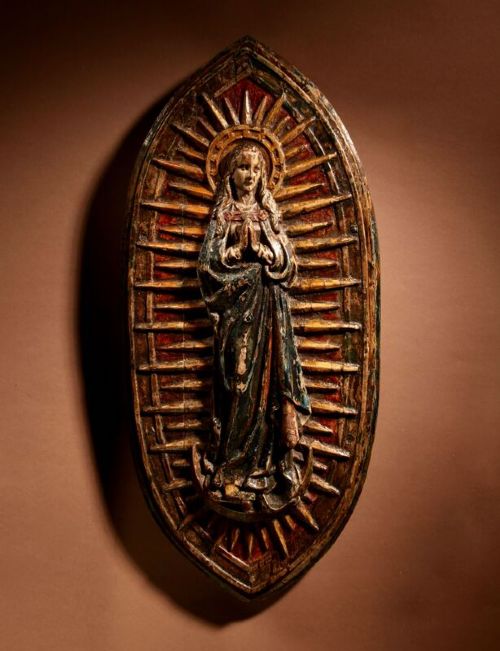
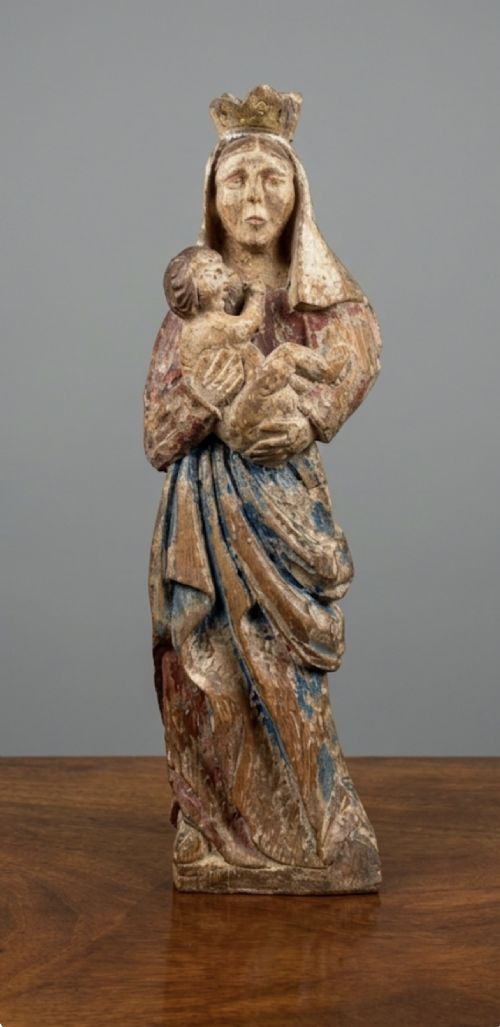
A carved virgin mary sculpture represents devotional figures spanning from pre-sixteenth century fragments to twentieth-century interpretations. These works appear as seated Madonnas, standing altar panels, pietas, and wall sculptures.
The material record on this page shows pieces originating across various European traditions, with oak and walnut forming the backbone of the earlier centuries. Later examples introduce pine, applewood, hardwood, and gilded surfaces.
How They Were Made
Carvers shaped these figures primarily from solid blocks of native timber such as oak, walnut, and applewood, utilising chisels and gouges to define drapery and expression. Grain patterns and natural knots dictated the depth and limits of the carving.
Many surfaces received preparatory layers of gesso before painters applied polychrome paint or gold leaf. This combination of wood, chalk ground, and pigment protected the timber while adding lifelike colour to devotional imagery.
Several medieval panels place the Virgin standing directly upon the crescent moon accompanied by a discreet carved snake.
What Varies in Quality
Surface survival dictates long-term character, separating figures retaining original polychrome and gesso from those stripped down to bare timber. The integrity of the original wood ground beneath later interventions marks superior examples.
The Carved Virgin Mary Sculpture Glossary
- Polychrome
- Painted in several colours. This surface treatment was standard for medieval and baroque figures to enhance visual realism.
- Gesso
- A plaster mixture used as a smooth base for paint or gold leaf. It fills grain irregularities on wooden sculptures.
- Pieta
- A subject depicting Mary cradling the dead body of Christ. These compositions emphasise emotional gravity and expressive carving.
- Altarpiece
- A structured artwork set behind an altar. Central panels often featured high-relief carvings of the Virgin Mary.
Carved Virgin Mary Sculpture: Frequently Asked Questions
How do I date a wooden sculpture?
Dating relies on tool marks, timber species, and stylistic traits associated with periods like the Gothic or Baroque eras. Comparative analysis of garment folds and facial types helps narrow the decade of production.
Physical indicators such as timber shrinkage, insect flight holes, and the composition of underlying gesso layers provide further clues to age.
Where were these sculptures placed originally?
Devotional figures stood within churches, private chapels, and domestic shrines for prayer and contemplation. Altarpiece panels formed part of larger architectural wooden structures.
Smaller figures functioned as portable devotional objects or wall-mounted focal points for private worship within domestic interiors.
What is polychrome paint?
Polychrome paint is a multi-coloured decorative finish applied directly to wood or over a gesso ground. It brought devotional carvings to life with realistic skin tones and tinted garments.
Over centuries, this layer often suffers wear, leading to partial losses that reveal the white gesso or bare wood underneath.
How should I care for antique wood?
Maintain stable indoor humidity and keep sculptures away from direct heat sources and strong sunlight. Sudden environmental changes cause timber to split and gesso to flake.
Dust gently with a soft, dry brush and avoid applying commercial polishes or oils to historic finished surfaces.