





Carved Virgin and Child
These carved virgin and child sculptures span centuries of devotional art, offering collectors tangible pieces of religious history in wood and paint.
Carved Virgin and Child
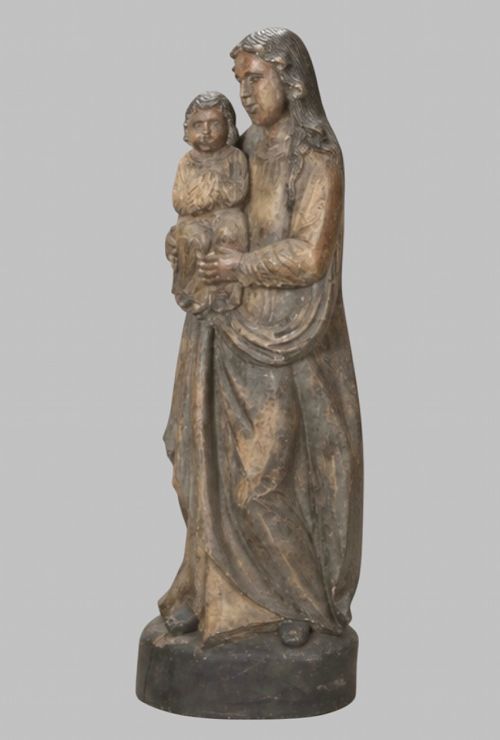
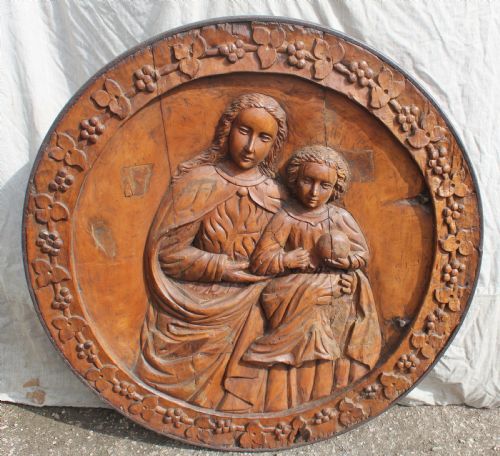
When you search for carved virgin and child, you encounter a specialised tradition of religious sculpture spanning the pre-16th century through to the 20th century. These devotional objects take various forms, including freestanding figures, wall sculptures, plaques, and even small pendants.
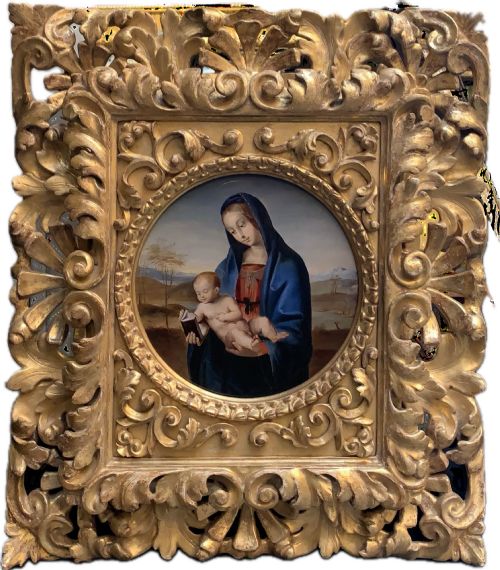
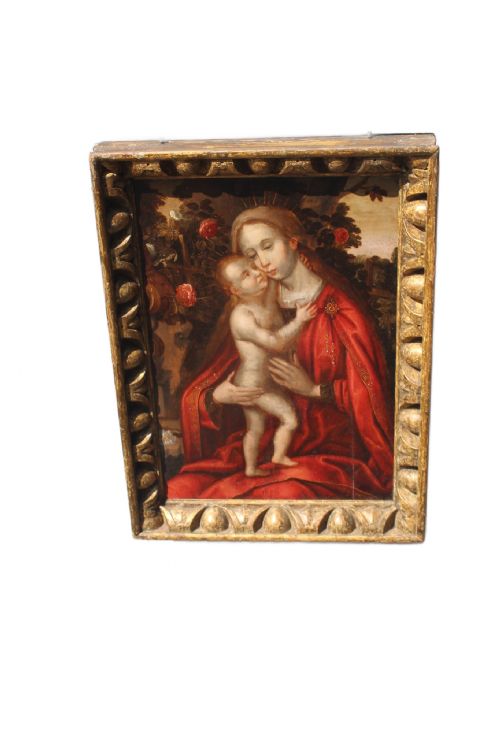
The pieces on this page reflect diverse stylistic influences, ranging from Gothic and Renaissance to later revivals like Gothic Revival and Renaissance Revival. You are most likely to meet wooden figures and panels, alongside occasional painted works and oil paintings on panel depicting the subject.
Originating from different European traditions, these sculptures capture the enduring iconography of Mary and the infant Jesus. The selection bridges medieval devotional carvings with later interpretations, showing how makers across different periods approached this central Christian theme.
Materials and construction methods
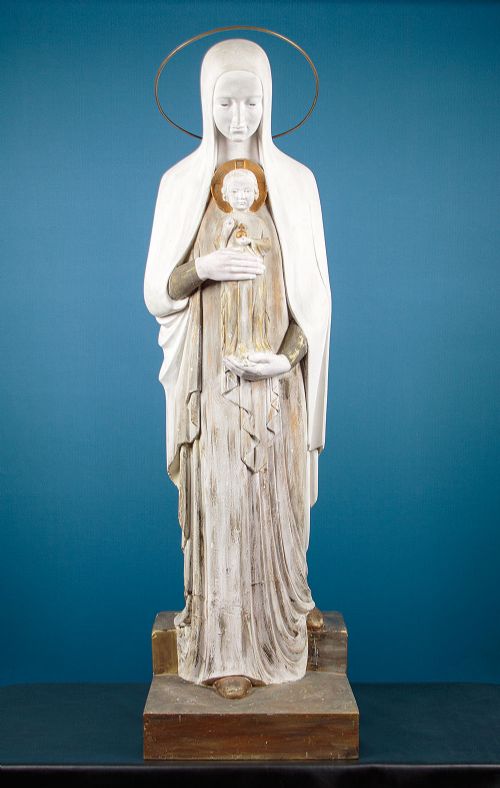
The construction of these pieces relies heavily on wood, with oak and various hardwoods featuring prominently in the physical evidence. Carvers shaped these materials using traditional hand tools to create three-dimensional sculptures and relief wall plaques.
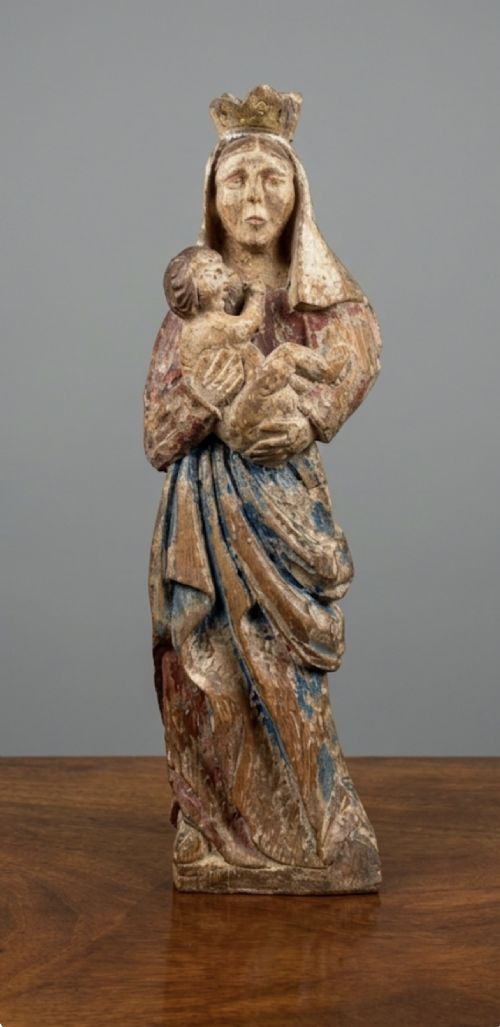
Many historical examples incorporate surface decoration such as polychrome paint, gesso, and gold leaf to enhance the visual impact of the garments and halos. In addition to carved wood, some later or alternative interpretations utilise oil on panel or precious metals for pendant formats.
Listings feature works spanning the pre-16th century to the 20th century, utilising oak, hardwood, polychrome, and gold leaf.
Assessing quality in devotional carvings
The preservation of original surface treatments, such as polychrome pigment or gilding, significantly influences the integrity of a piece. Finer examples retain their structural harmony and original material texture without heavy modern intervention.
The Carved Virgin and Child Glossary
- Polychrome
- Decoration consisting of several colours applied to the surface of wood or stone sculpture. This technique was widely used in medieval and renaissance periods to bring realism to devotional figures.
- Gesso
- A paint mixture consisting of a white pigment combined with a binding agent used to prepare wooden surfaces for painting or gilding. It provides a smooth ground for finer detail work.
- Giltwood
- Wood that has been treated with a thin layer of gold leaf or gold powder. It creates a luminous decorative finish on frames, plaques, and sculptural elements.
- Oil on panel
- A painting executed on a flat wooden board rather than canvas. This medium appears frequently in early devotional art associated with the subject.
- Gothic
- A medieval art style characterised by vertical lines, pointed arches, and naturalistic figures. It heavily influences the earlier sculptural iterations found in this category.
Carved Virgin and Child: Frequently Asked Questions
What periods do these carvings come from?
The pieces span a wide chronological range, starting from the pre-16th century and extending through the 16th, 17th, 18th, and 19th centuries up to the 20th century.
Earlier examples often reflect Gothic or Renaissance traditions, while later items include revival styles and 20th-century interpretations.
What materials were used to make them?
Wood is the primary material, with specific mentions of oak and hardwood across the collection. Sculptors often worked directly with solid timber blocks to create figures and wall plaques.
Many surfaces were finished with polychrome paint, gesso, or gold leaf, while related works include oil paintings on panel and gold charms.
How were these devotional figures used?
These sculptures and plaques served as focal points for private prayer and contemplation in homes or ecclesiastical settings. Freestanding statues stood on altars or shelves, whereas wall plaques and panels were hung in domestic spaces.
Smaller formats, such as pendants, allowed individuals to carry devotional imagery on their person.
How can I tell different styles apart?
Styles are identified through the treatment of drapery, facial expressions, and overall sculptural composition. Gothic pieces often feature linear, stylised folds, whereas Renaissance works aim for greater anatomical realism and softer movement.
Revival pieces from the 19th century borrow these historical motifs while exhibiting the manufacturing techniques of their own era.