




Carved Tribal Art
Carved tribal art comprises utilitarian and ritual objects shaped by indigenous makers across global cultures.
Carved Tribal Art
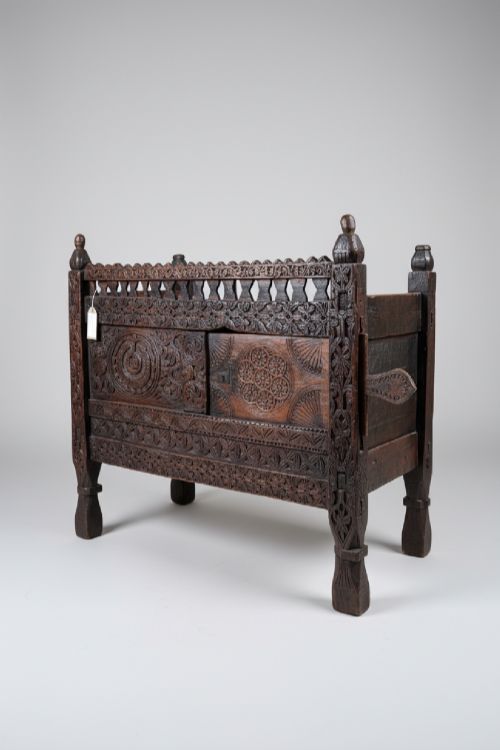
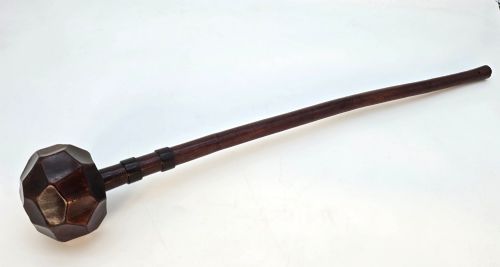
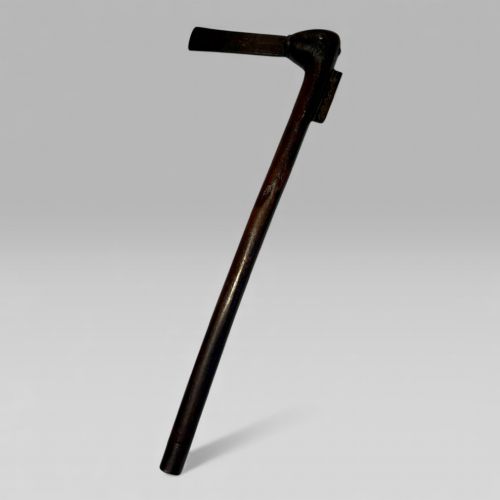
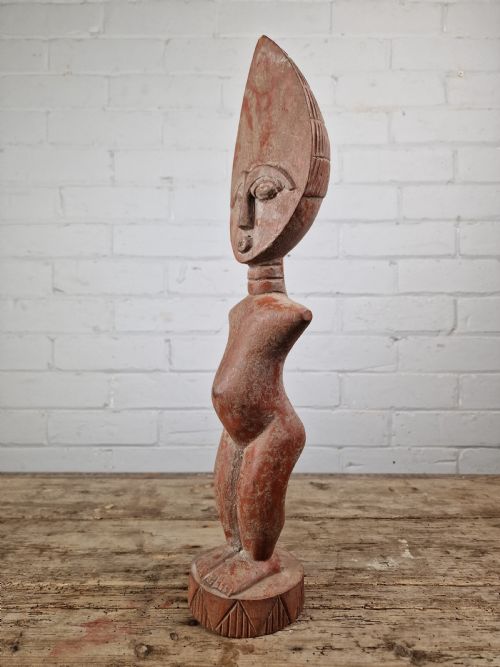
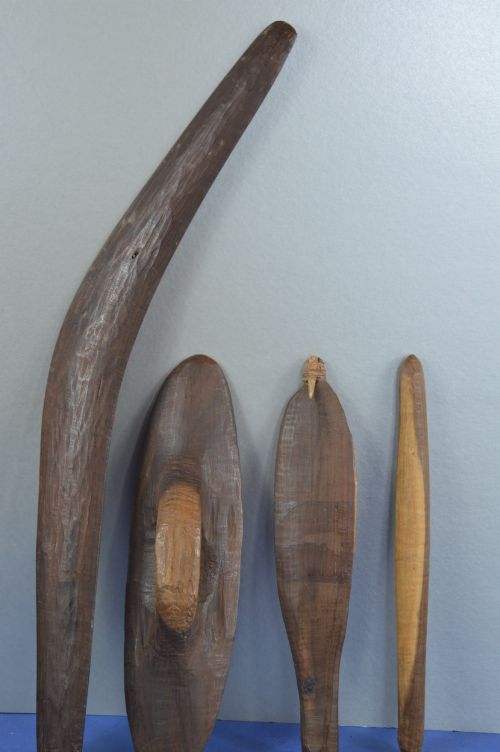
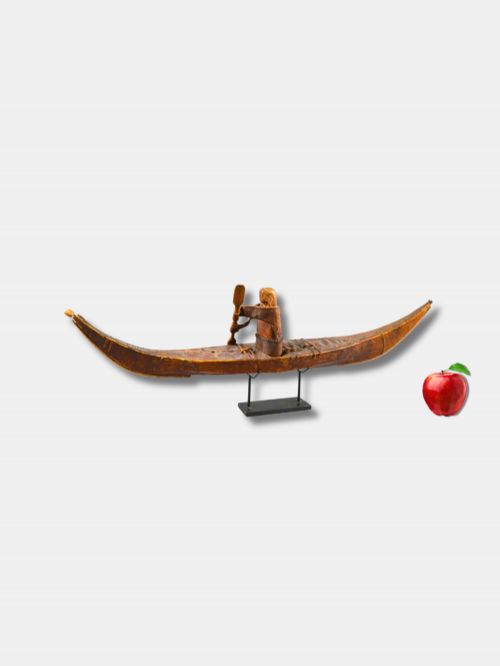
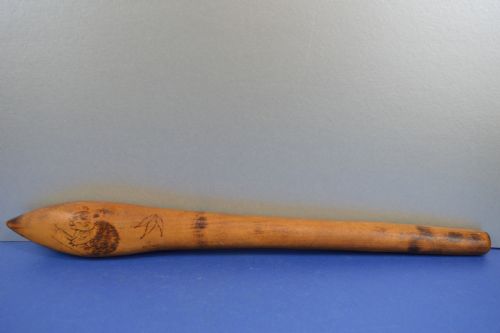
When you examine carved tribal art, you encounter functional objects, ceremonial masks, weaponry and sculptural figures spanning the nineteenth and twentieth centuries. These pieces originate from distinct cultural groups across Africa, Oceania, the Americas and Asia, reflecting specific regional traditions and beliefs. The selection includes throwing clubs, ritual axes, marriage panels, fertility figures and utilitarian vessels created for daily life or spiritual practices.
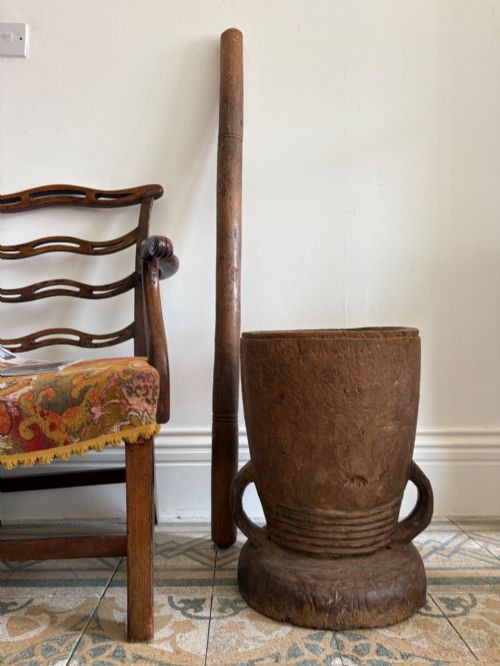
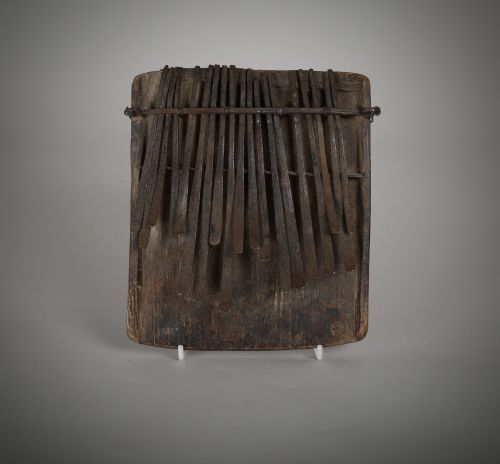
You are most likely to encounter nineteenth-century items alongside pieces from the early decades of the twentieth century, particularly from African and Oceanic regions. Common forms on this page include wooden masks from the Congo and Gabon, carved hardwood figures from southern and west Africa, and utilitarian implements like thumb pianos and grain mortars. Items range from small personal bone artefacts to large architectural elements such as Toraja doors and substantial figures.
How they were made
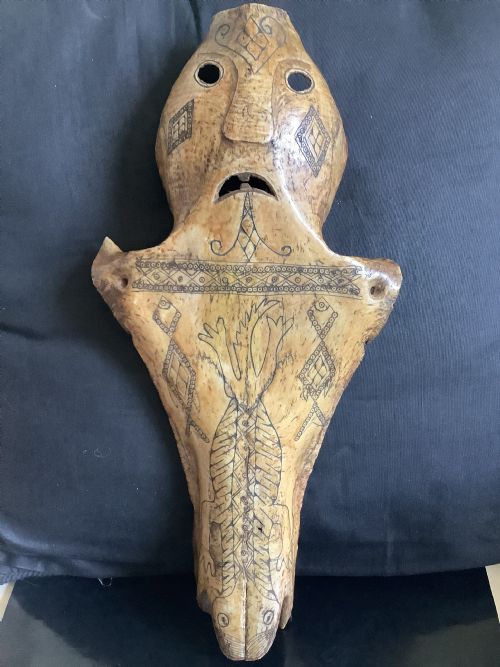
Maker communities shaped these pieces primarily using local timbers, selecting dense hardwoods, fruitwoods and tree trunks suited to carving. Artisans employed hand tools such as adzes and chisels to fashion intricate contours on figures, masks and functional items. Alongside wood, makers utilised bone, antler, whalebone and animal skin, integrating organic materials to construct functional implements and sculptural forms.
Surface finish often involved the application of natural pigments, paints and patination developed through handling and ceremonial use. Metal components, including iron, frequently reinforced weapons, axes and functional tools. Carvers combined these materials with traditional joining techniques, resulting in robust constructions designed for specific ritual or domestic duties.
Carved Tribal Art Retail Price Guide 2026
Typical asking prices for carved tribal art among the pieces listed under this phrase on Sellingantiques today, from the lower quarter to the upper quarter. They describe what is for sale here now, not the wider market.
What varies in quality
Quality rests upon the depth of sculptural definition, the precision of the carving technique and the integrity of the original surface patination. Pieces exhibiting confident, fluid hand-carving display a superior command of form compared to stiffer, more hurried executions. The balance of proportion and the expression within masks and figurative sculptures distinguish masterwork items from more routine tribal production.
Preservation of the original surface, whether through authentic wear, tribal use-patina or untouched pigment, elevates an object's standing. Alterations, heavy restoration or later surface stripping diminish the integrity of the piece. The complexity of the regional style and the specific cultural context further inform the standing of individual artefacts.
The Carved Tribal Art Glossary
- Knobkerrie
- A traditional southern African wooden club featuring a heavy knob at one end, utilised for hunting or combat. These implements display varied head shapes and handle lengths depending on their specific regional origin.
- Kifwebe
- A type of ceremonial mask associated with the Songye people of the Democratic Republic of Congo, characterised by distinctive linear engraving patterns. These masks were worn during rituals accompanied by dance and performance.
- Reliquary guardian
- A carved wooden figure or head placed upon or near a container holding ancestral relics in central African cultures. These sculptures served to protect the sacred contents from malevolent forces.
- Ula
- A traditional Fijian throwing club featuring a distinctive multi-lobed wooden head designed for combat or hunting. Artisans carved these from dense hardwoods with balanced handles for throwing accuracy.
Carved Tribal Art: Frequently Asked Questions
How were tribal masks used?
Tribal masks played central roles in community ceremonies, dances, initiations and spiritual rituals, often worn alongside elaborate costumes and headdresses. They represented ancestral spirits, deities or moral concepts within the community.
Following ceremonies, masks were typically stored carefully or maintained by designated tribal members until the next ritual occasion.
How do I care for wooden tribal art?
Wooden tribal objects require stable indoor environments away from direct sunlight and rapid temperature fluctuations to prevent wood drying and splitting. Keep surfaces clean using a dry, soft brush rather than liquid cleaners or polishes.
Preserving the natural, historic patinated surface is essential for maintaining the character and historical integrity of antique wooden artefacts.
How are periods identified?
Periods are determined by examining the tool marks, material ageing, wear patterns and stylistic conventions specific to particular decades and regions. Nineteenth-century pieces often exhibit distinctive hand-tool texturing and deep handling patination.
Comparative analysis with documented cultural artefacts and museum collections helps establish approximate manufacturing timeframes for unsigned tribal pieces.