



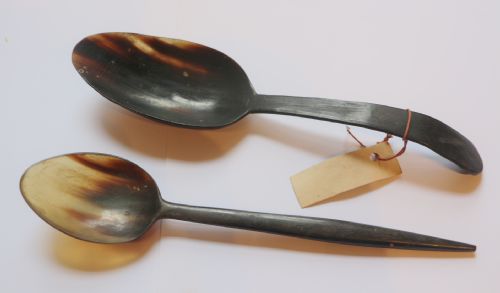


Carved Treen Spoon
Carved treen spoons are functional and decorative wooden implements shaped by hand, offering a tangible connection to historic domestic life.
Carved Treen Spoon
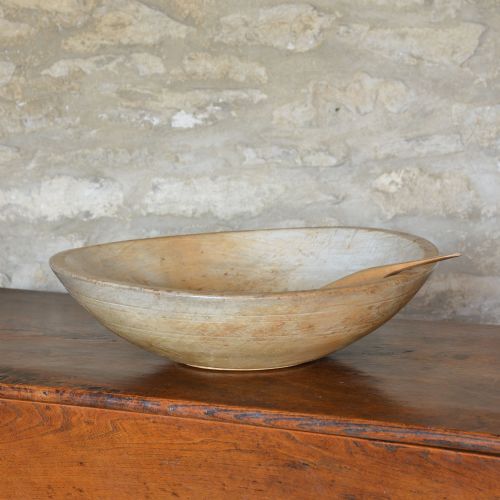
When you search for a carved treen spoon, you encounter items shaped from timber for domestic use, display, or token giving. These domestic objects span the eighteenth and nineteenth centuries, originating from Welsh, Swiss, Scandinavian, and central European traditions.
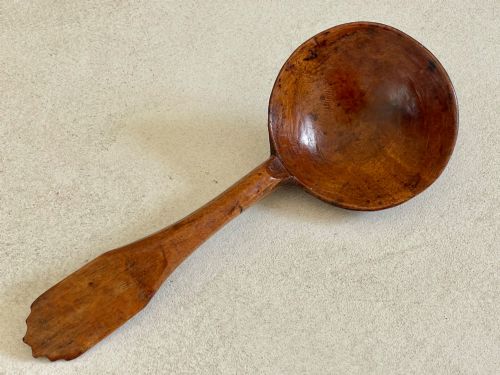
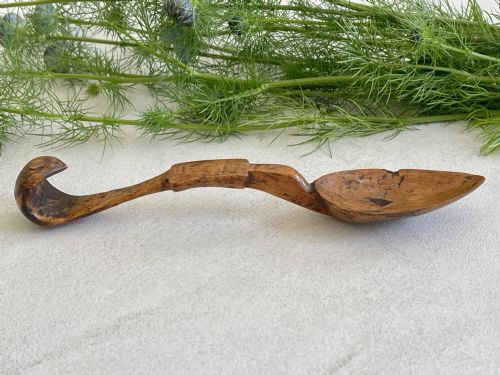
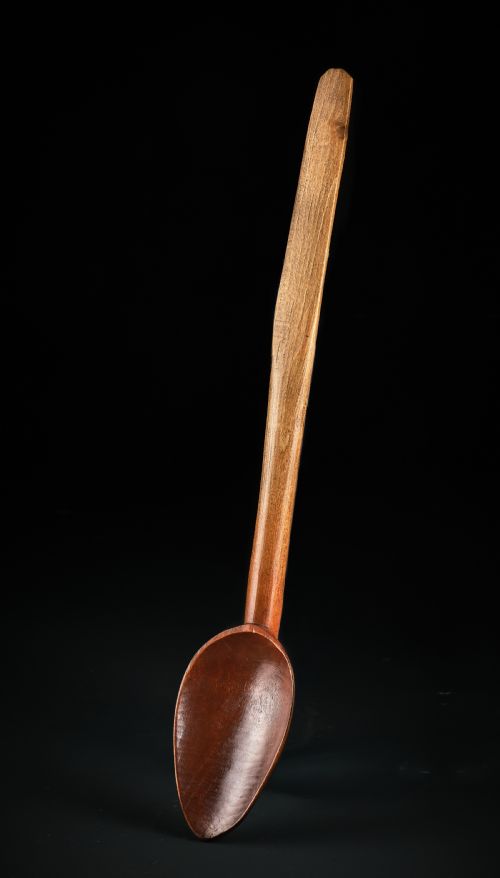
The most common examples on this page are lovespoons carved from hardwoods and fruitwoods, alongside utility items like broth spoons, butter spoons, ladles, and basting spoons. Regional folk art styles strongly influence the carved details, incorporating hearts, dates, and geometric chip carving.
Pieces range from simple Sycamore scoops and egg bowl ladles to intricate creations featuring stag horn, coquilla nut, and silver attachments. Many carry specific dates and initials, reflecting their origins as personal tokens or utilitarian kitchen implements.
How they were made
Maker's hands shaped these implements from native hardwoods and dense fruitwoods such as sycamore, beech, pear wood, cherrywood, and yew wood. Selected timbers offered the necessary fine grain to withstand intricate chip carving and deep scooping without splitting.
Makers utilised hand knives and gouges to carve handles and bowls directly from solid timber blocks. Decorations often included engraved detailing, pierced hearts, and applied elements like stag horn, silver mounts, and hooks for hanging.
Carved Treen Spoon Retail Price Guide 2026
Typical asking prices for carved treen spoon among the pieces listed under this phrase on Sellingantiques today, from the lower quarter to the upper quarter. They describe what is for sale here now, not the wider market.
One enthusiastic maker found time in 1891 to carve sugar tongs from treen as a token love spoon.
What varies in quality
Quality rests in the crispness of the hand carving and the depth of the natural patina accumulated through handling and age. Sharply defined chip carving and balanced proportions distinguish superior examples from simpler utilitarian pieces.
The choice of material and the complexity of the design elevate certain items above standard kitchenware. Intricate piercing, multiple love tokens, and unusual materials like coquilla nut or stag horn mark the higher tiers of craftsmanship.
The Carved Treen Spoon Glossary
- Treen
- Small handmade wooden domestic objects and utensils. The term covers everything from spoons and bowls to small kitchen implements.
- Lovespoon
- A traditionally decorative wooden spoon carved as a token of affection. Makers often incorporated hearts, chains, and initials into the handle.
- Chip carving
- A style of ornamentation where small chips are removed from a flat wooden surface with a knife. This technique creates geometric and patterned reliefs.
- Patina
- The surface sheen and mellow colour developed on wood through years of handling, ageing, and polishing. It serves as an indicator of genuine age.
- Kitchenalia
- Utensils and equipment formerly used in domestic food preparation. These items combine utility with traditional craftsmanship.
Carved Treen Spoon: Frequently Asked Questions
What is a treen spoon?
A treen spoon is a small wooden utensil shaped by hand for domestic tasks or decorative display. These implements were carved from regional timbers before the widespread manufacture of metal cutlery.
Examples range from plain sycamore broth spoons to intricately decorated lovespoons featuring carved hearts and dates.
How were lovespoons used?
Lovespoons served primarily as tokens of affection, courtship, or betrothal rather than everyday eating utensils. Suitors carved them to demonstrate their woodworking skill and romantic intentions.
Recipients often displayed these ornate spoons on walls using integrated hooks or hanging loops.
What woods are most common?
Sycamore, fruitwoods, beech, and yew wood appear frequently among surviving examples. Makers selected these tight-grained timbers because they cut cleanly and resisted heavy wear.
Less common materials like coquilla nut and stag horn also feature in specific regional items.
How do I care for wooden spoons?
Wooden spoons require gentle cleaning with mild soap and warm water without prolonged soaking. Applying occasional food-safe mineral oil helps preserve the dry timber and maintain the surface.
Keeping them away from direct heat sources prevents the wood from warping or splitting.