





Carved Timber Pot
These carved timber pots are functional and decorative turned and hand-carved vessels, offering rich patination and historic character for modern interiors.

Carved Timber Pot
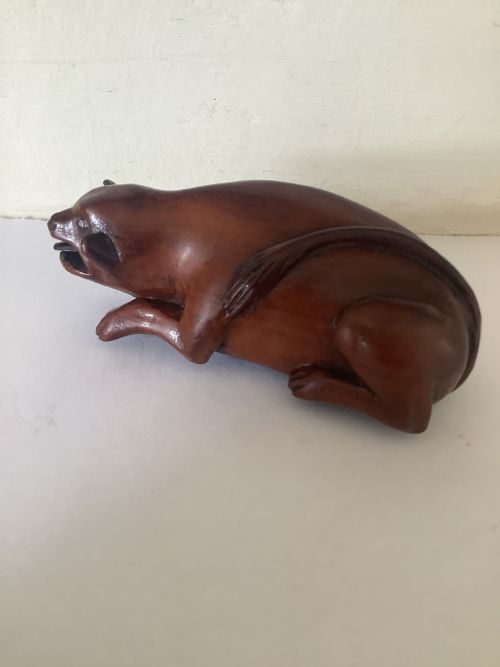
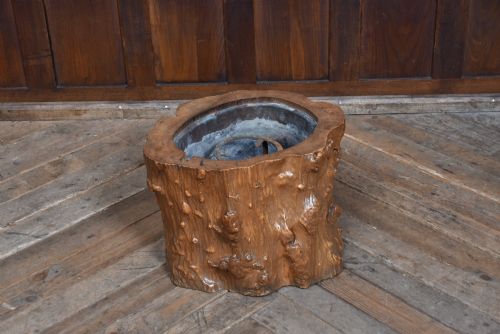
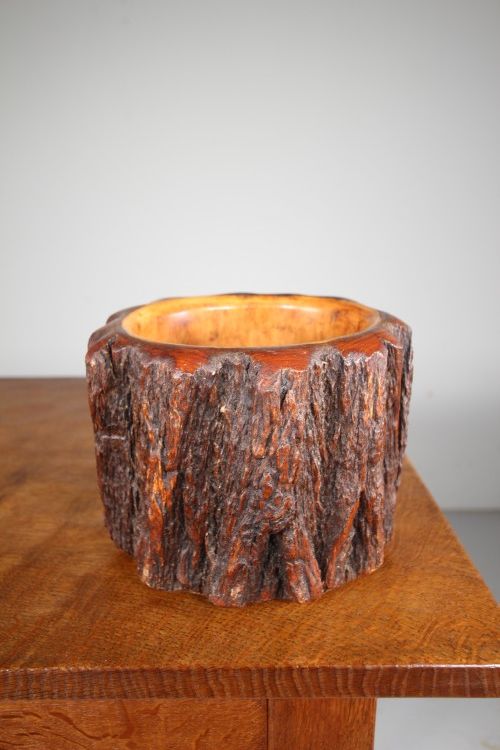
A carved timber pot encompasses a diverse group of turned and hand-carved wooden vessels, ranging from Chinese brush pots and Japanese hibachis to folk art snuff boxes and primitive dug-out planters. Buyers seeking these items will encounter pieces spanning the eighteenth, nineteenth, and early twentieth centuries, reflecting varied global traditions from European Gothic Revival and Arts and Crafts to Qing Dynasty craftsmanship.
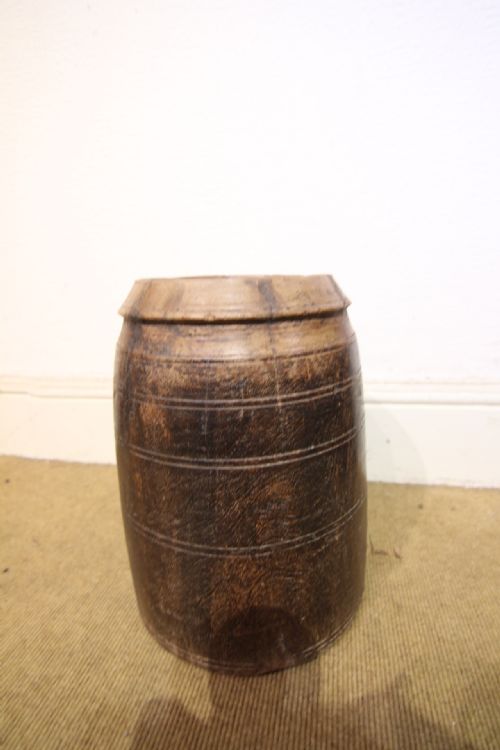
The domestic and utilitarian origins of these objects dictate their varied forms, which include lidded boxes, tobacco jars, plant stands, and mortars. Many items began as functional household or workshop implements, such as dairy churns and tree trunk vessels, before transitioning into purely decorative display pieces.
Regional styles heavily influence the appearance of each carved timber pot, with British and European pieces often displaying dense hardwoods or folk art motifs, alongside Asian examples featuring intricate bamboo and elm carving. This broad stylistic spectrum ensures that collectors find pieces suited to both minimalist modern spaces and traditional period rooms.
Materials and construction methods
Maker techniques rely heavily on solid timber construction, utilising dense hardwoods such as mahogany, walnut, ash, and elm alongside softer conifers like Oregon pine and sycamore. Artisans employed hand-carving chisels, gouges, and lathe-turning to shape raw timber into hollowed vessels, often retaining natural wood grains and irregularities.
Surface finishing techniques contribute significantly to the tactile quality of each piece, with historic examples exhibiting wax polishes, deep natural patina from handling, and occasional iron fittings. Master carvers utilised relief work and piercing, particularly evident in Asian bamboo and hardwood brush pots, to create intricate surface detail.
Listings feature carved timber pots spanning the 18th, 19th, and early 20th centuries, utilising materials from ash and walnut to bamboo and Oregon pine.
Assessing quality in carved wood
Quality in a carved timber pot rests upon the crispness of the hand-carving, the structural integrity of the timber, and the depth of the patination accumulated over time. Superior examples demonstrate confident toolwork and thoughtful proportion, whereas lesser items often show crude shaping or unsympathetic later alterations.
The choice of material and the complexity of the form distinguish finer specimens, such as deeply carved hardwood brush pots or crisply detailed Black Forest boxes, from simpler utility items like plain dug-out tree trunks. Integrity of the original surface finish without excessive modern intervention remains paramount for discerning collectors.
The Carved Timber Pot Glossary
- Patina
- The surface sheen and colour developed on timber over decades of handling, exposure to light, and waxing. It serves as a key indicator of age and authenticity.
- Treen
- Small wooden domestic objects made by turning or carving. This encompasses items ranging from small bowls to snuff boxes.
- Hibachi
- A traditional Japanese heating device typically constructed as an open-topped wooden or ceramic container lined with metal. They were utilised domestically for warmth and boiling water.
- Brush pot
- A cylindrical vessel, frequently carved from bamboo or hardwood, designed in East Asian scholarly traditions to hold writing brushes.
- Dug-out
- A descriptive term for a vessel formed by hollowing out a single solid section of a tree trunk. This method represents some of the most primitive woodworking techniques.
Carved Timber Pot: Frequently Asked Questions
What is a carved timber pot used for?
Historically, these vessels served practical domestic or professional functions, acting as containers for tobacco, snuff, writing implements, or plant displays. Today, collectors primarily utilise them as decorative interior objects or desk accessories.
Their robust construction and varied forms allow them to integrate seamlessly into contemporary display shelving or tabletop arrangements while retaining their historic utility.
How do I care for antique wooden pots?
Preserving these items requires stable indoor humidity levels and protection from direct sunlight, which can dry out and split historic timber. Applying a light coat of microcrystalline wax periodically helps maintain the surface sheen.
Avoid using liquid cleaners or placing damp items directly inside unlined wooden vessels to protect the original interior surface and patination.
How can I tell the age of a carved wooden vessel?
Dating relies on examining tool marks left by the maker, the type of timber utilised, and the character of the surface patina. Hand-forged iron elements or specific regional carving styles also provide vital chronological clues.
Comparing the construction methods against documented period pieces helps narrow down the likely century of manufacture, from eighteenth-century Georgian items to early twentieth-century Arts and Crafts examples.