




Carved Timber Pillars
These carved timber pillars bring architectural presence and hand-wrought texture into a room, offering everything from bold architectural salvage to domestic display supports.
Carved Timber Pillars
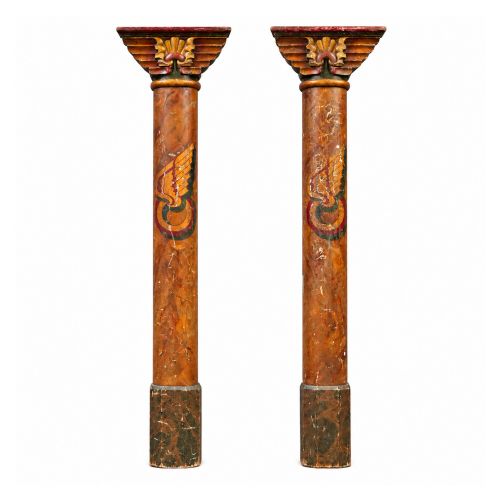
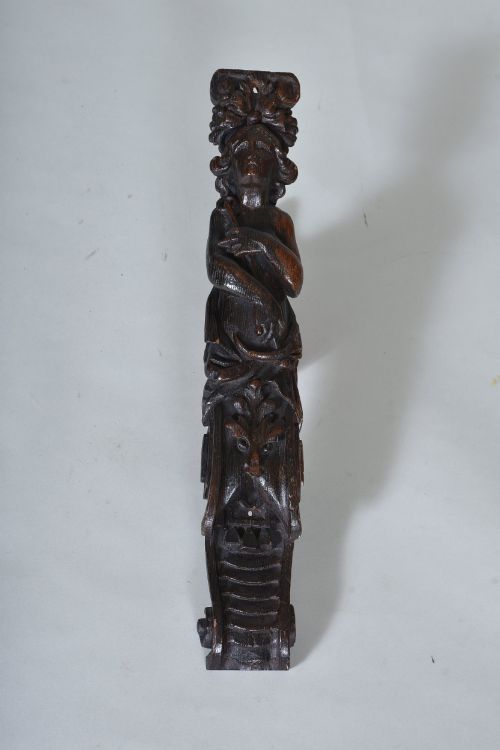
Carved timber pillars encompass architectural salvage, structural columns, torchere stands, and decorative bedposts shaped from solid woods. The selection ranges from robust nineteenth-century hardwood supports and early twentieth-century fairground columns to seventeenth-century oak carvings and neoclassical Italian torchere stands.
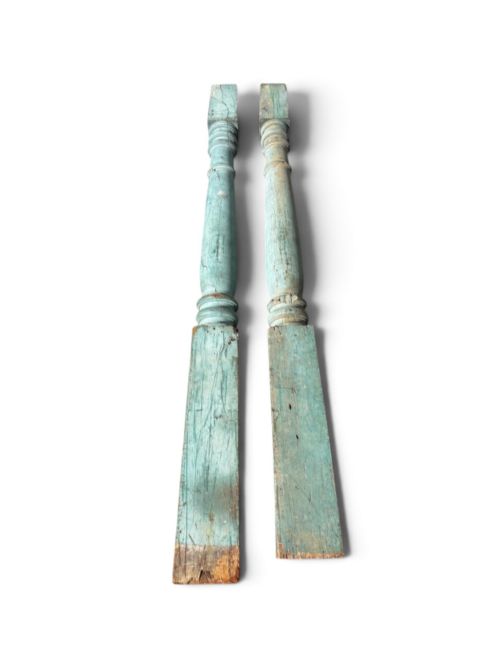
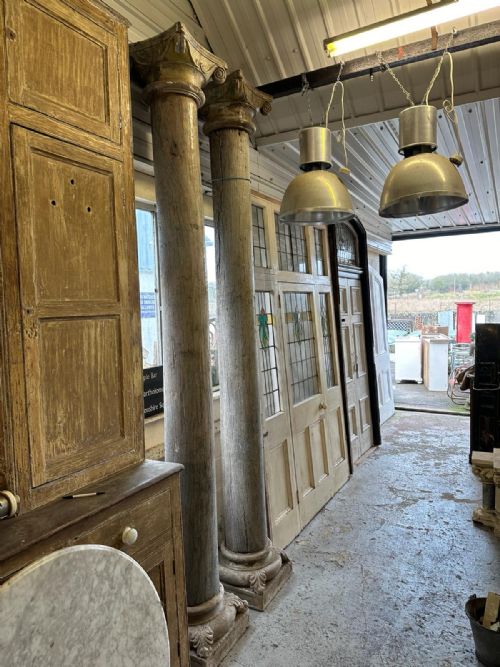
Buyers most frequently encounter matched pairs of columns and pedestals from the nineteenth century, often featuring carved capitals or architectural detailing. These items serve equally well as standalone display plinths or as salvaged elements repurposed within interior schemes.
How they were made
Maker's hands shaped these pillars using traditional woodworking methods applied to hardwoods, oak, mahogany, and pinewood. Craftsmen utilised hand chisels and turning lathes to achieve deep relief carving, fluting, and sculptural capitals.
Surface treatments recorded across the pieces include natural timber finishes, dark oak patination, stained hardwood, and historic paint layers. Some architectural items combine carved wood components with stone bases or incorporate hidden functional compartments.
The listings span five distinct centuries, running from seventeenth-century oak fragments up to early twentieth-century fairground and neoclassical revival pieces.
What varies in quality
Quality rests in the crispness of the hand-carved detail, particularly across capitals, foliage, and architectural motifs. Crisp, deeply undercut relief work distinguishes superior decorative carving from simpler machine-turned production.
The choice of dense hardwood or well-figured oak elevates a piece above standard pinewood or utilitarian framing timber. Original surface patination and structural integrity further separate vernacular joinery from masterwork architectural elements.
The Carved Timber Pillars Glossary
- Capital
- The topmost member of a pillar, usually decorated with carved foliage, scrolls, or classical orders. It draws the eye and defines the stylistic period of the column.
- Architectural salvage
- Building elements rescued from older structures for reuse in interior design. These pieces retain authentic patination and historical character.
- Torchere
- A tall stand or pedestal designed to support a light source or decorative object. Italian examples often display exuberant carved wood detail.
- Hardwood
- Timber derived from broad-leaved trees, offering density and durability. It takes fine detail during hand carving much better than softer conifers.
- Pedestal
- A base or support for a statue, urn, or column. Some historical examples conceal functional compartments within their mass.
Carved Timber Pillars: Frequently Asked Questions
How do I use carved timber pillars at home?
These pillars function effectively as structural room dividers, flanking doorways, or supporting open shelving within domestic spaces.
Shorter pedestals and torchere stands work well as display plinths for sculpture, ceramics, or large house plants.
How do I date an antique wooden pillar?
Dating relies on identifying the tool marks, timber species, and stylistic vocabulary characteristic of specific periods like the seventeenth century or the Regency era.
Comparing capital designs and base profiles against known architectural manuals helps narrow down the decade of manufacture.
Are these pillars supplied as pairs?
The inventory frequently includes matched pairs salvaged from bedframes, architectural facades, and fairground rides.
Single pillars also appear, usually originating as monumental torchere stands or individual architectural carvings.