



Carved Timber Panel Chair
A carved timber panel chair brings substantial historic character and solid construction to an interior, whether you choose a sturdy oak wainscot piece or a refined mahogany hall seat.
Carved Timber Panel Chair
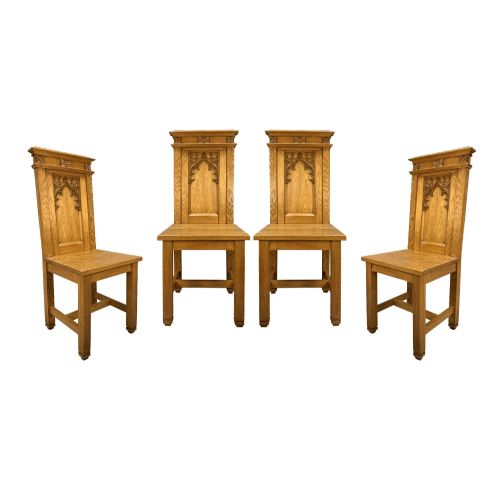
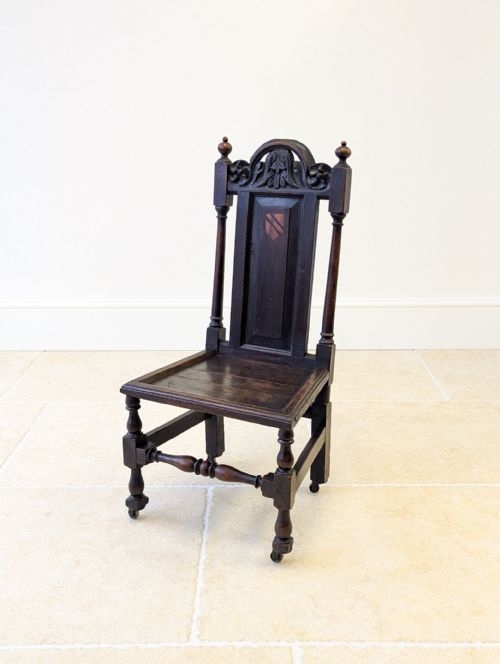
When you search for a carved timber panel chair, you encounter a robust seating form defined by solid wood construction and decorated flat panels in the backrest or seat. These pieces range from early seventeeth-century examples to later revival interpretations made during the Victorian era.
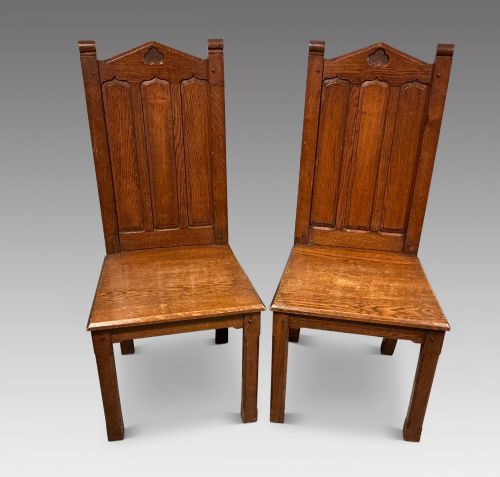
The selections on this page most frequently present as oak hall chairs and wainscot armchairs, alongside occasional mahogany pieces from the Regency period and hardwood Chinese armchairs. Such seating was historically placed in halls, parlours, and principal rooms to project status and withstand daily use.
Forms extend beyond simple single seats to include rocking chairs, benches, settles, and matched pairs designed for grander spaces. The woodwork often incorporates geometric carving, moulded panels, and turned supports that reflect the stylistic preferences of their respective periods.
How they were made
The construction relies heavily on native timbers such as oak, elm, and beech, alongside imported hardwoods and mahogany selected for their durability. Carpenters joined structural members using traditional mortise and tenon joints secured with wooden pegs.
Carving was executed directly into the solid timber panels and rails, utilising chisel and gouge work to create strapwork, foliate motifs, and geometric patterns. Surfaces were left to age naturally or finished with simple wax and oil preparations that darken gracefully over the centuries.
Carved Timber Panel Chair Retail Price Guide 2026
Typical asking prices for carved timber panel chair among the pieces listed under this phrase on Sellingantiques today, from the lower quarter to the upper quarter. They describe what is for sale here now, not the wider market.
Even children received miniature wainscot armchairs, proving that miniature dignitaries required proper wooden panelling too.
What varies in quality
Quality in these chairs rests upon the crispness and depth of the timber carving, where deeply modelled relief work and balanced proportions distinguish finer pieces from plainer utilitarian seating. The choice of primary material also dictates value, with dense, richly figured oak and well-selected mahogany commanding greater appreciation.
The integrity of the original construction and the degree of survival among structural elements determine a piece's standing. Examples retaining their untouched timber surfaces and early joinery without excessive replacement parts represent the higher echelon of this tradition.
The Carved Timber Panel Chair Glossary
- Wainscot chair
- A heavy wooden armchair of sixteenth or seventeenth-century design featuring a panelled back and solid timber seat. These pieces were principal furnishings in substantial homes before upholstered seating became widespread.
- Hall chair
- A rigid wooden seat traditionally placed in entrance halls and corridors, often featuring a carved or painted timber panel back displaying armorial bearings or decorative motifs. They were built primarily for formal display rather than prolonged lounging.
- Settle
- A wooden bench with a high panelled back designed to block drafts, frequently incorporating a hinged seat for storage beneath. They stood near hearths in large communal rooms.
- Jacobean revival
- A nineteenth-century stylistic movement that copied or reinterpreted the heavy carved ornamentation and dark oak finishes of the early seventeenth century. Makers utilised mechanical aids alongside hand tools to replicate historical patterns.
- Hardwood
- Timber derived from broad-leaved deciduous trees, noted for density and durability. In these listings, the term encompasses resilient Asian timbers utilised for traditional chair production.
Carved Timber Panel Chair: Frequently Asked Questions
Where were these chairs used?
Historically, these rigid wooden seats stood in entrance halls, public rooms, and corridors to receive visitors and demonstrate household substance. They were built to endure heavy traffic rather than offer cushioned comfort.
Over time, surviving examples moved into libraries, studies, and living spaces where their architectural timber surfaces complement traditional and contemporary interiors alike.
How do I identify a wainscot chair?
A wainscot chair is distinguished by its solid wooden box-like construction, panelled backrest, and substantial armrests supported by turned legs. They lack upholstery and rely entirely on joined timber panels for structural rigidity.
Earlier examples display hand-cut joinery and period carving styles, while later revival pieces often incorporate machine-cut elements and standardised decorative motifs.
Can I use an antique hall chair daily?
These robust timber chairs were engineered for centuries of utility and easily accommodate everyday sitting in domestic environments. Their solid construction makes them particularly suitable for hallways and dining spaces.
Care should be taken to protect antique wood and textile elements from extreme temperature fluctuations and direct sunlight to preserve the finish.