



Carved Timber Low Stool
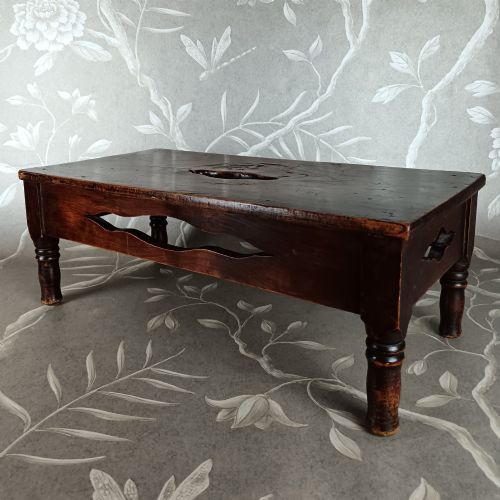
These carved timber low stool pieces bring character and low seating utility to a room, sourced from eras spanning the seventeenth century to the twentieth.
Carved Timber Low Stool
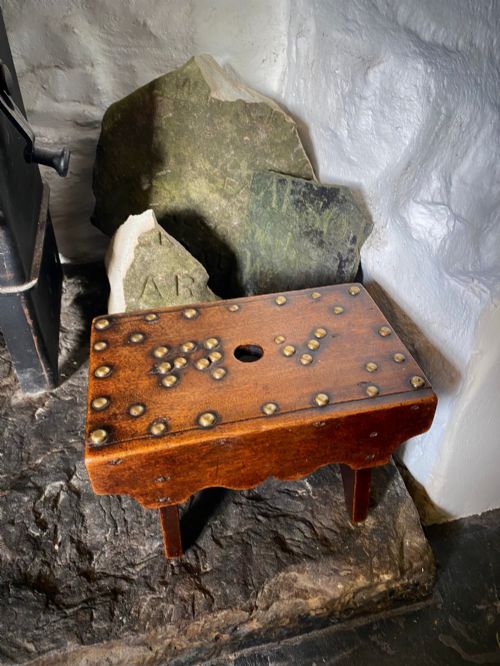
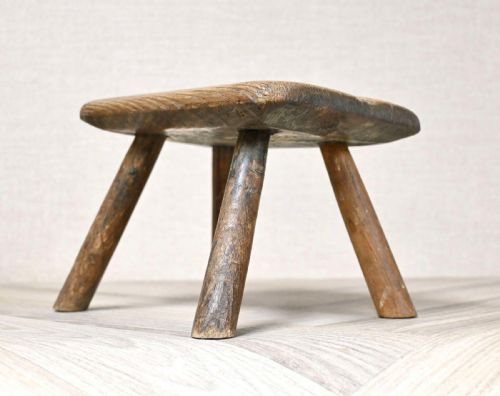
A carved timber low stool represents a practical form of seating designed for proximity to the floor, hearth, or dressing table. These pieces serve functions ranging from milker's seats and footstools to low hall seats and occasional tables.
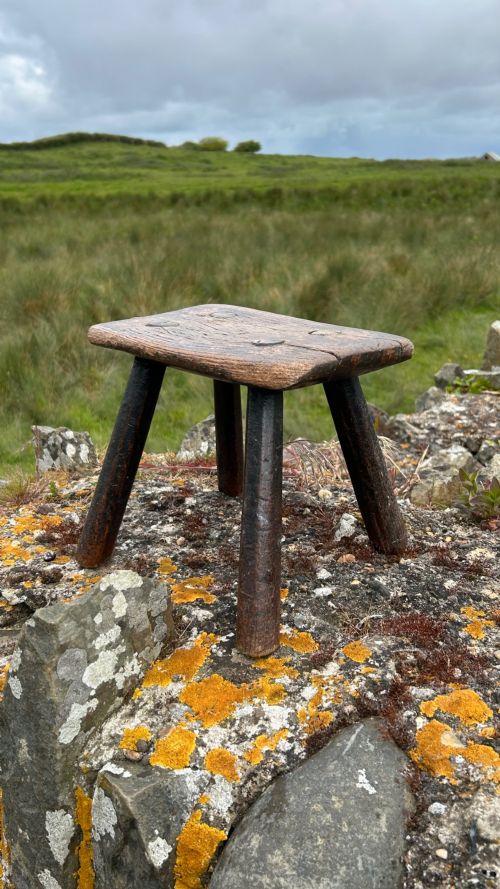
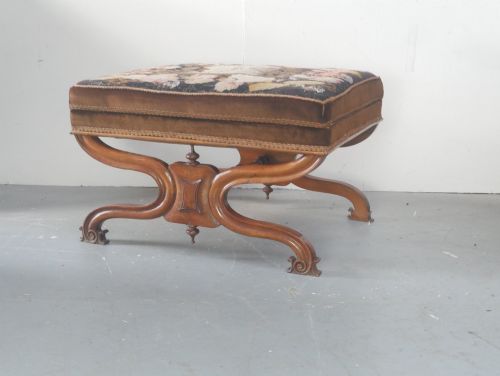
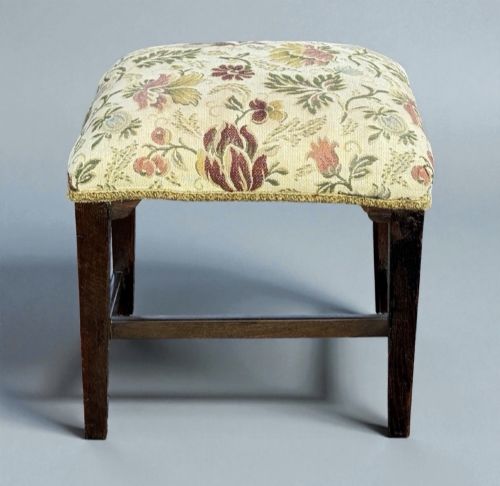
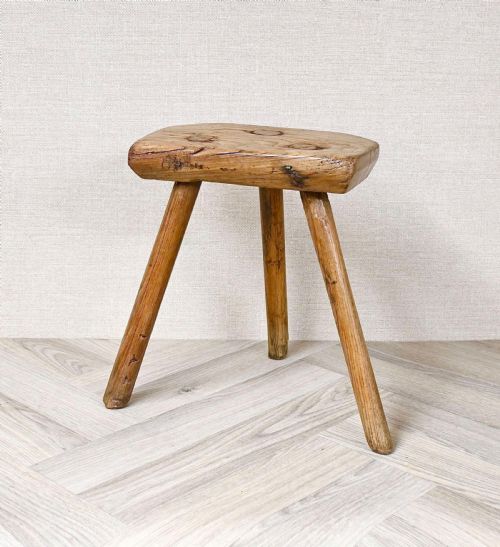
The selection here encompasses diverse regional traditions and stylistic influences, including Scottish Baronial, primitive country, Art Deco, and Chinese vernacular forms. Buyers encounter everything from rustic three-legged milking designs to sophisticated walnut and rosewood upholstered examples.
Origins stretch across centuries, with items originating from the seventeenth, eighteenth, nineteenth, and early twentieth centuries. Timber types and upholstery treatments vary widely according to the period and region of manufacture.
How they were made
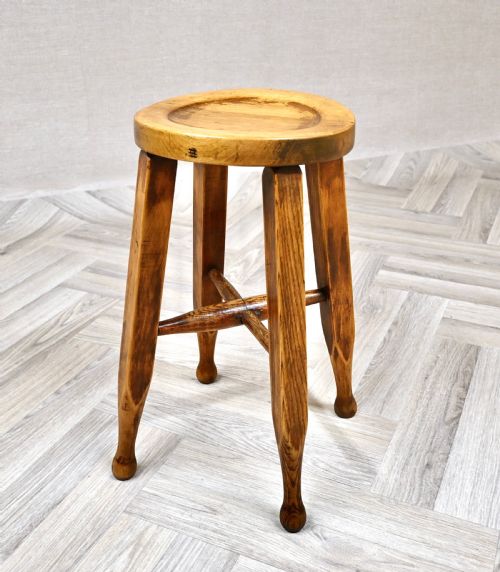
Construction relies heavily on solid woods such as oak, walnut, teak, ash, rosewood, and general hardwood and timber. Joinery methods reflect the functional demands placed on low seating, utilising pegged joints, turned legs, and trestle forms.
Surface decoration and finishing incorporate hand carving, painted details, and structural elements like cross stretchers. Upholstered variants integrate textiles, fabric, tapestry, and woven rattan secured over padding.
Carved Timber Low Stool Retail Price Guide 2026
Typical asking prices for carved timber low stool among the pieces listed under this phrase on Sellingantiques today, from the lower quarter to the upper quarter. They describe what is for sale here now, not the wider market.
The documented periods span from the 17th century through the Victorian era up to the 1930s.
What varies in quality
The standard of a carved timber low stool rests on the integrity of its timber and the dexterity of its maker. Subtleties in hand carving, the rhythm of turned wooden components, and the harmony of proportions distinguish finer workshop output from utilitarian rural items.
Material selection dictates much of the character, where dense hardwoods like walnut and oak hold crisp detail differently than softer country timbers. The survival of original surfaces, whether unpainted timber grain or early painted finishes, influences the integrity of the piece.
The Carved Timber Low Stool Glossary
- Cross stretcher
- A structural wooden member connecting the legs horizontally to provide stability and rigidity. These stretchers often feature decorative turning.
- Trestle form
- A construction method where a horizontal top is supported by vertical or angled end assemblies rather than four individual legs. This format appears frequently in early boarded stools.
- Milking stool
- A small, portable seat traditionally utilised during the milking of livestock, typically possessing three legs for stability on uneven floors. They display primitive country craftsmanship.
- Scottish Baronial
- A nineteenth-century revival style drawing on medieval Scottish castle architecture and furnishings. Pieces in this style often incorporate robust timber and substantial carving.
- Carolean style
- A seventeenth-century aesthetic characterised by rich carvings, scrollwork, and turned elements. Later nineteenth-century interpretations often emulate these ornate flourishes.
Carved Timber Low Stool: Frequently Asked Questions
Where were low stools placed?
These low stools were typically positioned near firesides, hearths, or dressing tables where lower seating heights were practical. They also functioned as footstools alongside larger armchairs and sofas.
In various rooms, smaller examples served as occasional tables or display surfaces for decorative objects.
How do I care for timber stools?
Maintain wooden surfaces by keeping them away from direct heat sources and extreme humidity fluctuations, which can cause timber to split. Regular dusting with a dry cloth preserves the finish.
For upholstered variants, gentle vacuuming protects the fabric or tapestry without disturbing fragile internal padding or aged textiles.
What defines primitive country style?
Primitive country pieces reflect utilitarian making traditions, prioritizing function and straightforward construction over refined decorative arts. They utilise locally available woods and basic joinery techniques.
These items often display tool marks and simple turned or peg-joined legs that highlight their unpretentious origins.
How can I date a wooden stool?
Dating relies on observing tool marks, timber species, joinery methods, and stylistic cues characteristic of specific historical periods. Hand-sawn boards and early construction techniques point to seventeenth or eighteenth-century origins.
Later Victorian and early twentieth-century examples frequently incorporate machine assistance or revival design motifs from periods like Art Deco.