

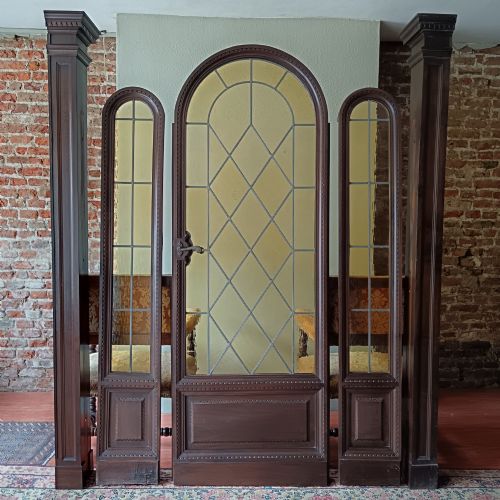
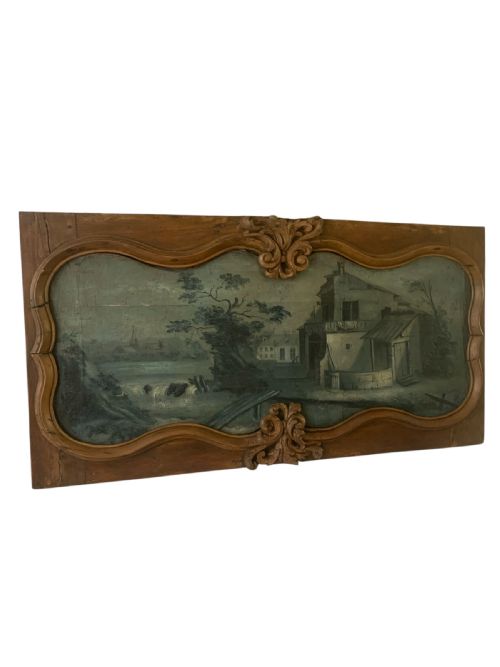


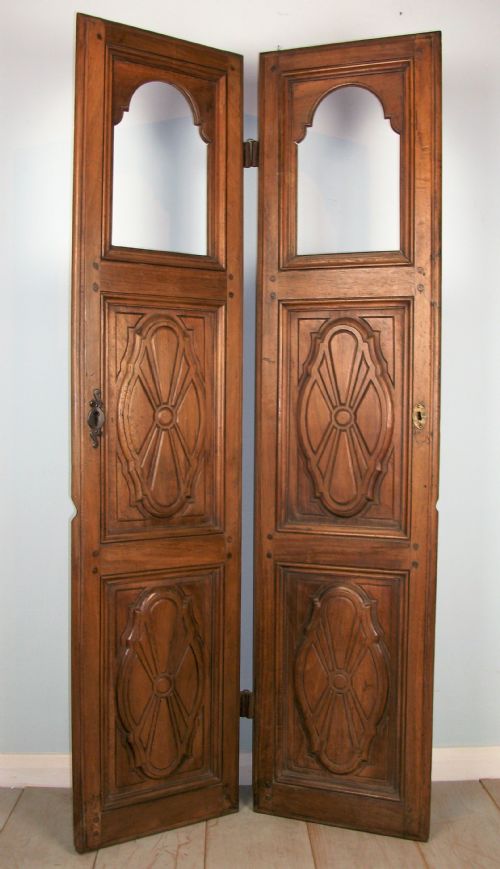


Carved Timber Doors
Carved timber doors bring architectural history inside, offering panelled wood and intricate relief work salvaged from international structures.
Carved Timber Doors
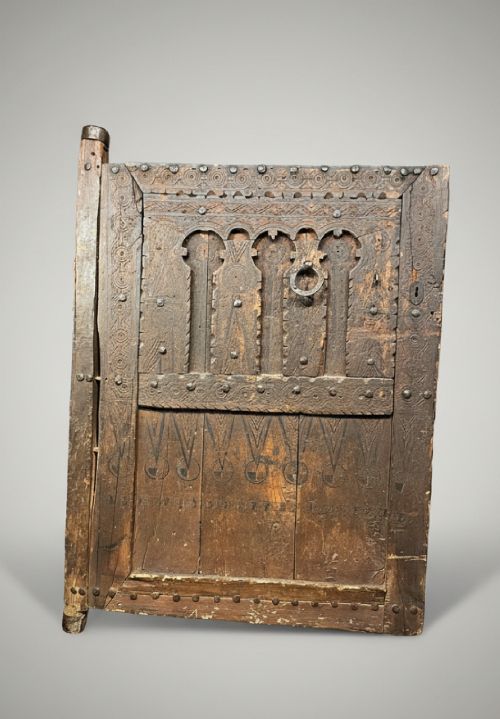
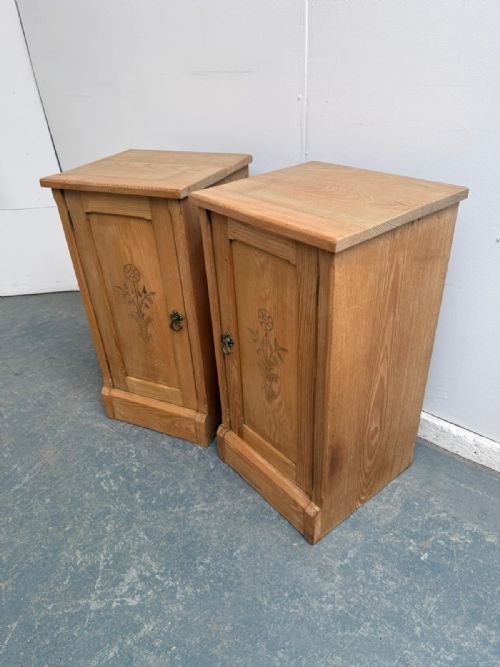
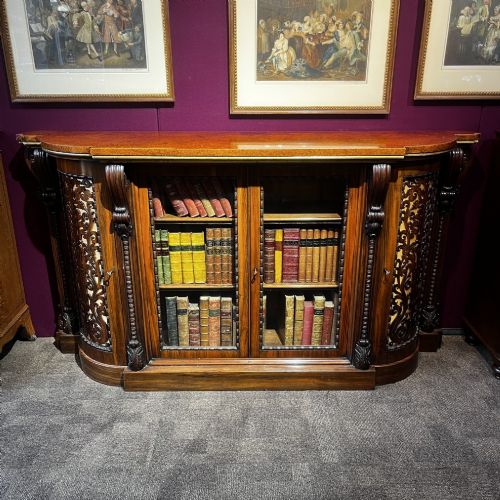
Carved timber doors encompass large architectural entryways, overdoor panels, and components salvaged from global buildings spanning multiple centuries. Buyers encounter structural elements, protective storehouse barriers, and decorative panels derived from diverse international traditions.
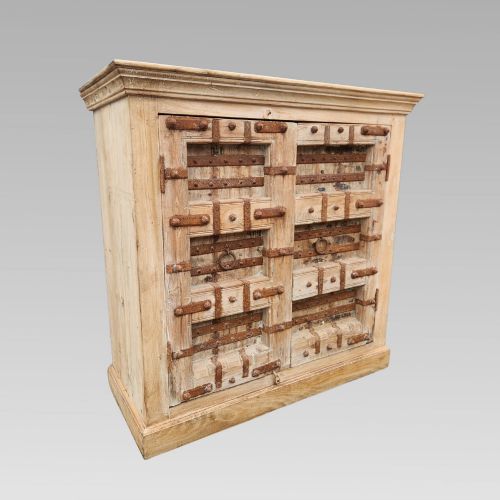
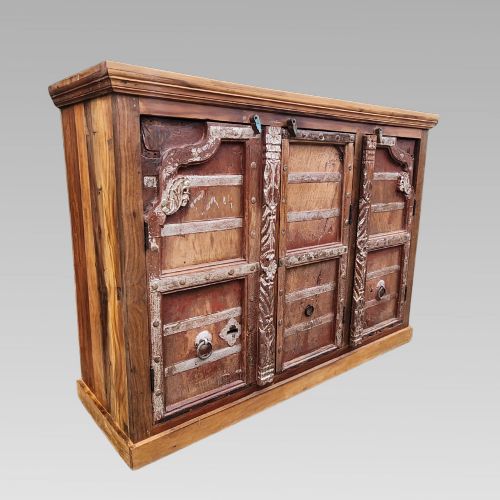
The selection ranges from 17th-century oak panels and 18th-century Italian doorways to 19th-century tribal pieces and painted Indian storage doors. Pieces arrive either as complete paired entries with original frames or as individual carved panels intended for wall display.
Many items originate from domestic European properties, French provincial settings, and traditional structures across Asia and North Africa. These objects function effectively as standalone wall art or as architectural salvage integrated into modern interiors.
Judging execution
Quality rests upon the depth, precision, and crispness of the hand-carved relief work executed by the maker. Superior examples display fluent chisel control and balanced composition across the timber surface.
The integrity of the original wood grain, the presence of untouched period finishes or original paint, and the survival of authentic hardware distinguish finer specimens from heavily restored alternatives.
Listings feature timbers including oak, teak, mahogany, walnut, and pine across pieces spanning the seventeenth through to the twentieth century.
Edward Pearce
The Carved Timber Doors Glossary
- Architectural salvage
- Building elements removed from structures slated for demolition or renovation, preserved for reuse in interior design. These items retain historical fabric and patination from their original placement.
- Overdoor panel
- A decorative carved or painted wooden section positioned directly above a doorway opening. These panels often feature distinct heraldic or floral motifs.
- Polychrome
- The practice of decorating architectural elements in multiple colours. Original paint layers provide crucial evidence of the piece's aesthetic history.
- Relief carving
- Sculpture where figures or patterns project from a flat background surface. This technique creates dramatic play of light and shadow across the timber.
- Provenance
- The documented history of ownership and origin of an antique. Established origins help confirm the period and cultural context of imported panels.
Carved Timber Doors: Frequently Asked Questions
How are carved timber doors displayed?
Large panels and doors mount directly onto walls using robust split batons or heavy-duty steel brackets to support the substantial weight of the timber. They serve as focal points above furniture or function as standalone decorative art.
Smaller panels can be framed or rested on console tables to showcase the intricate relief work without requiring permanent wall mounting.
Can antique doors be used functionally?
Many solid wood doors adapt well to architectural integration, serving as room dividers, pantry entries, or sliding cupboard fronts within modern builds. Professional joiners usually adjust the dimensions or reinforce the hanging edges to suit standard modern openings.
Fragile painted surfaces or delicate relief carvings require protective placement away from high-traffic zones and excessive moisture.
How do I care for antique wood?
Maintain stable indoor humidity levels to prevent the seasoned timber from splitting or warping over time. Dust gently with a dry, soft cloth and avoid chemical polishes that strip original patinas.
Wax finishes benefit from occasional application of quality beeswax to nourish the dry grain and protect the surface from atmospheric wear.
What indicates an 17th-century panel?
Early pieces typically exhibit heavy oak construction joined with wooden pegs rather than modern steel fixings. Hand-tool marks left by pit saws and primitive chisels remain visible across the unrefined reverse sides.
Deep, geometric strapwork or figural relief carving reflects the prevailing artistic styles characteristic of the seventeenth-century workshop traditions.