




Carved Silvered Mirror
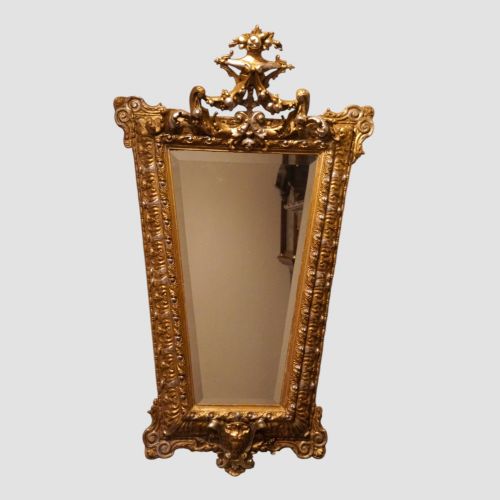
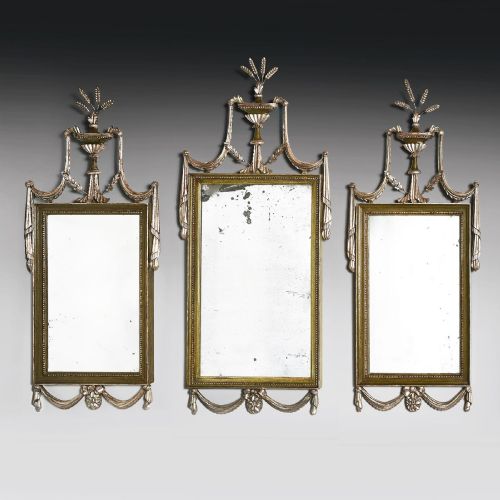
When sourcing a carved silvered mirror, one encounters decorative wall pieces shaped by historical French, Italian and English traditions spanning several centuries.
Carved Silvered Mirror
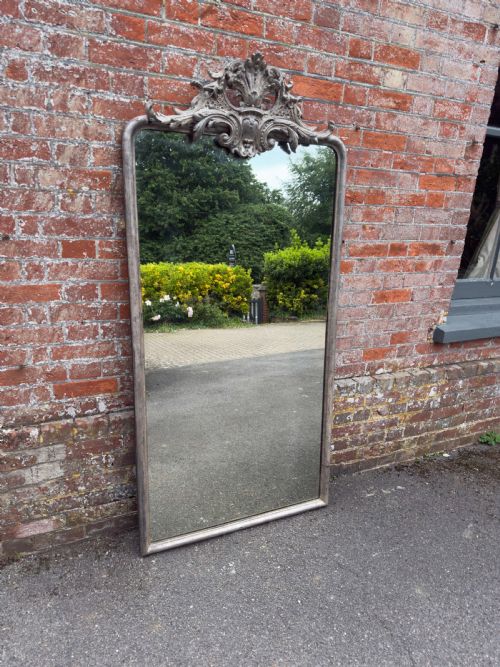
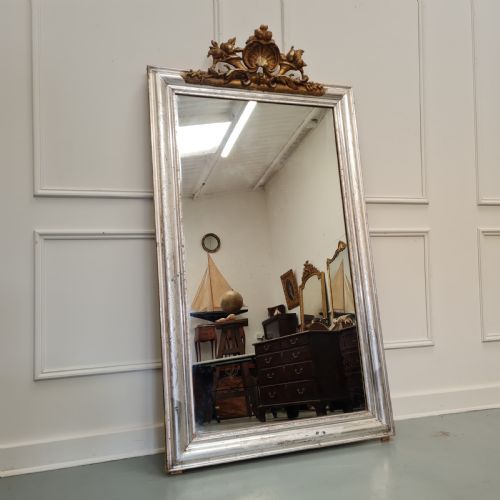
A carved silvered mirror is typically a wall-hanging glass plate set within an ornate timber frame finished in metallic leaf or pigment. These objects serve both practical reflection and decorative presence within domestic interiors.
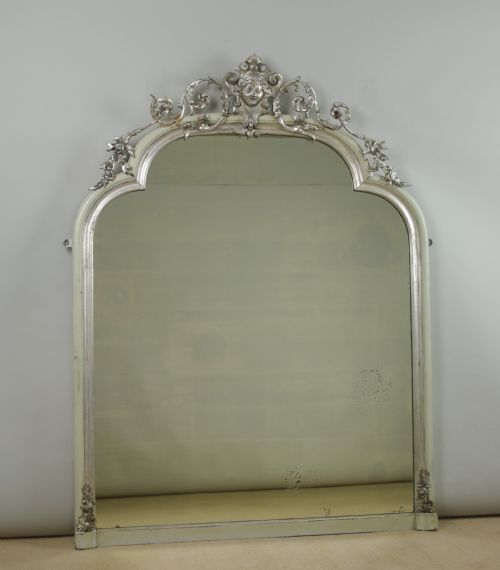
The selection on this page centres predominantly upon nineteenth-century French and English wall mirrors, alongside seventeenth-century, eighteenth-century and early twentieth-century examples. Common formats include grand overmantles, arched Louis Philippe styles, bistro frames and Venetian glass works.
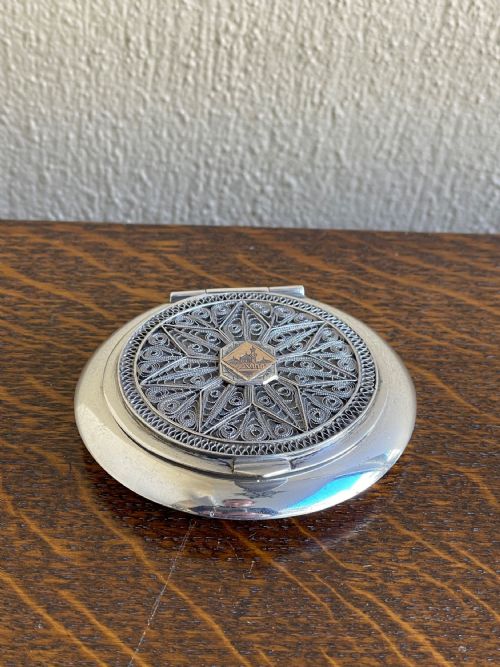
While wall mirrors dominate the selection, occasional related objects such as girandoles and powder compacts also appear. Buyers select these items to introduce reflective depth and historical character into rooms.
How they were made
Makers shaped structural foundations from solid wood, frequently applying a layer of gesso to build up intricate relief ornaments such as scrolls, ribbons and floral motifs. This plaster-like ground provided a smooth bed for subsequent metallic application.
Artisans layered silver leaf, gold leaf or silver-gilt onto the prepared surfaces, sometimes combining these metallic finishes with green, white or black paint. Distressed patination and mercury silvering frequently occur on older plates and frames.
Mirror plates were set into the carved housings, sometimes secured with decorative etching or held within cushion and bamboo-turned wooden profiles.
Listings span periods from the seventeenth century through to the 1930s, featuring silver leaf, gesso, carved wood and mirror glass.
What varies in quality
Quality rests upon the crispness of the timber carving and the integrity of the gesso mouldings beneath the metal leaf. Hand-modelled relief work retains sharp definition, whereas secondary casts or worn grounds lose botanical and scroll details.
The condition of the reflective surface and its metallic ground marks another distinction. Original mercury glass and undisturbed silver leaf display a depth and soft oxidation that sets them apart from later replacements.
Proportion and scale dictate the visual weight of the piece. Balanced arched profiles and well-proportioned overmantle frames command greater architectural presence on the wall.
Gillows Of Lancaster
The Carved Silvered Mirror Glossary
- Gesso
- A prepared mixture of chalk, gypsum and size used as a base for moulding relief decoration on wooden frames.
- Overmantle Mirror
- A wide wall mirror designed specifically to hang above a fireplace mantelpiece.
- Louis Philippe
- A nineteenth-century French mirror style characterised by a rounded upper corners and simple arched cresting.
- Girandole
- A decorative wall mirror fitted with attached candle branches or light arms.
- Silver-gilt
- Wood or metal surface treated with a combination of silver and gold leaf layers.
- Mercury Glass
- An older type of silvered mirror plate created by pouring a mercury amalgam behind the glass.
Carved Silvered Mirror: Frequently Asked Questions
How do I hang a heavy overmantle mirror safely?
Large nineteenth-century overmantle mirrors carry significant weight due to their dense timber and gesso construction. Secure hanging requires anchoring directly into wall studs using heavy-duty brackets suited to the load.
Professional installation ensures the frame distributes its weight evenly without straining the original joints or the hanging hardware attached to the timber backboards.
What is a Louis Philippe mirror?
Louis Philippe mirrors date from the mid-nineteenth century in France and feature distinct architectural lines. They typically display a gently arched top and rounded upper corners, often accompanied by subtle beaded or ribbed moulding.
These pieces offer a restrained elegance that allows them to blend into both traditional and contemporary interiors without dominating the room.
Should I clean original silver leaf?
Original silver leaf and gesso surfaces require minimal intervention to preserve their historical patina. Gentle dusting with a dry, soft cloth prevents particle buildup without disturbing fragile metallic leaf.
Moisture and modern chemical cleaners should be avoided entirely, as they strip away historical silvering and damage the underlying plaster ground.
How can I tell an antique mirror from a modern reproduction?
Antique mirrors reveal their age through the construction of the wooden backboards, hand-carved gesso details, and natural oxidation within the glass plate. Older silvering frequently develops dark freckling, uneven patches and soft reflections.
Examining the joinery at the corners of the frame and the type of fixings used provides further clues regarding the period of manufacture.