

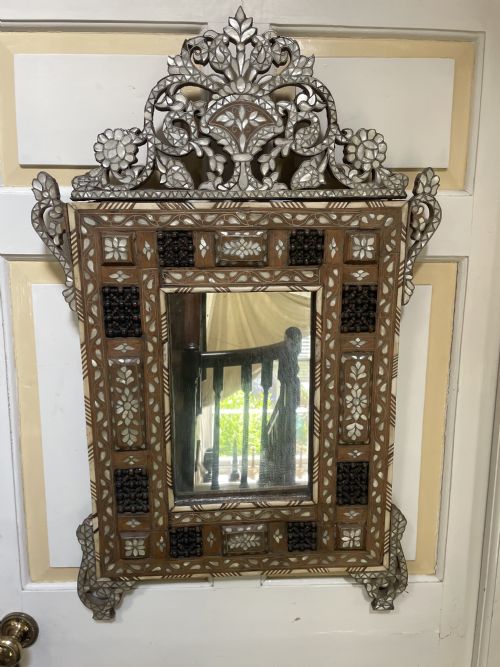
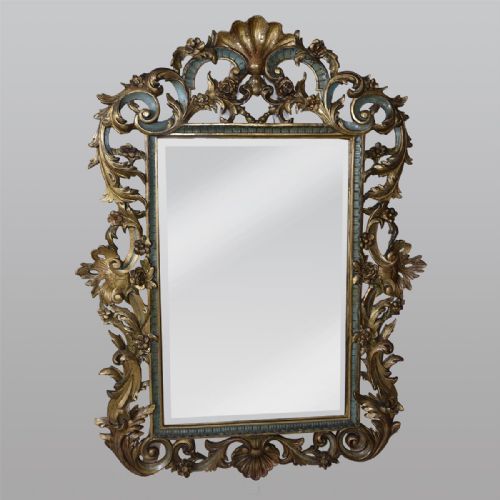


Carved Shell Decorative Mirror
A carved shell decorative mirror brings organic texture and historic design to a room, offering rich visual weight through intricate framing.
Carved Shell Decorative Mirror
A carved shell decorative mirror is a wall hanging designed to reflect light while incorporating natural motifs into the wooden or gessoed frame. These pieces emerge across several periods, including the nineteenth century and the early twentieth century, showing revivals of earlier historic styles.
The examples available here lean towards specific stylistic revivals such as Rococo, French Louis XVI, Queen Anne, and Chippendale. Buyers encounter forms ranging from large gilded showpieces to painted trumeaux and walnut frames.
Makers and workshops across these periods utilised traditional motifs like the shell to soften the geometry of standard wall mirrors. Such items function primarily as decorative focal points in domestic interiors.
How they were made
Framing relies heavily on carved wood, pine, walnut, and mahogany, often built up with gesso to hold sharp sculptural details. Craftsmen shaped these materials into intricate shell motifs and fretwork patterns.
Finishes involve traditional applications of paint, gold leaf, and giltwood over the wooden base. These surfaces create the aged metallic and painted patinas seen on nineteenth-century and early twentieth-century examples.
Current listings span the nineteenth and early twentieth centuries, featuring materials such as glass, wood, paint, gesso, giltwood, and tapestry.
What varies in quality
The depth and crispness of the carving determine the artistic merit of the frame, separating deep hand-chiselled work from softer moulding. Shell motifs that retain sharp anatomical ridges demonstrate superior craftsmanship.
The integrity of the original surface finish, whether giltwood, paint, or exposed walnut, dictates the visual authenticity of the piece. Preservation of the initial gilding layers adds considerable character compared to later re-paintings.
The Carved Shell Decorative Mirror Glossary
- Giltwood
- Wood coated with gold leaf or a gold-coloured metallic preparation. This finish provides a luminous reflective quality to the frame.
- Trumeau
- A decorative wall mirror combined with a painted panel or canvas above the glass. These pieces originate largely from French interior design traditions.
- Gesso
- A plaster-like mixture applied to wood frames to create a smooth surface for carving or gilding. It allows for the formation of crisp decorative details.
- Fretwork
- Ornamental woodwork formed by cutting patterns through the material. This technique appears on specific revival styles like Chippendale frames.
- Rococo
- An ornate design style characterised by asymmetry, curves, and natural motifs such as shells and scrolls. It heavily influences nineteenth-century mirror frames.
Carved Shell Decorative Mirror: Frequently Asked Questions
Where should I hang a carved shell decorative mirror?
These mirrors suit principal reception rooms, hallways, or above mantelpieces where their architectural frames can act as focal points. Positioning them opposite a window helps maximise light distribution in the space.
Ensure the wall fixings match the substantial weight of wooden and giltwood frames. Secure wall anchors provide the necessary support for heavier antique items.
How do I identify the period of a mirror frame?
Dating relies on examining the construction methods of the wood, the composition of the gesso, and the specific revival style employed. Characteristics such as pine backing or nineteenth-century plate glass offer strong chronological clues.
Compare the decorative vocabulary against known historical revivals like Queen Anne or Louis XVI. Subtle shifts in carving depth help distinguish 1800s work from later 1920s interpretations.
Are these mirrors suitable for daily use?
Original glass and antique frames require careful placement away from damp environments and direct moisture. Routine dusting with a dry cloth protects the delicate giltwood and painted surfaces.
Handle the frames gently during cleaning to preserve the historic gesso and carved details. Avoid chemical cleaners that might strip original patinas.