

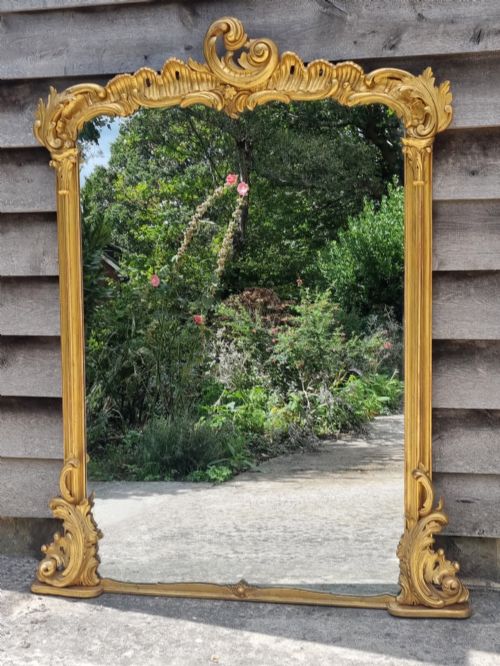
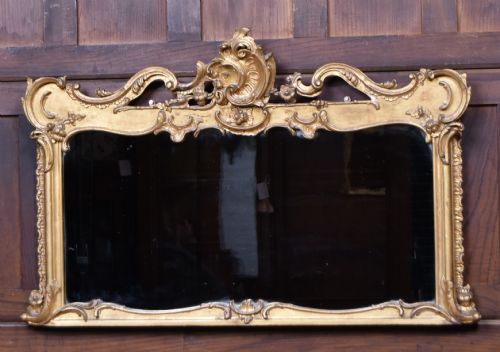
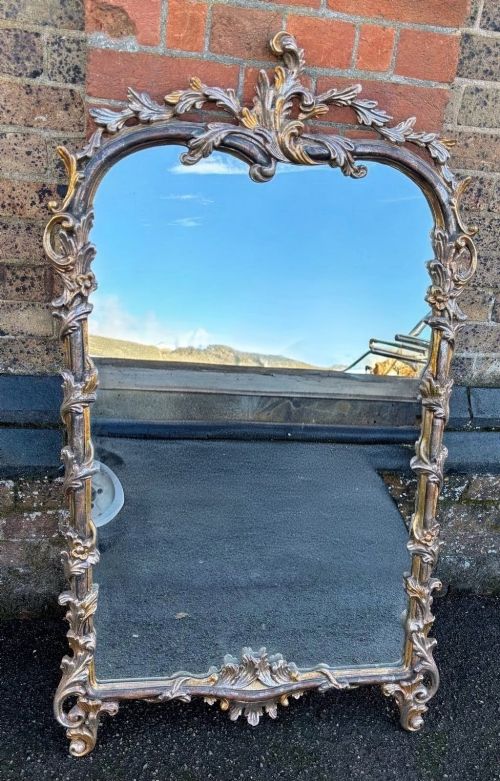
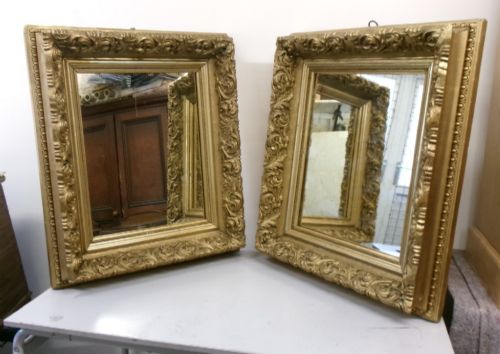



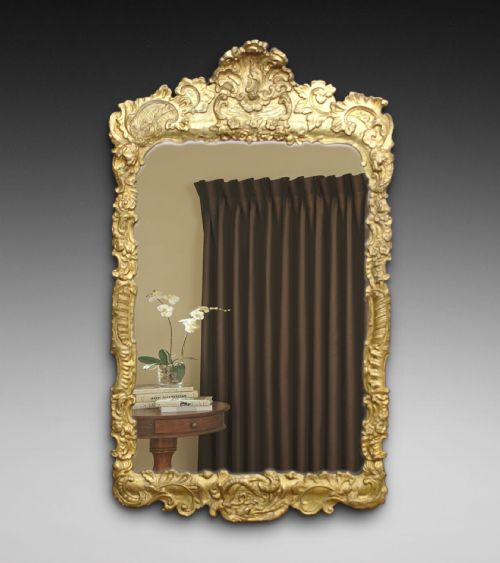


Carved Scroll Overmantel
A carved scroll overmantel provides a dramatic architectural centrepiece above a fireplace, combining historic craftsmanship with grand decorative presence.
Carved Scroll Overmantel
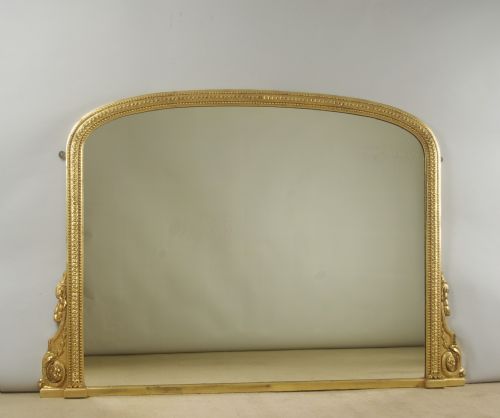
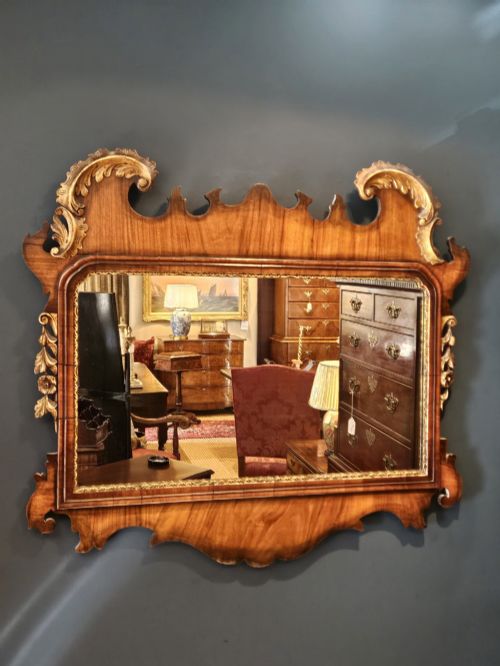
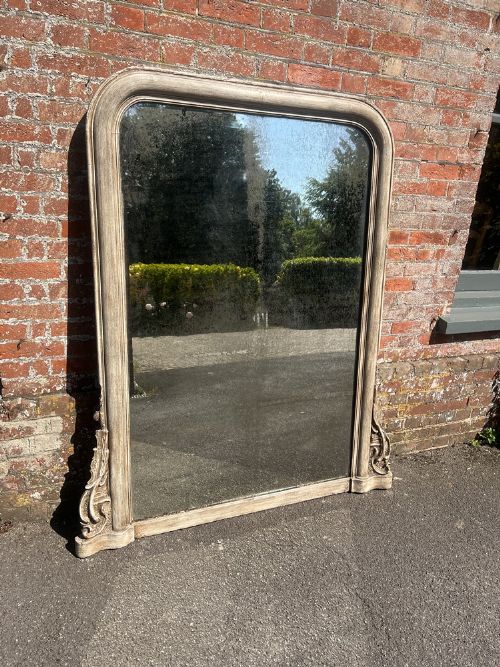
A carved scroll overmantel brings together substantial timber frames, arched profiles and classical scrollwork designed specifically to sit above a mantelpiece. These mirrors function as both reflective glass panels and significant wall sculptures that anchor a room's interior scheme.
The versions most commonly met on this page span the nineteenth century and the Georgian period, often showcasing large proportions and giltwood surfaces. Makers drew upon various historical idioms to create these imposing pieces for domestic interiors.
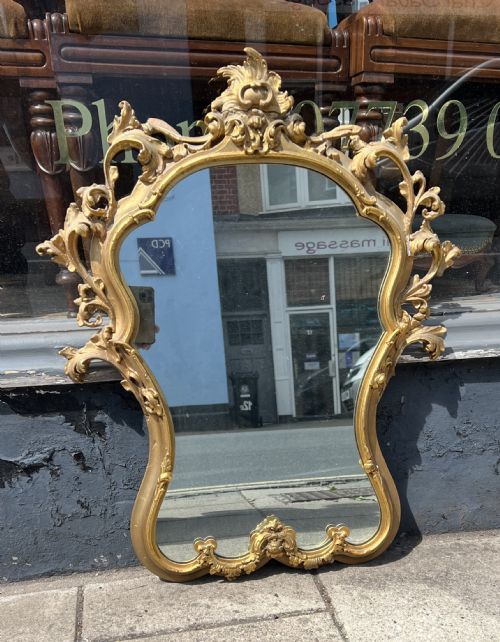
Makers utilised styles ranging from bold rococo and baroque ornamentation to restrained neoclassical lines. The resulting objects demonstrate the enduring appeal of elaborate wooden framing surrounding mercury or mirror glass.
What varies in quality
Depth and crispness of the carving separate standard examples from superior pieces, as master carvers achieved a three-dimensional fluidity that lesser workshops missed. The handling of foliage and scroll terminals reveals the confidence of the hand behind the chisel.
Gilding technique also dictates the visual success of the object, with layered water gilding offering a warmth and burnished glow that oil gilding or plain paint struggles to replicate. The integration of the wooden frame elements speaks directly to the original workshop's investment of time and skill.
Carved Scroll Overmantel Retail Price Guide 2026
Typical asking prices for carved scroll overmantel among the pieces listed under this phrase on Sellingantiques today, from the lower quarter to the upper quarter. They describe what is for sale here now, not the wider market.
Listings feature items spanning the seventeenth to the twentieth centuries, employing materials including giltwood, gesso, composition and painted mahogany.
The Carved Scroll Overmantel Glossary
- Giltwood
- Wood that has been coated with thin sheets of gold leaf over a prepared gesso ground. This technique creates a luminous, enduring metallic surface that defines many historic mirrors.
- Gesso
- A plaster mixture applied to wood frames as a base for gilding or painting. Artisans carved and smoothed this layer to achieve sharp decorative details before applying gold leaf.
- Overmantel
- A large mirror or panel designed specifically to hang on the wall directly above a fireplace mantel. These pieces were scaled to balance the architectural weight of the chimney breast.
- Rococo
- A decorative style characterised by asymmetrical scrollwork, C-scrolls, and organic plant motifs. This aesthetic produced some of the most exuberant and fluid frames found on antique mirrors.
Carved Scroll Overmantel: Frequently Asked Questions
What is the difference between Georgian and Victorian styles?
Georgian pieces typically display balanced neoclassical restraint or early rococo fluidity with precise, hand-carved details. Victorian interpretations often revived these earlier aesthetics on a grander, heavier scale with more abundant composition ornament.
Examining the depth of the gesso and the construction of the wooden backing boards helps determine whether a mirror dates to the eighteenth century or a nineteenth-century revival.
Can these mirrors be placed in modern interiors?
Placing a historic mirror in a contemporary room creates a striking contrast between old and new textures. The reflective glass also bounces light around the space, making rooms feel larger and brighter.
These pieces work well either mounted directly above a fireplace or simply stood on the floor against a plain wall for a relaxed yet grand effect.
How should I clean a antique giltwood frame?
Dust the carved surfaces very gently using a soft, dry brush to prevent dislodging delicate sections of gesso and gold leaf. Avoid using water, chemical sprays, or abrasive cloths which will strip the historic finish.
Professional conservation is recommended if the gilding is flaking or if the mirror plate requires resetting within its rebate.