




Carved Rosewood Couch
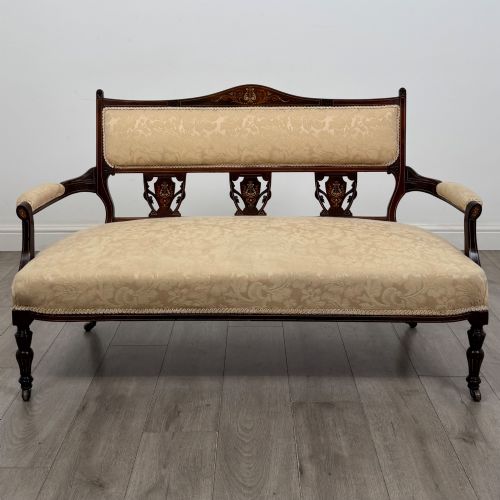
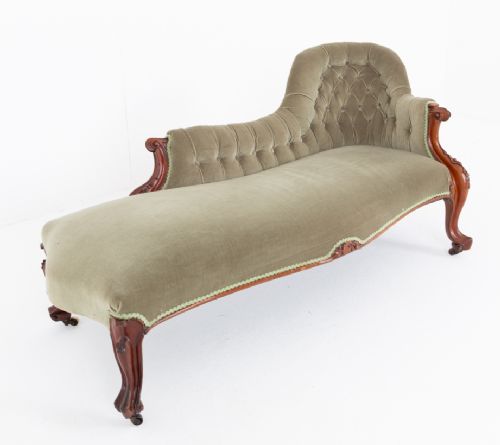
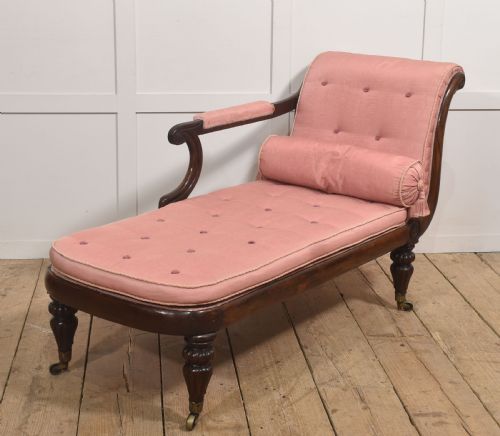
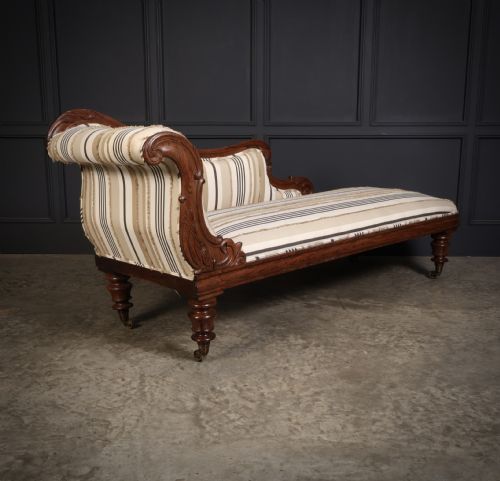
A carved rosewood couch brings dense, dark grain and sculptural Victorian curves directly into a drawing room.
Carved Rosewood Couch
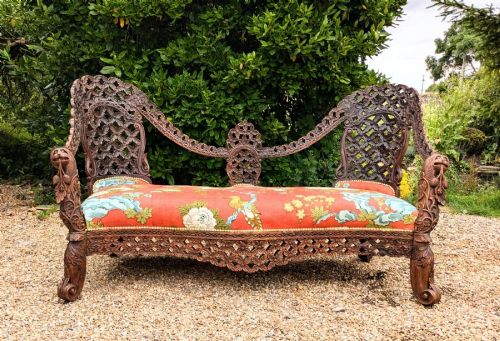
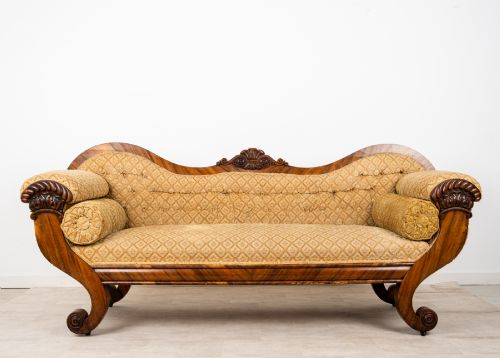
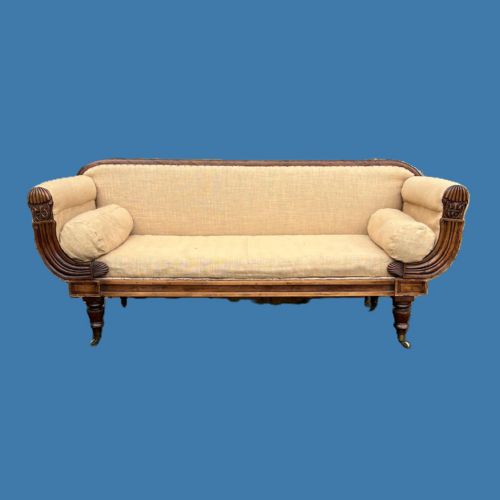
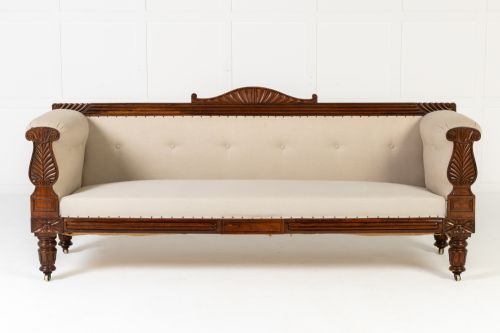
When searching for a carved rosewood couch, buyers encounter a variety of forms including chaise longues, daybeds, and settees spanning the Regency, William IV, and Victorian periods. These pieces serve as principal seating and daybeds, originating from English workshops as well as Anglo-Indian and Chinese makers.
The Victorian examples dominate this selection, featuring prominent scroll ends, double spoon backs, and deep button leather upholstery. Alongside these are earlier Regency and William IV iterations, offering architectural lines and simulated rosewood finishes.
How they were made
Construction relies heavily on dense rosewood, complemented by secondary timbers like teak, padauk, and hardwood, shaped into robust frames and intricate scroll ends. Workshops utilised brass for castors and hardware, integrating structural support within the heavy timber.
Upholstery techniques involve traditional sprung interiors covered in velvet, damask, fabric, and leather. Carved details are executed directly into the solid wood framing, defining the motifs of the Victorian Rococo Revival and colonial styles.
Object types include chaise longues, daybeds, settees, campaign sofas, hall benches, and conversational swivel sofas.
What varies in quality
The calibre of a carved rosewood couch rests upon the crispness of the timber carving and the density of the grain. Finer examples display deeply undercut foliage and scrollwork that remain sharp and unbroken.
Structural integrity of the rosewood frame and the authenticity of the period upholstery materials further separate standard production from superior pieces. The integration of brass castors and the condition of the hardwood substructure dictate the lasting standard of the seating.
H. Goodall & Sons
The Carved Rosewood Couch Glossary
- Chaise longue
- An upholstered sofa in the shape of a chair that is long enough to support the user's legs. This form appears frequently in nineteenth-century English and Victorian listings.
- Rosewood
- A heavy, durable timber prized for its dark grain and reddish-brown coloration. It provides the primary structural and decorative material for these couches.
- Settee
- A long upholstered seat with a back and arms, designed for multiple occupants. These range from early Victorian double spoon back designs to Anglo-Indian forms.
- Simulated rosewood
- A painted or stained finish applied to a secondary timber to imitate the appearance of genuine rosewood grain. This treatment appears on specific Regency and campaign pieces.
Carved Rosewood Couch: Frequently Asked Questions
What is a chaise longue?
A chaise longue is an elongated upholstered seat designed for reclining, combining the backrest of a sofa with the extended seat of a daybed. These pieces frequently feature carved scroll ends and rosewood frames from the Victorian era.
They function as both decorative centrepieces and functional resting furniture in larger rooms. The design supports full-length reclining while maintaining an upright back support at one end.
How do I identify a Victorian sofa?
Victorian sofas are typically characterised by heavy rosewood frames, deep button upholstery in leather or velvet, and ornate carved scroll ends. They often exhibit dark timber tones and robust construction.
Design elements like double spoon backs and Rococo Revival curves help distinguish these mid-nineteenth-century pieces from earlier Regency or later twentieth-century styles.
Where were Anglo-Indian couches made?
Anglo-Indian couches were produced in workshops in India during the nineteenth century, combining traditional British furniture forms with local carving techniques. They frequently utilise dense regional timbers.
These pieces reflect the cultural exchange of the colonial period, incorporating intricate floral and scroll motifs executed by skilled local artisans.
What is simulated rosewood?
Simulated rosewood is a decorative finish where a more common timber is painted, stained, or grained to mimic the distinctive dark appearance of genuine rosewood. This technique was utilised during the Regency period.
It allowed makers to achieve the fashionable dark wood aesthetic on specific frames without using solid exotic timber throughout the entire construction.