


Carved Ribbon Wall Mirror
A carved ribbon wall mirror brings together classical French styling and decorative woodwork to brighten a room with elegance.
Carved Ribbon Wall Mirror
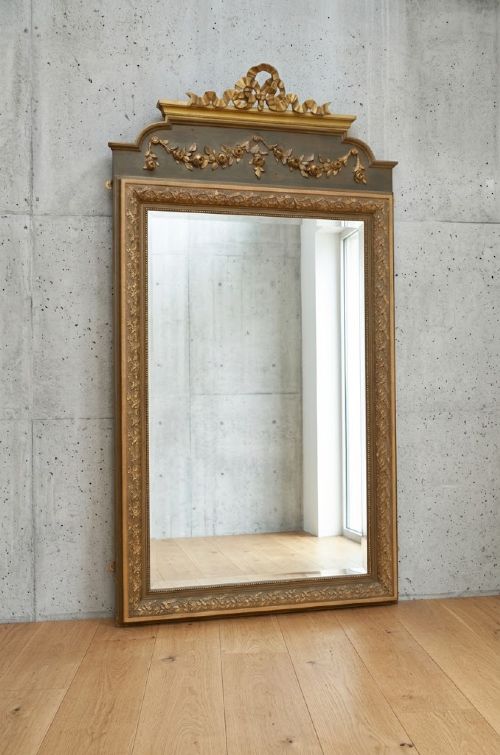
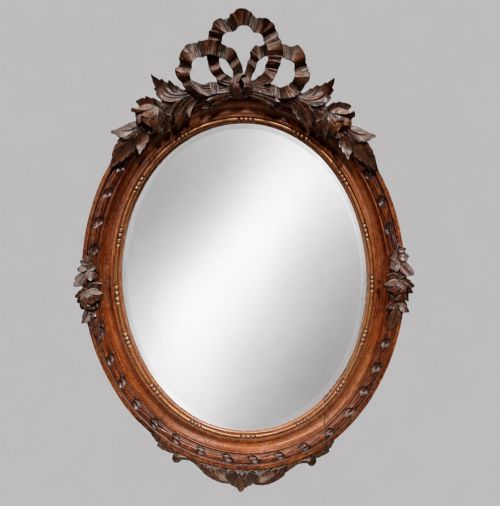
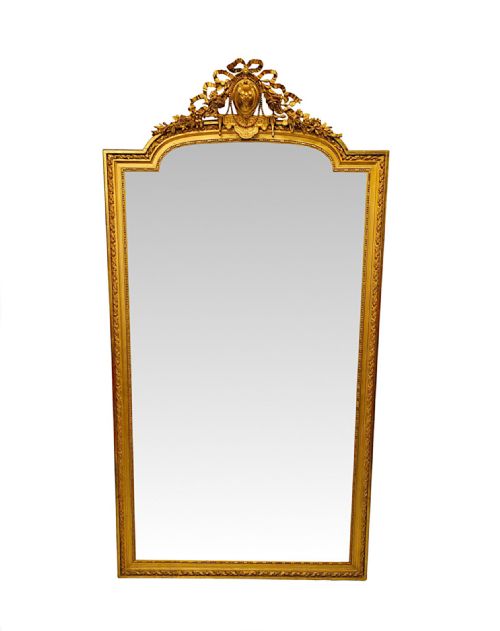
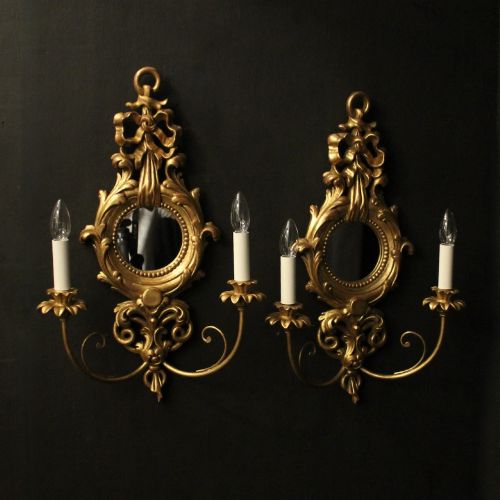
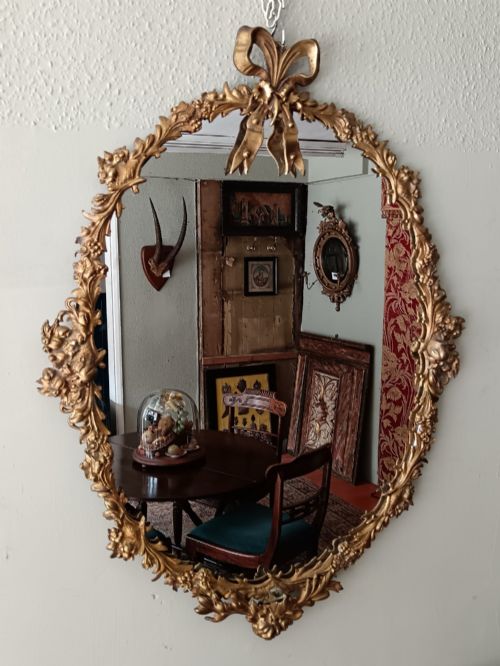
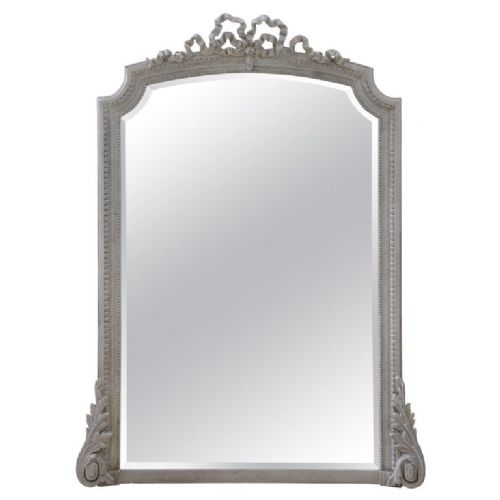
A carved ribbon wall mirror is a decorative looking glass defined by its sculptural crest, which usually takes the form of a knotted bow or streaming ribbon. These pieces draw heavily on French Neoclassical, Louis XVI, and Adam Revival idioms, bringing a light, ornamental touch to interiors.
The examples gathered here span from the mid-nineteenth century through the Edwardian era and into the early twentieth century. Visitors to this page will frequently encounter oval or rectangular formats featuring giltwood and gesso frames alongside painted finishes.
How they were made
The makers of these mirrors shaped wooden frames by hand before applying layers of gesso to build up the intricate details of the ribbon crests and border motifs. Gilding was then applied using gold leaf or liquid gold to create a luminous surface that catches the light.
Many frames combine carved wood with moulded gesso to achieve crisp definition on bows, floral swags, and rope twists. Original mirror glass, sometimes bevelled, is frequently set within these ornate structures.
Materials recorded across the selection include giltwood, gesso, carved wood, mirror glass, and painted finishes.
What varies in quality
Quality rests primarily in the depth and crispness of the carving, particularly around the ribbon crest where lesser pieces can appear blunt or muddy. Superior examples display sharply defined folds in the ribbon and subtle modelling in the surrounding foliage.
The richness of the surface finish also distinguishes the better pieces, with hand-applied gilding and gesso work showing superior lustre compared to heavier, more uniform modern applications.
Strahan of Dublin
The Carved Ribbon Wall Mirror Glossary
- Giltwood
- Wood that has been coated with gold leaf or a metallic finish. It provides a bright, reflective surface popular in formal decorative mirrors.
- Gesso
- A plaster-like mixture applied to wood frames and sculpted before gilding. This material allows for crisp, intricate ornamentation like ribbons and scrolls.
- Louis XVI Style
- A neoclassical design movement characterised by straight lines, symmetry, and classical motifs such as ribbons, bows, and urns. It heavily influenced nineteenth-century revival mirrors.
- Trumeau
- A decorative wall mirror incorporating a painted panel or artwork above the glass. These pieces were designed to fit neatly between windows or over mantelpieces.
Carved Ribbon Wall Mirror: Frequently Asked Questions
How do I hang a heavy giltwood mirror safely?
Large mirrors require proper wall anchors and brackets rated for the substantial weight of carved wood and glass. Secure the fixing directly into wall studs or use heavy-duty toggle bolts.
Position the mirror at a height that reflects eye level or catches natural light from a nearby window to best illuminate the room.
Are these mirrors original to the nineteenth century?
The selection includes pieces originating from the Victorian, Edwardian, and late nineteenth-century periods, alongside specific revival styles. Each listing details the period based on construction and materials.
Examining the backboards, fixings, and glass bevelling helps determine the age and authenticity of the frame.
What rooms suit a ribbon crest mirror?
These decorative looking glasses work well in hallways, drawing rooms, or above bedroom dressing tables. Their vertical proportions and ornate crests draw the eye upward.
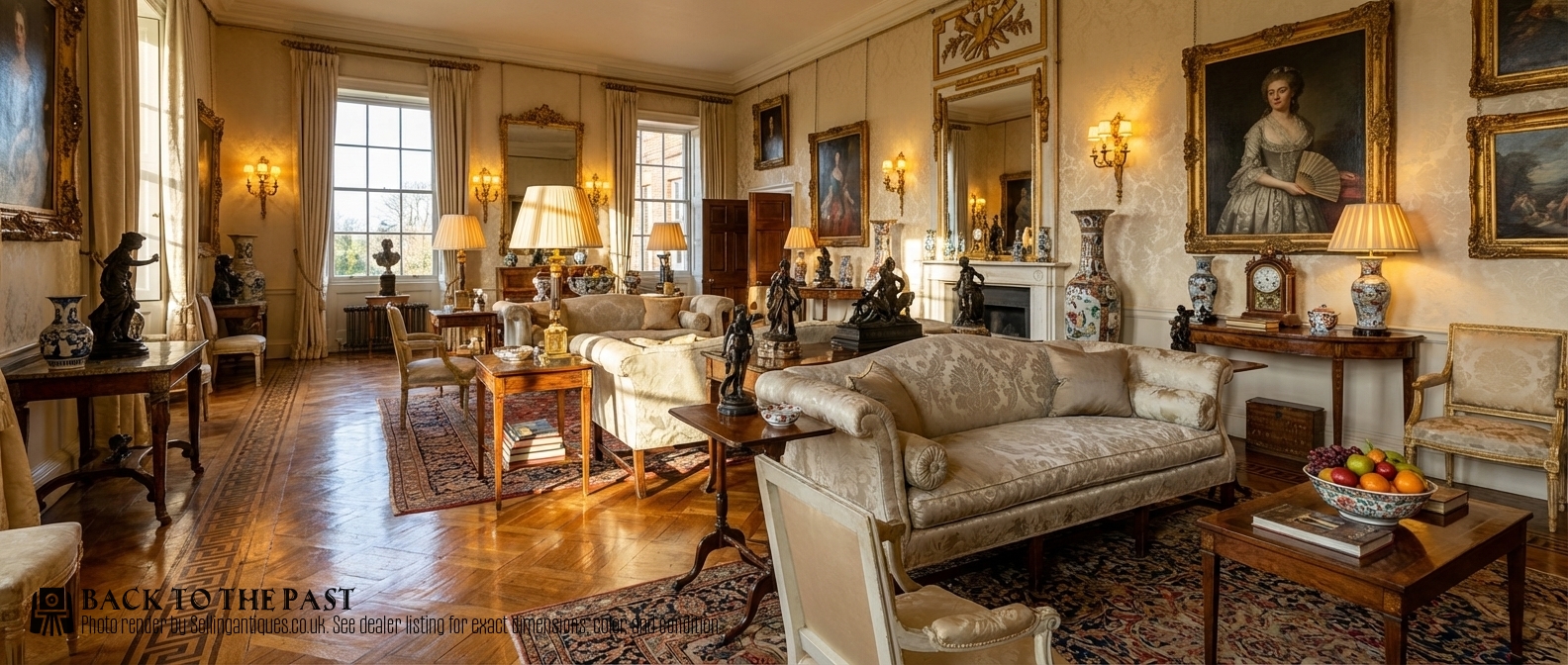
An overmantel version can anchor a fireplace, while smaller oval formats fit neatly into narrow wall spaces.