
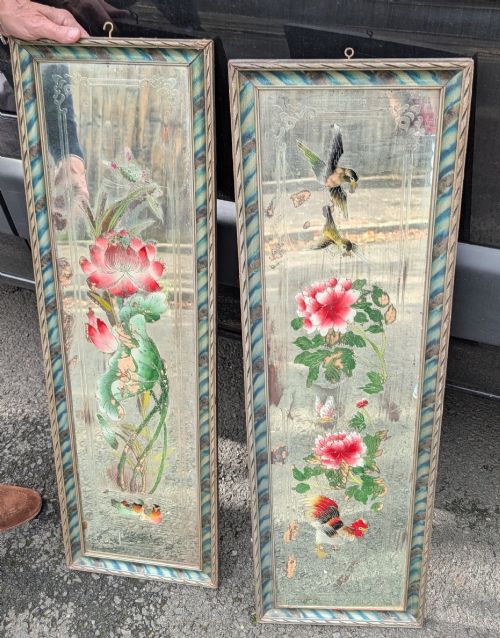


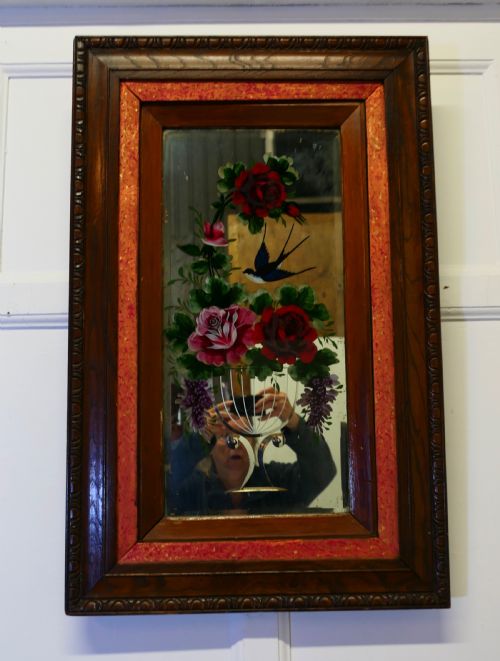


Decorative Panel Mirror
A decorative panel mirror combines reflecting glass with painted, carved, or inlaid panels to bring light and architectural interest to a room.
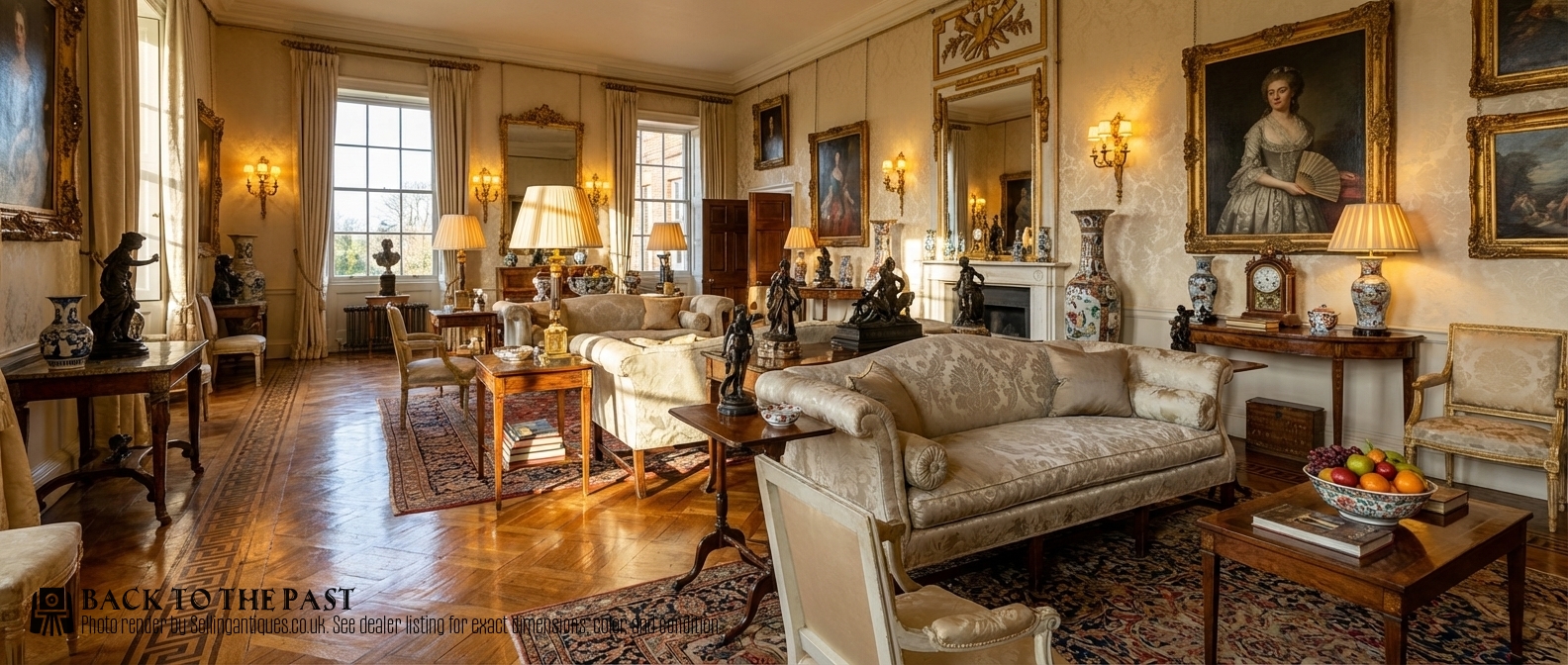
Decorative Panel Mirror
A decorative panel mirror merges a looking glass with an upper or surrounding panel, most frequently encountered as a French trumeau mirror from the nineteenth century. These pieces function as architectural focal points, designed to hang on a wall or sit above a mantelpiece.
The selection ranges from nineteenth-century French and Italian gilt examples to Art Deco designs incorporating blue glass, marquetry, or painted canvases. Buyers encounter oval formats, triple-plate overmantels, and pairs of wall-hanging mirrors featuring integrated artistic panels.
What varies in quality
The standard of carving and the sophistication of the inset panel dictate the quality of a decorative panel mirror, separating standard production from exceptional artistry. Hand-painted botanical scenes, finely executed reliefs of figures, or intricate marquetry elevate a piece beyond simple moulded decoration.
The integrity of the original gilding and the preservation of the mirror glass or painted canvas indicate the level of craftsmanship invested during manufacture.
Object types seen across the selection comprise wall mirrors, overmantel mirrors, and paired decorative glass panels.
A.J Rowley
The Decorative Panel Mirror Glossary
- Trumeau
- An architectural term for a mirror featuring an upper panel decorated with a painting, carving, or relief, popular in eighteenth and nineteenth-century interiors. These pieces were often designed to fit the space between two windows.
- Gesso
- A plaster-like mixture applied to wooden frames as a smooth base before gilding or painting. It allows craftsmen to carve intricate relief details onto the surface.
- Overmantel
- A large mirror specifically proportioned to hang directly above a fireplace mantel. They frequently feature wide horizontal formats or multi-plate configurations.
- Marquetry
- The art of applying pieces of veneer to a structure to form decorative patterns and pictures. It appears on wooden frames and panels.
- Parcel-gilt
- A finish where only certain decorative portions of an object are covered in gold leaf while the rest is painted or stained wood.
Decorative Panel Mirror: Frequently Asked Questions
Where should I hang a trumeau mirror?
These mirrors suit principal reception rooms, positioned above a fireplace mantel or centrally on a main wall where they reflect light and anchor the room's proportions.
Because many examples are substantial, ensure the wall fixings securely support the weight of the wood and glass frame.
How do I identify a nineteenth-century French mirror?
Nineteenth-century French examples often display trumeau styling, combining gilded wooden frames with painted canvas or carved relief panels above the glass.
Examining the construction methods, the type of gesso, and the ageing of the mirror plate helps confirm the period.
Can I place these mirrors in a hallway?
Narrower wall-hanging formats or pairs of decorative panel mirrors fit well in entrance halls or stairwells, introducing light to transitional spaces.
Their decorative panels provide visual interest even when the mirror is not reflecting a brightly lit room.
What is an overmantel mirror?
An overmantel mirror is built specifically to sit above a fireplace, often featuring multiple glass plates or a wide horizontal format designed to complement the hearth.
Victorian and French variants in this category often incorporate decorative relief panels or gilt moulding.