
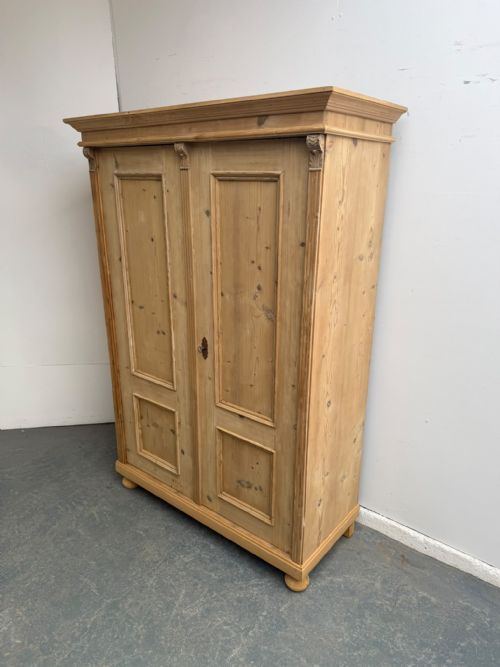
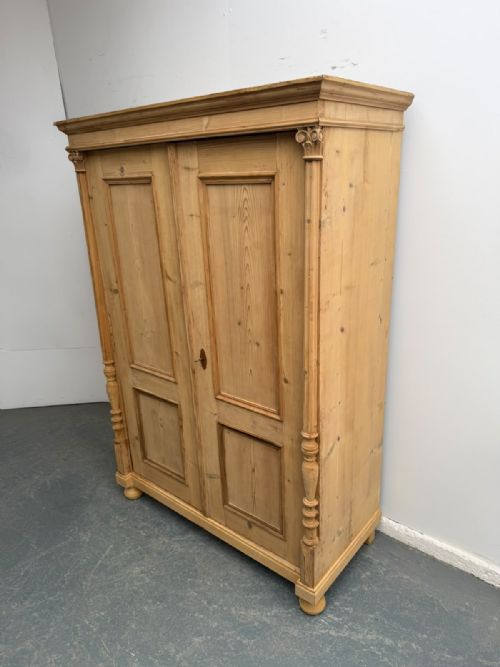
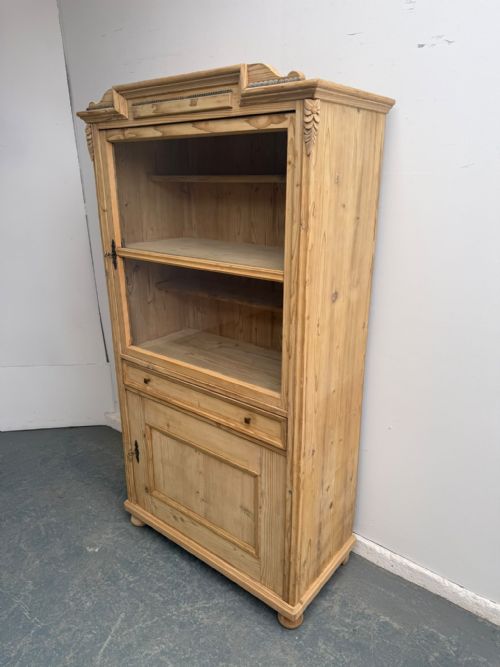
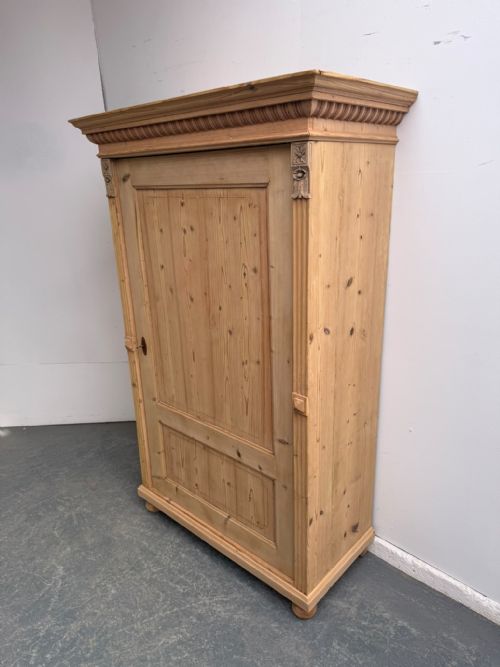


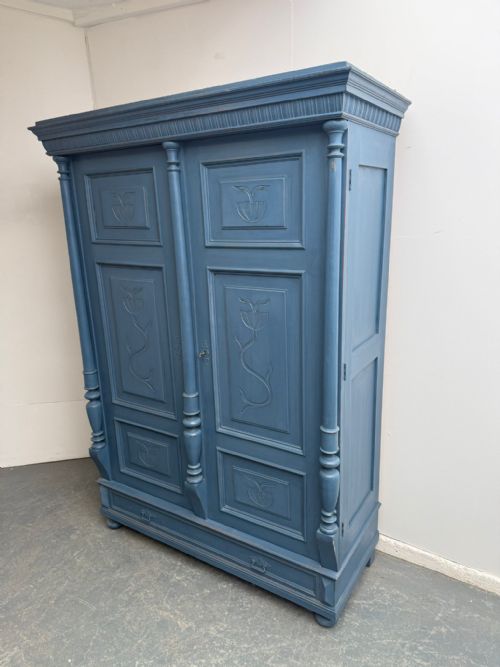

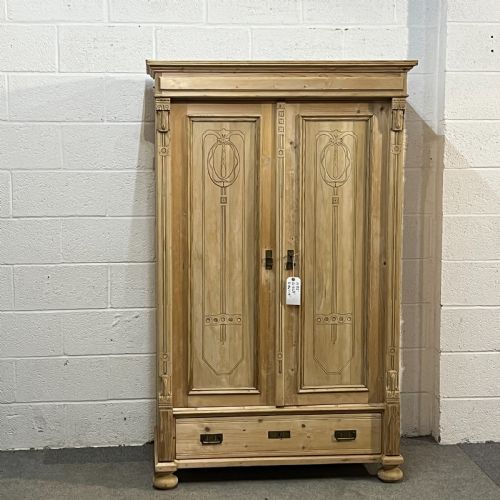
Carved Pine Storage Cupboard
These carved pine storage cupboard examples offer robust utility and tactile charm, drawing collectors who value honest timber and regional character.
Carved Pine Storage Cupboard
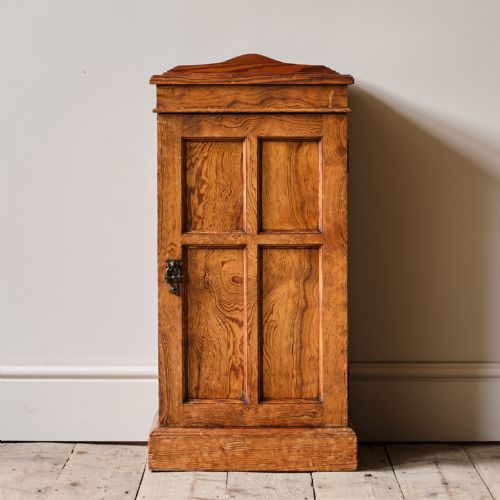
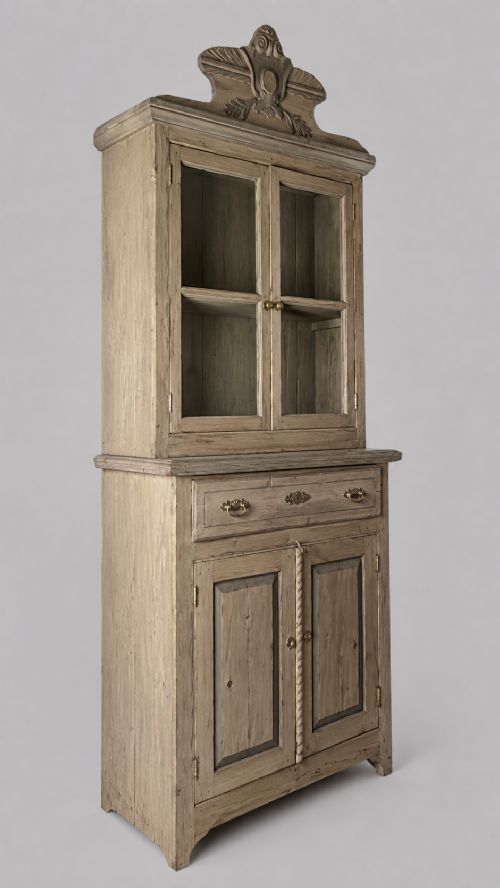
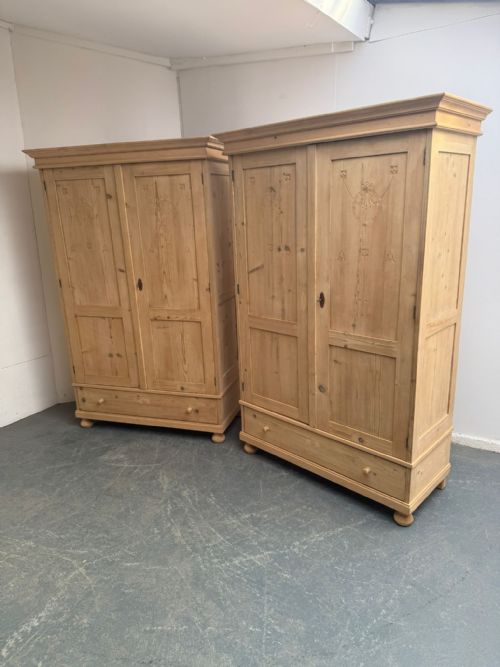
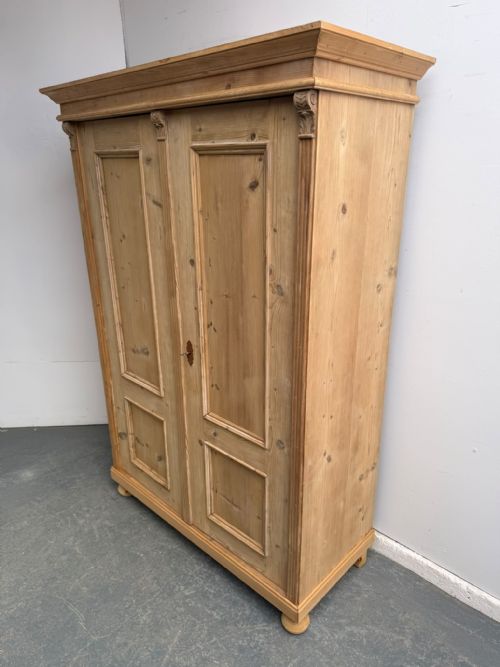
When you search for a carved pine storage cupboard, you encounter a practical domestic form shaped by regional traditions across Britain and continental Europe. The selection spans the Victorian era through to the early twentieth century, encompassing varied utility pieces from compact pot cupboards to tall wardrobes.
You meet simple country pieces alongside more decorative expressions influenced by the Arts and Crafts movement, Art Nouveau, and Gothic Revival. Many examples arrive prepared for waxing or painting, while others retain old painted surfaces in blue, grey, or black.
The domestic forms include display cabinets, linen presses, and kitchen dresser bases alongside standard storage cupboards. Hungarian and Scandinavian pieces feature frequently, bringing distinct painted finishes and regional carving details to the selection.
How they were made
Makers utilised solid pine as the primary construction material, frequently pairing it with oak or applying decorative paint finishes. Iron and brass hardware such as hinges and handles secured doors and drawers across these domestic forms.
Joinery methods included knockdown construction for larger wardrobes, allowing practical transport and assembly in domestic interiors. Carving embellished door panels and friezes, ranging from simple geometric motifs to floral relief work.
Listings feature periods from the Victorian era up to 1920, incorporating styles like Gothic Revival, Arts and Crafts, and Art Nouveau.
What varies in quality
The distinction between standard utility pieces and finer examples rests upon the depth and execution of the carved decoration. Crisp relief work on door panels elevates a cabinet above plain vernacular storage.
Proportion and timber selection also divide the range, with dense pitch pine or carefully figured Oregon pine achieving greater presence. Original paint surfaces and retained hardware hold higher regard than stripped and modernly altered timber.
The Carved Pine Storage Cupboard Glossary
- Knockdown wardrobe
- A large piece constructed with modular panels and joints that dismantle for transport. This method allowed bulky bedroom furniture to move easily between rooms and properties.
- Pot cupboard
- A small bedside or corner cabinet originally designed to house a chamber pot. These compact units typically feature a single door and a small internal shelf.
- Linen press
- A tall storage piece combining sliding trays or shelves in the upper section with larger drawers below. They served to store household textiles and folded garments.
- Pitch pine
- A resinous pine variety known for its durability and distinct grain pattern. Cabinet makers utilised this timber for robust wardrobes and display pieces.
- Dresser base
- The lower section of a kitchen or dining storage unit featuring cupboards and drawers. These low-profile pieces provided sturdy working surfaces as well as enclosed storage.
Carved Pine Storage Cupboard: Frequently Asked Questions
How do I clean a painted pine cupboard?
Dust the surface regularly with a soft, dry cloth to prevent dirt accumulation on the painted finish. Avoid harsh chemical cleaners that can strip or soften historic paint layers.
For stubborn marks, use a slightly damp cloth with mild soap, drying the wood immediately afterwards. Preserving the original patina requires gentle maintenance rather than aggressive scrubbing.
Are knockdown wardrobes difficult to assemble?
These wardrobes utilise traditional peg, wedge, or bolt fixings designed for straightforward dismantling and reassembly. Keeping track of original hardware ensures each component fits back into its designated slot.
Enlisting a second person helps align the large side panels and heavy doors safely during the process. Take care not to force joints that do not align naturally.
What is the difference between a linen press and a wardrobe?
A linen press traditionally houses internal sliding trays or shelves behind upper doors, paired with wide drawers underneath. They were built specifically for flat linens and folded garments rather than hanging clothes.
Wardrobes feature vertical hanging space inside tall doors, often supplemented by a single bottom drawer. The internal configuration dictates whether the piece suits folded or hanging storage.
How do I date a Victorian pine cupboard?
Examine the construction methods, such as hand-cut dovetails on drawers and the presence of early iron or brass fittings. Machine-sawn timber and simpler screw types typically point toward the later nineteenth or early twentieth century.
Stylistic cues like Gothic Revival arches or Art Nouveau floral carving provide further chronological markers. Compare the hardware and timber density against known period examples for accuracy.