

Carved Parlour Set
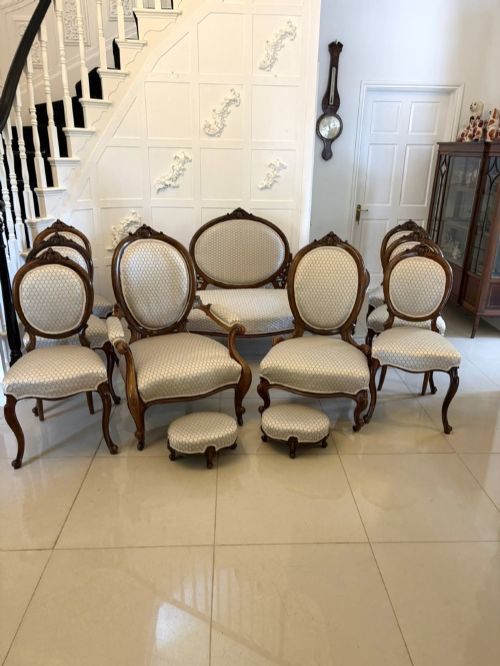
A carved parlour set brings together matching seating crafted for formal reception rooms during the nineteenth and early twentieth centuries.
Carved Parlour Set
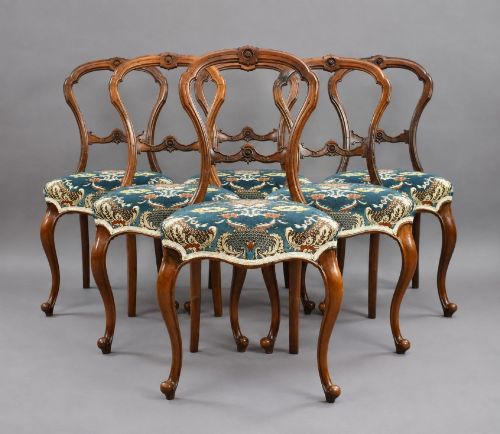
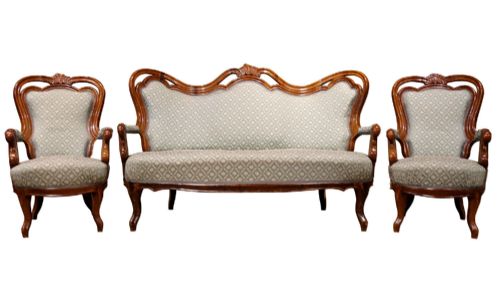
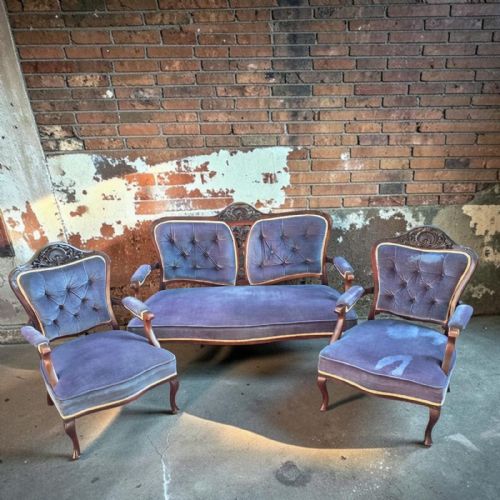
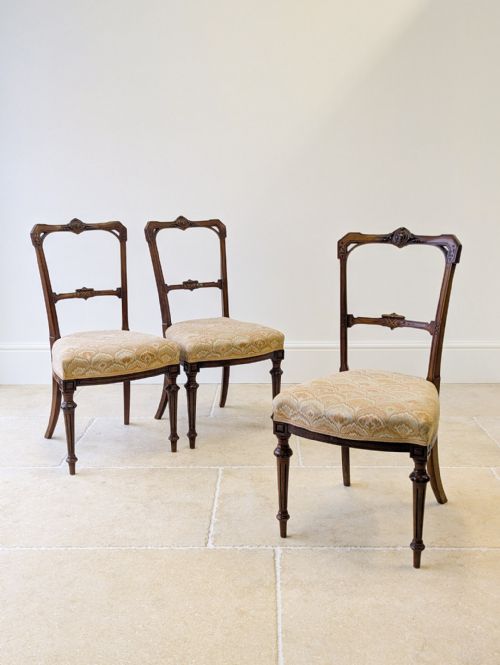
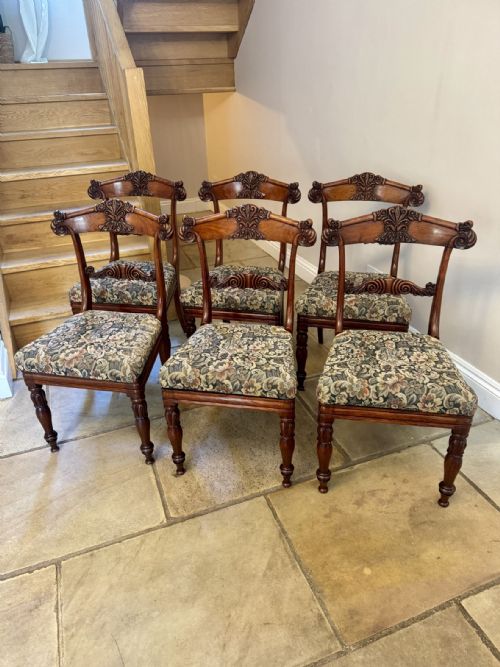
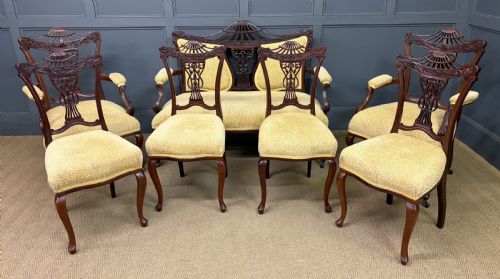
When you search for a carved parlour set, you encounter matched groups of seating designed for formal reception rooms. These suites range from large collections comprising sofas, armchairs, and side chairs to smaller groupings intended for specific parlour layouts.
The versions most commonly met on this page span the Victorian period, alongside examples from the Regency, Edwardian, and Arts and Crafts eras. Materials centre on walnut, mahogany, and rosewood, frequently accompanied by upholstered elements.
How they were made
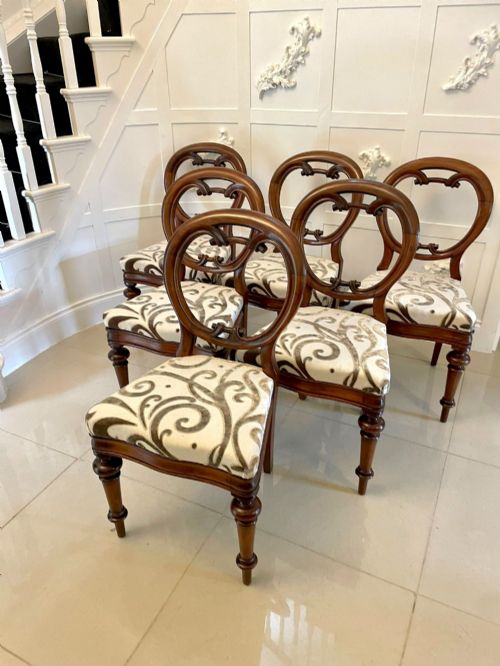
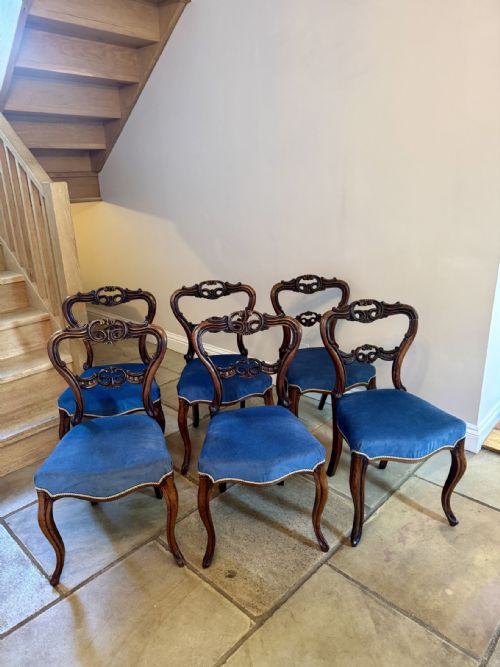
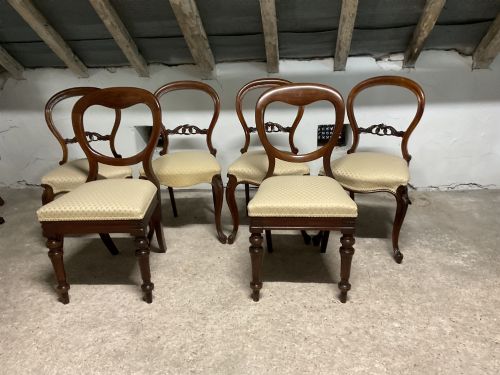
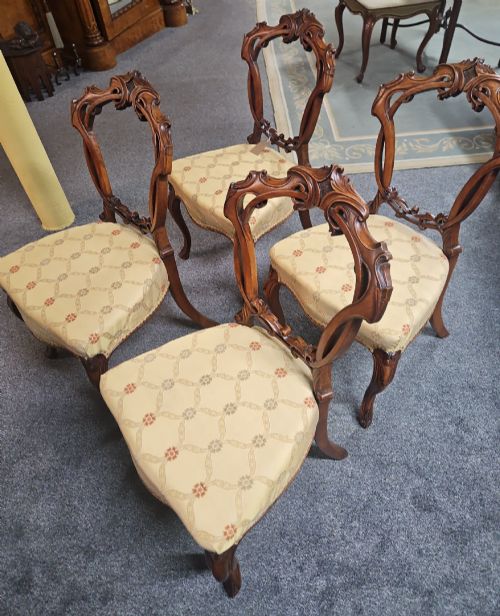
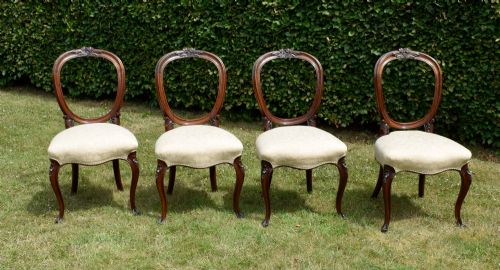
Cabinet makers utilised dense hardwoods such as mahogany, walnut, and rosewood to construct frames capable of supporting intricate manual carving. These timbers provide the structural strength needed for slender balloon backs and shaped legs.
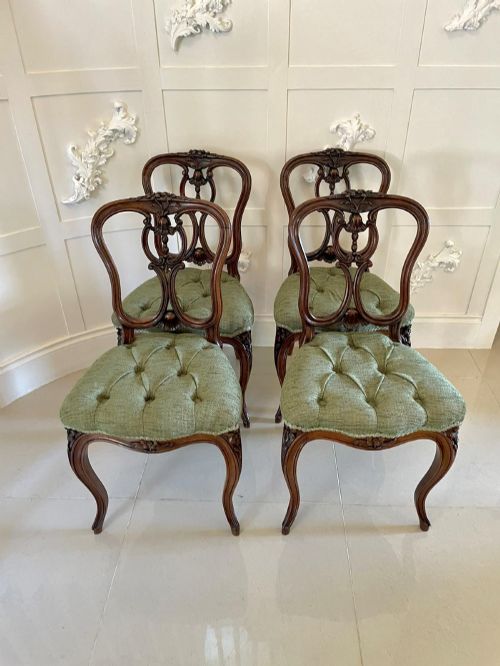
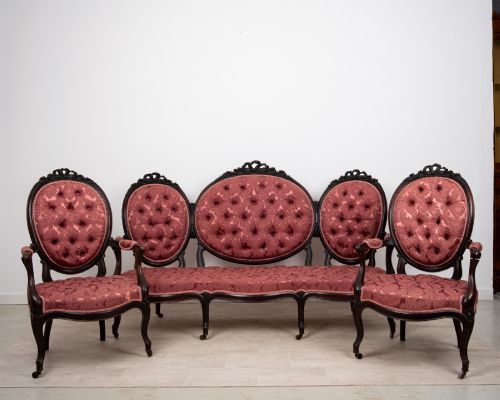
Upholstery techniques applied to these suites involve traditional stuffing materials paired with fabrics like velvet, needlepoint, and textile coverings. Buttoning and brass detailing frequently secure the upholstery to the wooden framework.
Listings feature seating from the Victorian, Regency, and Edwardian periods, constructed primarily from mahogany, walnut, and rosewood.
What varies in quality
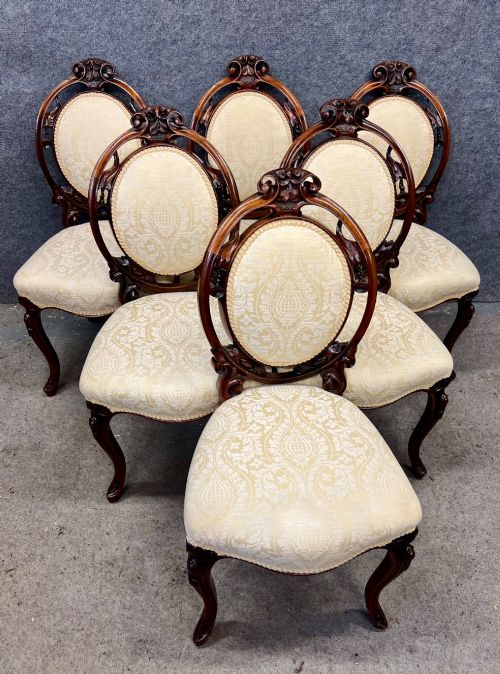
The depth and crispness of the timber carving separate standard production from superior pieces. Skilled artisans executed intricate motifs by hand, resulting in defined edges and balanced proportions across every chair and settee.
Cohesion within the suite dictates overall excellence. Sets that retain matching timber grain, uniform patination, and original upholstery schemes demonstrate a higher level of initial commission and subsequent preservation.
The Carved Parlour Set Glossary
- Balloon back
- A chair back shaped in a continuous oval curve resembling an inflated balloon. This design gained widespread popularity during the Victorian era.
- Salon suite
- A matching collection of seating furniture intended for formal entertaining. These suites typically include a settee paired with armchairs and side chairs.
- Rococo Revival
- A nineteenth-century design style drawing on eighteenth-century French motifs. It is characterised by asymmetrical scrollwork and naturalistic floral carving.
- Needlepoint
- Hand-stitched canvas embroidery utilised for seat covers. This technique introduces decorative colour and pattern to the wooden framework.
- Giltwood
- Timber treated with a thin layer of gold leaf or gilt finish. This treatment imparts a reflective, ornate appearance to decorative parlour furniture.
Carved Parlour Set: Frequently Asked Questions
How were parlour suites arranged?
These suites were positioned around the perimeter of formal drawing rooms to facilitate conversation and hospitality. Individual chairs could be moved closer to seating areas as needed.
Larger groupings allowed hosts to seat multiple guests comfortably during social gatherings.
How do I care for antique upholstery?
Protect delicate fabrics from direct sunlight to prevent fading and fibre degradation. Regular gentle dusting preserves the surface condition of both textile and wooden elements.
Professional cleaning is recommended for antique needlepoint and velvet coverings.
How do I identify Victorian furniture styles?
Victorian pieces often display revival styles referencing earlier periods such as Rococo and Neoclassical design. Look for characteristic timber choices like walnut and rosewood alongside machine or hand-carved details.
Construction methods and hardware can also indicate the specific decade of manufacture.