


Oriental Inlaid Furniture
Oriental inlaid furniture brings together intricate decorative work and solid construction from diverse global traditions, offering practical display surfaces and rich visual detail for the home.
Oriental Inlaid Furniture
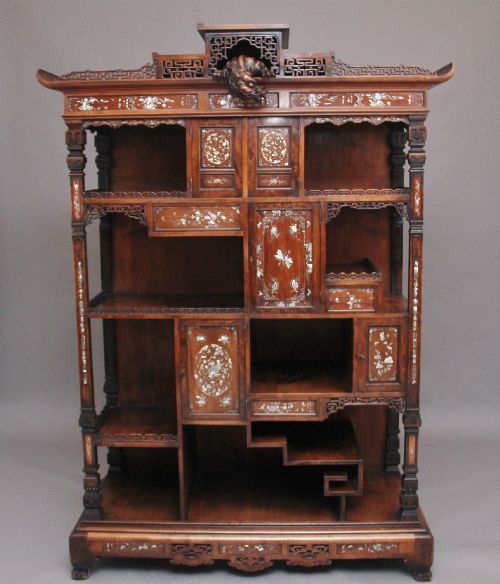
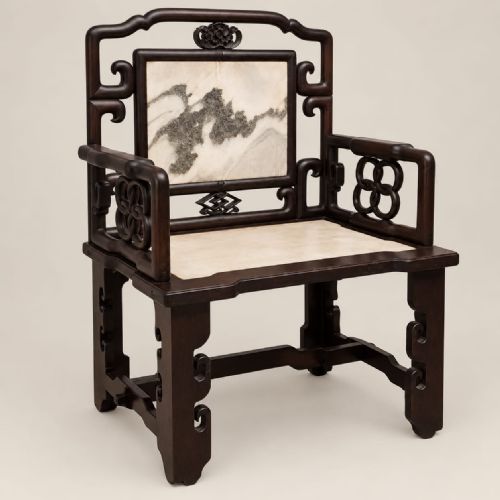
Oriental inlaid furniture encompasses a varied selection of tables, cabinets, and seating pieces dating predominantly from the nineteenth century. These items showcase distinct regional styles including Anglo-Indian, Chinese Qing dynasty, Japanese Meiji period, and Moorish revival designs.
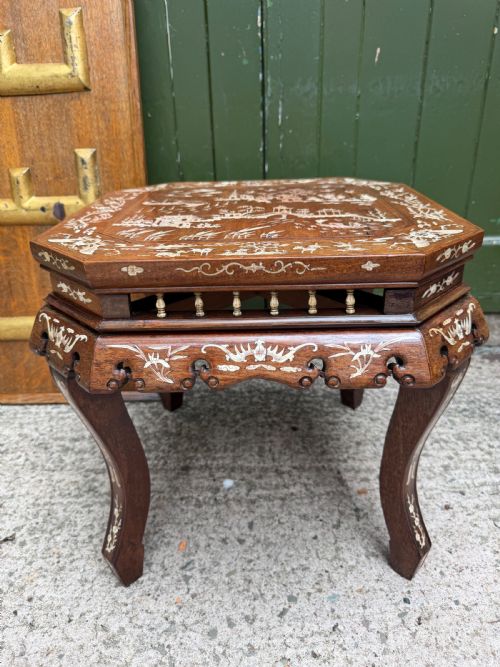
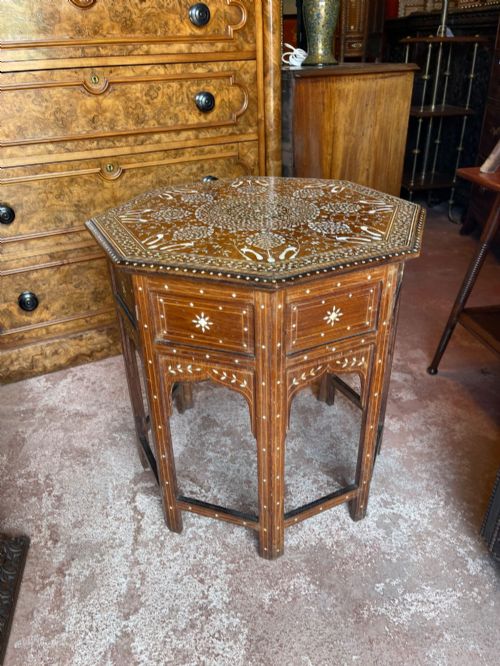
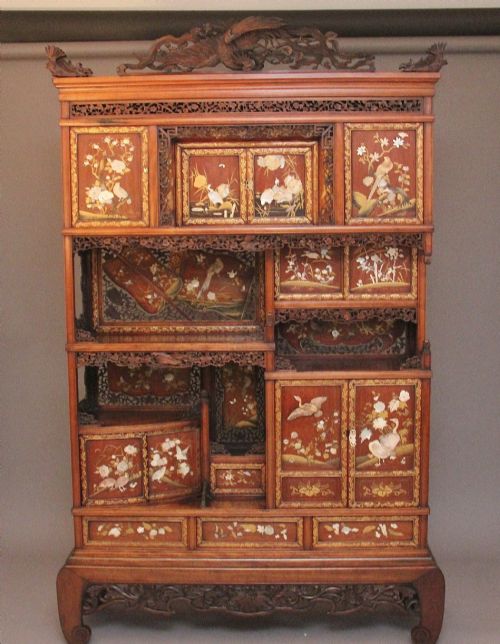
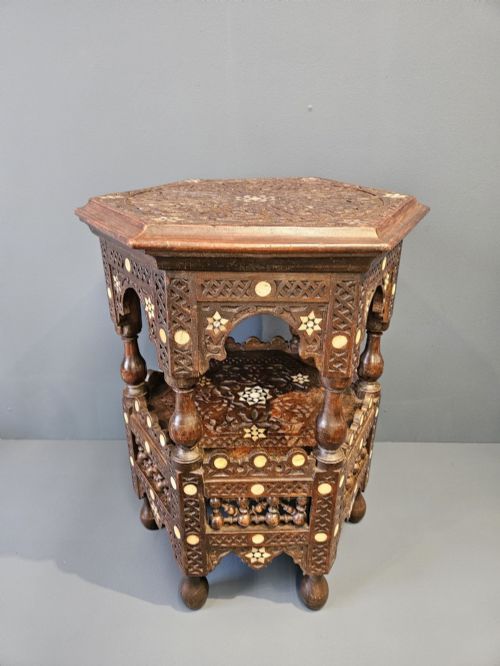
The objects appearing most frequently on this page include occasional tables, display cabinets known as shodanas, and storage cupboards. Buyers encounter pieces utilising traditional joinery alongside elaborate surface decoration such as mother-of-pearl, bone, and brass.
Origins span across Asia and North Africa, connecting workshops in Hoshiarpur and Syria with cabinetmakers in China and Japan. Each piece reflects the specific decorative vocabulary and woodworking methods of its particular cultural background.
Judging quality in oriental inlaid furniture
Quality rests primarily on the precision of the inlay work and the stability of the underlying hardwood frame. Tighter fitting geometric or pictorial elements indicate superior execution by skilled artisans.
The depth of carving and the complexity of the material combination, such as the integration of bone and abalone into ebony or hardwood, elevate the visual impact of individual cabinets and tables.
The Oriental Inlaid Furniture Glossary
- Shodana
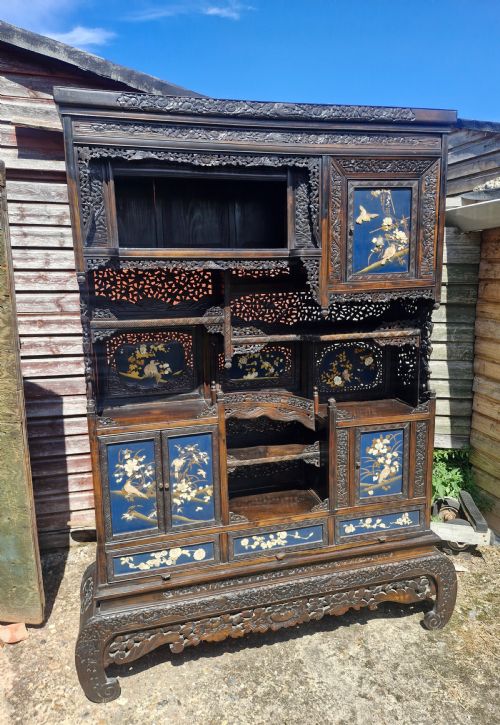
- A traditional Japanese display cabinet featuring asymmetrical shelving and sliding doors. These pieces often showcase intricate woodwork and decorative panels.
- Hoshiarpur
- A historic centre for wood carving and inlay work in northern India. Items from this region typically display dense bone or brass patterns on wooden frames.
- Chinoiserie
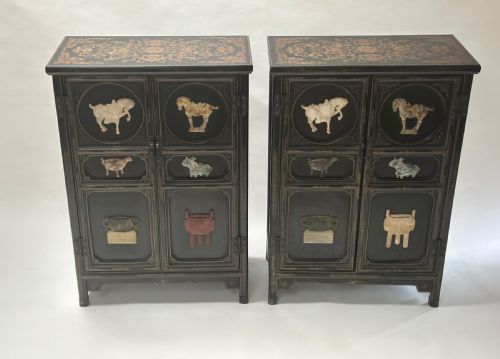
- A European decorative style imitating Chinese artistic traditions. It frequently appears on cabinets and cupboards decorated with lacquer and painted motifs.
- Shibayama
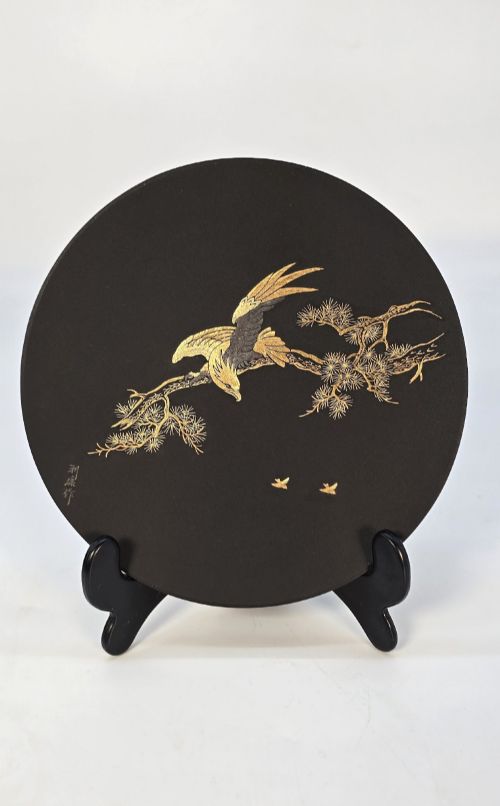
- A Japanese craft technique involving inlay of precious materials such as shell and ivory. This work creates detailed pictorial subjects on cabinets and plaques.
- Japanned
- A European process of finishing furniture with heavy layers of varnish to imitate East Asian lacquer. It characterises specific nineteenth-century desks and cupboards.
Oriental Inlaid Furniture: Frequently Asked Questions
What is a shodana cabinet?
A shodana is a Japanese display cabinet designed with multiple tiers, asymmetrical shelving, and small cupboards. Makers built these pieces to showcase decorative objects and ceramics in traditional interiors.
They often incorporate carved wood elements and detailed inlay work across the doors and panels, reflecting the craftsmanship of the Meiji period.
Where does Hoshiarpur furniture come from?
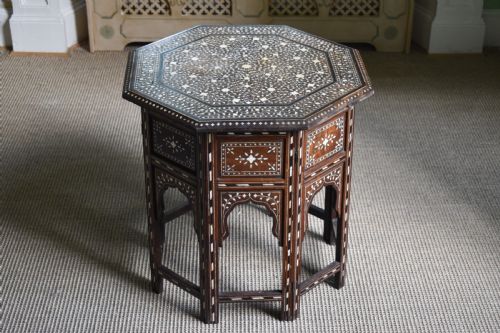
Hoshiarpur furniture originates from the Punjab region of India and gained significant popularity during the Victorian era. Artisans in this town specialised in folding tables, mirrors, and occasional furniture.
These pieces are easily recognised by their dense geometric patterns formed from small pieces of bone or brass set into dark wood.
How do I care for inlaid wood?
Inlaid wood requires stable environmental conditions to prevent the shrinkage and expansion that can loosen delicate bone, metal, or shell elements. Keep pieces away from direct heat sources and sudden temperature fluctuations.
Dust surfaces gently with a soft dry cloth and avoid harsh chemical polishes that might damage the traditional lacquer or bare wood finishes.
What is Anglo-Indian furniture?
Anglo-Indian furniture refers to pieces produced in India during the British colonial period, combining local craftsmanship with European forms. Workshops created tables, chairs, and cabinets using native hardwoods.
These items frequently feature intricate brass wire inlay or deep carving influenced by traditional regional aesthetics combined with Western utility.